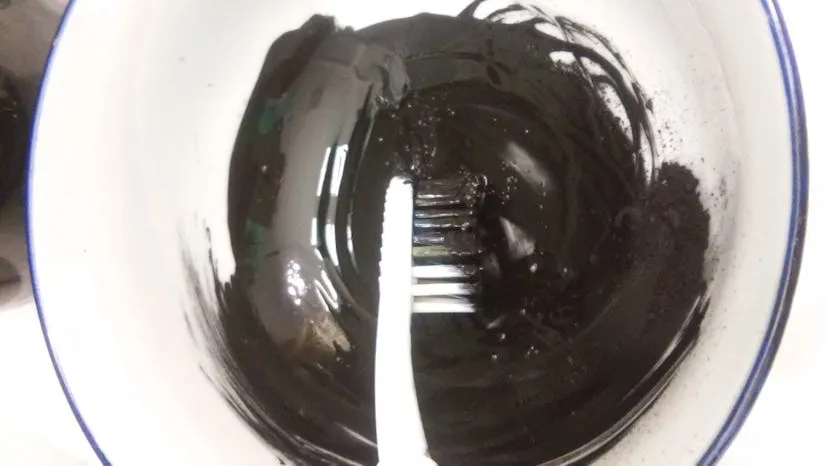
What is Activated Charcoal Teeth Whitening?
Activated charcoal has surged in popularity as a natural teeth whitening remedy, drawing many to its promise of a brighter smile. Derived from sources such as coconut shells, wood, or other materials, activated charcoal undergoes a process that makes it highly porous. This porosity is what is believed to make it effective in absorbing stains and impurities. This process is why it is believed to work, attracting and binding to substances like tannins found in coffee and tea, as well as other stain-causing agents. The premise is simple: by scrubbing your teeth with activated charcoal, you can potentially remove these stains, revealing a whiter, brighter smile. However, it’s critical to delve into the underlying scientific support and the potential hazards associated with its use to grasp its true effect on oral health.
How Activated Charcoal Works on Teeth
The mechanism behind activated charcoal’s supposed teeth-whitening action is primarily based on its abrasive properties and ability to absorb. The porous structure of activated charcoal allows it to trap stain-causing molecules, which are then purportedly removed when you brush. As you brush with activated charcoal, the tiny particles supposedly bind to the stains on your teeth. Moreover, it’s assumed that the mild abrasiveness of the charcoal helps to scrub away surface stains from your enamel. Proponents of activated charcoal often highlight its natural origins and its ability to avoid harsh chemicals often present in conventional whitening products. While the absorbent qualities of activated charcoal can indeed capture stain-causing substances, it is essential to examine whether this method is effective and harmless for long-term dental health.
The Potential Dangers of Activated Charcoal Teeth Whitening

Despite the hype, the use of activated charcoal for teeth whitening presents several potential risks that should be carefully considered. While some users report positive outcomes, it’s crucial to understand the potential damage activated charcoal could cause to your teeth and gums. There is a risk of tooth enamel erosion, gum irritation, and the lack of scientific evidence supporting its safety and efficacy. You must understand that without proper precautions and awareness, activated charcoal teeth whitening could lead to complications that compromise your oral health. The potential downsides underscore the importance of making well-informed decisions about your dental hygiene and choosing treatments that are both safe and scientifically backed. Therefore, before considering this teeth-whitening method, let’s explore the dangers in detail.
Tooth Enamel Erosion
One of the major concerns with activated charcoal is its potential to erode tooth enamel. Enamel is the hard, protective outer layer of your teeth, and once it’s worn away, it does not regenerate. Activated charcoal is abrasive, and regular brushing can cause enamel to wear down over time, making your teeth more susceptible to cavities, sensitivity, and discoloration. This abrasion can also expose the underlying dentin, which is softer and more porous. This dentin is more prone to staining and further erosion. The loss of enamel can lead to several dental problems and can only be corrected through expensive dental procedures. It’s important to consider the long-term effects of any teeth whitening method, and the abrasive nature of activated charcoal raises significant concerns regarding enamel health.
Gum Irritation and Damage
Activated charcoal can also cause irritation and damage to your gums. The abrasive particles can scratch and irritate the delicate gum tissue, leading to inflammation, bleeding, and even gum recession. Receding gums expose more of the tooth, making it vulnerable to sensitivity and decay. Furthermore, any existing gum problems, such as gingivitis or periodontitis, can be exacerbated by the use of activated charcoal. The abrasive nature of charcoal can damage the soft tissues of the gums, hindering the healing process and potentially leading to chronic issues. Therefore, those with sensitive gums or any signs of gum disease should avoid activated charcoal altogether. Always prioritize treatments that are gentle on your gums and supportive of overall oral health.
Lack of Scientific Evidence

Perhaps the most significant concern regarding activated charcoal for teeth whitening is the lack of robust scientific evidence supporting its efficacy and safety. While anecdotal evidence and personal testimonials are plentiful, there is a dearth of high-quality clinical trials that demonstrate activated charcoal’s effectiveness. Many studies show conflicting results, and most are not well-designed or conducted. Without solid scientific backing, it is difficult to ascertain the long-term impact of activated charcoal on oral health. Most dental professionals advise against using activated charcoal for teeth whitening, recommending instead methods backed by clinical research and proven safety. It is crucial to rely on treatments supported by scientific data to ensure your oral hygiene is effective and does not cause harm.
Activated Charcoal and Tooth Sensitivity
The use of activated charcoal can increase tooth sensitivity, especially if the enamel has been worn down due to its abrasive nature. As enamel erodes, the underlying dentin becomes exposed. Dentin contains microscopic tubules that lead directly to the nerve of the tooth, making it more sensitive to hot, cold, and sweet stimuli. Those who experience tooth sensitivity may find that activated charcoal exacerbates the problem. Moreover, if gum recession occurs, this can also expose the root surfaces of the teeth, which are not protected by enamel, and making the teeth even more sensitive. For individuals with existing sensitivity, activated charcoal should be avoided. Should you begin to feel an increase in sensitivity while using activated charcoal, stop use immediately and consult your dentist.
How to Mitigate Risks with Activated Charcoal
If you are determined to use activated charcoal, you must take certain steps to minimize the risks. Always consult with your dentist before starting any new teeth whitening regimen. Choose a product specifically designed for dental use. It should be a fine powder with minimal abrasive qualities. Avoid applying excessive pressure when brushing. Brush gently, using small circular motions, and do not scrub aggressively. Limit the frequency of use to no more than once or twice a week. Overuse can significantly increase the risk of enamel erosion and gum damage. Observe your teeth and gums for any signs of irritation or sensitivity. If you experience any adverse effects, stop using activated charcoal immediately. Consider alternating use with a fluoride toothpaste to help strengthen enamel. Regular dental checkups are crucial to monitoring your oral health and addressing any issues promptly. Be mindful of the potential risks and take every precaution to protect your dental health.
Choosing the Right Activated Charcoal Product

When selecting an activated charcoal product, opt for one specifically formulated for dental use. Look for a product that is finely milled to minimize abrasiveness. Avoid products that contain additional ingredients like harsh chemicals, added flavors, or high concentrations of abrasive agents. Always read the product label carefully, paying attention to the ingredients and any warnings provided. It is advisable to check if the product has been tested for safety and efficacy by a reputable third party. Some products may also contain fluoride to help strengthen enamel. Consult your dentist or hygienist for product recommendations. Make informed decisions about the product, and prioritize your oral health and safety.
Proper Brushing Technique
Proper brushing technique is extremely critical when using activated charcoal to mitigate risks. Use a soft-bristled toothbrush to minimize abrasion. Brush gently, using small, circular motions instead of scrubbing aggressively. Avoid applying too much pressure, as this can damage the enamel and gums. Brush for the recommended two minutes, ensuring you cover all surfaces of your teeth. After brushing with activated charcoal, rinse your mouth thoroughly with water. It is also beneficial to follow up with a fluoride toothpaste to remineralize the enamel. Careful attention to brushing technique can minimize the potential damage associated with activated charcoal use. Regular dental checkups are vital for monitoring the impact of your brushing habits on your teeth and gums.
Frequency of Use
The frequency with which you use activated charcoal significantly impacts the potential risks. It is generally advised to limit the use of activated charcoal to no more than once or twice a week. Overuse can lead to increased abrasion and damage to the enamel and gums. Do not incorporate it into your daily routine. Alternate your use of activated charcoal with a fluoride toothpaste. This can help strengthen your enamel and protect against cavities. If you notice any signs of sensitivity or irritation, reduce the frequency or discontinue use immediately. Consulting your dentist can help you establish an appropriate frequency based on your oral health needs and condition. Regular checkups and professional advice are crucial for monitoring the impact of your teeth whitening routine on your teeth and gums.
Alternative Teeth Whitening Methods

If you’re seeking a brighter smile, there are safer and more effective teeth whitening methods available. Many of these alternatives are backed by scientific evidence and are designed to minimize risks. Here are a couple of options to consider. It is best to consult with your dentist to determine the best options.
Professional Teeth Whitening Options
Professional teeth whitening treatments offer the most effective and safest options for achieving a brighter smile. Dentists use powerful bleaching agents, typically containing hydrogen peroxide, to break down stains and lighten the teeth. They have control over the concentration of the whitening agent and can use protective measures, like gum shields, to protect your soft tissues. In-office whitening can produce dramatic results in a single visit. Your dentist will monitor the process and can address any sensitivity issues. They also offer custom-fitted whitening trays to be used at home. Professional treatments are the best way to whiten your teeth, while minimizing any risks. Your dentist can recommend a treatment plan based on your specific needs and goals.
Over-the-Counter Whitening Products
Several over-the-counter teeth whitening products are available, including whitening strips, toothpastes, and gels. Whitening strips and gels typically contain lower concentrations of hydrogen peroxide or other bleaching agents than professional treatments. These products can be effective for minor stains and discoloration. Whitening toothpastes often contain abrasive particles and can help remove surface stains, but they usually do not change the natural color of your teeth. Be sure to follow the product instructions carefully and to look for products that have been approved by dental associations. If you have any concerns or questions, consult your dentist before using any over-the-counter products. While they may offer convenience, they are not always as effective and may not be suitable for everyone. Your dentist can help you choose the right products for your specific needs.
The Verdict Is Activated Charcoal Teeth Whitening Safe?

The verdict on activated charcoal for teeth whitening remains cautious. While it may seem like a natural and appealing option, the potential risks often outweigh the benefits. The lack of scientific evidence supporting its safety and efficacy, combined with the risk of enamel erosion, gum irritation, and increased tooth sensitivity, makes it a less favorable choice. The safest and most effective teeth whitening options are those provided by dental professionals or over-the-counter products backed by clinical trials. Before considering activated charcoal, it is advisable to consult with your dentist to discuss your oral health needs and goals. Ultimately, the best approach is to prioritize treatments that protect your oral health, and produce the desired results.