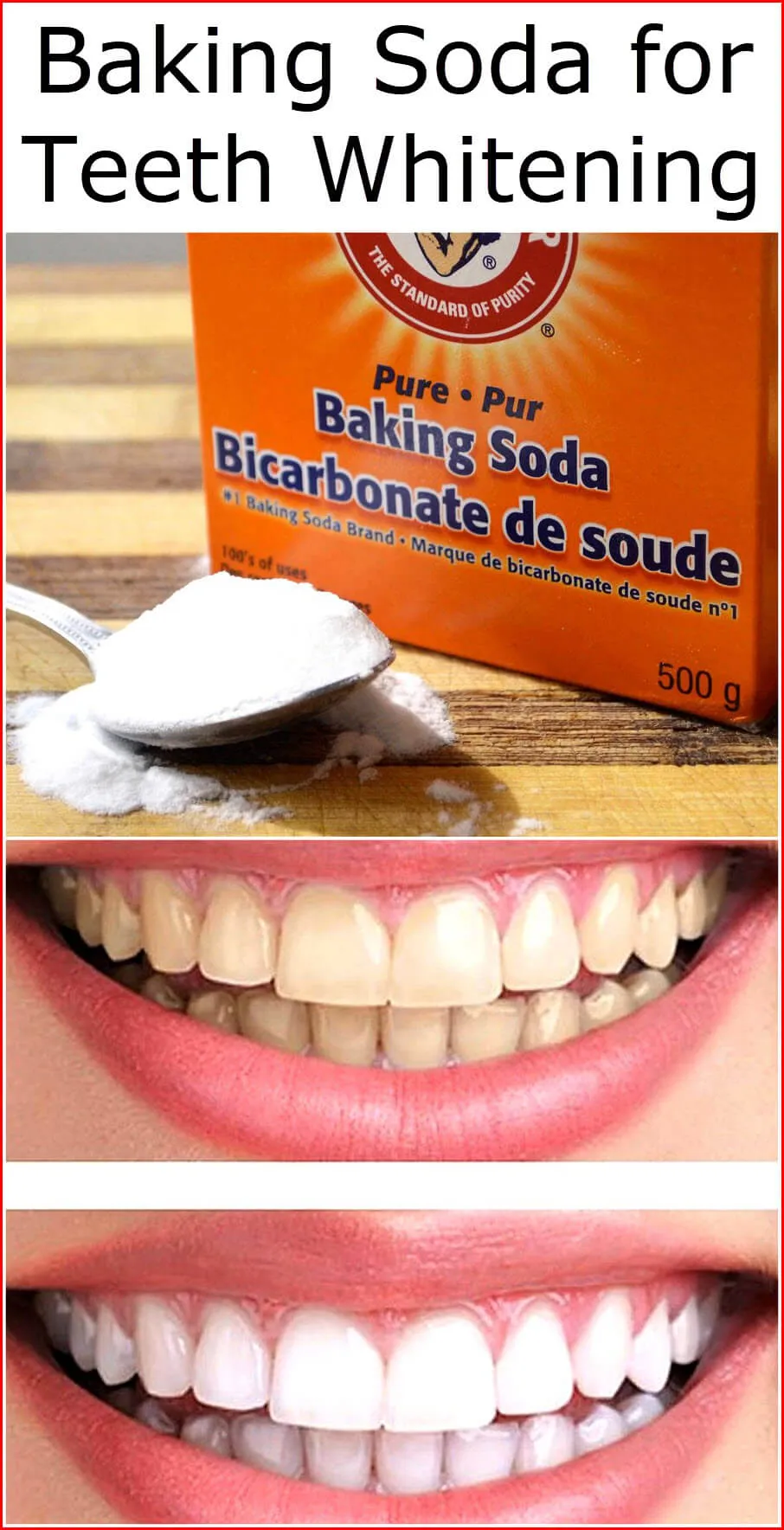
Understanding Teeth Whitening and Baking Soda
Teeth whitening has become increasingly popular as people strive for brighter, more attractive smiles. But what exactly is teeth whitening, and why is it so sought after? At its core, teeth whitening involves removing stains and discoloration from the surface of the teeth, restoring their natural whiteness or even surpassing it. This process can be achieved through various methods, from professional treatments performed by dentists to over-the-counter products and, of course, home remedies. Among the many home remedies available, baking soda stands out as a readily accessible and potentially effective option. Baking soda, also known as sodium bicarbonate, is a mild abrasive and has been used for various purposes, including cleaning and deodorizing. In the context of teeth whitening, it’s believed to help remove surface stains, contributing to a brighter smile.
What Causes Tooth Discoloration?
Before diving into the remedies, it’s crucial to understand the factors that contribute to tooth discoloration. Several elements can stain your teeth, leading to a less-than-perfect smile. One of the most common culprits is food and beverages. Consuming items like coffee, tea, red wine, and dark-colored berries can leave behind pigments that stain the enamel. Tobacco use, whether smoking or chewing tobacco, is another significant contributor, often leading to significant discoloration over time. Poor oral hygiene, including infrequent brushing and flossing, allows stains and plaque to build up, leading to a duller appearance. Additionally, certain medical conditions, medications, and even the natural aging process can impact tooth color. Understanding these causes is vital because it helps you make informed choices about your lifestyle and dental care, and it also helps you set realistic expectations for the effectiveness of any whitening method you choose, including baking soda.
The Role of Baking Soda in Teeth Whitening

Baking soda’s appeal as a teeth-whitening agent lies in its unique properties. As a mild abrasive, it helps scrub away surface stains. This gentle abrasion can remove the discoloration caused by food, drinks, and other substances, revealing a brighter layer of enamel underneath. Furthermore, baking soda has mild alkaline properties, which can help neutralize acids in the mouth. Acids, which are often produced by bacteria, can erode enamel, making teeth more susceptible to staining. By neutralizing these acids, baking soda can contribute to overall oral health. However, it is important to remember that baking soda primarily works on surface stains. It does not change the inherent color of your teeth. For deeper stains or significant discoloration, other professional treatments may be necessary. Its effectiveness is often enhanced when combined with other ingredients that provide additional cleaning and whitening benefits.
Baking Soda Teeth Whitening Secrets Top 5 Remedies
Here are the top 5 baking soda remedies that you can try at home to potentially whiten your teeth. Remember to use these remedies with caution and moderation to avoid any potential harm to your enamel. Always consult with your dentist before trying any new teeth whitening treatments, especially if you have sensitive teeth or any underlying dental conditions.
Remedy 1 Baking Soda and Water
This is the most basic and straightforward approach. The simplicity makes it an easy option to start with. The combination utilizes the gentle abrasive properties of baking soda with the cleansing power of water. This method is best for those starting on their teeth-whitening journey with baking soda. It is a low-risk approach to try.
How to Prepare and Use Baking Soda and Water

To prepare this remedy, mix a small amount of baking soda (about a teaspoon) with enough water to form a paste. The consistency should be similar to toothpaste. Using a soft-bristled toothbrush, apply the paste to your teeth, brushing gently for about two minutes. Rinse thoroughly with water. Repeat this process once or twice a week. Avoid overuse to prevent enamel erosion. Always follow the instructions for the best and safest results.
Remedy 2 Baking Soda and Lemon Juice
Lemon juice, due to its acidity, can help with teeth whitening, but must be used carefully. The citric acid in lemon juice can aid in removing stains, and when combined with baking soda, it forms a powerful, albeit potentially harsh, cleaning agent. Lemon juice can boost the cleaning power of baking soda, but the strong acidity also increases the risk of enamel erosion. For this reason, it’s best to limit the use of this method.
How to Use Baking Soda and Lemon Juice Safely
Mix a small amount of baking soda (about a teaspoon) with a few drops of lemon juice to create a paste. Apply this paste to your teeth, brushing gently for no more than one minute. Rinse thoroughly with water. This method should be used sparingly—once a week, or less—to minimize any potential damage to your enamel. It’s essential to listen to your teeth and stop using this method immediately if you experience any sensitivity or discomfort.
Remedy 3 Baking Soda and Hydrogen Peroxide

Hydrogen peroxide is a common ingredient in many teeth-whitening products due to its bleaching properties. When combined with baking soda, it can create a more potent whitening effect. Hydrogen peroxide is a mild oxidizing agent that helps to break down stains and discoloration. This combination offers a potentially effective way to brighten your smile.
Mixing and Applying Baking Soda and Hydrogen Peroxide
Combine baking soda (about a teaspoon) with hydrogen peroxide (usually 3% solution) to form a paste. Apply this paste to your teeth, brushing gently for about two minutes. Rinse thoroughly with water. Use this mixture no more than once or twice a week. Be careful not to swallow the hydrogen peroxide, and discontinue use if you experience any sensitivity. Always consult your dentist before use, especially if you have any dental concerns or sensitivities.
Remedy 4 Baking Soda and Coconut Oil
Coconut oil is another natural ingredient that has gained popularity in oral care. It has antibacterial properties and can help to remove plaque and bacteria. The combination of baking soda and coconut oil offers a gentler approach to whitening, as coconut oil can help to reduce the abrasiveness of the baking soda. Coconut oil may also help to improve overall oral health.
How to Combine Baking Soda and Coconut Oil

Mix equal parts of baking soda and coconut oil (usually a teaspoon of each) to form a paste. Brush your teeth with this mixture for about two minutes. Rinse thoroughly with water. This method can be used a few times a week. The coconut oil can make the paste more palatable and is gentler on the enamel. It’s a good choice for those with sensitive teeth or who prefer a less abrasive option.
Remedy 5 Baking Soda and Salt
Salt can act as a mild abrasive, helping to remove stains and plaque. The addition of salt can enhance the cleaning power of baking soda. Salt also has natural antibacterial properties, contributing to oral health. This combination is a traditional approach to oral hygiene.
The Benefits of Using Baking Soda and Salt
Mix a small amount of baking soda (about a teaspoon) with a pinch of salt and a little water to form a paste. Brush your teeth gently with this mixture for about two minutes. Rinse thoroughly with water. Use this method no more than once or twice a week. Salt can add a boost to the cleaning action, helping to polish the teeth. Be mindful of the abrasive nature and avoid overdoing it to protect your enamel.
Important Considerations and Safety Tips

While baking soda can be a helpful addition to your oral hygiene routine, it’s essential to approach it with caution. Always use baking soda in moderation to prevent potential damage to your enamel. It is recommended to brush gently to avoid excessive abrasion, and never to scrub aggressively. Always rinse your mouth thoroughly after brushing. It’s best to consult with your dentist before trying any home remedies, and make sure to inform them of your intentions, especially if you have any underlying dental concerns, sensitive teeth, or any other dental issues.
Potential Risks of Overuse
The primary risk of overuse is enamel erosion. Enamel is the hard, protective outer layer of your teeth, and it doesn’t regenerate. Repeated use of abrasive substances like baking soda can wear down enamel over time, making your teeth more susceptible to sensitivity, cavities, and further discoloration. Overuse may also irritate your gums and cause them to recede. Always pay attention to how your teeth feel and discontinue use if you notice any signs of sensitivity, pain, or changes in your gum line.
Tips for Safe and Effective Whitening
Always start with a small amount of baking soda. Brush gently, using a soft-bristled toothbrush, and brush for no more than two minutes. Rinse thoroughly with water after brushing. Use these remedies no more than a few times a week. Incorporate baking soda into a comprehensive oral hygiene routine, including regular brushing, flossing, and dental checkups. Consider using a toothpaste with fluoride to strengthen your enamel. If you experience any sensitivity or discomfort, stop using the remedy immediately and consult your dentist. Remember that results may vary, and it’s best to have realistic expectations.
Alternative Teeth Whitening Methods

If baking soda does not give you the desired results, there are other options to consider. Over-the-counter whitening products, such as whitening strips and toothpastes, can be effective for mild to moderate discoloration. These products often contain hydrogen peroxide or other bleaching agents. For more significant whitening, your dentist can provide professional treatments, which may include in-office bleaching or custom-fitted trays for at-home use. The best approach depends on the severity of your discoloration, your budget, and your personal preferences. Always discuss your options with your dentist to determine the most suitable method for you.
Professional Teeth Whitening Options
Professional teeth whitening offers the most significant and consistent results. Dentists use stronger bleaching agents than those available over-the-counter, often combined with special lights or lasers to accelerate the whitening process. In-office whitening typically involves a series of treatments, providing immediate and dramatic results. Your dentist can also create custom-fitted trays for at-home whitening, allowing you to maintain your results. Professional treatments are generally considered safer and more effective as they are supervised by dental professionals.
Maintaining Your White Smile
Once you achieve a whiter smile, it’s important to maintain it. Avoid or limit foods and drinks that stain your teeth, such as coffee, tea, red wine, and berries. Practice excellent oral hygiene, including brushing twice a day, flossing daily, and visiting your dentist for regular checkups and cleanings. Consider using a whitening toothpaste or mouthwash to help maintain brightness. If you undergo professional whitening, follow your dentist’s instructions for aftercare. With consistent effort, you can enjoy a bright, healthy smile for years to come.