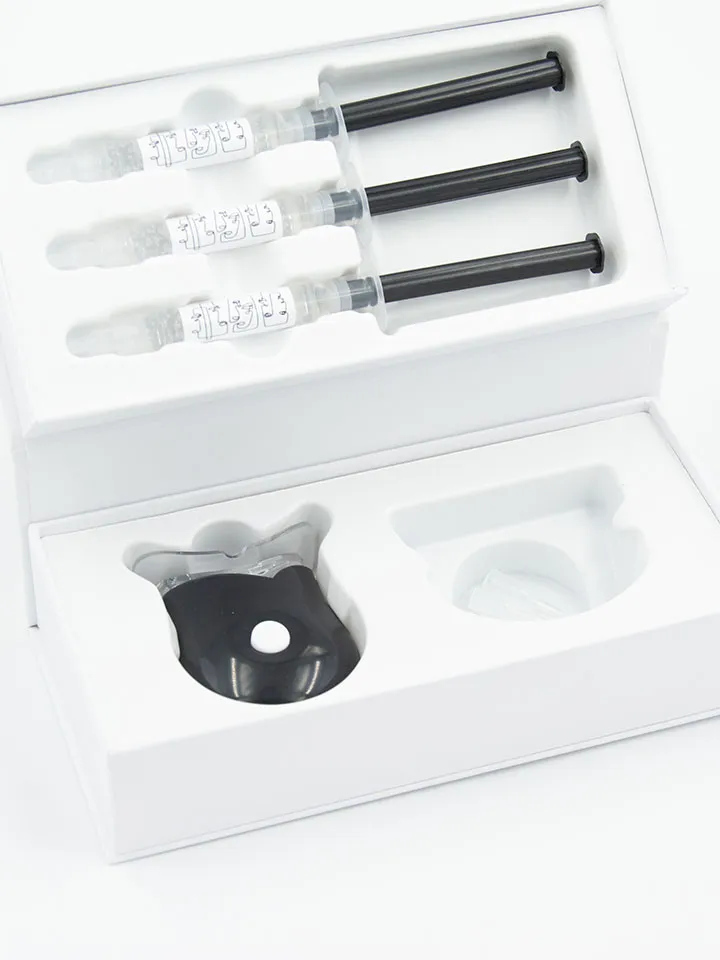
Understanding Home Whitening Kits
Home whitening kits have become increasingly popular for those seeking a brighter smile without the cost and inconvenience of professional treatments. These kits offer a convenient way to whiten teeth in the comfort of your own home. They typically contain bleaching agents, such as hydrogen peroxide or carbamide peroxide, that penetrate the enamel and break down stain molecules. The market is flooded with options, making it challenging to choose the best one. This comprehensive review will delve into the world of home whitening kits, offering insights to help you make an informed decision.
What to Look for in a Home Whitening Kit
When selecting a home whitening kit, several factors should guide your choice. First and foremost is the active ingredient and its concentration. Hydrogen peroxide is a common and effective bleaching agent, but its concentration affects the whitening power and potential for sensitivity. Consider the type of kit, as different formats (strips, gels, trays, pens, and toothpastes) offer varying levels of convenience and effectiveness. The ease of use is crucial; the kit should be simple to apply and fit comfortably in your daily routine. Lastly, read reviews and check for certifications or endorsements from dental professionals, indicating the product’s safety and efficacy.
Ingredients to Consider

The active ingredients are key to a whitening kit’s performance. Hydrogen peroxide and carbamide peroxide are the primary bleaching agents. These compounds break down into hydrogen peroxide, which penetrates the enamel to remove stains. Other ingredients, such as glycerin, may be included as humectants to retain moisture, and flavoring agents to improve taste. Some kits may also contain desensitizing agents, like potassium nitrate or fluoride, to minimize tooth sensitivity. Always review the ingredient list, especially if you have known allergies or sensitivities.
Hydrogen Peroxide Concentration
The concentration of hydrogen peroxide directly impacts the effectiveness of the whitening process. Higher concentrations typically yield faster results, but they also increase the risk of tooth sensitivity and gum irritation. Over-the-counter kits usually contain concentrations ranging from 3% to 10% hydrogen peroxide. Professional treatments performed by a dentist may use significantly higher concentrations. It’s essential to start with a lower concentration if you have sensitive teeth and gradually increase it, based on your tolerance and the results. Carefully follow the instructions to minimize potential adverse effects.
Other Whitening Agents
While hydrogen peroxide is the gold standard, other whitening agents are sometimes included in home kits. Carbamide peroxide is a common alternative; it breaks down into hydrogen peroxide and urea, providing a slower but more sustained whitening effect. Some toothpastes contain abrasives, such as hydrated silica, which remove surface stains but do not change the intrinsic color of the teeth. These abrasives can be effective for mild discoloration, but they may not deliver significant whitening results. Always verify the active ingredients and understand their mechanisms of action when selecting a home whitening kit.
Different Types of Home Whitening Kits

Home whitening kits come in various formats, each offering distinct advantages and disadvantages. The choice depends on your preferences, convenience needs, and the severity of staining. Understanding the different types helps you select the most suitable kit for your specific needs. Consider the application method, the duration of treatment, and the potential for sensitivity when making your decision. Each type of kit is designed to provide a different user experience and to target diverse whitening goals.
Whitening Strips
Whitening strips are among the most popular and user-friendly options. They are thin, flexible strips coated with a whitening gel, typically containing hydrogen peroxide. The strips are applied directly to the teeth, adhering to the surface for a specified period. Whitening strips are known for their ease of use and are readily available in most drugstores. Results often become visible within a few days. However, they might not fit perfectly and may cause uneven whitening or sensitivity if not used correctly.
Whitening Gels and Trays
Whitening gels and trays offer a more customized approach. These kits include trays that can be custom-fitted to your teeth or are pre-molded. The whitening gel is applied to the trays, and the trays are worn over the teeth for a specified time. This method offers better coverage and contact with the teeth than strips, leading to potentially more effective whitening. However, it requires more preparation and might be less convenient for some users. Sensitivity can be a concern, so it’s crucial to follow instructions closely and consider the concentration of the whitening agent.
Whitening Toothpastes

Whitening toothpastes are a convenient addition to your daily oral hygiene routine. They contain mild abrasives or chemical agents that help remove surface stains. While they can improve the brightness of your teeth, they typically do not contain bleaching agents and therefore do not provide significant whitening. Whitening toothpastes can be a good option for maintenance and to keep your teeth looking their best after other whitening treatments. They are generally safe for daily use, but some may contain ingredients that can cause tooth sensitivity if overused.
Whitening Pens
Whitening pens provide a portable and convenient way to whiten teeth. They typically contain a whitening gel dispensed through a brush or applicator. The gel is applied directly to the teeth and left for a few minutes before being rinsed off. Whitening pens are ideal for touch-ups and targeting specific areas. They are less effective than other methods but offer a simple solution for maintaining a brighter smile. Like other products, follow the instructions and be mindful of potential sensitivity when using whitening pens.
Top Home Whitening Kits Reviewed
We’ve evaluated several top-rated home whitening kits based on effectiveness, ease of use, sensitivity, and value for money. Our reviews provide detailed insights to help you choose the best kit for your needs. We’ve considered various factors, from the active ingredients and concentration to the format and application method. Each kit has been assessed based on consumer feedback, clinical trials, and professional recommendations. See below for detailed reviews of some of the best-performing home whitening kits available in 2024.
Kit 1 Review

Kit 1, a popular choice, features whitening strips with a moderate concentration of hydrogen peroxide. Its ease of use is a major advantage; application is simple, and the strips adhere well to the teeth. The effectiveness is notable, with users often seeing results within a week. However, some users report mild sensitivity. The value for money is considered good. Overall, Kit 1 is a well-rounded option for those seeking noticeable whitening with minimal hassle.
Kit 2 Review
Kit 2 offers a different approach, using a whitening gel with custom-fit trays. This kit is known for its higher concentration of hydrogen peroxide, resulting in faster whitening. The custom trays ensure even coverage and a comfortable fit. While effectiveness is high, sensitivity is a more significant concern. It is essential to follow the usage instructions carefully to minimize any discomfort. The value for money is fair, given the effectiveness and potential for professional-level results.
Kit 3 Review
Kit 3 is a whitening toothpaste with a unique formula containing mild abrasives and a small amount of hydrogen peroxide. This option offers convenience, as it integrates with your daily brushing routine. It helps remove surface stains and improves the brightness of the teeth over time. Effectiveness is moderate; the results are subtle, and not a drastic change. Sensitivity is generally not a concern. The value for money is excellent, making Kit 3 a practical choice for maintaining a brighter smile as part of your daily oral hygiene regimen.
Factors Considered in Our Reviews

Our review process incorporates several key factors to provide a comprehensive evaluation of home whitening kits. Each product is assessed based on its effectiveness in whitening teeth, ease of use for the consumer, the level of sensitivity experienced by users, and the overall value for money. We rely on scientific data, user reviews, and expert opinions to ensure our assessments are reliable and informative. These factors are critical in helping consumers make informed decisions about which kit best meets their needs and expectations.
Effectiveness
Effectiveness is the primary concern when choosing a home whitening kit. We evaluate the ability of each kit to whiten teeth, considering the active ingredients, their concentrations, and the duration of use. We look for products that provide noticeable and consistent whitening results without causing significant adverse effects. We assess the degree of whitening achieved, the speed at which the results are visible, and the longevity of the whitening effect. The effectiveness is determined by the kit’s ingredients, the delivery method, and adherence to the instructions.
Ease of Use
Ease of use is an important factor in ensuring you can comfortably incorporate a whitening kit into your routine. We evaluate how easy the kit is to apply, the time required for each treatment, and any inconvenience the kit might cause. We prioritize kits that are simple to use, comfortable to wear, and do not disrupt your daily activities. A product that is easy to use ensures consistency and maximizes the likelihood of achieving desired results. Simple and straightforward instructions are also essential.
Sensitivity

Tooth sensitivity is a common side effect of home whitening treatments. We carefully assess the likelihood of sensitivity and the severity of the discomfort experienced by users. We consider the concentration of the whitening agent, the presence of desensitizing ingredients, and any reports of gum irritation. We provide guidance on managing sensitivity, such as using a toothpaste formulated for sensitive teeth, or reducing the frequency or duration of treatments. We always advise you to consult with a dentist if you experience persistent or severe sensitivity.
Value for Money
Value for money considers the cost of the kit relative to its effectiveness, the duration of treatment, and any additional benefits. We evaluate the overall cost, compare it to similar products, and assess whether the results justify the price. We look for kits that provide good results without breaking the bank, considering factors such as the number of applications, the included accessories, and the overall user experience. We provide a balanced view, considering all factors to help you determine which kit offers the best return on your investment.
Potential Side Effects and How to Manage Them
While home whitening kits can be effective, they can also cause side effects. It’s important to be aware of the potential issues and how to manage them. Common side effects include tooth sensitivity, gum irritation, and, in rare cases, enamel damage. Most side effects are mild and temporary, but knowing what to expect and how to respond can significantly improve your experience and ensure your teeth whitening is a success. It is always recommended to consult with your dentist before using any home whitening kit.
Sensitivity and Discomfort

Tooth sensitivity is the most common side effect, often experienced as a sharp pain or discomfort when consuming cold or hot foods and drinks. It is typically caused by the peroxide penetrating the enamel and affecting the nerves in the teeth. To manage sensitivity, consider using a toothpaste designed for sensitive teeth before, during, and after treatment. Reduce the frequency or duration of the whitening treatments. If the sensitivity persists, consult your dentist, who might recommend fluoride treatments or other desensitizing agents.
Gum Irritation
Gum irritation can occur if the whitening agent comes into contact with the gums. This can cause redness, swelling, and tenderness. To prevent gum irritation, ensure the whitening strips or trays fit properly and do not extend beyond the teeth. Wipe away any excess gel that comes into contact with the gums. If irritation occurs, discontinue use and consult your dentist. Using a mild saltwater rinse can help soothe irritated gums, and avoiding harsh dental products until your gums heal is recommended.
Enamel Damage
Enamel damage is a rare but potential side effect, particularly with overuse or the use of high-concentration whitening agents. It can result in increased tooth sensitivity and a higher risk of cavities. Follow the instructions carefully and avoid overusing the product. If you experience any unusual changes in your teeth, such as increased transparency or rough surfaces, consult your dentist immediately. Regular dental checkups and maintaining good oral hygiene practices are crucial to prevent enamel damage and ensure the long-term health of your teeth.
Tips for Using Home Whitening Kits Safely
Using home whitening kits safely involves several important steps to minimize the risk of side effects and achieve the best results. Prioritizing your oral health and following professional advice can ensure a positive experience. Careful adherence to the instructions, knowing when to seek professional guidance, and understanding your own teeth’s specific needs are all key to a successful and safe whitening process. Always consult with a dental professional before beginning any whitening treatment.
Consult Your Dentist
Before using any home whitening kit, it is essential to consult your dentist. Your dentist can assess your oral health, identify any underlying issues, and determine if whitening is suitable for you. They can also provide personalized recommendations based on your needs and advise you on the best whitening options. Your dentist can examine your teeth for cavities, gum disease, or other issues that may need attention before you start whitening. Professional guidance is critical to ensure your safety and to maximize the effectiveness of your chosen whitening method.
Follow Instructions Carefully
Always read and follow the instructions provided with the home whitening kit carefully. The instructions will specify the application method, the duration of treatment, and any precautions to take. Overuse or misuse of the product can increase the risk of side effects, such as tooth sensitivity or gum irritation. Adhering to the recommended usage guidelines is crucial to achieving the desired results safely. If you have any questions or concerns, refer to the product’s instructions or consult your dentist before proceeding with the treatment.
Avoid Overuse
Avoid overuse of home whitening kits. Frequent or prolonged use can increase the risk of side effects and may not necessarily lead to better results. Follow the recommended treatment schedule and avoid using the kit more often or for a longer duration than advised. Allow your teeth to rest between whitening sessions. Monitor your teeth for any signs of sensitivity or other adverse reactions. If you experience any discomfort, discontinue use and consult your dentist. Consistent overuse can lead to negative results.
Conclusion The Best Home Whitening Kit for You
Choosing the best home whitening kit requires careful consideration of your individual needs and preferences. Each kit offers a different approach, with variations in effectiveness, ease of use, and potential side effects. Considering the factors discussed in this review, from the ingredients and concentrations to the delivery methods and potential sensitivities, you can select a kit that aligns with your goals and your dental health. Always prioritize safety by consulting with your dentist and following the instructions meticulously. With the right approach, a brighter, more confident smile is within your reach.