What to Consider Before Buying a Teeth Whitening Kit
Embarking on the journey to a brighter smile can be an exciting endeavor. However, before you invest in a teeth whitening kit, it’s crucial to consider several factors. Your overall oral health is paramount. Ensure your teeth and gums are healthy. Address any existing dental issues such as cavities or gum disease before starting a whitening treatment. Also, consider the level of staining on your teeth. Different kits cater to varying degrees of discoloration. Some kits are designed for surface stains caused by coffee, tea, or wine, while others target deeper stains. Evaluate the current shade of your teeth and your desired outcome. This will help you select a kit with the right concentration of whitening agent. Finally, take your lifestyle into account. If you consume staining foods or beverages regularly, consider the maintenance required to keep your smile bright. Consider your budget. Prices vary depending on the type of kit, brand, and included features. Make sure you find a product that fits your budget.
Types of Teeth Whitening Kits Available
The market offers a wide array of teeth whitening kits, each utilizing different methods and formulations. Understanding these types will help you choose the one that best suits your needs and preferences. Each type has its own advantages, disadvantages, and suitability for different individuals.
Whitening Strips

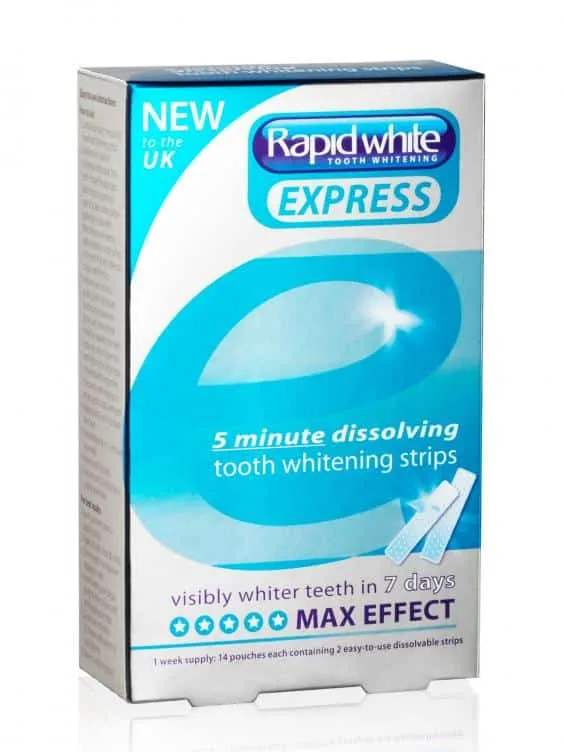
Whitening strips are one of the most popular and readily available options for teeth whitening. They are thin, flexible strips coated with a peroxide-based whitening agent. They are easy to use, making them a convenient choice for at-home whitening. They are also relatively inexpensive compared to other methods.
How Whitening Strips Work
Whitening strips work by adhering to the surface of your teeth and delivering a whitening agent, typically hydrogen peroxide or carbamide peroxide, directly to the enamel. The peroxide penetrates the enamel and breaks down the stains and discoloration that have accumulated over time. This process oxidizes the stains, making them less visible and resulting in a brighter smile. The concentration of the whitening agent determines the effectiveness of the strips. Also, the length of time the strips are applied influences the results.
Pros and Cons of Whitening Strips
The pros of whitening strips include their ease of use, affordability, and accessibility. They are widely available in drugstores and online, and most brands offer a hassle-free application. On the cons side, some people may experience tooth sensitivity or gum irritation. Strips may not be effective on certain types of stains, such as those caused by tetracycline or fluorosis. Results can vary, and the whitening effect may not be as dramatic as with professional treatments. Moreover, they may not cover all teeth surfaces, especially in the back.
Whitening Toothpastes

Whitening toothpastes are designed to remove surface stains and improve the overall brightness of your teeth. They are a common addition to daily oral hygiene routines, making them a convenient option for many people. However, they do not typically contain a bleaching agent like peroxide, so the whitening effect is usually milder than other methods.
How Whitening Toothpastes Work
Whitening toothpastes contain abrasive agents and polishing ingredients that help remove surface stains from your teeth. These abrasives gently scrub away stains caused by coffee, tea, and other foods or beverages. Some whitening toothpastes also contain mild chemical agents that aid in stain removal. They work by breaking down surface stains and polishing the enamel. However, they do not change the intrinsic color of your teeth.
Pros and Cons of Whitening Toothpastes
The main pros of whitening toothpastes include their ease of use, affordability, and accessibility. They are readily available in most stores and are incorporated into your daily routine. However, the cons include the fact that they provide only a mild whitening effect. They may not be effective on deeper stains. Some toothpastes may contain abrasive ingredients that could potentially damage tooth enamel if used excessively. It is important to note that whitening toothpastes are best used as a supplement to other whitening methods and not as a standalone treatment for significant discoloration.
Whitening Gels and Trays

Whitening gels and trays provide a more concentrated and controlled whitening treatment. These kits typically include custom or pre-made trays and a bleaching gel containing a higher concentration of peroxide. This method allows for better contact between the whitening agent and the teeth, leading to more effective results. The gels are applied to the tray, which is then placed over the teeth.
How Whitening Gels and Trays Work
The trays hold the whitening gel in close contact with the teeth, allowing the bleaching agent to penetrate the enamel and break down stains. The gel usually contains either hydrogen peroxide or carbamide peroxide, with the concentration determining the whitening power. The longer the gel remains in contact with the teeth, the more effective the whitening process. However, it is important to follow the instructions provided by the kit to avoid over-whitening or gum irritation.
Pros and Cons of Whitening Gels and Trays
The pros include the fact that they offer more noticeable whitening results than whitening toothpastes. They provide more even coverage when using custom trays. The trays also allow for better control over the application and concentration of the whitening agent. The cons include potential for tooth sensitivity and gum irritation, particularly with higher concentrations of peroxide. Custom trays can be more expensive than other options, and the process typically takes longer. Some people may find the process of using trays and gels inconvenient. The effectiveness depends on the type of stains and the overall health of the teeth.
Best Teeth Whitening Kit Brands

Several brands offer teeth whitening kits. These brands often incorporate innovative technologies, varied concentrations of active ingredients, and user-friendly designs. Crest, Glo Brilliant, and SmileDirectClub are some of the leading brands in the market.
Crest 3D White
Crest is a well-known brand offering a range of teeth whitening products, including whitening strips, toothpastes, and mouthwashes. Their products are easily accessible and come in different variations, catering to various needs and preferences. Crest 3D White products often feature advanced technologies designed to deliver effective whitening results.
Key Features of Crest 3D White
Crest 3D White products often incorporate features like enamel-safe whitening agents, advanced seal technology for a better grip, and varying levels of whitening power. Some strips offer enamel strengthening benefits, which help to protect and enhance the health of your teeth. The products are designed to be easy to use, integrating seamlessly into your daily oral hygiene routine.
Pros and Cons of Crest 3D White

The pros of Crest 3D White include their availability, affordability, and effectiveness in removing surface stains. Their products are generally easy to use and provide noticeable results with consistent use. The cons include the fact that some users may experience tooth sensitivity or gum irritation, and results can vary depending on the individual’s teeth and staining. Some products might not be as effective on deeper stains.
Glo Brilliant
Glo Brilliant offers a professional-grade teeth whitening system that combines a whitening gel with a mouthpiece that uses LED light technology to accelerate the whitening process. This advanced method aims to deliver fast and effective results. Glo Brilliant is marketed towards those seeking a more intensive teeth whitening treatment.
Key Features of Glo Brilliant
The key features of Glo Brilliant include the use of a mouthpiece with LED light, which activates and accelerates the whitening gel. The gels are designed for minimal sensitivity, and the system is typically used for a short duration each day. The system also provides the comfort of hands-free use. The device is designed for portability.
Pros and Cons of Glo Brilliant

The pros of Glo Brilliant include the effectiveness in delivering quick and noticeable results. The LED light technology enhances the whitening process. The user-friendly design makes it easy to incorporate into your daily routine. The cons include the higher price point compared to other whitening kits, and the need to recharge the device. Some people may experience temporary sensitivity.
SmileDirectClub
SmileDirectClub is a well-known brand that offers clear aligners for teeth straightening, also provides teeth whitening kits. Their whitening kits often include customized aligner trays for even application and whitening gel designed for effective stain removal. SmileDirectClub focuses on delivering convenient and accessible whitening solutions.
Key Features of SmileDirectClub
The key features of SmileDirectClub’s whitening kits include custom-fitted aligner trays, which ensure even and consistent application of the whitening gel. The gel often contains effective whitening agents designed for stain removal, and the system is typically easy to use at home. Some kits offer a subscription-based service for ongoing treatment and maintenance. They also offer teeth whitening for aligners.
Pros and Cons of SmileDirectClub

The pros of SmileDirectClub include the convenience of custom-fitted trays, providing better coverage and even whitening. The products are generally easy to use, and the at-home application makes it a flexible option. The cons include the higher price point compared to standard whitening strips, and the potential for sensitivity. Results can vary depending on the level of staining and individual tooth characteristics. Customers also need to undergo an assessment to receive custom aligners.
How to Use a Teeth Whitening Kit
Using a teeth whitening kit correctly will enhance the effectiveness of the treatment and minimize potential side effects. Following the instructions carefully is essential for achieving desired results. Proper preparation, application, and maintenance ensure optimal results.
Preparing Your Teeth
Before using a teeth whitening kit, brush your teeth thoroughly with a soft-bristled toothbrush and rinse your mouth. This will remove any food particles or debris. Floss your teeth to remove any plaque. Ensure your teeth are clean and dry before applying the whitening agent. If you have any existing dental work like fillings or crowns, consult your dentist before using a whitening kit, as these will not whiten.
Applying the Whitening Agent
Follow the specific instructions provided with your teeth whitening kit. This may involve applying whitening strips, filling trays with gel, or using a specialized applicator. Make sure to apply the whitening agent evenly to all tooth surfaces that are visible when you smile. Avoid contact with your gums to minimize irritation. Carefully follow the recommended duration for each application, avoiding over-treatment. For whitening strips, apply the strips according to the manufacturer’s directions. For tray-based systems, place the tray over your teeth and remove after the specified time. Wipe off excess gel or remove the strips as indicated by the kit.
Maintenance and Aftercare
After using a teeth whitening kit, rinse your mouth thoroughly with water. Avoid consuming staining foods and drinks, such as coffee, tea, red wine, and dark berries, immediately after treatment. Consider using a desensitizing toothpaste or mouthwash if you experience sensitivity. Maintain good oral hygiene by brushing and flossing regularly to help preserve the whitening results. Schedule regular dental check-ups to monitor the condition of your teeth and gums. Follow-up treatments will also help you maintain the whitening effects.
Expected Results and Duration
The results of teeth whitening treatments vary from person to person and depend on several factors. The extent of staining, the type of whitening kit used, and your oral hygiene habits all play a role in determining the final outcome. In general, you can expect to see a noticeable improvement in the brightness of your teeth, with many people achieving several shades whiter. However, it is important to note that not everyone will experience the same degree of whitening. The duration of the results also varies. Some people may experience a temporary improvement, lasting only a few weeks, while others may enjoy their brighter smile for several months or even years.
Safety and Potential Side Effects
Teeth whitening kits are generally considered safe when used as directed, but they can cause certain side effects. Tooth sensitivity is a common side effect. You may experience temporary discomfort when eating or drinking hot or cold foods and beverages. Gum irritation can occur if the whitening agent comes into contact with your gums. This can lead to redness, swelling, or tenderness. In rare cases, more severe side effects may occur. It is important to consult your dentist if you experience persistent or severe side effects.
When to Consult a Dentist
While at-home teeth whitening kits are accessible and convenient, there are situations when it’s essential to consult your dentist before or during the treatment. If you have significant dental issues, such as cavities, gum disease, or sensitive teeth, it’s crucial to address these concerns with your dentist before starting a whitening treatment. Your dentist can assess the health of your teeth and gums and recommend the most suitable treatment options. If you experience severe or persistent side effects, such as extreme tooth sensitivity or gum irritation, it’s important to consult your dentist. Also, if you are not satisfied with the results of your at-home whitening treatment, consider consulting your dentist for professional whitening options or advice. Your dentist can provide personalized recommendations.