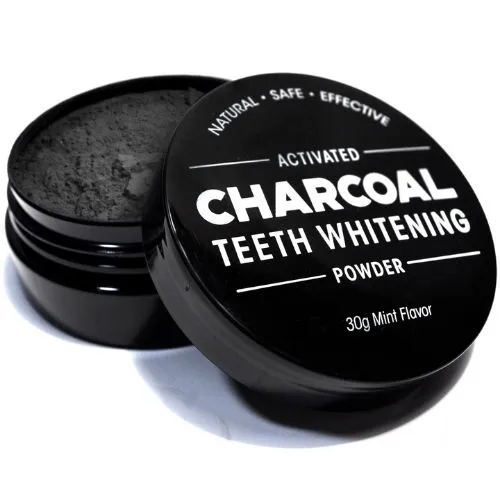
What is Charcoal Powder and How Does it Work?
Activated charcoal, the star ingredient in many teeth whitening products, is a fine, black powder made from various carbon sources, like coconut shells, wood, or other materials. The activation process involves heating the carbon source in the presence of a gas, creating tiny pores. This porous structure is what makes activated charcoal so absorbent, able to trap chemicals and toxins. When used for teeth whitening, the theory is that activated charcoal can bind to stains on the teeth, lifting them away and leaving a brighter smile. However, the science behind this is not as straightforward as it seems, and understanding the mechanics behind it is crucial before you incorporate it into your dental routine. The effectiveness and safety of charcoal powder for teeth whitening are subjects of ongoing debate within the dental community.
The Science Behind Charcoal Powder
The absorbent nature of activated charcoal is its key property. It works by adsorbing (not absorbing) substances. In the context of teeth whitening, the idea is that charcoal particles can attach to stain-causing compounds on the tooth surface, such as those from coffee, tea, and red wine. These stains can then be removed when the charcoal is rinsed away. However, the degree to which charcoal actually removes these stains and the potential risks involved are what need to be thoroughly examined. The science also lacks strong evidence to support its superiority over other methods and it’s crucial to consider the physical characteristics of your teeth and the potential damage it can cause.
Types of Charcoal Powder

Not all charcoal powders are created equal. The source material used to create the activated charcoal can vary. Coconut shell charcoal and wood charcoal are common options, and the manufacturing process can also influence the product’s properties. Some charcoal powders are specifically formulated for dental use, with finer particles and additives designed to improve taste or texture. However, it is essential to research the source of the charcoal and any additional ingredients to ensure you’re using a safe and effective product. Be cautious of products that do not clearly state their source material or that make exaggerated claims about their whitening abilities. Also, the presence of any added abrasive agents or chemicals is crucial to consider for safety reasons.
Fact 1 Charcoal Powder’s Abrasiveness
One of the primary concerns with charcoal powder is its abrasiveness. The gritty texture of charcoal can wear away the enamel, the hard, protective outer layer of your teeth. Enamel does not regenerate, and once it’s gone, it’s gone. This can lead to increased sensitivity, as the underlying dentin becomes exposed. Dentin is softer than enamel and contains tubules that lead directly to the nerve, making your teeth more susceptible to pain from hot and cold foods and drinks. Repeated use of abrasive substances, like charcoal powder, can accelerate this process. Therefore, it is crucial to consider the potential long-term damage to the teeth, and whether the perceived cosmetic benefits are worth the risk.
Potential Risks and Concerns
The risks associated with using charcoal powder for teeth whitening are significant, especially if used incorrectly or frequently. Understanding these risks is critical to making an informed decision about whether to incorporate charcoal powder into your oral hygiene routine. It is essential to weigh the possible benefits against the potential harm to protect your teeth and gums.
Enamel Erosion

As mentioned, the abrasive nature of charcoal powder can erode the enamel. This erosion not only increases the risk of sensitivity but also makes teeth more susceptible to decay. Enamel acts as a barrier against bacteria and acids in the mouth. When it is damaged, these harmful substances can penetrate the tooth structure more easily, leading to cavities and other dental problems. Over time, this can result in costly dental treatments, such as fillings, crowns, and root canals, to address the issues caused by enamel loss. Furthermore, the teeth may also appear more yellow as the enamel thins, allowing the underlying dentin to show through.
Gum Irritation
Charcoal powder can also irritate the gums, especially if used aggressively. The abrasive particles can scratch and inflame the delicate gum tissue, leading to sensitivity, bleeding, and even infection. Receding gums can occur due to irritation, exposing more of the tooth root and increasing the risk of decay and sensitivity. If you experience any gum irritation or bleeding while using charcoal powder, discontinue use immediately and consult with a dentist. The health of the gums is an integral part of overall oral health and any product that causes harm should be avoided.
Fact 2 Charcoal Powder’s Effectiveness
While charcoal powder is often marketed as an effective teeth whitener, the scientific evidence supporting its efficacy is limited. Many anecdotal claims exist, but these are often based on individual experiences rather than controlled clinical trials. The effectiveness of charcoal powder can vary depending on the type and severity of stains, as well as individual factors such as enamel thickness and oral hygiene habits. Without proper scientific backing, assessing how effective the product is and understanding the long-term implications is a challenge.
Whitening Capabilities

Charcoal powder may remove some surface stains, such as those caused by coffee or tea, making teeth appear slightly whiter. However, it is not a permanent solution. The degree of whitening achieved is often minimal and may only last for a short period. Charcoal powder cannot change the natural color of your teeth or remove deeper stains. For more significant and lasting whitening effects, professional dental treatments or over-the-counter products containing bleaching agents are more effective. The expectations should be managed, and the user should understand that it is not a replacement for professional procedures.
Stain Removal
Charcoal powder primarily works by removing surface stains. It does not address the underlying causes of tooth discoloration, such as the natural aging process, genetic factors, or certain medications. While it may help remove stains, it won’t fundamentally alter the color of the teeth. Also, removing stains can be achieved by regular and proper brushing with a toothpaste containing fluoride, which helps prevent future stains from accumulating. In comparison, charcoal powder does not contain any ingredients that actively prevent stains, and thus its stain-removal effectiveness is limited to what’s visible on the surface.
Fact 3 Safe Usage Guidelines
If you still choose to use charcoal powder, it is crucial to follow safe usage guidelines to minimize potential risks. Using charcoal powder in moderation and with caution is essential. It’s imperative to be aware of the potential damage to your teeth. Always prioritize your dental health and do not risk damaging the enamel.
How to Use Charcoal Powder Safely

When using charcoal powder, use a soft-bristled toothbrush to avoid excessive abrasion. Dip the brush in the powder and gently brush your teeth for no more than two minutes. Rinse thoroughly with water and brush again with regular fluoride toothpaste to remove any remaining charcoal particles and re-mineralize the enamel. Be sure to avoid any aggressive brushing techniques. These can increase the abrasiveness of the charcoal and cause enamel loss. Be especially careful if you have sensitive teeth or receding gums. Always consult with a dentist for advice before incorporating any new dental product into your routine.
Recommended Frequency
Dentists generally recommend limiting the use of charcoal powder to once or twice a week, at most. More frequent use significantly increases the risk of enamel damage and gum irritation. It’s essential to monitor your teeth for any signs of increased sensitivity or other adverse effects. If you notice any issues, discontinue use immediately and consult with your dentist. Regularly scheduled dental checkups can also help to identify any potential problems early and help guide you to the best choices for your oral health. Remember, less is more when it comes to charcoal powder.
Fact 4 Alternative Whitening Methods
Many effective and safe teeth-whitening options are available, which are often recommended by dentists over charcoal powder. These alternatives have been tested and proven to produce positive results while minimizing risks to the teeth and gums. If you are looking to whiten your teeth, explore the following options.
Professional Teeth Whitening

Professional teeth whitening involves using high-concentration hydrogen peroxide or other bleaching agents under the supervision of a dentist. This method is highly effective in removing both surface and deeper stains, resulting in a significantly whiter smile. Dentists can also monitor your teeth during the process and take precautions to minimize sensitivity or other potential side effects. Professional whitening is often the most reliable and safest option for those seeking dramatic and lasting results. In-office treatments and take-home whitening kits provided by your dentist are among the choices. These options provide the best outcomes for tooth whitening.
Over-the-Counter Whitening Products
If professional whitening is not an option, several over-the-counter products can also help whiten your teeth. These products include whitening toothpaste, strips, and gels containing lower concentrations of bleaching agents. While these products are generally safe when used as directed, they may not produce the same dramatic results as professional treatments. Following the product’s instructions carefully is essential to avoid any potential side effects. Look for products that have been approved by reputable dental organizations like the American Dental Association (ADA). Consult a dentist before using OTC products to discuss their suitability for your specific needs and oral health conditions. This will help to provide the best results, ensuring oral safety.
Fact 5 Expert Opinions and Recommendations
The consensus among dental professionals is that the use of charcoal powder for teeth whitening carries more risks than benefits. It is essential to consider the recommendations of dental experts before deciding to use any product. Their knowledge and experience in the field of dentistry is very important.
Dentist’s Perspective

Dentists generally advise against using charcoal powder for teeth whitening due to its abrasive nature and lack of substantial evidence of effectiveness. They often recommend safer and more effective alternatives. Dentists can provide personalized advice on the best teeth-whitening options based on your oral health and specific needs. Their primary concern is the long-term health and well-being of your teeth and gums. Regular dental check-ups and cleanings are essential to maintain optimal oral health. They will help to ensure that any whitening process is performed safely and effectively, providing the best overall results for the health of your teeth.
Consumer Reviews
Consumer reviews of charcoal powder for teeth whitening are mixed. Many users report seeing some initial whitening, but these results are often short-lived. Some consumers also report experiencing increased tooth sensitivity or gum irritation. It is crucial to consider these reviews in context and recognize that individual results may vary. It is best to research and weigh the potential benefits against the risks before using any product. Consult with your dentist to help you navigate the diverse opinions and choose the best teeth-whitening solution for your needs.