The Dental Whitening Cost Explained
The cost of dental whitening can vary significantly, making it essential to understand the factors that influence the final price. Several elements contribute to the overall expense, from the type of whitening procedure to the geographic location of the dental practice. This guide will delve into the top 5 factors impacting dental whitening costs, providing a comprehensive overview to help you make informed decisions. Understanding these variables will empower you to budget effectively and choose the most suitable teeth whitening option for your needs and budget. It’s crucial to consider both the immediate expense and the long-term value when evaluating different whitening methods.
Type of Whitening Procedure
The method you choose for whitening your teeth plays a significant role in determining the cost. Dental whitening procedures generally fall into two main categories: in-office whitening and at-home whitening kits. Each method has its own set of associated costs, benefits, and suitability based on individual needs and preferences. The intensity of the treatment, the professional expertise required, and the materials used all contribute to the pricing differences between these two primary approaches. Consider the advantages and disadvantages of each option when evaluating your budget.
In-Office Whitening

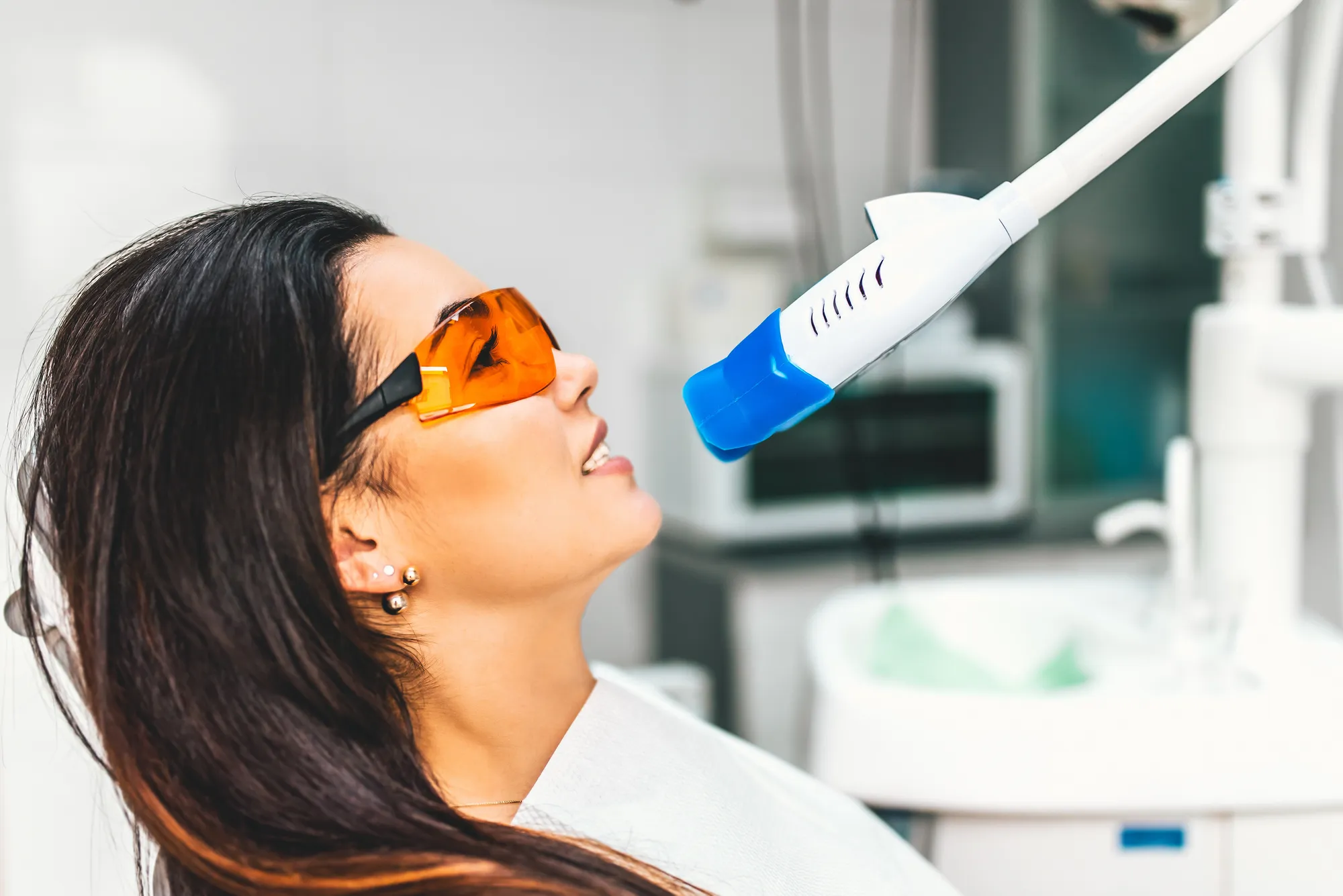
In-office whitening, performed by a dentist, typically involves a more potent bleaching solution and can deliver dramatic results in a single session. This method often uses a high-concentration hydrogen peroxide or carbamide peroxide gel, activated by a special light or laser to accelerate the whitening process. The cost is higher due to the professional expertise, equipment, and the intensity of the procedure. However, in-office treatments offer the advantage of immediate results and are closely monitored by a dental professional, ensuring safety and addressing any potential sensitivity issues promptly. The price reflects the convenience, effectiveness, and the assurance of expert supervision.
At-Home Whitening Kits
At-home whitening kits offer a more affordable option for teeth whitening. These kits generally include custom-fitted trays and bleaching agents with lower concentrations of peroxide. The trays are designed to fit your teeth precisely, ensuring the whitening agent is evenly applied. While at-home kits are less expensive than in-office procedures, they typically require several weeks of consistent use to achieve the desired results. The cost depends on the brand, the strength of the bleaching agent, and whether the kit includes custom trays from your dentist or uses generic, over-the-counter options. Compliance with the instructions and consistency are vital for success with this method.
Professional vs. Over-the-Counter Comparison
A crucial aspect of the cost is the choice between professional treatments and over-the-counter (OTC) products. Professional treatments, such as in-office whitening or dentist-provided at-home kits, are more expensive but offer several advantages, including stronger bleaching agents, customized treatment plans, and professional supervision. OTC products, like whitening strips and toothpastes, are generally less expensive and readily available, but they may provide less dramatic results and might not be suitable for all types of stains or dental conditions. Considering your desired level of whitening, your budget, and any potential dental health concerns will help you determine the best option.
Location and Geographic Factors

Where you live can significantly affect the cost of dental whitening. The prices of dental services, including teeth whitening, vary depending on the region, city, and even the specific dental practice. Factors such as the cost of living, local competition among dental providers, and the availability of advanced technologies can influence the prices. It’s always a good idea to research prices in your area and compare quotes from multiple dental practices to ensure you’re getting a fair price for the service. Keep in mind that dental practices in urban areas often have different pricing structures compared to those in rural settings.
Dental Practice and Provider Fees
The fees charged by the dental practice and the experience level of the provider can also affect the cost. Established practices with highly experienced dentists may charge more due to their expertise and the quality of service they provide. The practice’s overhead costs, including rent, utilities, and staff salaries, also influence the fees. Look for a reputable dental practice with positive reviews and transparent pricing policies. Make sure to inquire about the total cost, including any additional charges for consultations, x-rays, or follow-up appointments before committing to the procedure.
Regional Cost Variations
Dental whitening costs can vary considerably depending on the geographic location. For example, the cost of living in major metropolitan areas tends to be higher, which translates to higher prices for dental services. Similarly, states with a higher demand for cosmetic dentistry may also see higher prices. Researching average costs in your specific region can give you a better understanding of what to expect and help you budget accordingly. Comparing prices across multiple practices in your area is crucial for finding the best value. Consider also the accessibility and convenience of the location.
Your Dental Health Condition

Your oral health plays a pivotal role in the cost of dental whitening. The presence of any pre-existing dental conditions, such as cavities, gum disease, or sensitivity, can affect the price and the suitability of the treatment. It’s essential to have a thorough dental examination before proceeding with any whitening procedure. The dentist may need to address any underlying issues first, which can increase the overall cost. Transparent communication with your dentist about your dental health history is crucial for a successful and cost-effective whitening experience.
Severity of Discoloration
The degree of discoloration on your teeth is another significant factor. More severe stains, such as those caused by certain medications, aging, or heavy smoking, might require more intensive treatments or multiple sessions to achieve the desired results. This often means a higher cost compared to treating mild stains or surface-level discoloration. During your consultation, the dentist will assess the severity of the stains to determine the appropriate whitening method and estimate the number of sessions required. Be prepared to discuss your lifestyle habits, as they can also impact the treatment plan and cost.
Pre-existing Dental Work
The presence of existing dental work, such as fillings, crowns, or veneers, can influence both the cost and the effectiveness of teeth whitening. Whitening treatments typically only work on natural tooth enamel and will not change the color of these restorations. If you have existing dental work in the front of your mouth, your dentist might recommend replacing those restorations to match your newly whitened teeth, which increases the overall cost. Before proceeding, discussing all the details with your dentist is important to ensure that the whitening process aligns with your expectations and budget.
Materials Used and Brands

The specific materials and brands used for teeth whitening can also impact the cost. The choice of whitening agents, technologies, and the reputation of the brand all play a role in determining the overall expense. Higher-quality products or advanced technologies may offer more effective results or reduced sensitivity but typically come with a higher price tag. Before making your decision, it is wise to research the different materials and brands available, and understand the benefits and potential drawbacks of each to make an informed choice. The brand and material impact both the immediate cost and the long-term outcome of the whitening process.
Whitening Agents and Technologies
Different whitening agents and technologies are available, each with its associated cost. Professional whitening treatments often utilize high-concentration hydrogen peroxide or carbamide peroxide, which can penetrate the enamel more effectively. Some practices use laser or light-activated systems to speed up the whitening process, which also affects the cost. At-home kits use lower concentrations of these same agents, and the price will vary based on the brand and formulation. Researching the technologies used by different dental practices will help you understand the cost-benefit ratio and choose the option that best aligns with your goals.
Brand Reputation and Quality
The brand reputation and the quality of the whitening products can influence the price. Well-established brands known for their efficacy and safety often command a higher price. In-office treatments sometimes utilize proprietary formulas or branded systems that are known to provide excellent results, but this comes at a premium cost. Choosing a reputable brand ensures you are receiving safe and effective treatment, which ultimately can be a good investment. When looking for affordable whitening options, it’s worth comparing different brands to find one that meets your needs without compromising quality.
Post-Whitening Care and Maintenance

The ongoing care and maintenance required after teeth whitening should also be considered in the overall cost. The post-whitening phase involves follow-up appointments and the use of maintenance products to keep your teeth bright and prevent future staining. These expenses contribute to the total cost of your whitening treatment, so it is essential to factor them into your budget. Adhering to your dentist’s post-treatment recommendations and practicing good oral hygiene will maximize the longevity of your results and minimize additional costs.
Follow-up Appointments
Follow-up appointments may be necessary to evaluate the effectiveness of the whitening treatment and address any potential issues, particularly for in-office procedures. Although the immediate whitening process is completed during the initial visit, the dentist may schedule a follow-up to monitor the results and assess any side effects, such as sensitivity. These additional appointments incur costs, although they are typically included in the total price or are a small additional expense. Be sure to ask about the practice’s follow-up policy and associated fees during your initial consultation.
Maintenance Products
To maintain your newly whitened smile, you may need to purchase maintenance products, such as whitening toothpaste, mouthwash, or at-home touch-up kits. These products help to prevent staining and extend the life of your whitening results. The cost of these maintenance items varies depending on the brand, the concentration of the whitening agent, and the frequency of use. Incorporating these products into your routine is an investment in maintaining your bright smile and maximizing the value of your whitening treatment.
In conclusion, the cost of dental whitening varies based on a multitude of factors, and it’s crucial to consider them all when evaluating your options. By understanding the impact of procedure type, location, dental health, materials, and maintenance, you can make informed decisions and select the teeth whitening method that suits your budget, your needs, and your expectations. Always consult with a dental professional to determine the best course of action for your specific situation and to get a clear, personalized cost estimate. Investing in a brighter smile is an investment in your confidence and overall well-being.