What is DIY Teeth Whitening
DIY teeth whitening involves using at-home methods to brighten your smile. These methods range from using readily available ingredients like hydrogen peroxide and baking soda to specialized whitening strips and trays. The appeal of DIY teeth whitening lies in its potential cost-effectiveness and convenience, allowing individuals to take control of their oral hygiene and aesthetic appearance from the comfort of their homes. However, it is essential to approach these methods with caution, understanding both the benefits and potential risks involved. Proper knowledge and adherence to safety guidelines are crucial to avoid damaging your teeth and gums while striving for a brighter smile. Before embarking on any DIY teeth whitening journey, consider consulting with a dentist for personalized advice.
Understanding Hydrogen Peroxide
Hydrogen peroxide (H2O2) is a chemical compound with oxidizing properties, commonly used as a disinfectant and bleaching agent. It works by releasing oxygen, which helps break down stains and discoloration on the teeth. The concentration of hydrogen peroxide varies, with household solutions typically ranging from 3% to 6%. Higher concentrations are often found in professional teeth whitening treatments. Its effectiveness as a whitening agent has made it a popular choice in DIY teeth whitening methods. When used in appropriate concentrations, hydrogen peroxide can effectively lighten tooth enamel. However, it is crucial to use it cautiously to avoid any potential risks.
How Does Hydrogen Peroxide Whiten Teeth

Hydrogen peroxide’s whitening action is due to its ability to penetrate the enamel and dentin of teeth, breaking down the stain molecules that cause discoloration. The oxygen released from hydrogen peroxide oxidizes the stain particles, making them less visible and thereby brightening the teeth. The effectiveness of this process depends on several factors, including the concentration of hydrogen peroxide, the duration of application, and the type and severity of stains. While effective for surface stains, hydrogen peroxide may not address deeper intrinsic stains as efficiently. Regular use, within safe limits, can result in a noticeable improvement in tooth color. Consulting with a dentist will help to determine whether this method is suitable for your specific needs.
DIY Teeth Whitening with Hydrogen Peroxide Step-by-Step
DIY teeth whitening with hydrogen peroxide can be a straightforward process if you follow a careful and well-informed approach. This step-by-step guide will help you achieve brighter teeth safely. Before starting, it’s recommended to consult with a dentist to ensure that this method is appropriate for your teeth. The key to success lies in consistency, proper application, and adhering to safety guidelines. By carefully following these steps, you can increase your chances of getting a brighter smile without damaging your teeth or gums.
Gather Your Supplies
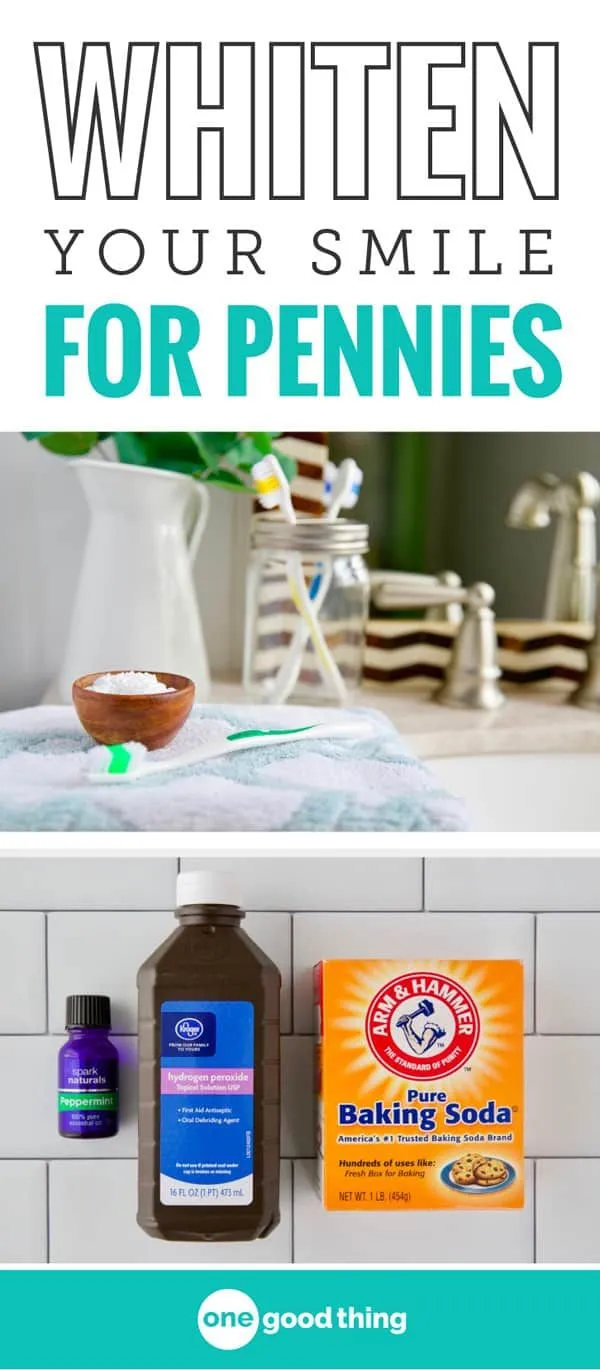
Before starting, assemble the necessary supplies to ensure a smooth and effective teeth whitening experience. You’ll need a few key items, all readily available. Make sure everything is clean and ready for use. This preparation will help you avoid any interruptions during the process, making it more efficient and ensuring you’re prepared to properly care for your teeth. Also, use a soft-bristled toothbrush to prevent damaging your enamel. Check the hydrogen peroxide bottle to confirm the concentration. Prepare your supplies and workspace to ensure a safe, effective, and organized DIY teeth whitening session.
- 3% Hydrogen Peroxide Solution
- Baking Soda
- Small Bowl
- Soft-bristled Toothbrush
- Water
- Clean Cloth or Tissue
Mixing Hydrogen Peroxide and Baking Soda

Mixing hydrogen peroxide and baking soda is a common step in DIY teeth whitening. This combination enhances the whitening effect. Place a small amount of baking soda into the bowl. Gradually add hydrogen peroxide, stirring until it forms a paste. The mixture should have a consistency that’s easy to apply to your teeth without being too runny. Ensure the mixture is well-blended to create an even application. The baking soda acts as a mild abrasive, helping to remove surface stains, while the hydrogen peroxide provides the bleaching action. By carefully preparing this mixture, you can maximize its effectiveness. Remember to use the mixture immediately after preparing it for best results.
Application Process
Proper application is crucial for the safety and effectiveness of the DIY teeth whitening process. Apply the mixture to your teeth using a soft-bristled toothbrush. Ensure even coverage across all surfaces, paying special attention to stained areas. Avoid applying the mixture to your gums to prevent irritation. Allow the mixture to sit on your teeth for a maximum of two minutes. After the allotted time, rinse your mouth thoroughly with water to remove any remaining mixture. Gently brush your teeth with plain toothpaste. Ensure the application is consistent to maximize results. Use the correct amount of paste to avoid any unwanted side effects. Following this procedure ensures the best possible outcome while minimizing potential risks.
Rinsing and Aftercare
Rinsing and aftercare are essential steps to complete the DIY teeth whitening process and maintain optimal oral health. After brushing with the hydrogen peroxide and baking soda mixture, thoroughly rinse your mouth with water to remove all traces of the mixture. Ensure that no residue remains on your teeth or gums. You may also use a fluoride mouthwash to help strengthen your enamel. Once finished, gently brush your teeth with regular toothpaste to help remove any remaining residue and freshen your breath. Take care to avoid eating or drinking anything with strong colors for a few hours after the treatment to maintain your teeth’s new brightness. Practicing these aftercare steps will help you achieve and maintain a bright and healthy smile.
Potential Risks and Side Effects of Hydrogen Peroxide

While hydrogen peroxide can be an effective teeth whitening agent, it is essential to be aware of potential risks and side effects. Improper use or overuse can lead to several adverse effects on your oral health. Some common side effects include increased tooth sensitivity and gum irritation. It is crucial to understand these potential issues and take precautions to minimize them. By being well-informed and using hydrogen peroxide cautiously, you can help to reduce the risk of experiencing these side effects while pursuing a brighter smile. If any adverse effects occur, it is important to discontinue use and consult with your dentist.
Sensitivity and Irritation
Tooth sensitivity and gum irritation are common side effects associated with DIY teeth whitening methods using hydrogen peroxide. Increased sensitivity can manifest as discomfort when consuming hot or cold foods and drinks. Gum irritation may present as redness, swelling, or soreness. These side effects can be temporary, but they can also indicate that the concentration of hydrogen peroxide is too high or that the application is too frequent. To mitigate these risks, use a lower concentration of hydrogen peroxide. It’s crucial to monitor your teeth and gums for any signs of discomfort. If irritation occurs, immediately discontinue use and consult your dentist. Following these guidelines helps to ensure a safer and more comfortable teeth whitening experience.
Enamel Erosion
Enamel erosion is another potential risk associated with the misuse of hydrogen peroxide. Overuse or the use of high concentrations can erode the enamel. This erosion can weaken your teeth and make them more susceptible to decay and sensitivity. The extent of enamel erosion can vary depending on several factors, including the concentration of hydrogen peroxide, the frequency of use, and the individual’s oral hygiene habits. To prevent enamel erosion, always follow recommended guidelines and use the lowest effective concentration. If you experience any signs of enamel erosion, such as increased sensitivity or changes in tooth texture, discontinue use immediately and consult your dentist. Protecting your enamel is crucial for maintaining healthy teeth and a bright smile.
Alternatives to Hydrogen Peroxide

If you’re looking for alternatives to hydrogen peroxide, several options are available for teeth whitening. Some people opt for natural remedies, such as brushing with baking soda or using activated charcoal. Whitening toothpaste, containing mild abrasives or whitening agents, can also help remove surface stains. Another popular option is using over-the-counter whitening strips or trays, which contain a lower concentration of peroxide. Before trying any of these alternatives, it is advisable to consult with a dentist. They can provide personalized advice based on your specific needs. Exploring these alternatives can help you find a teeth whitening method that suits your preferences and minimizes potential risks. Remember that the effectiveness of these methods varies.
Professional Teeth Whitening
Professional teeth whitening offers a more controlled and effective way to achieve a brighter smile. Dentists use higher concentrations of hydrogen peroxide. They also apply the whitening agents under controlled conditions to ensure the best results while minimizing risks. Professional treatments can provide significant improvements in tooth color. While it is more expensive than DIY methods, the results are often more dramatic and long-lasting. Your dentist can also address any underlying oral health issues. They can provide a comprehensive assessment and customized treatment plan. If you are looking for fast and effective whitening, professional teeth whitening may be the best option. It offers safety, effectiveness, and expert guidance. The benefits often outweigh the costs.
Other DIY Options
Besides hydrogen peroxide, various DIY teeth whitening methods are worth exploring. These methods often involve using common household ingredients in different ways. Whitening toothpaste can be a great option, removing surface stains with mild abrasives and whitening agents. Another option is using baking soda on its own. Some individuals turn to activated charcoal, known for its absorbent properties, which can help remove stains. You can also find DIY recipes online that combine various ingredients. Before trying any DIY option, research and understand its potential risks and benefits. Remember that the effectiveness varies. For best results and safety, consult a dentist.
Maintaining Your White Smile

Maintaining your white smile requires consistent oral hygiene practices and lifestyle adjustments. Regular brushing and flossing are the cornerstones of a healthy mouth. Brushing at least twice a day and flossing daily help to remove plaque and food particles. Avoiding or limiting stain-causing foods and drinks, such as coffee, tea, and red wine, can also help keep your teeth bright. Regular dental check-ups and cleanings are essential for maintaining your results. Ask your dentist about using a whitening toothpaste or other products to help maintain your results. By following these steps, you can extend the lifespan of your whitening treatment. You’ll also enjoy a consistently bright and confident smile.