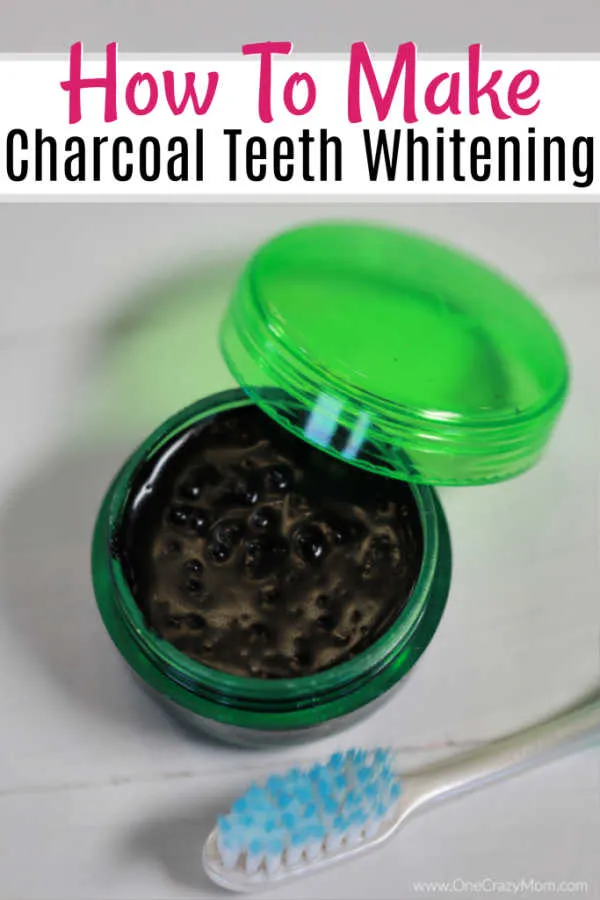
What is Activated Charcoal and How Does It Work?
Activated charcoal is a fine, black powder made from various sources, such as coconut shells, wood, or peat. It undergoes a process called activation, which increases its porosity. This makes it highly absorbent, allowing it to trap toxins, chemicals, and other substances. In the context of teeth whitening, activated charcoal is believed to remove stains and impurities from the teeth’s surface. Unlike regular charcoal, activated charcoal is safe for consumption and is widely used in various health and beauty products. The porous nature of the charcoal allows it to bind with stain-causing compounds, effectively lifting them from the enamel. This process provides a natural and relatively inexpensive way to enhance your smile.
The Science Behind DIY Activated Charcoal Teeth Whitening
The primary mechanism behind activated charcoal’s teeth-whitening effect is its ability to adsorb stains. Adsorption is different from absorption; it means the stain molecules stick to the surface of the charcoal particles. This process helps to remove surface stains caused by coffee, tea, wine, and other staining agents. While activated charcoal can effectively remove external stains, it doesn’t change the intrinsic color of the teeth. Intrinsic stains are deeper and require professional treatments like bleaching. Furthermore, the abrasive nature of charcoal can help scrub away plaque and bacteria. However, it’s crucial to use it cautiously, as excessive abrasion can damage enamel. Scientific studies on the efficacy of activated charcoal for teeth whitening are limited, and results vary, but many users report noticeable improvements.
How to Choose the Right Activated Charcoal

When selecting activated charcoal for teeth whitening, the source of the charcoal matters. Coconut shell activated charcoal is often preferred due to its fine texture and purity. Look for products specifically labeled for teeth whitening or oral use. Avoid charcoal that contains additives or artificial ingredients. Ensure the product is food-grade, meaning it’s safe for ingestion, though you shouldn’t swallow large quantities. Check for certifications or seals of approval from reputable organizations. The fineness of the powder is another factor. Finer powders are less abrasive and less likely to damage the enamel. Always read the product reviews and consider the brand’s reputation. Also, be sure to do a patch test before using it extensively. It’s essential to choose a product that is safe and effective for your dental health.
DIY Activated Charcoal Teeth Whitening (5 Tips)
DIY activated charcoal teeth whitening can be a simple and effective method for enhancing your smile. However, it’s important to follow the correct steps to ensure you achieve the best results while minimizing potential risks. Here is a simple guide with five essential tips to help you. This guide offers practical advice for incorporating activated charcoal into your oral hygiene routine, addressing everything from preparation to aftercare.
Tip 1 Proper Brushing Technique for Whitening
The brushing technique is crucial for effective and safe charcoal teeth whitening. Dip a soft-bristled toothbrush into the activated charcoal powder or your charcoal paste. Gently brush your teeth in small, circular motions for about two minutes. Avoid brushing too aggressively, as this can damage the enamel. Focus on covering all surfaces of your teeth, including the front, back, and chewing surfaces. Be patient and thorough, ensuring every tooth receives adequate attention. After brushing, rinse your mouth thoroughly with water. It’s crucial to spit out all the charcoal and avoid swallowing any of it. This technique ensures that the charcoal effectively removes stains without causing harm to your teeth or gums. The goal is gentle abrasion and stain removal, not harsh scrubbing.
Tip 2 Making the Charcoal Paste

Creating your own charcoal paste offers a simple and customizable way to enhance your teeth-whitening routine. You can mix activated charcoal powder with water to create a paste. Start with a small amount of charcoal, usually about half a teaspoon, and add a few drops of water until you achieve a smooth consistency. Alternatively, combine the charcoal with coconut oil for added benefits. Coconut oil has antibacterial properties and can improve the taste and texture of the paste. Some people also add a drop of peppermint essential oil for flavor and freshness. Mix all ingredients thoroughly before applying the paste to your toothbrush. Using the right ingredients and maintaining the correct consistency can make a difference to the overall outcome of your teeth whitening experience.
Tip 3 How Often to Use Charcoal
The frequency of using activated charcoal for teeth whitening is a significant factor to consider. Using it too often can increase the risk of enamel abrasion. Generally, it’s recommended to use activated charcoal for teeth whitening once or twice a week. This frequency is sufficient to remove surface stains without causing excessive wear on your enamel. If you have sensitive teeth or experience any discomfort, reduce the frequency or discontinue use. Some people might find that even once a week is too much. Always monitor your teeth and gums for any signs of sensitivity or irritation. Regular dental check-ups are essential to ensure that the charcoal is not causing any damage. Listen to your body and adjust the frequency accordingly to maintain optimal oral health.
Tip 4 Combining Charcoal with Other Ingredients
Combining activated charcoal with other ingredients can enhance its effectiveness and provide additional benefits. Adding a pinch of baking soda can boost the cleaning power, but be cautious, as baking soda is abrasive. Mixing charcoal with coconut oil is a popular choice, as it has antibacterial and moisturizing properties. A few drops of essential oils, like peppermint or tea tree oil, can improve the taste and offer additional antibacterial benefits. However, be cautious when using essential oils and ensure they are safe for oral use. Some people combine charcoal with bentonite clay, which helps to draw out toxins and impurities. Experimenting with different combinations can help you find the best solution for your teeth-whitening needs. Always be mindful of potential sensitivities and adjust the ingredients accordingly.
Tip 5 Maintaining Results

Maintaining your teeth-whitening results involves a combination of consistent oral hygiene and lifestyle adjustments. Brush your teeth twice daily with a fluoride toothpaste to prevent cavities and maintain enamel health. Floss daily to remove plaque and food particles between your teeth, where charcoal cannot reach. Limit your intake of stain-causing foods and drinks, such as coffee, tea, red wine, and berries. Rinse your mouth with water after consuming these items to minimize staining. Avoid smoking and tobacco products, as they can severely stain your teeth. Regular dental check-ups and professional cleanings are crucial for maintaining overall oral health and removing any stubborn stains. Following these tips will help you enjoy a brighter smile and extend the benefits of your charcoal teeth-whitening efforts.
Potential Risks and Side Effects
While activated charcoal is generally considered safe, there are potential risks and side effects to be aware of. The abrasive nature of charcoal can wear down tooth enamel over time, leading to increased sensitivity and a higher risk of cavities. Excessive brushing can also irritate the gums and cause recession. Some users experience temporary staining of the gums or tongue. It’s essential to use a soft-bristled toothbrush and brush gently to minimize the risk of damage. Swallowing large amounts of charcoal can lead to digestive issues, such as constipation. Discontinue use if you experience any adverse effects and consult with your dentist. Regular dental check-ups can help you monitor the health of your teeth and gums.
Is Activated Charcoal Safe for Your Teeth?
The safety of activated charcoal for teeth whitening is a subject of debate. While it can effectively remove surface stains, the abrasive nature of charcoal is a significant concern. Prolonged use can damage the enamel, making your teeth more susceptible to sensitivity and decay. There is a lack of scientific evidence to support the long-term safety and effectiveness of activated charcoal for teeth whitening. The American Dental Association (ADA) does not endorse activated charcoal products for this purpose. It is advisable to consult with your dentist before using activated charcoal. Your dentist can assess your oral health and advise whether activated charcoal is a suitable option. Considering your dentist’s advice is always essential to avoid potential risks.
Alternatives to Activated Charcoal for Teeth Whitening

If you’re looking for alternatives to activated charcoal for teeth whitening, several options are available. Over-the-counter whitening toothpaste and strips containing hydrogen peroxide or carbamide peroxide can effectively whiten teeth. These products have been scientifically tested and approved by dental professionals. Professional teeth whitening treatments performed by a dentist offer the most effective and safest results. Your dentist can use stronger whitening agents and provide customized trays for optimal results. Other options include using baking soda and hydrogen peroxide, but use these with caution due to the potential for abrasion. Maintain a good oral hygiene routine by brushing, flossing, and regular dental check-ups. Choosing the right alternative involves understanding your needs and consulting with your dentist.
Other Whitening Options to Consider
Beyond DIY methods and activated charcoal, various other teeth-whitening options can give you a brighter smile. Professional teeth-whitening treatments, such as in-office bleaching, are among the most effective methods. These procedures use high-concentration bleaching agents and are performed under the supervision of a dentist. Over-the-counter whitening strips and trays are readily available and can provide noticeable results. These products typically contain hydrogen peroxide or carbamide peroxide, which help to lift stains from the teeth’s surface. Whitening toothpaste is another accessible option, offering a gentler approach to stain removal. These kinds of toothpaste contain mild abrasives and stain-removing agents that help remove surface stains. Considering these alternatives empowers you to make informed choices and choose the methods that best suit your needs.