
Understanding Face Whitening Masks
Face whitening masks have gained immense popularity as a home remedy for achieving brighter and more radiant skin. These masks typically contain natural ingredients believed to lighten skin tone, reduce hyperpigmentation, and improve overall skin texture. However, it’s important to understand how these masks work, their potential benefits, and how to use them safely. The effectiveness of face whitening masks can vary depending on the ingredients used, skin type, and consistency of application. Many individuals seek these remedies as a way to address uneven skin tone, dark spots, and dullness, aiming for a more luminous complexion. This article will explore the science behind these masks, different recipes, application techniques, and potential precautions to ensure you can use them effectively and safely.
The Science Behind Face Whitening
The primary goal of face whitening masks is to reduce melanin production, the pigment responsible for skin color. Ingredients in these masks often work by inhibiting tyrosinase, an enzyme crucial for melanin synthesis. Some ingredients also possess exfoliating properties, helping to remove dead skin cells and reveal a brighter layer of skin underneath. The effectiveness varies, as the results depend on the concentration of active ingredients and the frequency of use. Regular use combined with a good skincare routine can lead to noticeable improvements over time. Natural ingredients are often favored over chemical alternatives due to their gentler nature and reduced risk of side effects, making them a popular choice for those seeking a natural approach to skin lightening.
Ingredients to Look For

When choosing or making a face whitening mask, look for ingredients known for their skin-lightening properties. Lemon juice, rich in Vitamin C, is a common ingredient known for its antioxidant and skin-brightening effects. Turmeric, containing curcumin, has anti-inflammatory and antioxidant benefits that can help reduce skin discoloration. Honey acts as a humectant, moisturizing the skin while also providing antibacterial properties. Yogurt contains lactic acid, a gentle exfoliant that can help remove dead skin cells and promote a brighter complexion. Other beneficial ingredients include oatmeal (soothing), milk (gentle exfoliation), and certain essential oils, such as tea tree oil, which can address acne and inflammation. Always ensure the ingredients are fresh and of good quality to maximize the mask’s benefits.
Benefits of Using Face Whitening Masks
Face whitening masks offer several benefits beyond just lightening skin tone. They can help reduce the appearance of dark spots, hyperpigmentation, and uneven skin tone, leading to a more balanced complexion. Many masks also provide moisturizing and hydrating effects, improving skin texture and reducing dryness. Regular use can lead to a smoother, more radiant skin appearance, contributing to a youthful glow. The use of natural ingredients often means fewer harsh chemicals, making them suitable for sensitive skin types. These masks can also be a cost-effective alternative to expensive professional treatments, allowing you to achieve similar results from the comfort of your home. By incorporating these masks into your skincare routine, you can address multiple skin concerns simultaneously, promoting overall skin health and appearance.
Types of Skin and Mask Suitability
Different skin types require different ingredients and formulations to achieve the best results without causing irritation. Understanding your skin type is crucial for selecting the right face whitening mask. For example, individuals with oily skin may benefit from masks that control excess oil production and help prevent breakouts. Dry skin requires masks that provide intense hydration to combat dryness and flakiness. Sensitive skin necessitates gentle, hypoallergenic ingredients that minimize the risk of allergic reactions or irritation. Choosing the right mask based on your skin type will help you maximize the benefits and minimize potential side effects, contributing to healthier, more radiant skin.
Oily Skin Mask Options
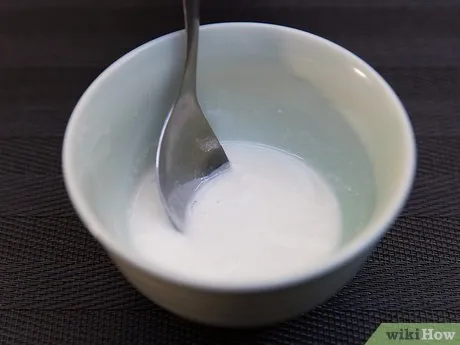
For oily skin, masks containing ingredients like lemon juice, clay (bentonite or kaolin), and tea tree oil are often beneficial. Lemon juice helps control oil production and can brighten the skin, while clay absorbs excess oil and impurities. Tea tree oil has antibacterial properties that can help prevent acne. Mix lemon juice with clay powder and a few drops of tea tree oil to create a mask that cleanses, brightens, and controls oiliness. Apply the mask to a clean face, allow it to dry, and rinse thoroughly with lukewarm water. Use this mask once or twice a week to manage oil production and promote clearer skin.
Dry Skin Mask Options
Dry skin benefits from masks that provide intense hydration and nourishment. Ingredients like honey, yogurt, and avocado are excellent choices. Honey acts as a humectant, drawing moisture to the skin, while yogurt provides gentle exfoliation. Avocado is rich in healthy fats and vitamins that help nourish and hydrate the skin. Create a mask by mixing honey, yogurt, and mashed avocado. Apply it to your face, leave it on for 15-20 minutes, and rinse with lukewarm water. This mask will help replenish moisture, leaving your skin feeling soft and hydrated. Use this mask once or twice a week, depending on your skin’s needs.
Sensitive Skin Mask Options
Sensitive skin requires masks with gentle, hypoallergenic ingredients to minimize irritation. Oatmeal, milk, and aloe vera are excellent choices. Oatmeal soothes and calms the skin, while milk provides gentle exfoliation. Aloe vera has anti-inflammatory properties that can reduce redness and irritation. Mix ground oatmeal with milk and a touch of aloe vera gel to create a soothing mask. Apply to your face, leave it on for 10-15 minutes, and rinse with lukewarm water. Avoid masks with strong fragrances or harsh chemicals. Use this mask once a week or as needed to soothe and brighten sensitive skin.
How to Make Face Whitening Masks at Home
Making face whitening masks at home allows you to control the ingredients and tailor the formulations to your specific skin needs. It’s essential to start with fresh, high-quality ingredients and to follow recipes carefully. Always perform a patch test on a small area of your skin before applying any new mask to your entire face to check for potential allergic reactions. Prepare your workspace by ensuring all utensils and surfaces are clean to prevent contamination. By experimenting with different combinations of ingredients, you can discover the perfect mask for your skin type and achieve optimal results. Homemade masks are often more affordable and customizable compared to commercial products, making them a great addition to your skincare routine.
Lemon and Honey Mask Recipe
This mask is perfect for brightening and adding a natural glow to the skin. Lemon juice is a natural bleaching agent, while honey moisturizes and soothes. Mix one tablespoon of fresh lemon juice with one tablespoon of honey. Apply the mixture to your face, avoiding the eye area. Leave it on for 15-20 minutes, then rinse thoroughly with lukewarm water. This mask is best used once or twice a week. If you have sensitive skin, dilute the lemon juice with water to reduce potential irritation. Always apply sunscreen after using this mask, as lemon juice can increase sun sensitivity.
Turmeric and Yogurt Mask Recipe
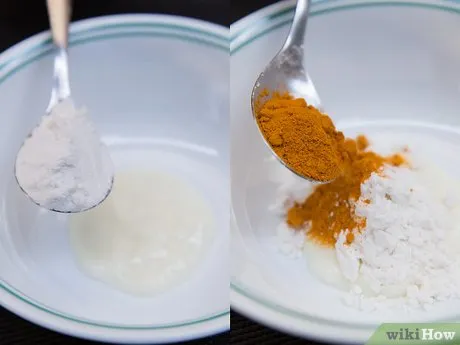
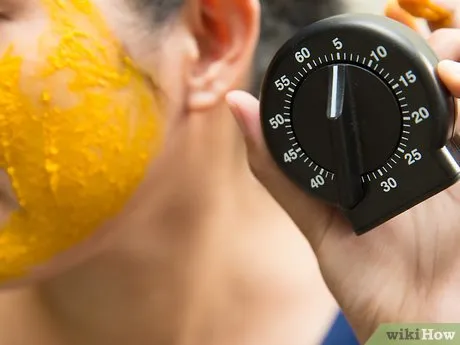
This mask combines the anti-inflammatory properties of turmeric with the gentle exfoliating benefits of yogurt. Turmeric helps reduce inflammation and can even out skin tone, while yogurt contains lactic acid, which aids in removing dead skin cells. Mix one teaspoon of turmeric powder with two tablespoons of plain yogurt. Apply the mask evenly to your face, avoiding the eye area. Leave it on for 15-20 minutes, then rinse thoroughly with lukewarm water. This mask can be used once or twice a week. Be cautious, as turmeric can stain the skin; always ensure you wash your face thoroughly after use. This mask is suitable for most skin types and helps with brightening and reducing redness.
Oatmeal and Milk Mask Recipe
This mask is ideal for soothing and brightening sensitive skin. Oatmeal has anti-inflammatory properties that calm irritated skin, while milk provides gentle exfoliation. Mix two tablespoons of ground oatmeal with enough milk to form a paste. Apply the mask to your face, avoiding the eye area. Leave it on for 10-15 minutes, then rinse thoroughly with lukewarm water. This mask can be used once or twice a week. It is gentle and effective for improving skin texture and reducing redness. It also helps to remove impurities, leaving the skin feeling soft and refreshed. The combination of oatmeal and milk makes this mask a great choice for those with sensitive skin.
Application Techniques and Tips
Proper application is key to achieving the best results from face whitening masks. The way you prepare your skin, apply the mask, and care for your skin afterward all contribute to the effectiveness and safety of the treatment. By following these techniques and tips, you can ensure that you are maximizing the benefits of your chosen mask while minimizing potential risks. Consistency and patience are also important, as significant changes in skin tone and appearance may take time. Adhering to these guidelines will allow you to use these masks effectively and safely, promoting healthier and more radiant skin.
Preparing Your Skin
Before applying any face mask, it’s crucial to prepare your skin properly. Begin by cleansing your face with a gentle cleanser to remove makeup, dirt, and excess oil. This ensures that the mask can effectively penetrate your skin. Exfoliate gently to remove dead skin cells, which can improve the mask’s absorption and effectiveness. You can use a gentle exfoliator or a soft washcloth. Rinse your face with lukewarm water and pat it dry. This preparation step helps the mask to work more effectively, leading to better results. Properly prepared skin allows the active ingredients to penetrate deeper, maximizing the benefits of the mask.
Applying the Mask Correctly

Apply the face mask evenly to your face, avoiding the sensitive eye and mouth areas. Use clean fingers or a soft brush to spread the mask in a thin, even layer. Follow the specific instructions for the mask you are using regarding the recommended duration of application. Allow the mask to work its magic without excessive movement or talking. Relax and let the ingredients absorb into your skin. Once the time is up, gently rinse the mask off with lukewarm water. Pat your skin dry with a soft towel. Proper application ensures even coverage and allows the mask to work effectively on all areas of your face, leading to more noticeable results.
Post-Mask Skin Care
After rinsing off the mask, it’s essential to apply a moisturizer to hydrate and soothe your skin. This helps to lock in moisture and maintain the skin’s natural balance. If you used a mask with ingredients like lemon juice, which can increase sun sensitivity, apply a broad-spectrum sunscreen with an SPF of 30 or higher. This protects your skin from harmful UV rays and prevents further damage. You can also incorporate a serum containing antioxidants to help protect your skin from environmental stressors and promote a healthy glow. Following these post-mask skin care steps helps to enhance the benefits of the mask and maintain a healthy, radiant complexion, extending the life of the mask’s effects.
Potential Risks and Precautions
While face whitening masks can be beneficial, it’s important to be aware of potential risks and take necessary precautions to ensure your safety. Some ingredients can cause allergic reactions, sun sensitivity, or other adverse effects. By understanding the potential risks and taking preventive measures, you can use face whitening masks safely and effectively. Always perform a patch test before applying any new mask to your entire face. Monitor your skin closely for any signs of irritation or adverse reactions, and discontinue use if necessary. Being informed and cautious will help you enjoy the benefits of these masks without compromising your skin health.
Allergic Reactions

Some individuals may experience allergic reactions to certain ingredients used in face whitening masks. Common allergens include lemon juice, honey, and essential oils. Symptoms of an allergic reaction can include redness, itching, swelling, and hives. Before applying a new mask, perform a patch test on a small area of your skin, such as the inside of your wrist or behind your ear. Wait 24-48 hours to see if any adverse reactions occur. If you experience any signs of an allergic reaction, discontinue use immediately and consult a dermatologist. Identifying potential allergens and taking preventative measures can help you avoid uncomfortable and potentially harmful reactions, allowing you to enjoy the benefits of these masks without worry.
Sun Sensitivity
Some ingredients, such as lemon juice and other citrus extracts, can increase your skin’s sensitivity to the sun. This means that your skin may be more prone to sunburn and sun damage. If you use a face whitening mask containing these ingredients, it is crucial to apply a broad-spectrum sunscreen with an SPF of 30 or higher every day, even on cloudy days. Sun protection helps to prevent further skin damage and maintain the benefits of the mask. Avoid prolonged sun exposure and wear protective clothing, such as hats and sunglasses, when outdoors. By taking these precautions, you can protect your skin from sun damage and use face whitening masks safely.
Mask Frequency and Usage
The frequency of using face whitening masks depends on the ingredients used, your skin type, and your skin’s sensitivity. Generally, it’s best to start slowly and gradually increase the frequency as needed. Overuse can lead to irritation or other adverse effects. Begin by using the mask once or twice a week and monitor your skin’s response. If your skin tolerates the mask well and you don’t experience any negative reactions, you can consider increasing the frequency to two or three times a week. Always follow the specific instructions provided with the mask recipe. Consistency is key to achieving the desired results, but it’s also important to listen to your skin and adjust your routine as needed. Proper usage will help you maximize the benefits of these masks while maintaining healthy, radiant skin.