What Causes Tooth Discoloration?
Understanding the causes of tooth discoloration is the first step toward finding effective remedies. Several factors contribute to the yellowing or staining of teeth, including dietary choices, lifestyle habits, and natural aging. Foods and beverages high in chromogens, such as coffee, tea, red wine, and berries, can stain the enamel over time. Tobacco use, whether smoking or chewing, is another significant contributor to tooth discoloration. Additionally, poor oral hygiene, which allows plaque and tartar to build up, can lead to staining. Genetics also play a role, with some individuals being predisposed to less naturally white teeth. Knowing the origin of your discoloration helps you choose the right path for teeth whitening, maximizing the effectiveness of your chosen method. Recognizing these elements empowers you to make informed choices and get the smile you have always dreamed of.
Surface Stains vs. Intrinsic Stains
Tooth stains are broadly categorized into two types: surface stains and intrinsic stains. Surface stains, also known as extrinsic stains, affect the enamel, the outermost layer of the tooth. These stains are typically caused by dietary pigments and can often be removed with home remedies or professional cleaning. Intrinsic stains, on the other hand, occur within the tooth structure, below the enamel. These stains can be caused by factors such as aging, certain medications, or trauma to the tooth. Intrinsic stains are more challenging to treat and may require professional teeth whitening treatments, such as in-office bleaching or custom-fitted whitening trays. Distinguishing between the two types of stains is crucial in determining the most appropriate teeth whitening approach. While home remedies can be effective for surface stains, intrinsic stains often require a more intensive treatment plan.
Fastest Teeth Whitening Home Remedies

If you are seeking fast results, several home remedies can help brighten your smile. While the effectiveness varies depending on the type and severity of the stain, some options provide noticeable improvements in a relatively short time. It’s essential to approach these remedies with caution and to follow instructions carefully to avoid damaging your teeth or gums. Before starting any teeth whitening home treatment, consulting a dentist is a good idea to ensure they are safe and appropriate for your situation. This consultation helps you determine the type of stains and identify any potential risks. Remember, consistency is key; regular use of these remedies, along with good oral hygiene practices, can lead to a brighter, healthier smile.
Baking Soda and Hydrogen Peroxide
This combination is one of the most popular and readily available home remedies. Baking soda acts as a mild abrasive to remove surface stains, while hydrogen peroxide has a bleaching effect. To use this method, mix baking soda and hydrogen peroxide to form a paste. Gently brush your teeth with the paste for about two minutes, then rinse thoroughly. Be careful not to brush too vigorously, as this can damage the enamel. For optimal results, repeat this process a few times a week. This method works best on surface stains caused by coffee, tea, or other foods and beverages. While some people experience significant whitening, the results vary. It’s essential to monitor your teeth for sensitivity, and discontinue use if you experience any discomfort. Consulting with a dentist before starting this treatment ensures you are using it safely and effectively. This simple combination offers an affordable and easily accessible option for whitening your teeth.
Oil Pulling with Coconut Oil
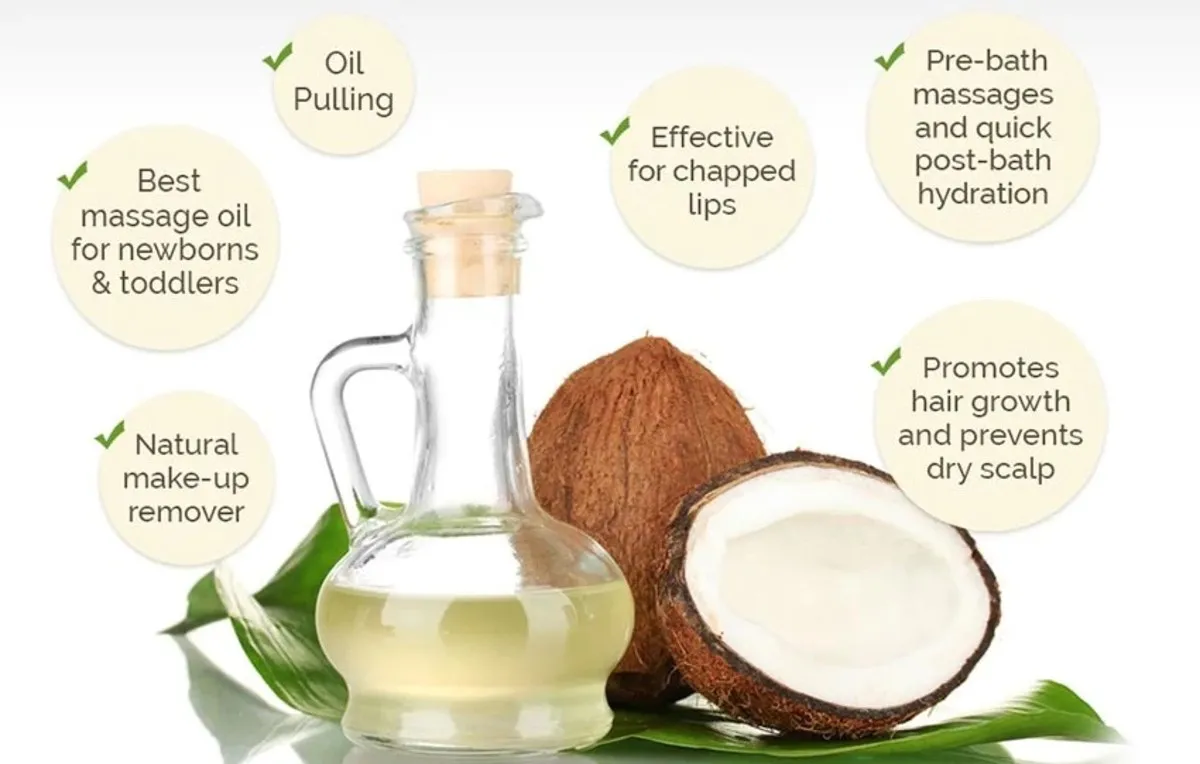
Oil pulling is an ancient Ayurvedic practice that involves swishing oil in your mouth to remove bacteria and toxins. Coconut oil is the most popular choice due to its pleasant taste and antibacterial properties. To perform oil pulling, place a tablespoon of coconut oil in your mouth and swish it around for 15–20 minutes. Make sure to push and pull the oil through your teeth. After swishing, spit the oil into a trash can to avoid clogging your drain, and rinse your mouth with water. Oil pulling helps reduce plaque and bacteria, which can lead to a whiter smile. This method is more about oral health benefits than direct whitening, but by reducing bacteria, it can prevent further staining. Regular practice can contribute to a healthier mouth. Incorporating oil pulling into your daily routine can complement other whitening methods. Remember, oil pulling is a slow process, and the benefits become evident over time with consistent practice.
Using Activated Charcoal

Activated charcoal is a fine, black powder that is highly absorbent and can help remove surface stains. To use it, wet your toothbrush and dip it into the activated charcoal powder. Brush your teeth gently for about two minutes, then rinse thoroughly. Activated charcoal works by absorbing stains and impurities from your teeth. However, it’s crucial to choose a high-quality charcoal product to avoid any harmful additives. Be cautious, as it can be abrasive, and excessive use can wear down the enamel. Many people notice an immediate difference in the appearance of their teeth, but the results can vary. Using activated charcoal once or twice a week is often sufficient, and you should monitor for any increase in sensitivity. While it can provide noticeable whitening, always prioritize your enamel health. Regular dental check-ups are essential when incorporating activated charcoal into your oral care routine.
The Power of Lemon and Baking Soda
The combination of lemon juice and baking soda is known for its whitening properties. Lemon juice contains citric acid, which acts as a natural bleaching agent, while baking soda provides a gentle abrasive action. To use this method, mix lemon juice and baking soda to form a paste. Apply the paste to your teeth and leave it on for no more than one minute. Rinse thoroughly. Due to the high acidity of lemon juice, it can erode tooth enamel if used too frequently. This method is highly effective but should be used with extreme caution. Use it sparingly, perhaps once a week, and make sure to rinse your mouth thoroughly. If you experience any sensitivity, discontinue use immediately. This combination offers quick results but requires careful monitoring to avoid damaging your teeth. Prioritize your enamel’s health by not overusing this remedy.
Strawberries and Baking Soda for Whitening
Strawberries contain malic acid, which can help remove surface stains, while baking soda provides a mild abrasive effect. Mash a few fresh strawberries and mix them with baking soda to form a paste. Apply the paste to your teeth and leave it on for a few minutes. Rinse thoroughly. This method is considered gentler than using lemon juice, as it has a lower acid content. The malic acid helps to break down stains, while the baking soda aids in polishing the teeth’s surface. This combination is suitable for occasional use, such as once or twice a week. Regular use can contribute to a brighter smile. Always follow up with brushing your teeth with regular toothpaste to ensure thorough cleaning. This combination provides a natural and effective teeth whitening option while being relatively gentle on the enamel.
How to Use Apple Cider Vinegar

Apple cider vinegar (ACV) is another natural remedy believed to help whiten teeth. It contains acetic acid, which can help remove stains and kill bacteria. To use ACV, dilute it with water – a ratio of one part ACV to two parts water is recommended. Swish the diluted ACV in your mouth for about 30 seconds, then rinse thoroughly with water. Due to its acidic nature, using ACV can potentially erode tooth enamel if overused. Therefore, it’s essential to use it sparingly, perhaps once or twice a week. Always brush your teeth with regular toothpaste afterward to remove any remaining acid. This method can be effective for removing surface stains, but it is vital to proceed with caution. If you experience any sensitivity, discontinue use. Using ACV is a natural method, but be mindful of the potential risks to your enamel. Consult with a dentist before incorporating ACV into your oral hygiene routine to ensure it is safe.
Professional Teeth Whitening Options
While home remedies can offer some improvements, professional teeth whitening treatments provide more dramatic and longer-lasting results. Dentists offer several options, including in-office bleaching and custom-fitted whitening trays. In-office bleaching involves applying a high-concentration bleaching agent to your teeth, often activated by a special light or laser. This treatment typically takes about an hour and can significantly brighten your smile in a single session. Custom-fitted whitening trays are made from molds of your teeth. You fill the trays with a professional-strength whitening gel and wear them for a specified amount of time each day. This method is more gradual but can provide excellent results over a few weeks. Professional treatments are safer and more effective. If you are considering professional teeth whitening, consult with your dentist to discuss your options and determine the best treatment plan for your needs. This ensures that you get the best possible results while protecting your oral health. Professional methods are more reliable. Investing in professional whitening offers a significant advantage in terms of both effectiveness and safety.
When to See a Dentist
While home remedies can be helpful, it’s crucial to consult with a dentist before starting any teeth whitening treatment. A dentist can assess your oral health, determine the cause of tooth discoloration, and recommend the most appropriate and safe whitening methods. They can also identify any underlying dental issues, such as cavities or gum disease, that need attention before whitening. Regular dental check-ups include professional cleanings, which remove plaque and tartar. This can significantly improve the appearance of your teeth and make home whitening treatments more effective. If you experience any sensitivity, pain, or other adverse reactions while using home remedies, stop immediately and consult with your dentist. Your dentist can offer guidance on the best whitening approach and help you maintain a healthy, bright smile. This step protects your oral health.
Maintaining Your White Smile

Once you achieve your desired level of whiteness, maintaining it is essential. Good oral hygiene practices, such as brushing twice a day and flossing daily, are crucial for preventing new stains. Limit your consumption of staining foods and beverages, such as coffee, tea, red wine, and berries. Regular dental check-ups and cleanings are also vital. Your dentist can remove any surface stains and provide professional advice on maintaining your white smile. Using a whitening toothpaste can also help to maintain brightness, but be sure to choose one that is gentle on your enamel. Avoid tobacco products, as they are major contributors to tooth discoloration. By following these steps, you can enjoy a brighter smile for years to come. Consistent care helps preserve your results.