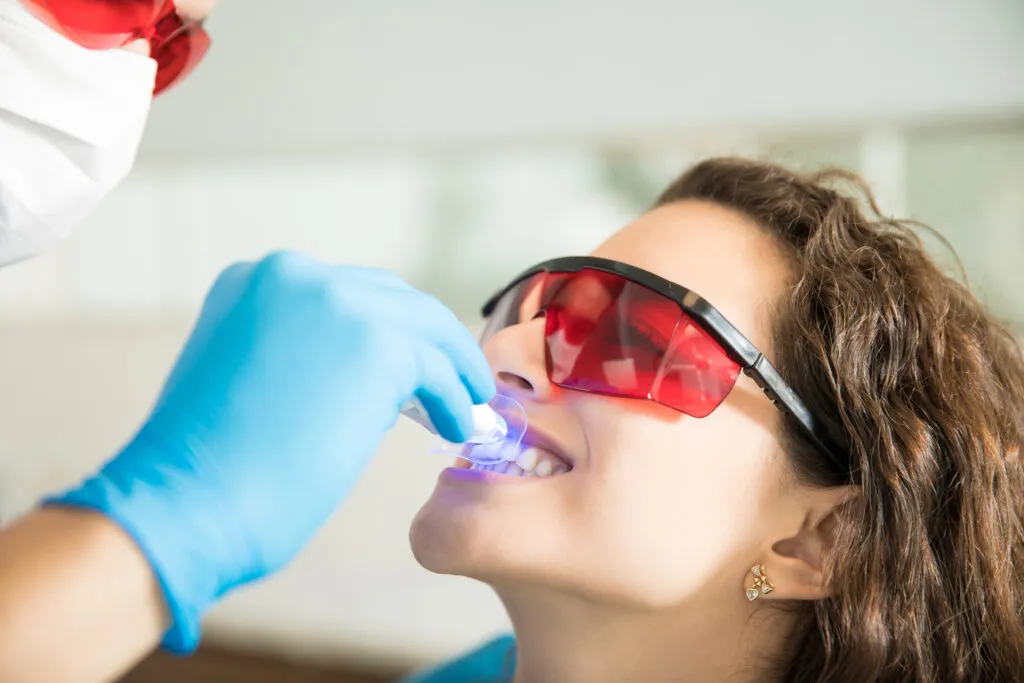
Understanding Gentle Teeth Whitening
Gentle teeth whitening is a cosmetic dental procedure designed to brighten your smile without causing excessive sensitivity or discomfort. Unlike aggressive whitening treatments, gentle methods prioritize the health and well-being of your teeth and gums. This approach is particularly beneficial for individuals with sensitive teeth, enamel erosion, or other oral health concerns. The goal is to achieve a noticeable improvement in tooth shade while minimizing potential side effects. Gentle whitening often involves the use of lower concentrations of active bleaching agents, such as hydrogen peroxide or carbamide peroxide, and may incorporate desensitizing agents to reduce any discomfort. This allows for a more comfortable and sustainable approach to achieving a whiter, brighter smile. Choosing a gentle method ensures a positive experience and helps you maintain a healthy, radiant smile for years to come.
What Makes Teeth Gentle
The gentleness of teeth whitening depends on several factors. One crucial element is the concentration of the active whitening agent. Lower concentrations of hydrogen peroxide or carbamide peroxide are less likely to cause sensitivity. The application method also plays a role. Custom-fitted trays, often used in at-home whitening, help to ensure the whitening agent stays in contact with the teeth while minimizing contact with the gums, reducing irritation. Furthermore, the presence of desensitizing agents, such as potassium nitrate, can help to block the nerve signals that cause sensitivity. The overall process, whether at-home or in-office, should be supervised or at least guided by a dental professional who can assess your oral health and recommend the most appropriate method for your specific needs. This personalized approach ensures that the whitening process is both effective and comfortable, prioritizing the health and well-being of your teeth.
Gentle Teeth Whitening Methods

Several gentle teeth whitening methods are available, catering to various needs and preferences. At-home whitening kits often use custom-fitted trays and lower concentrations of bleaching agents. These trays ensure even distribution of the whitening gel and reduce the risk of gum irritation. Over-the-counter whitening products, such as whitening strips and toothpastes, are also available, but they typically contain lower concentrations of whitening agents and may not be as effective for significant discoloration. For those seeking professional results with added comfort, in-office whitening with desensitizing agents is a viable option. Your dentist can monitor the process and adjust the treatment to minimize sensitivity. Another method that might be used is laser teeth whitening that use specific wave length to activate the whitening. Each method offers its own set of benefits, and the best choice depends on your individual needs, sensitivity levels, and desired results. Always consult with your dentist to determine the most suitable approach for achieving a whiter, brighter smile without compromising your oral health.
Top 7 Gentle Teeth Whitening Tips
Tip 1: Choosing the Right Whitening Products
When selecting whitening products, prioritize those formulated for sensitive teeth. Look for products with lower concentrations of hydrogen peroxide or carbamide peroxide, as these are less likely to cause irritation. Consider using toothpastes that contain potassium nitrate or other desensitizing agents, which help block the nerve signals that cause sensitivity. For at-home whitening kits, opt for custom-fitted trays, as they minimize contact with your gums and promote even distribution of the whitening agent. Always read the product labels carefully and follow the instructions provided. It’s also advisable to consult with your dentist before starting any whitening treatment to ensure that the chosen products are safe and appropriate for your oral health condition. Gentle teeth whitening products enable you to achieve a brighter smile with reduced risk of discomfort, making the process more enjoyable and less daunting.
Tip 2: Consult Your Dentist

Before embarking on any teeth whitening journey, consulting your dentist is essential. Your dentist can assess your oral health, identify any underlying issues, and determine if teeth whitening is suitable for you. They can check for cavities, gum disease, or other conditions that might make whitening inadvisable or cause complications. Your dentist can also recommend the most appropriate whitening method for your specific needs and sensitivity levels. They might suggest a professional in-office whitening treatment or guide you on using at-home products safely and effectively. In addition to providing expert advice, your dentist can offer custom-fitted trays for at-home whitening, ensuring optimal results with minimal discomfort. Regular dental check-ups and professional guidance are crucial for achieving a brighter smile safely and maintaining good oral health. This also includes guidance of aftercare and maintenance to help keep the smile bright.
Tip 3: Proper Brushing and Flossing
Maintaining a consistent oral hygiene routine is fundamental for successful and gentle teeth whitening. Proper brushing and flossing remove surface stains and plaque, allowing the whitening agents to penetrate more effectively. Brush your teeth twice a day for two minutes each time, using a soft-bristled toothbrush and a whitening toothpaste. Make sure to gently brush all surfaces of your teeth, including the front, back, and chewing surfaces. Floss daily to remove food particles and plaque from between your teeth and along the gumline, where your toothbrush cannot reach. Consider using a fluoride mouthwash to help strengthen your enamel and further protect against staining. Regular dental cleanings are also essential for removing stubborn stains and plaque that can’t be removed at home. This combination of brushing, flossing, and professional care is key to achieving and maintaining a bright, healthy smile. Brushing, flossing, and a gentle whitening method work harmoniously together.
Tip 4: Avoiding Staining Foods and Drinks
To maximize the effectiveness of your teeth whitening and maintain your brighter smile, be mindful of foods and drinks that can cause staining. Dark-colored beverages such as coffee, tea, red wine, and cola are notorious for staining teeth. Consider drinking these beverages through a straw to minimize direct contact with your teeth. Similarly, highly pigmented foods like berries, curries, and soy sauce can contribute to staining. Try to limit your intake of these items, especially during and immediately after whitening treatments. If you consume staining foods or drinks, rinse your mouth with water or brush your teeth soon afterward to help prevent stains from setting in. Additionally, avoid smoking and tobacco products, as they are major contributors to tooth discoloration. By being mindful of your diet and lifestyle, you can significantly prolong the results of your gentle teeth whitening and keep your smile looking its best. This helps in maintaining a white smile for longer.
Tip 5: Using Whitening Toothpaste

Whitening toothpaste can be a helpful addition to your gentle teeth whitening routine, but it’s important to use it correctly. These toothpastes typically contain mild abrasives and/or low concentrations of peroxide to help remove surface stains. Choose a whitening toothpaste designed for sensitive teeth to minimize potential irritation. Brush your teeth twice a day for two minutes each time, focusing on thorough cleaning of all tooth surfaces. Be cautious not to over-brush, as excessive force can damage your enamel and increase sensitivity. Using a soft-bristled toothbrush is recommended to further protect your enamel. While whitening toothpastes can help maintain your white smile, they are not as effective as professional treatments for significant discoloration. Therefore, consider them as a supplementary measure in your overall oral hygiene and teeth whitening plan. Combining a gentle approach with the right tools ensures a brighter, healthier smile without causing damage.
Tip 6: Consider Professional Whitening
For those seeking more dramatic results, professional teeth whitening offers a highly effective and controlled approach. Dentists use stronger whitening agents and techniques than those available in over-the-counter products, yielding significant improvements in tooth shade. In-office whitening procedures are performed under the supervision of a dental professional, ensuring safety and minimizing the risk of sensitivity. Dentists can customize the treatment to your specific needs, using desensitizing agents and adjusting the concentration of the whitening agent to provide comfort. Professional whitening often involves the use of light or lasers to accelerate the whitening process, further enhancing results. While professional treatments may be more expensive than at-home methods, they often provide faster and more noticeable results. Consult your dentist to discuss the best professional teeth whitening option for you, considering your desired level of whitening, sensitivity, and overall oral health. This combined approach will achieve the best results.
Tip 7: Maintain a Consistent Oral Hygiene Routine
Maintaining a consistent oral hygiene routine is essential for protecting your teeth and extending the results of gentle teeth whitening. Brush your teeth twice daily with a fluoride toothpaste and floss at least once a day to remove plaque and food particles. Regular dental check-ups and professional cleanings are also vital. These check-ups allow your dentist to monitor your oral health, address any potential issues early, and provide professional cleaning to remove stains and plaque that you may miss at home. Consider using a fluoride mouthwash to strengthen your enamel and protect against cavities. Additionally, make sure to rinse your mouth with water after eating or drinking, especially after consuming staining foods or beverages. Regular cleaning by a professional is also a good idea. By making these practices part of your daily routine, you can help maintain your brighter, healthier smile for years to come. This should be done regularly for a longer time.
Aftercare and Maintenance for Gentle Teeth Whitening

Potential Side Effects and Solutions
Even gentle teeth whitening can sometimes lead to temporary side effects. The most common is tooth sensitivity, which typically subsides within a few days after treatment. Using a desensitizing toothpaste containing potassium nitrate can help reduce sensitivity. Another potential side effect is gum irritation. This is usually caused by the whitening agent coming into contact with the gums. To avoid this, ensure that custom-fitted trays fit properly, and apply the whitening agent carefully. Avoid over-whitening, as it can increase sensitivity and irritation. If you experience any persistent or severe side effects, consult your dentist immediately. They can provide guidance and adjust your treatment plan as needed. Understanding and managing potential side effects is crucial for a positive and comfortable teeth whitening experience. Your dentist is there to guide you through any potential issues.
Maintaining Your White Smile Long-Term
Maintaining your white smile long-term requires consistent effort and adherence to a few key practices. Continue practicing good oral hygiene, including brushing twice daily, flossing daily, and attending regular dental check-ups and cleanings. Avoid or limit the consumption of staining foods and drinks, such as coffee, tea, red wine, and berries. If you do consume these items, rinse your mouth with water or brush your teeth soon afterward. Consider using a whitening toothpaste or a touch-up treatment as directed by your dentist. Avoid smoking and tobacco products, as they can severely stain your teeth. Following these practices will help you preserve your bright, beautiful smile and prevent discoloration over time. Regular maintenance and a proactive approach are essential for enjoying the benefits of gentle teeth whitening for years to come. This way, you can maintain a healthy, white smile forever.