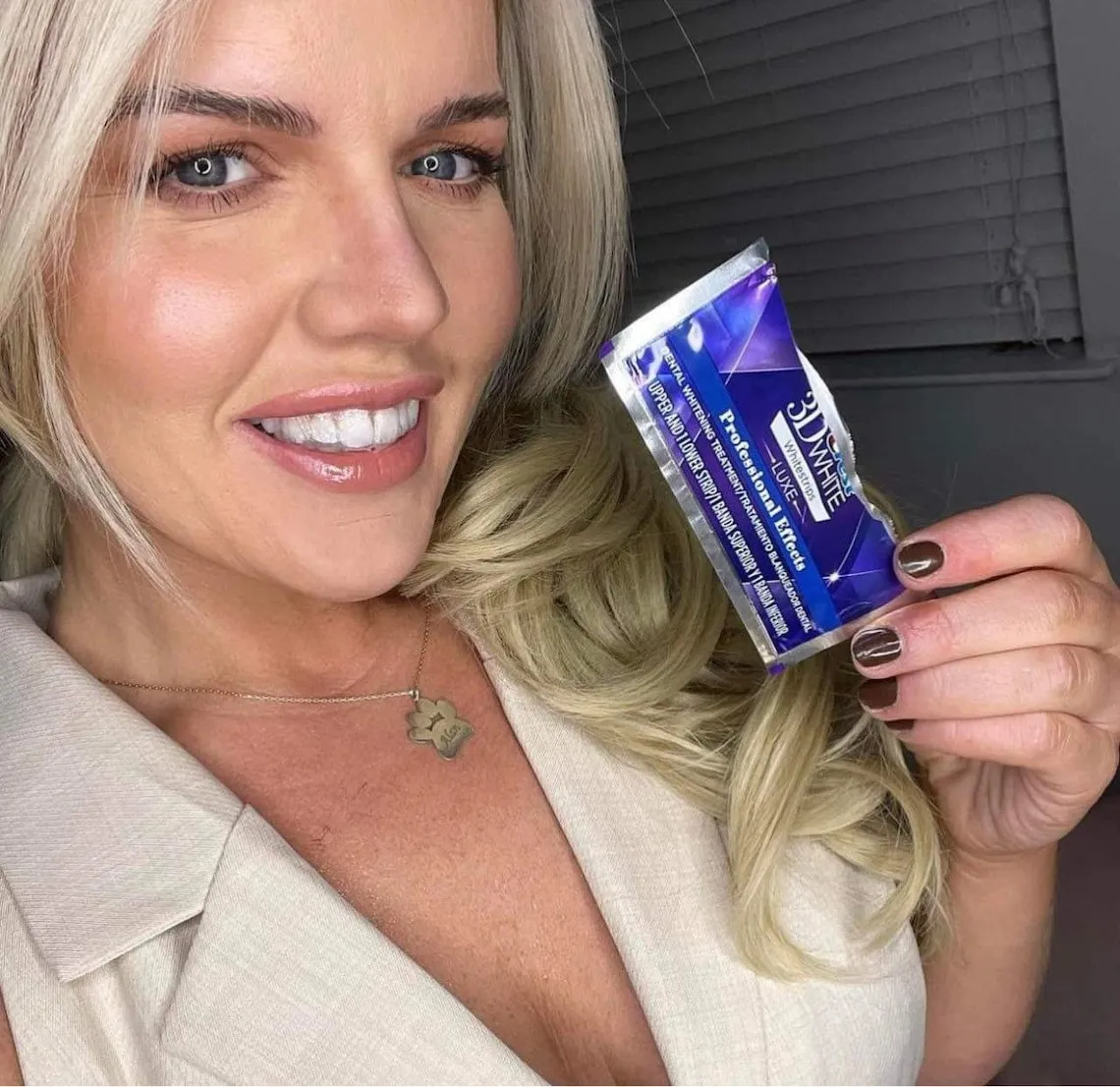
Understanding Crest Whitening Strips
Crest Whitening Strips have become a popular and convenient method for achieving a brighter, whiter smile at home. They are designed to be an easy-to-use and effective way to remove surface stains and discoloration caused by things like coffee, tea, wine, and aging. These strips contain a whitening agent, typically hydrogen peroxide, which penetrates the enamel to lift away stains. Understanding how these strips work and what they’re designed to do is the first step toward successfully incorporating them into your oral care routine. The convenience and relatively low cost make them a strong contender against professional whitening treatments, but it’s important to use them correctly for best results.
How Crest Whitening Strips Work
Crest Whitening Strips work through a simple yet effective mechanism. The active ingredient, usually hydrogen peroxide, is coated onto a thin, flexible strip. When the strip is applied to your teeth, the hydrogen peroxide comes into contact with the enamel. The peroxide breaks down into oxygen molecules, which then react with the stain molecules embedded in the enamel. This chemical reaction oxidizes the stain molecules, breaking them apart and making them less visible, thereby whitening your teeth. The concentration of hydrogen peroxide varies between different Crest strip products, influencing the speed and intensity of the whitening process. The strips adhere to the teeth and ensure the whitening agent stays in contact with the surface for the recommended time, maximizing its effectiveness.
Types of Crest Whitening Strips Available

Crest offers a variety of whitening strip products, each with unique features to cater to different needs and preferences. The range often includes strips with varying strengths of hydrogen peroxide, affecting the whitening power and treatment duration. Some products are designed for sensitive teeth, incorporating a lower concentration of the whitening agent to minimize potential discomfort. Others focus on faster results, featuring a higher concentration or enhanced adhesion technology. There are also specialized strips targeting specific areas of the mouth, like the back teeth. Exploring the different types ensures that you choose the most suitable product for your oral health and whitening goals. Always read the labels carefully, noting the recommended usage and any warnings or precautions before beginning your whitening treatment. The packaging usually provides detailed information regarding the expected results and potential side effects.
Preparing for Crest Whitening Strips Application
Proper preparation is key to ensuring a successful and comfortable Crest Whitening Strips application. Preparing your teeth and your workspace can greatly improve the overall experience and maximize the effectiveness of the strips. It is critical to be organized, taking a few preliminary steps will contribute significantly to a smoother, more effective whitening process, and help you achieve the desired results with minimal hassle. Taking a little time to prepare can make a big difference.
Gathering Your Supplies
Before you start, gather all the necessary supplies to make the application process seamless. This includes the Crest Whitening Strips themselves, a mirror for clear visibility, and a timer or a clock to keep track of the application duration. Having these items readily available will help you stay organized and ensure you can follow the instructions without interruption. Consider having a damp cloth or tissue on hand to wipe your hands after applying the strips. Make sure you are in a well-lit area where you can clearly see your teeth and the placement of the strips. Also, make sure your hands are clean and dry before handling the strips, as moisture can affect their adherence.
Brushing Your Teeth Before Application

Brushing your teeth before applying Crest Whitening Strips is a crucial step in preparing your teeth for the treatment. While some instructions may vary, it’s generally recommended to brush your teeth gently, removing any plaque or food particles that could act as a barrier to the whitening agent. However, make sure you brush your teeth at least 30 minutes before applying the strips, and some guidelines suggest brushing at least an hour before. This will give your enamel time to re-harden, which may reduce sensitivity. Use a soft-bristled toothbrush and a non-whitening toothpaste to avoid any potential irritation. Avoid using a whitening toothpaste immediately before application, as it may contain ingredients that could interfere with the effectiveness of the Crest strips.
Step-by-Step Guide to Applying Crest Whitening Strips
Applying Crest Whitening Strips correctly is essential for achieving the best whitening results. Following a step-by-step guide ensures that you place the strips properly and maximize their effectiveness. Each phase of the application process, from peeling the strips to ensuring proper contact with your teeth, plays a critical role in the overall outcome. Careful adherence to these steps can help you whiten your teeth safely and effectively. Taking your time and paying attention to detail will set you up for success.
Peeling the Strip from the Backing
Carefully peel the Crest Whitening Strip from its protective backing. It’s important to handle the strips with clean, dry hands, as any moisture can reduce their adhesion. Identify which side of the strip contains the whitening gel – this is the side that will be applied to your teeth. The backing is usually a clear plastic or film designed to protect the whitening agent. Gently peel the strip from the backing, taking care not to tear or damage it. If the strip is difficult to peel, try gently bending it slightly to loosen the backing. Ensure the strip remains intact and ready for application.
Applying the Strip to Your Upper Teeth

Apply the longer strip to your upper teeth. Looking in a mirror, align the strip with your gumline, pressing it gently onto the front of your teeth. Use your fingers to ensure the strip adheres to the surface of your teeth, curving it around the edges for full coverage. If the strip is too long, you can fold the excess over the back of your teeth to keep it in place. Make sure the strip is not overlapping your gums excessively, as this can lead to irritation. Ensure that the strip covers the visible portion of your teeth for optimal whitening.
Applying the Strip to Your Lower Teeth
Apply the shorter strip to your lower teeth. Repeat the process used for the upper teeth. Align the strip with your lower gumline and gently press it onto the front surfaces of your teeth. Use your fingers to mold the strip to the contours of your teeth, ensuring good contact. If the strip extends beyond your teeth, fold the excess over the back of your lower teeth. Make sure the strip is fully adhering to your teeth without overlapping the gums. Proper alignment and adherence are essential to ensure the whitening gel effectively contacts your teeth.
Ensuring Proper Contact with Teeth
To maximize the effectiveness of Crest Whitening Strips, it is crucial to ensure that the strips make proper contact with your teeth. After applying the strips, use your fingers to gently press them against your teeth, paying attention to the edges and contours. Make sure the entire surface of your teeth is in contact with the whitening gel. Removing any air bubbles or gaps between the strips and your teeth can enhance the whitening process. Ensuring good contact is vital for consistent and effective whitening results. If the strips are not adhering well or are coming loose, gently reposition them to ensure that they stay in place throughout the recommended treatment time.
Tips for a Comfortable Application

For a more comfortable application experience, consider these tips. Apply the strips in a relaxed environment where you won’t be disturbed. Avoid touching your teeth with your tongue during application to prevent the strips from moving or losing contact. If you experience any discomfort, such as sensitivity, try using the strips for a shorter time or taking a break between treatments. You can also consult with your dentist for recommendations on managing sensitivity. Make sure your teeth are dry, as moisture can reduce adhesion. Some people find it helpful to apply the strips while watching TV or reading a book to pass the time. Remember, consistency and proper application are key.
Timing and Duration
Adhering to the correct timing and duration is critical for achieving optimal whitening results with Crest Whitening Strips. The length of time you leave the strips on and the frequency of use are crucial factors. Following the recommended guidelines ensures you get the best results while minimizing the risk of potential side effects. The specific instructions can vary depending on the product you are using, so always refer to the packaging for the most accurate information. Be mindful and consistent with your application schedule.
Following the Recommended Time
The recommended time for wearing Crest Whitening Strips typically ranges from 30 minutes to an hour, although this can vary depending on the product strength. It’s important to follow the instructions on the packaging precisely. Leaving the strips on longer than recommended won’t necessarily whiten your teeth faster and could increase the risk of sensitivity or other side effects. Use a timer or a clock to accurately track the time. Consistent adherence to the recommended duration is key to achieving the best results safely. Regularly check the product instructions, and avoid the temptation to exceed the recommended wear time. If you are unsure, consult your dentist or a dental professional.
What to Do While the Strips are on

While wearing Crest Whitening Strips, it is important to avoid certain activities that could compromise the whitening process or your comfort. Avoid eating, drinking (except water), or smoking while the strips are in place. These actions can interfere with the whitening gel’s effectiveness and potentially stain your teeth. It is also advisable to avoid talking excessively, as it can cause the strips to shift or lose contact with your teeth. Many users find it helpful to relax or engage in quiet activities, such as reading or watching television, during this time. Try to maintain a relaxed posture and avoid any actions that might cause discomfort or disrupt the application process.
Removing the Strips and Rinsing
Proper removal of the strips and rinsing your mouth are essential final steps in the Crest Whitening Strips application process. Taking these steps carefully helps ensure that any remaining whitening agent is removed, and it can also contribute to your comfort and overall oral hygiene. Following these steps as instructed helps to complete the whitening process safely and effectively. This phase is just as important as the initial application.
Gently Peeling Off the Strips
After the recommended time, gently peel off the Crest Whitening Strips from your teeth. Start by lifting an edge of the strip and slowly pulling it away from the tooth surface. Avoid pulling the strip forcefully, as this could cause discomfort or potentially damage your gums. Take your time and carefully remove each strip, ensuring that you remove all of the gel and strip material from your teeth. If any residue remains on your teeth, you can gently brush or wipe it away with a soft toothbrush or a clean cloth. Ensure all the strip material has been removed to avoid irritation or an unpleasant taste. Proper removal ensures that you avoid any unnecessary irritation.
Rinsing Your Mouth After Use

After removing the Crest Whitening Strips, rinse your mouth thoroughly with water. This helps to remove any remaining whitening gel or residue from your teeth and gums. Swish the water around your mouth for several seconds and then spit it out. Avoid swallowing the water. Rinsing is a simple yet essential step in completing the whitening treatment, as it helps to prevent any potential irritation or discomfort. If you feel any sensitivity, rinsing with cool water can provide additional relief. Always follow up with a regular oral hygiene routine, including brushing and flossing, after the whitening treatment, following the guidelines provided on the packaging.
Post-Application Care and Maintenance
Following proper post-application care and maintenance is crucial to maximize and maintain the results of your Crest Whitening Strips treatment. This includes making conscious choices about what you eat and drink and implementing good oral hygiene practices. These steps help protect your newly whitened smile from staining and ensure that you enjoy the benefits of your teeth whitening efforts for an extended period. Maintaining a white smile is an ongoing process that requires consistent care and attention.
Avoiding Staining Foods and Drinks
To maintain your newly whitened smile, it’s important to avoid or limit the consumption of foods and drinks that can stain your teeth. These include coffee, tea, red wine, dark sodas, and highly pigmented foods like berries, soy sauce, and curries. If you do consume these items, rinse your mouth with water or brush your teeth soon afterward to minimize staining. Using a straw for beverages like coffee or soda can also help to reduce the contact between these staining agents and your teeth. Making mindful choices about your diet can significantly impact how long your white smile lasts. Be diligent about your diet for the best results.
Maintaining Your White Smile
Maintaining your white smile involves a combination of good oral hygiene practices and regular touch-up treatments. Brush your teeth twice a day with a non-whitening toothpaste and floss daily to remove plaque and food particles. Consider using a whitening toothpaste a few times a week to help maintain brightness. Schedule regular dental checkups and cleanings to keep your teeth healthy and remove any surface stains. You may also use Crest Whitening Strips periodically for touch-ups, following the instructions on the product packaging. Consistency in your oral care routine is key to enjoying your brighter smile for the long term. By maintaining the results, you can continue to feel confident about your smile.
Potential Side Effects and Solutions
While Crest Whitening Strips are generally safe, it’s important to be aware of potential side effects and how to manage them. Common side effects include tooth sensitivity and gum irritation, but most are temporary. Understanding these potential issues and knowing how to address them can help you use whitening strips safely and comfortably. Taking precautions and knowing what to do if problems arise is important. If you do experience any unusual or persistent symptoms, consult with your dentist or a dental professional.
Sensitivity and How to Manage It
Tooth sensitivity is a common side effect of using Crest Whitening Strips. This sensitivity can range from mild discomfort to a sharp, temporary pain. There are several ways to manage sensitivity. Using a toothpaste designed for sensitive teeth, which contains ingredients like potassium nitrate, can help to desensitize your teeth. Applying the strips for a shorter duration or using them less frequently can also reduce sensitivity. Avoid overly hot or cold foods and drinks during treatment, as these can exacerbate sensitivity. If the sensitivity is severe, consider taking a break from the whitening strips and consulting your dentist for advice. They may recommend a desensitizing treatment or alternative whitening options.
Other Possible Side Effects
In addition to sensitivity, other potential side effects of Crest Whitening Strips include gum irritation and white spots on the teeth. Gum irritation may appear as redness or soreness around the gumline. This can be minimized by ensuring that the strips do not overlap the gums and by avoiding excessive contact with the soft tissues. White spots on the teeth, which are typically temporary, can occur due to dehydration of the enamel. These spots usually disappear once your teeth rehydrate. If you experience any persistent or concerning side effects, discontinue use and consult your dentist or dental professional for advice. They can assess your situation and recommend appropriate solutions.
In conclusion, applying Crest Whitening Strips like a pro is a straightforward process when following the steps outlined in this guide. From understanding the product and preparing your teeth to proper application, timing, and post-treatment care, each step contributes to achieving a brighter, whiter smile. Always prioritize your oral health and consult with your dentist if you have any concerns or questions. By using Crest Whitening Strips correctly, you can effectively enhance your smile and boost your confidence. Embrace the journey to a brighter, more radiant smile, and enjoy the transformative power of teeth whitening.