
In the quest for radiant and even-toned skin, the beauty world often turns to natural remedies. Among these, the gram flour skin whitening mask stands out as a time-tested, affordable, and effective solution. This guide will walk you through everything you need to know about making and using these masks, harnessing the power of gram flour (also known as besan) to achieve a brighter complexion. Whether you’re looking to reduce dark spots, even out skin tone, or simply achieve a healthy glow, a gram flour mask can be a valuable addition to your skincare routine.
What is Gram Flour and Its Benefits?
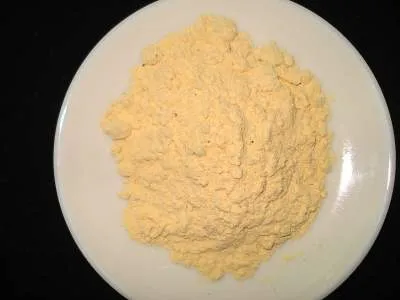
Gram flour, or besan, is a finely ground flour made from chickpeas. It has been a staple in Indian cuisine and skincare for centuries. Its popularity stems from its rich nutritional profile and versatile properties. Gram flour is more than just a culinary ingredient; it is a powerhouse for skin health, making it an ideal ingredient for a skin whitening mask. Its natural exfoliating and cleansing properties make it a go-to ingredient for various skin treatments.
Gram Flour (Besan) Explained
The process of making gram flour involves grinding dried chickpeas into a fine powder. The quality of the flour can vary depending on the type of chickpeas used and the fineness of the grinding process. For skincare purposes, a finely ground gram flour is preferable as it is gentler on the skin and blends more easily with other ingredients. This fine texture ensures better absorption and efficacy of the mask. Always opt for high-quality, fresh gram flour to maximize its benefits.
Nutritional Profile of Gram Flour

Gram flour is packed with essential nutrients, including proteins, vitamins, and minerals. It contains zinc, which helps in controlling acne, and iron, crucial for skin health. The presence of antioxidants combats free radicals, which can damage skin cells and lead to premature aging. It’s also a good source of fiber, which can contribute to overall health and indirectly benefit the skin. This rich nutritional profile is what makes gram flour such a valuable ingredient in skincare.
Benefits of Gram Flour for Skin
Gram flour offers a multitude of benefits for the skin. It effectively exfoliates, removing dead skin cells and promoting cell renewal. This exfoliating action brightens the complexion and reduces the appearance of dark spots and blemishes. Its absorbent properties help control excess oil, making it beneficial for those with oily skin. Additionally, gram flour has anti-inflammatory properties, which can soothe irritated skin and reduce redness. Regular use of gram flour masks can lead to clearer, brighter, and healthier-looking skin.
The Science Behind Skin Whitening
Skin whitening, or lightening, involves reducing the production of melanin, the pigment responsible for skin color. Several factors contribute to skin darkening, including sun exposure, hormonal changes, and inflammation. Gram flour’s effectiveness in skin whitening is attributed to its ability to exfoliate and remove the top layer of dead skin cells containing excess melanin. Some of the ingredients combined with the gram flour may also contain compounds that inhibit melanin production. It’s important to note that the results vary depending on skin type, the severity of pigmentation, and the consistency of use.
How Gram Flour Masks Work

Gram flour masks work through a combination of physical and chemical actions. Physically, the fine particles of gram flour gently exfoliate the skin, removing dead cells and revealing a brighter complexion. Chemically, the ingredients mixed with gram flour contribute to the overall effects, such as the addition of lemon juice or yogurt that contains natural acids. The key is the regular application and use of compatible ingredients to help the process. By combining these effects, gram flour masks can gradually lighten the skin, reduce blemishes, and improve overall skin tone.
Ingredients You’ll Need
The beauty of gram flour masks lies in their simplicity and the availability of ingredients. The basic recipe includes gram flour, water, and sometimes milk or yogurt. You can customize the mask by adding other ingredients, such as lemon juice, turmeric powder, honey, or rose water, depending on your skin type and specific needs. Each additional ingredient contributes its benefits, enhancing the overall effectiveness of the mask. Make sure all of your ingredients are fresh and suitable for your skin. The selection of ingredients depends on your goal and skin type.
Essential Supplies
Before you start, gather the necessary supplies. You’ll need a mixing bowl, a spoon or spatula for mixing, and a clean cloth or brush for application. A small measuring cup or spoon can help you measure the ingredients accurately. Make sure all your tools are clean to prevent contamination. Preparing your workspace beforehand will make the process smoother and more enjoyable. You can also use a small container to store any leftover mixture, though it’s best to use fresh masks each time for maximum benefits.
Step-by-Step Guide to Making a Gram Flour Mask

Making a gram flour mask is straightforward. In a clean bowl, measure the gram flour according to your recipe. Add the liquid ingredients, such as water, milk, or yogurt, gradually. The key is to achieve a smooth, paste-like consistency. Add any other ingredients, such as honey or turmeric, and mix well. Ensure that there are no lumps and the mask is easy to apply. Adjust the ingredients as needed to achieve the desired consistency. The proper consistency ensures the mask applies evenly and adheres well to your skin.
Mixing the Gram Flour Paste
The consistency of the gram flour paste is crucial for its effectiveness. The paste should be thick enough to stay on your face without dripping, but not so thick that it’s difficult to apply. Start by adding small amounts of liquid at a time, mixing thoroughly after each addition. Ensure that all the gram flour is incorporated and there are no dry patches. A well-mixed paste ensures even application and optimal benefits. Proper mixing also helps in preventing the mask from drying out too quickly on your face.
Applying the Mask Correctly
Before applying the mask, cleanse your face thoroughly to remove any makeup, dirt, or oil. You can apply the mask using a clean cloth, brush, or your fingertips. Apply an even layer over your face, avoiding the eye and lip areas. For areas with more pigmentation or dark spots, you can apply a slightly thicker layer. Be careful not to get the mask in your eyes. The even application ensures that all parts of your skin receive the same treatment. Try to apply the mask with gentle strokes to avoid irritating the skin.
Waiting Time and Removal

Allow the mask to dry completely on your face, which usually takes about 15-20 minutes, depending on the ingredients and environmental conditions. You’ll know it’s ready when the mask feels tight and dry to the touch. Gently rinse off the mask with lukewarm water, using circular motions to exfoliate the skin. Pat your face dry with a soft towel. Avoid harsh rubbing. After removing the mask, apply a moisturizer to keep your skin hydrated. Moisturizing helps to replenish the natural oils in your skin and maintain a healthy glow.
Customizing Your Gram Flour Mask
One of the best things about gram flour masks is their versatility. You can customize the mask based on your skin type and specific needs. For instance, if you have dry skin, adding honey or milk can help moisturize. Oily skin can benefit from lemon juice or rose water. Experimenting with different ingredients allows you to tailor the mask to your unique skin requirements. This customization ensures you get the best results possible, maximizing the benefits of the mask.
Adding Other Ingredients
Incorporating other ingredients into your gram flour mask can enhance its effectiveness. Here are some examples: Lemon juice is a natural bleaching agent but should be used in moderation as it can be harsh. Turmeric has anti-inflammatory and antioxidant properties. Honey is a natural humectant and moisturizer. Yogurt contains lactic acid, which gently exfoliates the skin. Rose water can soothe and hydrate the skin. Always test a small area of your skin before applying a mask with new ingredients to check for any adverse reactions. This will help prevent any possible irritation or allergic reactions.
For Dry Skin
If you have dry skin, it’s essential to add moisturizing ingredients to your gram flour mask. Milk or yogurt can help hydrate the skin. Honey also acts as a humectant, drawing moisture to the skin. A few drops of almond or olive oil can add extra nourishment. Avoid using ingredients that can dry the skin further, such as lemon juice. Apply a thick layer of the mask and keep it on for a shorter time to prevent excessive dryness. Following these suggestions will help you achieve a hydrated and glowing complexion. (Image: gram-flour-mask-dry-skin.webp)
For Oily Skin
For oily skin, ingredients that control oil production are beneficial. Lemon juice can help reduce excess oil, but use it sparingly to avoid irritation. Rose water can soothe the skin and help balance oil production. Turmeric can reduce inflammation and control acne. Apply the mask regularly but be careful not to over-exfoliate. After removing the mask, apply a light, oil-free moisturizer. This is essential for maintaining a healthy balance and preventing the skin from producing excess oil. (Image: gram-flour-mask-oily-skin.webp)
For Sensitive Skin
If you have sensitive skin, choose gentle ingredients. Avoid lemon juice and other potentially irritating ingredients. Use milk or yogurt for hydration and soothing effects. Rose water can help calm the skin. Perform a patch test before applying the mask to your entire face. Keep the mask on for a shorter time, and monitor your skin for any signs of irritation. Selecting the correct ingredients for your skin type is essential. (Image: gram-flour-mask-sensitive-skin.webp)
Tips for Best Results

To maximize the benefits of your gram flour skin whitening mask, follow these tips. Always use fresh ingredients and clean tools. Apply the mask evenly and avoid the eye and lip areas. Be consistent with your use and adjust the frequency according to your skin type and needs. Follow a consistent skincare routine to support the effects of the mask. These practices will enhance the effectiveness of the mask and give you better results. Regular use and proper technique will contribute to achieving the best results.
Consistency is Key
Consistency is crucial for seeing results. Apply the gram flour mask regularly, but avoid overdoing it. Start with a few times a week and adjust the frequency based on your skin’s response. Be patient, as it may take several weeks to see visible improvements. Combining the mask with a good skincare routine will help enhance the results. Regular and persistent use ensures long-lasting benefits. Staying consistent allows your skin to adapt and fully benefit from the treatment.
Frequency of Use
The frequency of using gram flour masks depends on your skin type. For oily and normal skin, you can use the mask two to three times a week. If you have dry or sensitive skin, start with once a week to avoid irritation. Monitor your skin’s reaction and adjust the frequency accordingly. If you experience any redness, dryness, or irritation, reduce the frequency. The frequency will depend on the skin’s tolerance. Listening to your skin’s needs will help prevent over-exfoliation.
Potential Risks and Side Effects
While gram flour masks are generally safe, there are potential risks and side effects to be aware of. Always perform a patch test before applying the mask to your entire face to check for any allergic reactions. Overuse of the mask can lead to dryness or irritation. Be mindful of your skin’s response and adjust your routine accordingly. Being aware of the potential risks helps you to implement the mask effectively. This can allow you to enjoy its advantages while minimizing any adverse effects.
Allergic Reactions
Although rare, some individuals may be allergic to gram flour or other ingredients in the mask. Symptoms of an allergic reaction include redness, itching, swelling, or hives. If you experience any of these symptoms, discontinue use immediately and consult a dermatologist. Always patch-test new ingredients before using them on your face. Quick action is necessary to deal with these reactions. Awareness and diligence will help prevent unnecessary discomfort.
Over-Whitening Concerns
Excessive use of skin whitening masks can potentially lead to over-whitening, resulting in an uneven skin tone. The key is moderation and monitoring. If you notice that your skin is becoming excessively light, reduce the frequency of the mask application. It’s essential to maintain a balanced approach and not aim for an extreme change in skin tone. Be patient and focus on achieving a healthy, radiant complexion rather than drastic results. This will allow you to enjoy the benefits of the masks.
Alternatives to Gram Flour Masks
If gram flour masks are not suitable for your skin, or if you’re looking for additional options, there are other natural skin whitening remedies to consider. Explore different ingredients and mask recipes. Research these ingredients and treatments before introducing them into your skincare routine. It is a good idea to consult with a dermatologist to better assess your skin and what it needs. Consulting with a professional will ensure your selected skincare matches your unique needs and goals.
Other Natural Skin Whitening Remedies
Other natural remedies include using ingredients like turmeric, sandalwood powder, and lemon juice. Turmeric has antioxidant and anti-inflammatory properties. Sandalwood powder can soothe and brighten the skin. Lemon juice contains natural bleaching agents, though use it cautiously. Always test these ingredients on a small area of skin before using them on your entire face. Natural remedies offer a range of skin-enhancing benefits. Finding what works for you may take some experimentation. Finding the correct solution might also benefit from a consultation with a skincare expert.
In conclusion, the gram flour skin whitening mask is a simple yet powerful tool for achieving a brighter, more even skin tone. By understanding the benefits of gram flour, following the step-by-step guide, and customizing the mask to suit your skin type, you can harness the natural power of this ingredient. Remember to be consistent, patient, and mindful of your skin’s response. With regular use and proper care, you can enjoy the benefits of a radiant and healthy complexion. This will improve the quality of your skin and your overall self-esteem.