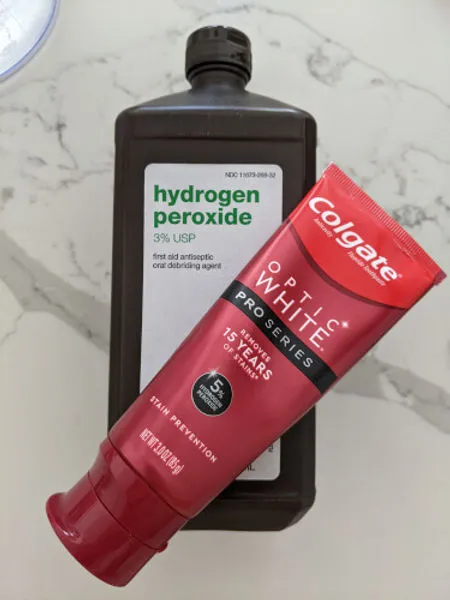
Achieving a brighter smile is a common goal, and hydrogen peroxide has emerged as a popular teeth-whitening agent. However, it’s crucial to approach this method with caution and a thorough understanding of its safety aspects. This guide will delve into how hydrogen peroxide works, the potential risks involved, and how to safely use it for teeth whitening, ensuring you can brighten your smile without compromising your oral health.
Understanding Hydrogen Peroxide and Teeth Whitening
Hydrogen peroxide is a chemical compound with oxidizing properties, meaning it can break down other molecules. In the context of teeth whitening, it works by penetrating the enamel and dentin, where it reacts with the discolored molecules, breaking them apart and making the teeth appear whiter. The effectiveness of hydrogen peroxide depends on its concentration and the duration of its contact with the teeth. While effective, it’s essential to use it correctly to avoid potential harm. Before you proceed, it is important to understand the basics of using this ingredient to safely improve your teeth color.
What is Hydrogen Peroxide?
Hydrogen peroxide (H2O2) is a chemical compound composed of hydrogen and oxygen. It is a colorless liquid and is a mild antiseptic agent. It is used in various industries and applications, including bleaching, cleaning, and disinfecting. In dentistry, hydrogen peroxide serves as a powerful bleaching agent, able to lighten the color of teeth by oxidizing stains. Its effectiveness comes from its ability to penetrate the enamel and break down the stain molecules that have caused discoloration.
How Hydrogen Peroxide Works on Teeth

Hydrogen peroxide works by entering the pores of the enamel and breaking down stain molecules, leading to a brighter appearance. The process involves oxidation, where the hydrogen peroxide molecules react with the staining compounds, causing them to become colorless. The strength of hydrogen peroxide, the contact duration, and the frequency of application influence the effectiveness of this teeth whitening method. The higher the concentration, the faster the process, but also the higher the risk of side effects. Understanding the mechanism helps you approach it cautiously, ensuring safety.
Potential Risks of Hydrogen Peroxide Teeth Whitening
While hydrogen peroxide can effectively whiten teeth, it’s important to be aware of the potential risks involved. These risks primarily stem from the oxidizing nature of hydrogen peroxide. These risks can be mitigated by following safety guidelines and consulting with a dental professional. Overuse or misuse can lead to unpleasant experiences, including sensitivity, irritation, and in extreme cases, enamel damage. Knowing these risks is crucial before starting any teeth whitening regimen.
Tooth Sensitivity
Tooth sensitivity is a common side effect of using hydrogen peroxide for teeth whitening. The whitening agent can penetrate the enamel and reach the dentin, where the nerve endings are located. This can cause temporary discomfort or sensitivity to hot or cold foods and beverages. This sensitivity usually subsides once the treatment is stopped or reduced. Using lower concentrations of hydrogen peroxide and shorter application times can help minimize this issue. If sensitivity persists, consult your dentist.
Gum Irritation

Gum irritation, another potential risk, occurs when the hydrogen peroxide solution comes into contact with the soft tissues of the gums. This can lead to inflammation, redness, and soreness. This irritation is more likely with higher concentrations or prolonged contact. Proper application techniques are essential to avoid this. When using hydrogen peroxide, ensure the solution stays on the teeth and avoids contact with the gums. Using a tray designed for teeth whitening can help with the application.
Enamel Erosion
Enamel erosion is a more serious risk, as it involves the weakening of the tooth’s protective outer layer. Overuse or the use of high concentrations of hydrogen peroxide can gradually erode the enamel, making teeth more susceptible to decay and sensitivity. It’s essential to follow the recommended guidelines and consult with a dental professional to prevent this from occurring. Monitor the condition of your teeth and stop the treatment if you notice any changes in the enamel’s surface or an increase in sensitivity.
Safe Concentrations for Hydrogen Peroxide
The concentration of hydrogen peroxide used for teeth whitening is a critical factor in determining its safety. Higher concentrations whiten teeth more quickly, but also increase the risk of side effects. Knowing the recommended concentrations is crucial for a safe and effective teeth whitening experience. Always follow the guidelines provided by your dentist or the product manufacturer to minimize risks and achieve desired results.
The Importance of Concentration

The concentration of hydrogen peroxide directly affects its effectiveness and the potential for side effects. Concentrations for home use are typically much lower than those used in professional dental settings. Higher concentrations whiten teeth more quickly but also increase the risk of sensitivity, gum irritation, and enamel erosion. Always use the concentration recommended for the specific product and follow the application guidelines. It is also important to consider that a lower concentration used consistently may be more effective and safer than higher concentration treatments used infrequently.
Recommended Concentrations for Home Use
For home use, hydrogen peroxide concentrations typically range from 3% to 10%. Over-the-counter whitening products often contain lower concentrations to minimize risks. Always read the product label and follow the instructions carefully. If you’re using a higher concentration, consult your dentist for guidance on safe usage and application techniques. Professional dental whitening can use much higher concentrations of hydrogen peroxide, usually up to 40%, but it’s administered under controlled conditions to minimize risks and potential damage to the teeth and gums.
How to Safely Use Hydrogen Peroxide for Whitening
Safe usage of hydrogen peroxide involves several key steps to minimize risks and achieve the desired whitening effect. Proper application techniques, consulting with your dentist, and monitoring for side effects are essential for a positive experience. By following these guidelines, you can safely whiten your teeth at home, ensuring your oral health remains intact.
Consulting with Your Dentist

Before starting any teeth-whitening treatment, it is advisable to consult with your dentist. A dentist can assess the condition of your teeth and gums and advise on the suitability of hydrogen peroxide whitening. They can also recommend the appropriate concentration and application methods. If you have existing dental work, like fillings or crowns, your dentist can discuss the impact of the whitening treatment on those elements. Regular dental checkups are crucial to identify and address any potential oral health issues.
Proper Application Techniques
Proper application is crucial to ensure the safety and effectiveness of hydrogen peroxide teeth whitening. Follow these steps carefully. Brush your teeth thoroughly before applying any whitening solution. Use a tray or strips designed for teeth whitening, as these can help to keep the solution on the teeth and away from the gums. Avoid swallowing the solution and rinse your mouth thoroughly after the treatment. Follow the instructions on the product packaging and avoid over-application, which can lead to sensitivity and other side effects. The most efficient method is to use custom-fitted trays as they provide precise application and minimize gum contact.
Avoiding Swallowing the Solution
Swallowing hydrogen peroxide can cause stomach upset and other health issues. Always avoid swallowing the whitening solution. Use a tray or strips to keep the solution in contact with the teeth and away from the mouth’s soft tissues. If you accidentally swallow some, rinse your mouth thoroughly with water and consult your doctor if you experience any adverse effects. When applying the solution, be careful, and make sure you are in a comfortable position where you can handle the application with ease. The use of a small amount of solution is advisable to prevent spillage.
Monitoring for Side Effects

It’s essential to monitor for any side effects during and after the teeth-whitening treatment. If you experience tooth sensitivity, gum irritation, or other issues, stop the treatment immediately and consult your dentist. Keep track of your oral health and any changes you observe. Regular checkups can help to catch problems early. If you notice changes in your enamel, increase sensitivity, or experience persistent discomfort, it’s vital to seek professional dental advice. Early detection can prevent potential problems.
Alternative Teeth Whitening Options
If you’re concerned about the risks of hydrogen peroxide teeth whitening, there are alternative options available. These alternatives offer different approaches to whitening teeth, each with its own advantages and disadvantages. Understanding these options can help you make an informed decision based on your needs and preferences.
Professional Teeth Whitening
Professional teeth whitening, performed by a dentist, is generally the most effective and safest option. Dentists use higher concentrations of hydrogen peroxide under controlled conditions. This ensures that the process is effective while minimizing the risks of side effects. The dentist can also assess the condition of your teeth and gums and recommend the best treatment. This process provides professional-grade results with the expertise of a dental professional, guaranteeing both safety and effectiveness. This method often combines in-office treatments with take-home kits for optimal results.
Over the Counter Whitening Products

Over-the-counter whitening products include toothpastes, strips, and gels. These products typically contain lower concentrations of hydrogen peroxide or other whitening agents. They are readily available and convenient to use. However, they may not be as effective as professional treatments. When using over-the-counter products, it is essential to follow the instructions carefully and be aware of any potential side effects. Although they are less powerful than professional treatments, they are often a good choice for maintaining whiteness and addressing minor discoloration. For best results, incorporate these products into a daily oral hygiene routine.
Maintaining a White Smile
Once you’ve achieved a whiter smile, maintaining it requires consistent oral hygiene practices and regular dental checkups. This proactive approach helps to prevent stains and keep your teeth bright. By following these tips, you can enjoy a beautiful smile for longer.
Good Oral Hygiene Practices
Good oral hygiene is essential for maintaining a white smile. Brush your teeth at least twice a day with fluoride toothpaste. Floss daily to remove plaque and food particles between your teeth. Use a mouthwash to rinse away bacteria and freshen your breath. A proper oral hygiene routine helps to remove surface stains and prevent the buildup of plaque, keeping your teeth looking their best. Regular brushing and flossing can also help to remove surface stains and prevent the need for frequent whitening treatments.
Regular Dental Checkups
Regular dental checkups and cleanings are crucial for maintaining a white smile and overall oral health. During these visits, your dentist can remove any accumulated plaque and tartar, which can cause discoloration. They can also assess the condition of your teeth and gums and address any issues before they become serious. Regular checkups can help maintain your oral health and the brightness of your smile, ensuring any potential problems are addressed in a timely manner. It is recommended to schedule dental checkups every six months.
In conclusion, hydrogen peroxide can be an effective teeth-whitening agent when used safely and responsibly. By understanding the potential risks, following the recommended guidelines, and consulting with a dental professional, you can achieve a brighter smile without compromising your oral health. Always prioritize safety and choose the teeth-whitening method that best suits your needs and circumstances.