What is Teeth Whitening Gel?
Teeth whitening gel is a popular and effective way to brighten your smile. It works by using bleaching agents to remove stains and discoloration from the surface of your teeth. The active ingredients in these gels, typically hydrogen peroxide or carbamide peroxide, penetrate the enamel and break down stain molecules, leaving your teeth looking whiter and more radiant. This method of teeth whitening has become increasingly accessible, offering a convenient alternative to professional dental procedures, allowing individuals to achieve a brighter smile from the comfort of their own homes. Understanding the mechanism of action and the different types available is essential to making informed decisions about your oral care regimen.
Types of Teeth Whitening Gels
Several types of teeth whitening gels are available, each containing different active ingredients and concentrations. The most common types include those based on hydrogen peroxide and carbamide peroxide. The choice between these depends on factors such as your sensitivity level, desired results, and the instructions of the product. Understanding the differences between these types allows you to choose the most suitable option for your specific needs, and thereby achieve the desired level of teeth whitening safely and effectively.
Hydrogen Peroxide Gels

Hydrogen peroxide is a strong oxidizing agent used in many over-the-counter and professional teeth whitening products. It is generally known for its fast-acting properties, often providing quicker results compared to other types of whitening gels. The concentration of hydrogen peroxide can vary, with higher concentrations typically found in professional treatments. When using hydrogen peroxide gels, it is crucial to follow the instructions carefully to minimize the risk of side effects like tooth sensitivity and gum irritation. This ensures optimal whitening results while maintaining the health and integrity of your teeth and gums.
Carbamide Peroxide Gels
Carbamide peroxide is another common active ingredient in teeth whitening gels. It is a compound that breaks down into hydrogen peroxide and urea. This slow-release mechanism often makes carbamide peroxide gels gentler on teeth compared to hydrogen peroxide gels, reducing the risk of sensitivity, this is particularly advantageous for individuals with sensitive teeth. Carbamide peroxide is available in various concentrations, with lower percentages suitable for at-home use and higher percentages often used in professional settings. The slower release also can mean that these gels need to be used for a longer period of time in order to achieve the desired effect.
Choosing the Right Teeth Whitening Gel
Selecting the appropriate teeth whitening gel requires careful consideration of several factors to ensure both effectiveness and safety. It’s not just about picking the product with the highest concentration; personal needs and tooth sensitivity are also very important. Assessing your individual needs and understanding the potential impact of each type will greatly help you in making the best choice. Consulting with a dentist is also a great idea, they can provide personalized advice and ensure that your chosen method is appropriate for your teeth and overall oral health.
Understanding Your Needs

Before choosing a teeth whitening gel, evaluate your specific needs and goals. Do you have stubborn stains from coffee, tea, or smoking? Are you looking for a subtle enhancement or a dramatic transformation? The level of whitening desired will influence the choice of product, with stronger gels often needed for more significant discoloration. Take into account how your lifestyle factors might be impacting the condition of your teeth, to make sure you find the best approach to achieve the smile you want. Make sure the product you are using meets your expectations.
Considering Your Tooth Sensitivity
Tooth sensitivity is a common concern when using teeth whitening products. If you have sensitive teeth, opt for gels with lower concentrations of the active ingredients, or those specifically formulated for sensitive teeth. These gels usually contain desensitizing agents, such as potassium nitrate, to reduce discomfort. You might also consider a slower whitening process to minimize sensitivity. It’s also advisable to consult your dentist before starting treatment if you have known sensitivity issues, as they can suggest products and strategies to manage any potential discomfort.
Step-by-Step Teeth Whitening Gel Instructions
Using teeth whitening gel effectively involves following specific instructions to achieve the best results safely. The method of application will vary depending on the product type, whether it is used with trays, strips, or a brush. Each method has specific steps, but general principles of preparation, application, and aftercare apply universally. Make sure you take your time when going through the instructions. This will reduce the chances of any error, and ensure the gel is effective.
Preparing Your Teeth

Before applying any teeth whitening gel, brush your teeth thoroughly to remove plaque and food particles. Avoid using toothpaste that contains fluoride immediately before whitening, as it can interfere with the gel’s effectiveness. Floss your teeth to clean between them, and rinse your mouth with water. Ensure your teeth are dry before applying the gel, as this helps the gel adhere better. A clean, dry surface maximizes the whitening gel’s contact with your enamel, leading to better results.
Applying the Gel
The method of applying teeth whitening gel varies based on the product. Some kits use custom or pre-formed trays, while others employ strips or a brush-on system. The key is to apply the gel evenly, according to the product’s instructions. Avoid getting the gel on your gums, as this can cause irritation. Make sure you measure the amount of gel you are using, and do not exceed it.
Using Whitening Trays
If using trays, apply a small amount of gel to the tray, ensuring it covers the front surface of your teeth. Insert the tray carefully into your mouth, making sure the gel doesn’t overflow. Follow the recommended wear time as per the product instructions. After the treatment time, remove the tray, rinse your mouth thoroughly, and clean the tray.
Using Whitening Strips

Apply the whitening strip to your teeth, aligning it with your gumline. Press the strip gently to ensure it adheres well. Fold the excess strip behind your teeth, and follow the specified treatment time. Once the time is up, remove the strips and discard them. Then, rinse your mouth.
Whitening with a Brush
For brush-on systems, apply a thin layer of gel directly to the surface of your teeth. Avoid contact with your gums, and do not rinse your mouth after application. Follow the recommended waiting time before eating or drinking. Ensure full and even coverage across your teeth for optimal whitening.
The Whitening Process
The whitening process involves following the specific product instructions, paying close attention to the duration of each application, and the frequency of treatments. Consistent adherence to the product guidelines is essential to achieving the desired results and avoiding any potential complications. Proper understanding and execution of each step in the process is critical for ensuring a successful and safe teeth whitening experience.
Following the Instructions

The effectiveness of teeth whitening gel heavily relies on strictly adhering to the instructions provided with the product. This includes the amount of gel to use, the application method, and the recommended wear time. Following the instructions ensures the whitening process is safe and effective, helping to prevent potential problems like gum irritation or uneven whitening. Always read and understand the instructions before beginning treatment, and contact the manufacturer or your dentist if you have any questions or concerns.
Whitening Time
Whitening time refers to the duration the gel needs to be in contact with your teeth. This time varies significantly depending on the product type and the concentration of the active ingredients. Some products recommend treatment for a few minutes, while others require longer durations. Avoid exceeding the recommended time to prevent tooth sensitivity or other side effects. Monitor your teeth’s response to the gel and adjust the treatment time as needed. More often, a dentist can help with this.
After Whitening Care
Aftercare is a vital component of the teeth whitening process, ensuring the best results while minimizing potential side effects. Following the instructions after each treatment, maintaining good oral hygiene, and avoiding foods and drinks that can stain your teeth are all extremely important. Post-whitening care supports the longevity of your brighter smile.
Managing Sensitivity

Tooth sensitivity is a common side effect of teeth whitening, and managing it effectively is essential. Use toothpaste designed for sensitive teeth before and after treatment. Avoid extremely hot or cold foods and drinks. Consider using a fluoride rinse, which can help remineralize your teeth and reduce sensitivity. If the sensitivity persists or is severe, consult your dentist, who may recommend other treatments or adjust your whitening schedule.
Maintaining Your Results
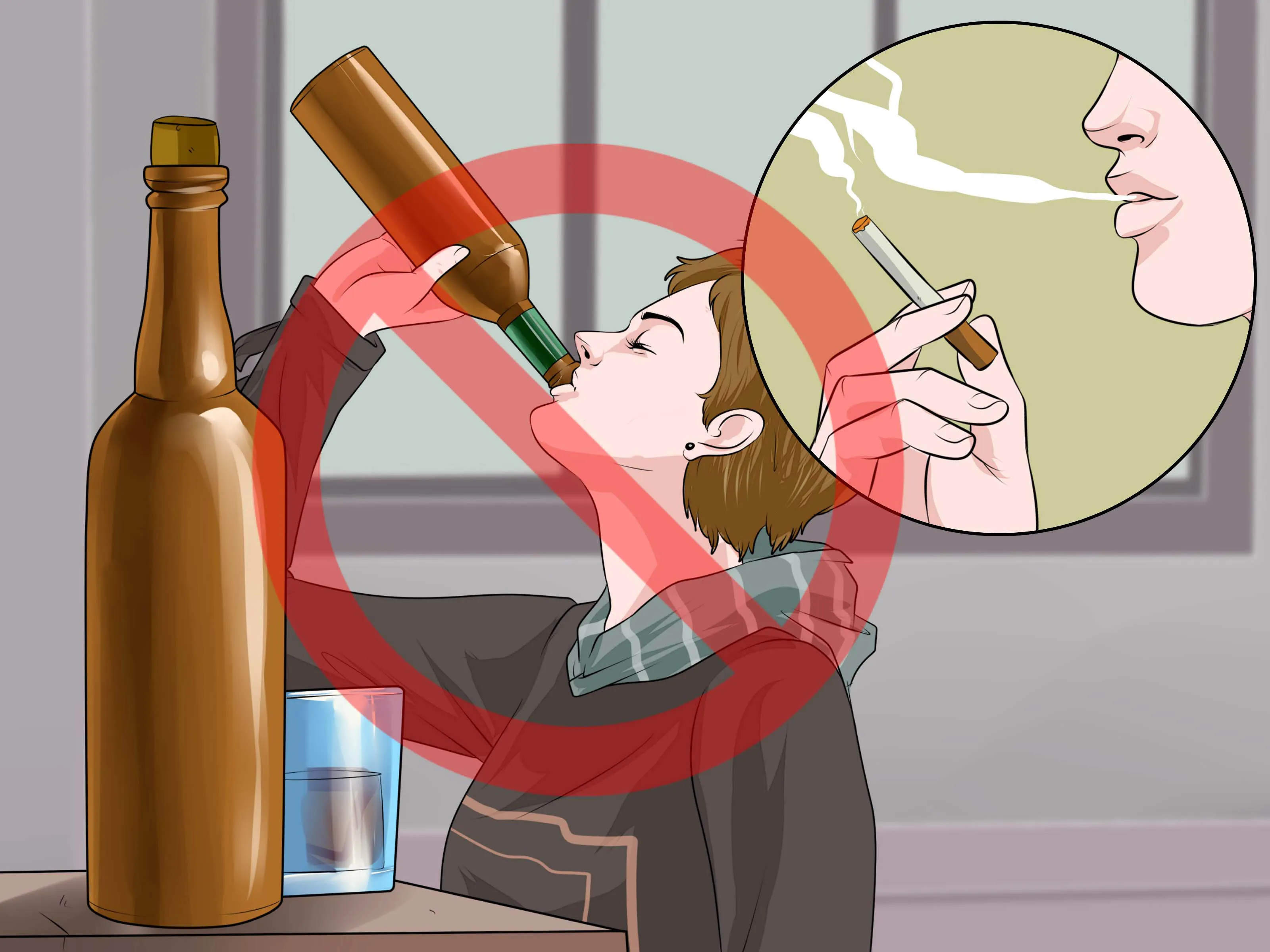
To maintain your brightened smile, practice good oral hygiene by brushing twice a day, and flossing daily. Limit consumption of staining foods and drinks, such as coffee, tea, red wine, and berries. Regular dental checkups and cleanings will also help preserve your results. Touch-up whitening treatments may be necessary to maintain your desired level of brightness, so talk to your dentist.
How Often Should You Whiten Your Teeth?
The frequency of teeth whitening treatments depends on several factors, including the type of product used, your lifestyle habits, and your individual dental health. Generally, you should follow the product’s recommended schedule. Avoid over-whitening, as it can damage your enamel and cause increased sensitivity. Consult your dentist for personalized advice on how often you should whiten your teeth, based on your specific needs and circumstances. They can help develop a schedule that is both safe and effective.
Teeth Whitening Gel Safety and Side Effects
Teeth whitening gels are generally safe when used according to instructions. However, it’s essential to be aware of potential side effects and when to avoid using these products. Understanding these aspects allows you to make informed decisions and take precautions to protect your oral health.
Potential Side Effects
The most common side effects of teeth whitening gel are tooth sensitivity and gum irritation. Sensitivity can range from mild discomfort to sharp, temporary pain. Gum irritation can manifest as redness or soreness. Less common side effects include changes in the texture of the enamel. To minimize side effects, follow the instructions carefully, avoid over-whitening, and consult your dentist if you experience severe or persistent symptoms.
When to Avoid Teeth Whitening Gel
Certain individuals should avoid using teeth whitening gel. This includes those with severe tooth sensitivity, gum disease, or existing dental work such as fillings or crowns on their front teeth. If you are pregnant or breastfeeding, you should consult with your dentist before considering teeth whitening. Also, it’s best to consult with your dentist before beginning any whitening treatment to ensure it’s suitable for your oral health condition.