Understanding Teeth Whitening with Bicarbonate of Soda and Lemon
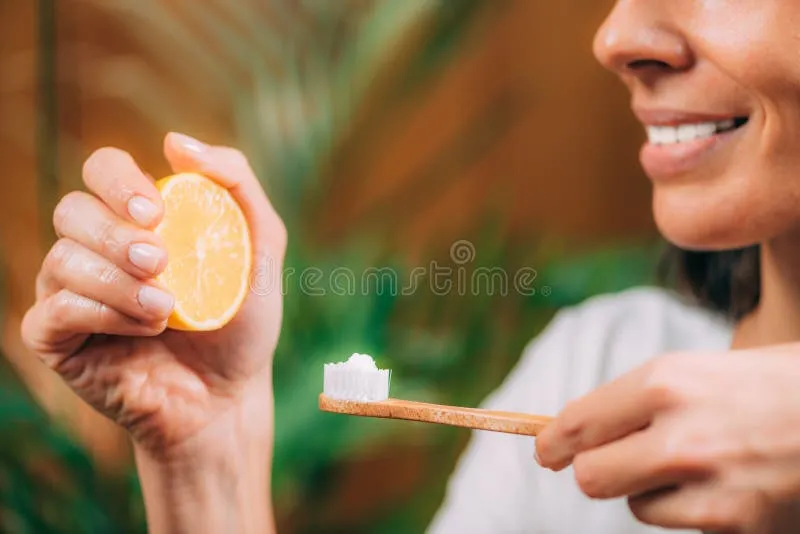
The quest for a brighter, whiter smile has led many to explore natural and accessible teeth whitening options. Among these, the combination of bicarbonate of soda (baking soda) and lemon has gained popularity. This method is appealing due to the readily available ingredients and the promise of a quick fix. However, it’s crucial to approach this technique with a clear understanding of how it works, its potential benefits, and, importantly, its risks. This comprehensive guide delves into the science behind this teeth whitening approach, provides practical instructions, and offers a balanced perspective, empowering you to make informed decisions about your oral health. Remember, while a sparkling smile is desirable, the health of your teeth should always be the top priority.
The Science Behind Bicarbonate of Soda
Bicarbonate of soda, chemically known as sodium bicarbonate, is a mild abrasive and a common household staple. Its effectiveness in teeth whitening stems from its ability to gently scrub away surface stains. The abrasive nature helps to dislodge the build-up of plaque and remove extrinsic stains caused by food, drinks (like coffee and tea), and smoking. Moreover, baking soda has a slightly alkaline pH, which helps neutralize acids in the mouth. This action can contribute to a healthier oral environment by reducing the risk of enamel erosion and dental decay. The fine particles of baking soda work mechanically, providing a mild polishing effect that enhances the brightness of your teeth. However, it’s essential to understand that the degree of whitening achievable with baking soda is limited to surface stains and does not alter the intrinsic color of your teeth, which is determined by genetics and other factors. This is a crucial aspect when setting expectations for this teeth whitening method.
How Bicarbonate of Soda Works

Bicarbonate of soda works by providing a gentle abrasive action that helps to remove surface stains from your teeth. When used correctly, the small particles of baking soda act as a mild polish, breaking down and lifting away stains caused by things like coffee, tea, and tobacco. This process is mainly mechanical, not chemical. It’s important to understand that baking soda’s cleaning action is similar to using a polishing compound; it doesn’t change the intrinsic color of your teeth or penetrate deep into the enamel. This means it’s most effective for removing surface stains and is less effective on stains that have penetrated the enamel. Furthermore, baking soda can help neutralize acids in the mouth, contributing to a healthier oral environment and preventing further staining.
The Role of Lemon in Whitening
Lemon, with its high citric acid content, is often paired with baking soda in teeth whitening remedies. The rationale behind this combination is that citric acid can act as a bleaching agent, potentially removing stains through a chemical reaction. Lemon juice can help to break down the stains on the surface of your teeth. While lemon’s acidity can contribute to a brighter appearance, it’s essential to be aware of the potential downsides. The acidity of lemon is a double-edged sword; while it can aid in stain removal, it also poses risks to your enamel. Prolonged or frequent exposure to citric acid can erode the enamel, the protective outer layer of your teeth, leading to increased sensitivity and potential long-term damage. Therefore, using lemon for teeth whitening requires caution and careful consideration of its effects on your oral health.
Citric Acid and Its Effects
Citric acid, the primary component of lemon juice, is a naturally occurring acid known for its bleaching properties. In the context of teeth whitening, citric acid works by dissolving the organic compounds that cause stains on the tooth’s surface. It’s effective at removing surface stains from coffee, tea, and other pigmented substances. However, the same properties that make citric acid effective in stain removal also pose a significant risk to your teeth. Citric acid is highly acidic and can erode the enamel, the protective outer layer of your teeth. Enamel erosion can lead to increased sensitivity, as the underlying dentin becomes exposed, and long-term damage, making teeth more susceptible to decay and cavities. Therefore, when considering lemon for teeth whitening, it’s essential to use it sparingly and with extreme caution, ensuring that the benefits of whitening do not outweigh the potential risks to your dental health.
Preparing the Bicarbonate of Soda and Lemon Mixture
To prepare the teeth whitening mixture, start with a small amount of baking soda, approximately one teaspoon. Gradually add lemon juice, drop by drop, until a paste-like consistency is achieved. The mixture should not be too runny, as it needs to cling to the teeth effectively. Always use fresh lemon juice, as bottled lemon juice may contain preservatives or other additives that could affect the outcome. It’s crucial to use the mixture immediately after preparation, as the effectiveness of the lemon juice diminishes over time. Before application, it’s also important to test the mixture on a small, inconspicuous area of your teeth to check for any adverse reactions, such as sensitivity or irritation. If you experience any discomfort, discontinue use immediately. This test ensures you are prepared to use it for the first time, and will help prevent unwanted reactions and ensure that you proceed with caution.
Step-by-Step Guide to Application
Begin by thoroughly brushing your teeth with regular toothpaste to remove any surface debris. Once your teeth are clean, apply the baking soda and lemon mixture to your teeth using a soft-bristled toothbrush. Gently brush your teeth with the mixture, focusing on each tooth for no more than one to two minutes. Avoid applying excessive pressure, as this can damage the enamel. After brushing, rinse your mouth thoroughly with water to remove all traces of the mixture. It is recommended to follow this with a regular fluoride toothpaste to remineralize the enamel. It is crucial to note that you should not leave the mixture on your teeth for an extended period; the acidity of the lemon can cause significant damage to your enamel if left for too long. Always listen to your teeth and stop if you experience any unusual sensations during the application.
Frequency and Duration of Application
Due to the potential risks associated with the acidity of lemon juice, it is critical to limit the frequency and duration of the application. Dental professionals generally advise against using this method more than once or twice a week, or even less frequently, to minimize the risk of enamel erosion. The application duration should be kept to a minimum, typically no more than one to two minutes at a time. Prolonged exposure to the acidic mixture can significantly increase the risk of dental damage. Always monitor your teeth for any signs of sensitivity or erosion. If you notice any changes, such as increased sensitivity to hot or cold, or a change in the texture or appearance of your teeth, discontinue use immediately. Regular check-ups with your dentist are essential to monitor your oral health and assess the impact of any teeth whitening treatments.
Potential Risks and Side Effects

While baking soda and lemon can provide some teeth whitening benefits, it is essential to be aware of the potential risks and side effects associated with this method. These include enamel erosion, increased tooth sensitivity, and potential irritation of the gums. Understanding these risks is crucial for making an informed decision and taking preventive measures to protect your oral health. Before using this method, evaluate your oral health and consider any pre-existing conditions that might make you more susceptible to these side effects. If you have any concerns, it is always best to consult with a dentist or dental hygienist for guidance and advice tailored to your specific needs.
Sensitivity and Enamel Erosion
The most significant risk associated with using lemon and baking soda for teeth whitening is enamel erosion. The high acidity of lemon juice can erode the enamel, the protective outer layer of your teeth. This erosion can lead to increased tooth sensitivity, as the underlying dentin becomes exposed. Dentin contains microscopic tubules that lead to the tooth’s nerve, making the teeth more susceptible to temperature changes and pain. Over time, enamel erosion can also weaken the teeth, making them more prone to cavities and other dental problems. Therefore, it is essential to use this method sparingly and carefully to minimize the risk of damaging your enamel. Regular dental check-ups are important to monitor the condition of your enamel and detect any signs of erosion early.
Gum Irritation and Other Reactions
Besides enamel erosion and tooth sensitivity, using lemon and baking soda for teeth whitening can also lead to gum irritation and other adverse reactions. The abrasive nature of baking soda can be harsh on the delicate gum tissue, potentially causing irritation, inflammation, and even bleeding. Lemon juice’s acidity can further exacerbate this irritation. In some cases, individuals may experience allergic reactions or other sensitivities to the ingredients. If you experience any discomfort, such as burning sensations, swelling, or redness of the gums, discontinue use immediately. It is also recommended to consult with your dentist if you have any concerns about gum health or suspect an allergic reaction. Proper oral hygiene practices and the use of a soft-bristled toothbrush are essential to minimize the risk of gum irritation.
Effective Alternatives and Complementary Methods

If you’re looking for safer, more effective teeth whitening options, or simply want to enhance your results, consider the alternatives. Professional teeth whitening treatments are often the most effective and safest way to achieve a brighter smile. These treatments are performed by dentists who can control the concentration of the whitening agents and monitor your teeth for any adverse reactions. Other alternatives include over-the-counter whitening products such as whitening toothpaste, strips, and gels. While these products may not provide the same dramatic results as professional treatments, they are generally safer to use and can effectively remove surface stains. For optimal results, these methods can be used as part of a more comprehensive oral hygiene routine. Maintaining good oral hygiene is essential for keeping your teeth white and healthy. This includes brushing twice a day, flossing daily, and regular dental check-ups.
Professional Teeth Whitening Options
Professional teeth whitening offers a safe and effective way to achieve a significantly brighter smile. Dentists use potent bleaching agents, usually hydrogen peroxide or carbamide peroxide, in higher concentrations than those found in over-the-counter products. This allows for more dramatic results in a shorter amount of time. The process typically involves the dentist applying the whitening agent to your teeth and then using a special light or laser to activate the bleach. This process can be done in the dentist’s office in a single visit or through custom-fitted trays that you take home. Professional treatments are performed under the supervision of a dental professional, minimizing the risk of enamel damage and gum irritation. They are also able to address any underlying dental issues that might affect the whitening process. While professional treatments may be more expensive than home remedies, they offer superior results and greater safety.
Best Practices for Oral Hygiene
Maintaining excellent oral hygiene is crucial for keeping your teeth white and healthy, regardless of any whitening treatments you may use. The foundation of good oral hygiene includes brushing your teeth twice a day with fluoride toothpaste, flossing daily to remove plaque and food particles from between your teeth, and rinsing with an antimicrobial mouthwash to kill bacteria and reduce plaque buildup. Regular dental check-ups and professional cleanings are also essential. Your dentist can remove plaque and tartar that you cannot remove at home and check for any signs of dental problems. In addition to these basic practices, you can also make lifestyle choices that support oral health, such as limiting your consumption of sugary drinks and snacks, avoiding smoking, and eating a balanced diet rich in fruits and vegetables. These practices not only help maintain a bright smile but also contribute to overall health and well-being.
The Verdict on Bicarbonate of Soda and Lemon

While the combination of baking soda and lemon may offer some initial teeth whitening benefits, the potential risks and drawbacks outweigh the advantages. The high acidity of lemon can erode the enamel, leading to increased sensitivity and potential long-term damage. The abrasive nature of baking soda can also cause irritation to the gums and increase sensitivity. For those seeking a brighter smile, safer and more effective alternatives are available, such as professional teeth whitening treatments and over-the-counter products. Moreover, it’s crucial to prioritize oral health by practicing proper oral hygiene and consulting with a dentist regularly. A beautiful smile is a wonderful asset, but it should never come at the expense of your dental health. Prioritize the well-being of your teeth and gums to ensure a healthy and radiant smile for years to come.