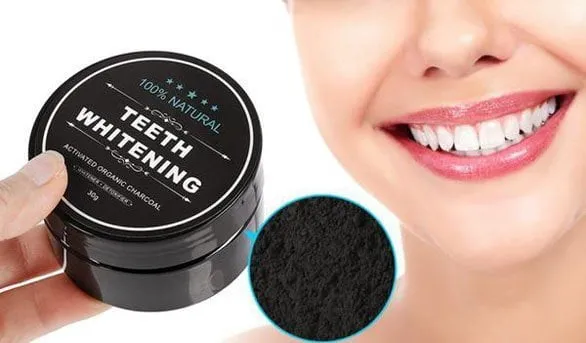
What is Charcoal Teeth Whitening
Teeth whitening with charcoal has gained immense popularity as a natural method to achieve a brighter smile. This method involves using activated charcoal, a fine black powder, to remove stains and discoloration from the surface of your teeth. Unlike traditional whitening treatments that use chemicals, charcoal whitening is often marketed as a more gentle and natural alternative. Many people are turning to charcoal for its perceived ability to draw out impurities and toxins, leading to a cleaner, whiter appearance. However, it’s important to understand the science behind this method and its potential effects on your oral health.
Understanding the Science Behind Charcoal Whitening
Activated charcoal is produced by heating carbon-rich materials, such as coconut shells or wood, to extremely high temperatures. This process creates a porous substance with a large surface area, which makes it highly absorbent. The porous nature of activated charcoal allows it to bind to substances, trapping them within its structure. In the context of teeth whitening, the idea is that charcoal will bind to the tannins and other compounds that cause stains on your teeth, effectively removing them. It’s crucial to note that while charcoal can remove surface stains, it doesn’t fundamentally change the color of your teeth beneath the enamel. The effectiveness of charcoal also depends on the type and severity of stains, with some stains being more stubborn than others.
How Charcoal Works on Teeth

Charcoal works through adsorption, a process where the stain molecules adhere to the surface of the charcoal particles. As you brush with charcoal, these particles gently scrub the teeth, removing surface stains caused by coffee, tea, wine, and other foods. The abrasiveness of charcoal is a double-edged sword; it can help lift stains but also potentially damage enamel if used aggressively. For this reason, it’s essential to use a soft-bristled toothbrush and apply gentle pressure. The effectiveness of charcoal also relies on regular and consistent use; noticeable results typically take a few days to a week to appear. Always ensure you rinse thoroughly after brushing to remove any remaining charcoal residue, preventing it from staining your gums or clothing.
What You Need
To begin your charcoal teeth whitening journey, you’ll need a few essential items. These are easily accessible and can be found at most drugstores or online retailers. Make sure you choose high-quality products to ensure both effectiveness and safety. Remember that consistent and correct usage is the key to achieving the desired results. Here’s a list of what you’ll require:
High-Quality Activated Charcoal
Opt for food-grade activated charcoal derived from natural sources like coconut shells. Ensure the product is free from additives and abrasive materials. Look for a fine powder to reduce the risk of damaging your enamel. Research different brands and read reviews to find a product that suits your needs. Always store the charcoal in a sealed container to prevent moisture absorption, ensuring it maintains its effectiveness over time. The quality of the charcoal directly impacts the results, so choosing a reliable product is crucial.
Soft-Bristled Toothbrush

A soft-bristled toothbrush is essential to minimize the risk of enamel abrasion. The gentler bristles help scrub away stains without causing excessive wear and tear on your teeth. Replace your toothbrush every three months or as the bristles become frayed. Be mindful of the pressure you apply while brushing. Gentle, circular motions are more effective than aggressive scrubbing. Consider electric toothbrushes with soft settings to further enhance safety. Properly taking care of your toothbrush is crucial to maintaining good oral hygiene.
Water
Clean water is necessary to create the charcoal paste and rinse your mouth thoroughly after brushing. Use room temperature water for optimal results. Water helps to activate the charcoal and facilitates the removal of the paste from your teeth. Ensure your water source is safe for consumption. If you prefer, you can use filtered water to further enhance the purity of your oral hygiene routine.
A Small Cup or Dish
A small cup or dish is useful for mixing the activated charcoal with water, creating the paste that you will use for brushing. A non-porous material is recommended to prevent the charcoal from staining the container. The cup or dish should be easy to clean to avoid any leftover charcoal residue. This simple item plays a critical role in the effectiveness of the charcoal treatment, ensuring you have a clean and reliable way to prepare the paste.
Step-by-Step Charcoal Whitening Guide

Whitening your teeth with charcoal is a straightforward process when followed correctly. To achieve the best results, it is essential to adhere to each step with care and attention. Remember, consistency is crucial, and patience is key. Here is a step-by-step guide to help you achieve a brighter smile:
Preparing the Charcoal Paste
In a small cup or dish, mix a small amount of activated charcoal powder with water. The goal is to create a paste-like consistency. Start with a small amount of charcoal and add water drop by drop, mixing until you achieve the desired texture. The paste should be thick enough to adhere to your toothbrush without dripping. Ensure you don’t make too much paste at once to prevent waste. The right consistency is essential for effective and safe application.
Brushing Your Teeth with Charcoal
Dip your soft-bristled toothbrush into the charcoal paste, ensuring an even coating. Gently brush your teeth in small, circular motions, paying attention to each tooth surface. Avoid applying too much pressure to prevent enamel damage. Brush for approximately two minutes, ensuring you cover all areas of your teeth. After brushing, your mouth will likely look black, so be prepared for the cleanup. Thorough brushing is vital to remove surface stains effectively and evenly.
Rinsing and Cleaning
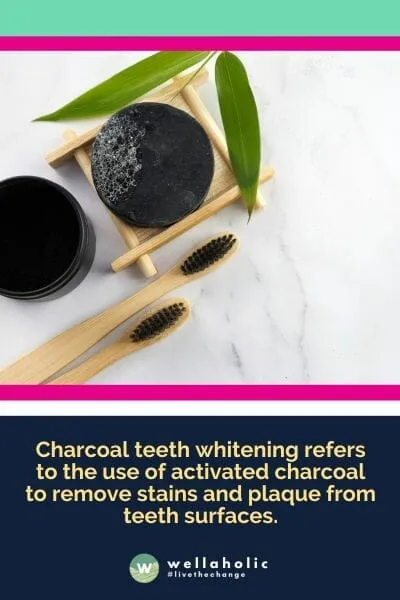
Thoroughly rinse your mouth with water, ensuring all traces of charcoal are removed. You may need to rinse several times to remove all the black residue. Use a toothbrush to remove any remaining charcoal from your teeth and gums. Clean your sink and any surrounding surfaces immediately to prevent staining. Following this rinsing step ensures that no charcoal particles remain in your mouth, preventing potential irritations.
Frequency and Duration of Use
Generally, using charcoal for teeth whitening 1–2 times per day for a week is sufficient to see initial results. However, consult with a dentist to determine the best frequency for your teeth. Avoid using charcoal daily for extended periods, as excessive use could lead to enamel erosion. Observe your teeth for any signs of sensitivity or damage. If you experience any adverse effects, reduce the frequency or discontinue use. Maintaining a balance between effectiveness and safety is crucial when using charcoal for teeth whitening.
Potential Benefits of Charcoal Teeth Whitening
While the scientific backing for charcoal’s whitening capabilities is limited, many users report positive results. It’s important to approach this method with realistic expectations and an awareness of its limitations. The benefits are often subtle, but many users are pleased with the results, which often come with the benefit of it being a more natural option.
Removing Surface Stains

The primary benefit of charcoal teeth whitening is its ability to remove surface stains. These stains are often caused by foods and drinks such as coffee, tea, red wine, and berries. Charcoal’s abrasive nature helps to scrub away these stains, making your teeth appear brighter. This is the most commonly reported benefit, making it an attractive option for those looking to enhance their smile. The effectiveness varies depending on the nature and severity of the stains, and it may require consistent use.
Fresher Breath
Activated charcoal can help freshen breath. Its absorbent properties can trap odor-causing compounds, which can contribute to bad breath. This benefit is often a secondary advantage for charcoal users. While it’s not a primary function, many people report improved breath quality alongside the whitening effect. Maintaining good oral hygiene and regular dental checkups are still crucial for addressing the root causes of bad breath.
Potential Risks and Side Effects
Despite its popularity, using charcoal for teeth whitening comes with potential risks and side effects that must be considered. These risks often relate to the abrasive nature of charcoal. Always be aware of these potential issues and consult a dentist if you have any concerns or if you notice adverse effects.
Enamel Erosion

One of the most significant risks of using charcoal is enamel erosion. Charcoal’s abrasive nature can wear down the enamel over time, making your teeth more susceptible to cavities and sensitivity. Enamel does not regenerate, so any damage is permanent. This risk is heightened if you brush too aggressively or use charcoal frequently. To mitigate this risk, always use a soft-bristled toothbrush and apply gentle pressure.
Tooth Sensitivity
Increased tooth sensitivity is another potential side effect of charcoal whitening. As the enamel wears down, the dentin layer beneath becomes more exposed. Dentin contains tubules that lead to the nerve of the tooth, making it more sensitive to hot or cold temperatures. If you experience tooth sensitivity, it’s essential to reduce the frequency of use or stop using charcoal altogether. Using toothpaste designed for sensitive teeth can also help alleviate this symptom. If sensitivity persists, consult your dentist.
Gum Irritation
Charcoal can also irritate the gums. The abrasive particles can cause inflammation and even bleeding, especially if you brush too hard or use charcoal excessively. If you notice any gum irritation, stop using charcoal immediately and consult your dentist. Maintaining good oral hygiene practices, such as gentle brushing and flossing, is essential to prevent gum irritation. Avoid applying the charcoal directly to your gums; focus on your teeth.
Alternatives to Charcoal Whitening

If you’re unsure about using charcoal or experiencing negative side effects, several alternatives are available for teeth whitening. These options offer varying degrees of effectiveness and safety, so it’s essential to choose one that aligns with your oral health goals. Consulting your dentist is always the best way to find the ideal solution.
Professional Teeth Whitening
Professional teeth whitening, performed by a dentist, is often the most effective and safest option. Dentists use stronger whitening agents, such as hydrogen peroxide, to achieve significant results. They can also monitor the process and address any potential side effects. Professional whitening is typically more expensive than home remedies, but it offers controlled application and professional expertise. If you want significant, reliable results and are concerned about safety, this option is highly recommended.
Over-the-Counter Whitening Products
Over-the-counter whitening products include whitening strips, toothpastes, and gels. These products contain lower concentrations of whitening agents than professional treatments. They can be a more affordable and convenient option for mild to moderate staining. Follow the instructions carefully, and be aware that the results may not be as dramatic as professional whitening. Some products may cause temporary sensitivity, so it’s always important to be cautious and to consult with a dentist if you have any concerns.
Maintaining Your White Smile
Once you achieve a brighter smile, it’s essential to maintain it. This involves a combination of good oral hygiene practices and avoiding habits that can stain your teeth. Your consistent effort is the key to a lasting white smile. Regular dental check-ups and professional cleanings are crucial for optimal oral health. Here are some important tips:
Brush your teeth twice a day with fluoride toothpaste.
Floss daily to remove plaque and food particles.
Limit your intake of staining foods and drinks, such as coffee, tea, red wine, and berries.
Avoid tobacco products, which can heavily stain your teeth.
Consider using a whitening toothpaste or mouthwash for maintenance.
Schedule regular dental check-ups and cleanings to keep your smile bright and your teeth healthy.