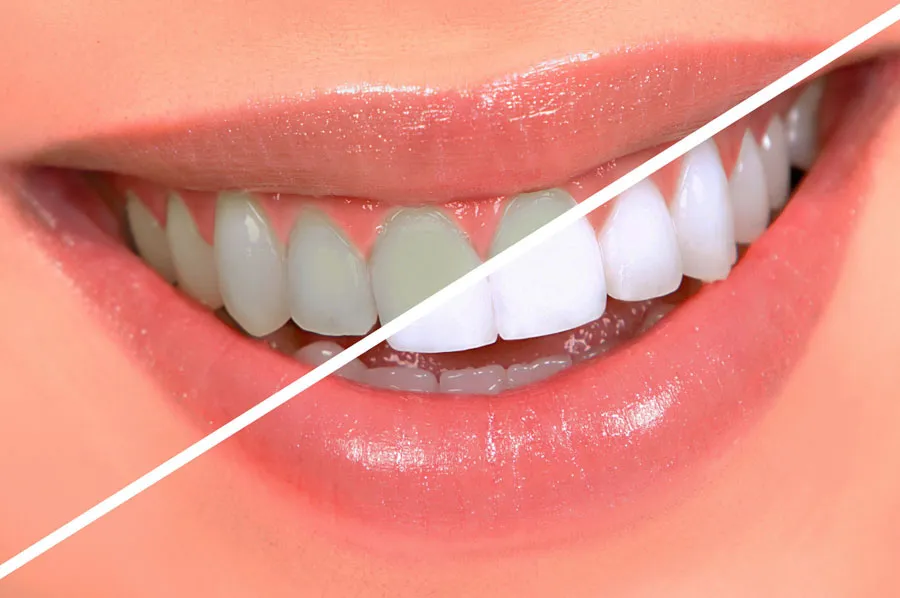
Understanding Tooth Discoloration
Tooth discoloration is a common cosmetic concern, impacting the brightness and appearance of your smile. Several factors contribute to teeth losing their natural white color, including lifestyle choices, genetics, and the aging process. Understanding the underlying causes of tooth discoloration is the first step in finding effective whitening solutions. This knowledge will help you choose the most appropriate method to restore your teeth’s natural radiance. Many people seek immediate results, but it’s important to understand the processes involved to manage expectations and achieve the desired outcome. The journey to a brighter smile often begins with a thorough understanding of the factors at play.
Causes of Tooth Discoloration
Tooth discoloration can be broadly categorized into two main types: extrinsic and intrinsic stains. Both types have different causes, and understanding the difference is key to effective treatment. Extrinsic stains affect the surface of the teeth, while intrinsic stains originate from within the tooth structure. The approach to whitening often depends on the type and severity of the discoloration. Therefore, a professional dental consultation may be necessary to determine the most appropriate and effective approach for each individual’s specific needs and circumstances.
Extrinsic Stains

Extrinsic stains are those that affect the enamel surface of the teeth. These are usually caused by external factors, primarily related to dietary habits and lifestyle choices. Common culprits include coffee, tea, red wine, and tobacco products. These substances contain pigments that adhere to the enamel, gradually staining the teeth over time. Regular dental cleanings and certain whitening treatments can effectively remove extrinsic stains, restoring the teeth’s natural brightness. Avoiding or minimizing exposure to these staining agents can help prevent the recurrence of these superficial stains. This preventive strategy goes a long way in maintaining a bright and healthy smile.
Intrinsic Stains
Intrinsic stains originate within the tooth structure, affecting the dentin, the inner layer of the tooth beneath the enamel. These stains can be caused by various factors, including aging, certain medications (like tetracycline), excessive fluoride exposure, and trauma to the tooth. Intrinsic stains are generally more difficult to treat than extrinsic stains, often requiring more aggressive whitening methods or other dental procedures. These stains are not easily removed by surface treatments. Professional intervention, such as in-office whitening or other cosmetic dentistry, is often necessary to address intrinsic discoloration effectively. The nature of the staining demands a more complex approach to treatment.
Types of Tooth Whitening Methods
There are numerous tooth whitening methods available, ranging from professional treatments performed by dentists to over-the-counter products. Each method offers different levels of effectiveness, cost, and convenience. The best option depends on your individual needs, the type and severity of staining, and your budget. Understanding the pros and cons of each method is crucial to making an informed decision. Consulting with a dental professional is always recommended to determine the most suitable whitening approach and to ensure safe and effective results. Careful consideration of all available options can help maximize the likelihood of achieving a dazzling and lasting smile.
Professional Teeth Whitening

Professional teeth whitening offers the most effective and controlled way to brighten your smile. Dentists use high-concentration bleaching agents and specialized equipment to achieve significant results in a short amount of time. This method is ideal for those seeking dramatic improvements and who are willing to invest in a professional treatment. The treatments are generally safe when performed by a qualified dentist and can address both extrinsic and intrinsic stains effectively. This option offers both the convenience and security of professional expertise, maximizing whitening results and minimizing potential risks. The procedures often include a pre-treatment evaluation to ensure the best outcome.
In-Office Whitening
In-office whitening is a fast and effective way to achieve a brighter smile. Dentists apply a high-concentration bleaching agent directly to the teeth and often use a special light or laser to accelerate the whitening process. The entire procedure usually takes about an hour, making it a convenient option for those who want immediate results. The dentist closely monitors the treatment to ensure safety and minimize any potential side effects, such as tooth sensitivity. Results can often be seen immediately, providing a significant boost to your smile’s appearance. This option offers the most control and often the most dramatic improvements in tooth shade.
At-Home Whitening Kits
At-home whitening kits, provided by your dentist, offer a more convenient and cost-effective alternative to in-office treatments. These kits typically include custom-fitted trays and a lower-concentration bleaching agent. The trays ensure the bleaching agent is in close contact with the teeth, maximizing effectiveness. The process usually involves wearing the trays for a specified amount of time each day or night, as instructed by your dentist. While results may take longer to appear than in-office treatments, at-home kits can still provide significant improvements. Your dentist can monitor your progress and make adjustments to the treatment plan, ensuring safe and effective whitening at your own pace. This option balances convenience with professional guidance.
Over-the-Counter Whitening Products

Over-the-counter (OTC) whitening products, such as strips, toothpastes, and gels, are readily available without a prescription. These products are generally less expensive than professional treatments but may also be less effective. The effectiveness of OTC products varies depending on the concentration of the bleaching agent and the duration of use. Results can be subtle and may take several weeks to become noticeable. While convenient, it’s important to follow the product instructions carefully and to be aware of potential side effects, such as tooth sensitivity. Consult your dentist if you experience any adverse reactions or if you are not satisfied with the results. Proper use and realistic expectations are key to successful outcomes with OTC products.
How Whitening Products Work
Tooth whitening products typically contain bleaching agents that break down stain molecules within the enamel and dentin. These agents penetrate the tooth structure, oxidizing the stain particles and making them less visible. The effectiveness of a whitening product depends on the concentration of the bleaching agent, the duration of contact with the teeth, and the type of stain. Understanding how these products work can help you make informed choices and manage your expectations. It’s important to remember that whitening products do not change the natural color of the teeth but lighten the existing shade by removing stains. The process is scientific, but the results can be strikingly beautiful.
The Role of Bleaching Agents
The primary bleaching agents used in tooth whitening are hydrogen peroxide and carbamide peroxide. These compounds release oxygen molecules that penetrate the enamel and dentin, breaking down the stain molecules. The concentration of the bleaching agent determines the speed and intensity of the whitening process. Higher concentrations typically yield faster results, but they also increase the risk of tooth sensitivity. Professional treatments use higher concentrations than at-home or over-the-counter products. It’s crucial to follow the instructions provided with the product and consult with a dentist to ensure safe and effective use. The correct application is just as crucial as the concentration of the bleaching agent.
Hydrogen Peroxide

Hydrogen peroxide is a common bleaching agent used in professional teeth whitening. It is a strong oxidizing agent that quickly breaks down stains. Dentists often use hydrogen peroxide in higher concentrations for in-office treatments to achieve rapid results. Due to its strength, hydrogen peroxide can sometimes cause tooth sensitivity, which is usually temporary. The dentist will monitor the treatment and may apply desensitizing agents to minimize discomfort. The effectiveness of hydrogen peroxide is well-documented, making it a go-to option for many dental professionals. Its speed and strength have made it a gold standard for professional whitening.
Carbamide Peroxide
Carbamide peroxide is another bleaching agent commonly used in at-home whitening kits. When it comes into contact with water, it breaks down into hydrogen peroxide, providing a sustained release of the bleaching agent over time. The concentration of carbamide peroxide is usually lower than that of hydrogen peroxide used in professional treatments, making it gentler for home use. The slower release of hydrogen peroxide reduces the risk of tooth sensitivity. Carbamide peroxide provides a controlled and effective way to whiten teeth over several weeks. Its gentler action makes it a popular choice for those seeking convenient whitening solutions.
Instant Whitening Techniques
While most whitening methods require time to show results, some techniques offer immediate or near-instant improvements in the appearance of your teeth. These methods are often used in conjunction with other whitening treatments or as a quick fix for special occasions. Understanding the different techniques can help you choose the best option for your needs and desired outcome. These methods can significantly improve the appearance of your smile, providing immediate satisfaction. They range from simple cosmetic adjustments to more comprehensive dental procedures, all aimed at enhancing your smile’s brightness and appeal.
Whitening Toothpastes and Their Effectiveness

Whitening toothpastes often contain mild abrasives and chemical agents that remove surface stains, providing a brighter appearance. They are a convenient and affordable option for maintaining a white smile. The effectiveness of whitening toothpastes varies depending on the ingredients and the frequency of use. While they can remove extrinsic stains and prevent new ones from forming, they do not change the natural color of your teeth. Consistent use over time can improve the overall brightness of your smile. It’s important to note that these toothpastes are not a substitute for professional whitening treatments but can be an effective part of your daily oral hygiene routine. Careful selection and consistent use enhance their benefits.
Teeth Whitening Strips How They Work
Teeth whitening strips are another popular over-the-counter option that offers a convenient way to whiten your teeth at home. These strips are coated with a thin layer of bleaching agent, usually hydrogen peroxide. They are applied directly to the teeth, adhering to the surface for a specific amount of time. The bleaching agent penetrates the enamel and dentin, breaking down stain molecules. Consistent use, as directed by the product, can lead to noticeable improvements in tooth shade. These strips are easy to use and can be incorporated into your daily routine. Following the product instructions carefully is important to achieve optimal results and to minimize potential side effects, such as tooth sensitivity. Using the strips correctly is critical to achieving a whiter, brighter smile.
Maintaining Your White Smile
Maintaining your white smile requires ongoing care and attention. After undergoing any whitening treatment, it’s important to take steps to prevent new stains from forming and to prolong the results. This includes practicing good oral hygiene habits, avoiding staining foods and drinks, and scheduling regular dental check-ups. Consistent care helps ensure your smile remains bright and radiant for an extended period. Proactive measures are often key to preserving your investment and the aesthetics of your teeth. This involves lifestyle adjustments and diligent oral hygiene practices. The dedication to maintaining a bright smile requires a commitment to a consistent and preventive approach.
Post-Whitening Care

Following post-whitening care instructions is essential to preserve the results of your treatment and minimize any potential side effects. This includes avoiding foods and drinks that can stain your teeth, such as coffee, tea, red wine, and dark-colored sauces, immediately after the procedure. It’s also important to maintain a diligent oral hygiene routine, including brushing and flossing twice a day. Your dentist may recommend using a desensitizing toothpaste to reduce sensitivity. These steps help to protect your freshly whitened teeth. Carefully following post-treatment care is fundamental to maximizing the benefits and ensuring the longevity of your whiter smile.
Foods and Drinks to Avoid
Certain foods and drinks can stain your teeth and should be avoided or consumed in moderation to maintain your white smile. These include coffee, tea, red wine, dark sodas, berries, and heavily pigmented sauces like soy sauce. If you consume these items, rinse your mouth with water immediately afterward or brush your teeth. Smoking and tobacco products can also stain teeth, so it is best to avoid them for optimal results. Making mindful dietary choices and practicing good oral hygiene habits can help prevent new stains from forming. Being aware of what you consume helps preserve the brilliance of your whitened teeth. Dietary awareness is a key factor in extending the lifespan of your treatment.
In conclusion, tooth whitening is an effective way to enhance your smile and boost your confidence. By understanding the various methods available, the underlying causes of discoloration, and the importance of post-whitening care, you can achieve a brighter, more radiant smile. Whether you opt for professional treatments, at-home kits, or over-the-counter products, consistency and proper care are key to maintaining your results. Consult your dentist to determine the best whitening option for your individual needs and to ensure a safe and effective outcome. With the right approach, a dazzling white smile is within your reach.