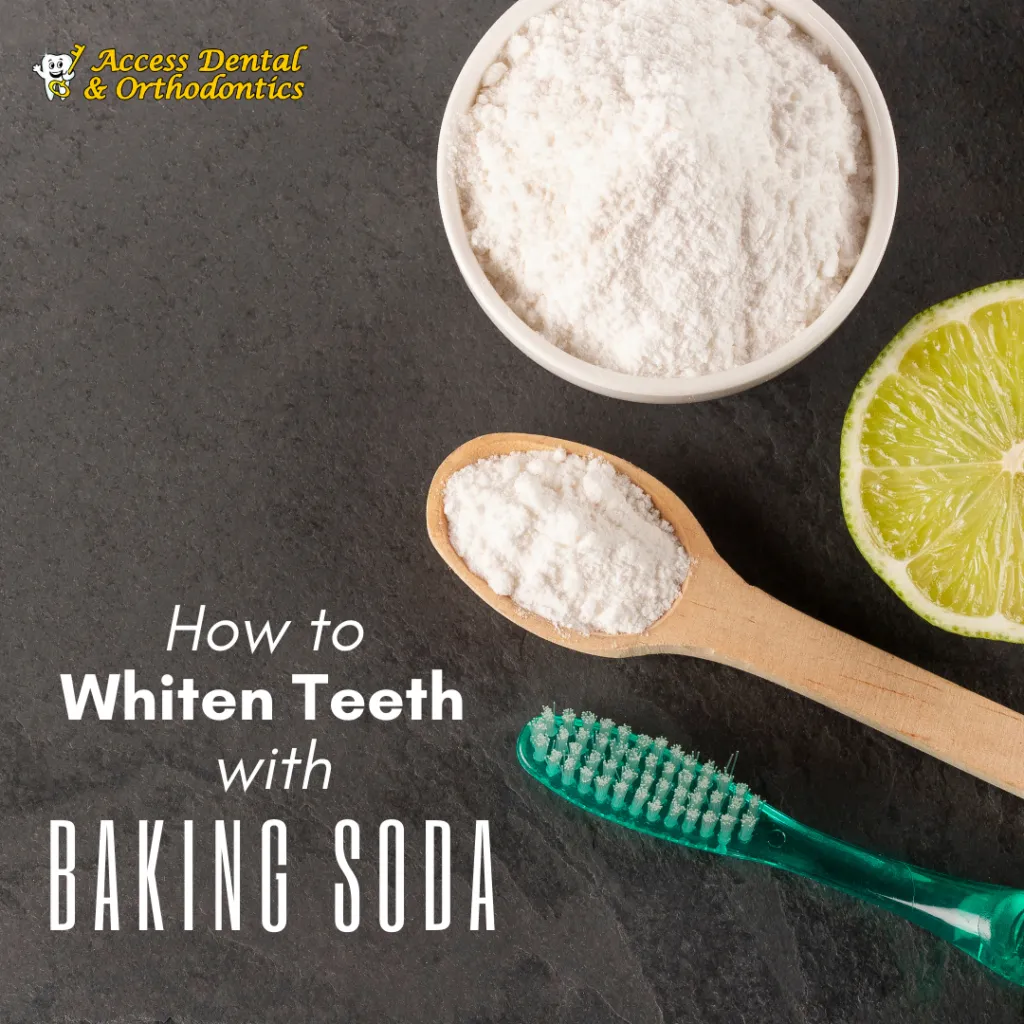
Understanding Teeth Whitening with Hydrogen Peroxide and Baking Soda
Achieving a brighter smile is a common goal, and many people turn to DIY methods to achieve it. Among the popular at-home teeth whitening techniques, using hydrogen peroxide and baking soda stands out. This method is often touted for its accessibility and affordability. However, it’s essential to understand the science behind these ingredients and how they interact to achieve the desired results. This article delves into the specifics of using hydrogen peroxide and baking soda for teeth whitening, exploring their mechanisms, application, and essential safety considerations. It is crucial to approach this method with knowledge and caution to ensure both effectiveness and safety. Properly used, it can be a helpful addition to your oral care routine, but always prioritize the health of your teeth and gums.
The Science Behind Teeth Whitening
Teeth whitening works by removing stains and discoloration from the enamel, the outermost layer of the tooth. Stains can be intrinsic, originating from within the tooth structure, or extrinsic, resulting from external factors like food, drinks, and smoking. Whitening agents act through oxidation. When they come into contact with the stained molecules, they break them down, making them less visible and thus brightening the teeth. The effectiveness of a whitening agent depends on its concentration and the duration of application. It’s important to know that not all teeth whitening methods are created equal. The science behind it is crucial for understanding the potential and limitations of each technique, ensuring you can make an informed choice about how to improve your smile. Proper understanding leads to better results and a reduced risk of complications.
How Hydrogen Peroxide Works for Whitening

Hydrogen peroxide is a common ingredient in professional and at-home teeth whitening products. It acts as an oxidizing agent. When applied to the teeth, it releases oxygen molecules that penetrate the enamel and react with the stain molecules. This process breaks down the stain molecules into smaller, less visible components, leading to a whiter appearance. The concentration of hydrogen peroxide significantly affects its whitening power. Higher concentrations can yield faster results but also increase the risk of side effects. Therefore, it is critical to follow the instructions carefully and to avoid exceeding the recommended dosage or frequency. Furthermore, it is important to note that hydrogen peroxide works best on extrinsic stains, and its effectiveness may vary depending on the type and severity of the stains.
The Role of Baking Soda in Teeth Whitening
Baking soda, or sodium bicarbonate, plays a supporting role in the teeth whitening process. It is a mild abrasive, which helps to remove surface stains and plaque from the teeth. This gentle abrasion can contribute to the teeth appearing brighter. In addition to its abrasive properties, baking soda has alkaline qualities. This can neutralize acids in the mouth, which can help to protect the enamel. Baking soda also has mild antibacterial properties. This helps to reduce bacteria that cause bad breath. However, it’s essential to use baking soda in moderation because excessive abrasion can damage the enamel. Therefore, it is often combined with other ingredients, such as hydrogen peroxide, to maximize its effectiveness while minimizing the risk of any damage.
Top 5 Teeth Whitening Secrets
Secret 1 Understanding the Ingredients

Hydrogen Peroxide
As we’ve discussed, hydrogen peroxide is a key player in teeth whitening. It’s the active ingredient that breaks down stain molecules. It’s vital to use the correct concentration; 3% hydrogen peroxide, commonly found in drugstores, is often recommended for at-home use. Higher concentrations can be more effective, but they also carry increased risks of gum irritation and enamel sensitivity. Always read and follow the product instructions carefully, and consider consulting with a dentist before starting this method. Proper understanding and usage are crucial to achieve the desired whitening effect safely. Furthermore, be aware that the effectiveness can vary depending on the individual and the type of stain.
Baking Soda
Baking soda, a mild abrasive, helps remove surface stains. It is generally safe, but excessive use can damage enamel. Mix it with hydrogen peroxide to create a paste. It can help remove stains caused by coffee, tea, or smoking. However, it’s not a magic bullet, and the results can vary. It’s important to use it in moderation, and to be aware of the potential risks. Furthermore, it is always recommended to combine baking soda with hydrogen peroxide for better results while minimizing the risks. Consider consulting your dentist for a professional evaluation and personalized advice on using baking soda effectively in your oral hygiene routine.
Secret 2 Proper Application

Mixing the Ingredients
The correct ratio is essential. Usually, you want to mix hydrogen peroxide with baking soda to form a paste. Start with a small amount of each. Over time, you can adjust the ratio. The consistency should be similar to toothpaste. Ensure the mixture is well combined before application. Avoid creating a mixture that is too thick or gritty, as this can increase the risk of enamel damage. If the mixture is too dry, add a little more hydrogen peroxide. The goal is to achieve a paste that is easy to apply. Remember to always rinse your mouth thoroughly after each application and take care not to swallow any of the mixture during the application process.
Applying the Paste
Use a soft-bristled toothbrush to apply the paste. Gently brush your teeth for about two minutes. Be careful not to scrub too hard, as this can damage your enamel. Focus on the stained areas, and make sure you reach all surfaces of your teeth. After brushing, rinse your mouth thoroughly with water. This will remove any remaining paste and prevent irritation. Consider using a fluoride toothpaste afterward to help strengthen your enamel. Proper application is key to getting the best results while minimizing any potential risks. Maintain a consistent routine and pay attention to your mouth’s response to the treatment. If any irritation or sensitivity arises, discontinue use immediately and consult a dentist.
Secret 3 Application Frequency

How Often to Apply
It’s best to start cautiously, perhaps once or twice a week. Excessive use can damage the enamel. The frequency of application should depend on your teeth’s condition and how they respond to the treatment. Monitor for any signs of sensitivity or irritation, and adjust your usage accordingly. Over time, you may increase frequency, but it’s recommended to consult a dentist for personalized advice. Listen to your body, and never exceed the recommended usage. Consistency is key, but moderation is paramount. Your oral health is of utmost importance, and the best results come with a balance between effort and caution. Always prioritize your teeth’s health over immediate results.
Avoiding Overuse
Overuse can lead to tooth sensitivity, gum irritation, and even enamel erosion. Always stick to the recommended frequency. If you notice any adverse effects, stop using the mixture immediately. You may need to adjust your routine. Regular dental check-ups are vital to monitor your oral health. A dentist can identify any early signs of damage and provide personalized guidance. Avoiding overuse is not just about preventing immediate side effects, it is also about maintaining long-term oral health. Always prioritize the safety of your teeth and gums over the desire for a quick fix. Proper oral hygiene involves a combination of effective techniques and the right amount of effort.
Secret 4 Important Safety Measures

Potential Risks and Side Effects
Teeth sensitivity is a common side effect. You might experience temporary gum irritation. Prolonged use can erode enamel, making your teeth more vulnerable. Always use a soft-bristled toothbrush to minimize abrasion. If you experience any significant side effects, discontinue use and consult a dentist. Regular monitoring is essential to catch any issues early. Proper usage reduces the risk of side effects. Remember that not everyone reacts the same way to teeth whitening treatments. Always pay attention to your body’s response, and never ignore any discomfort or pain. Your safety is the most important thing.
Consulting a Dentist
Consulting a dentist before starting is highly recommended. They can assess your oral health. They can identify any underlying issues that need to be addressed. A dentist can provide personalized advice based on your specific needs. They can also monitor your progress and check for any adverse effects. A professional opinion ensures safe and effective whitening. They can recommend alternative treatments if necessary. Never hesitate to seek professional guidance. Your dentist is the best source of information and support for your oral health journey. Regular dental check-ups are essential. They can catch issues early and maintain a healthy smile.
Secret 5 Maximizing Results

Dietary Considerations
Avoid foods and drinks that stain teeth. Coffee, tea, red wine, and berries are common culprits. Limit your intake of these items. Use a straw when drinking staining beverages to minimize contact with your teeth. Maintain a balanced diet that supports oral health. Certain foods can actually help whiten teeth naturally. Regularly brush and floss to remove plaque and surface stains. Your diet plays a significant role in the effectiveness of teeth whitening. A proper diet supports your oral health, making whitening treatments more effective. Pay close attention to what you eat and drink to maintain your bright smile.
Maintaining Oral Hygiene
Brush your teeth at least twice a day with fluoride toothpaste. Floss daily to remove plaque and food particles. Use mouthwash to further reduce bacteria and freshen breath. Visit your dentist for regular check-ups and cleanings. Consistent oral hygiene practices enhance the effects of teeth whitening. Maintain a healthy mouth for long-lasting results. Proper hygiene supports your oral health and keeps your smile bright. Making oral hygiene a priority will help you get the most out of your whitening efforts.
Frequently Asked Questions
This section can include commonly asked questions. Questions about safety, frequency, and effectiveness. Provide clear and concise answers. Offer additional resources for further information. Encourage readers to consult their dentist. Answer the most common questions about this teeth whitening method. This will help readers understand it. You can help them make informed decisions.