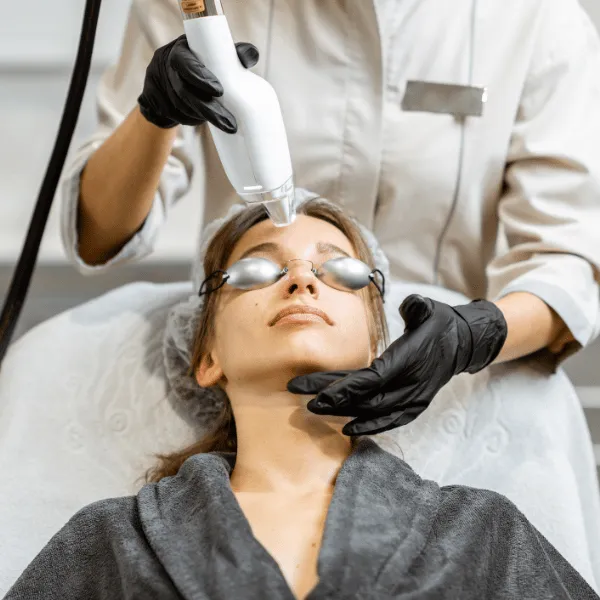
What is Laser Skin Whitening
Laser skin whitening is a cosmetic procedure designed to lighten or remove dark spots, hyperpigmentation, and uneven skin tone. It utilizes focused beams of light to target melanin, the pigment responsible for skin color. This process aims to reduce the appearance of blemishes, sunspots, and other discolorations, leading to a more even and brighter complexion. The effectiveness of the treatment depends on various factors, including the individual’s skin type, the type of laser used, and the specific skin condition being addressed. While the procedure is generally considered safe when performed by qualified professionals, it’s essential to understand its potential benefits, risks, and limitations before undergoing treatment. It is a popular option for those seeking to improve the overall appearance of their skin and achieve a more youthful look.
How Does Laser Skin Whitening Work
Laser skin whitening works by targeting melanin, the pigment that gives skin its color. The laser emits concentrated beams of light that are absorbed by the melanin in the skin. This absorption process breaks down the melanin into smaller particles, which are then naturally eliminated by the body. Different types of lasers may be used, each with specific wavelengths and energy levels, to treat various skin conditions and skin types. The laser’s precision allows it to target only the affected areas, minimizing damage to surrounding healthy skin. The number of sessions required varies depending on the individual’s skin condition, the type of laser used, and the desired results. It is crucial to follow the aftercare instructions provided by the dermatologist to ensure optimal healing and minimize potential side effects.
The Science Behind the Laser

The science behind laser skin whitening involves the principles of photothermolysis, where light energy is converted into heat. Lasers emit specific wavelengths of light that are absorbed by melanin. This absorption causes a rapid increase in temperature within the melanin-containing cells, leading to their destruction without damaging the surrounding tissues. Different types of lasers, such as Q-switched Nd YAG lasers and fractional lasers, are used based on their ability to penetrate the skin and target melanin at various depths. The laser’s precision and control allow for targeted treatment, minimizing the risk of side effects. The effectiveness of the treatment depends on the laser’s parameters, the skin’s characteristics, and the specific skin condition being addressed. Understanding the science behind the laser helps to appreciate the technology’s ability to safely and effectively lighten the skin.
Top 7 Facts About Laser Skin Whitening
Laser skin whitening is a popular cosmetic procedure, and here are 7 essential facts to know before considering this treatment. These facts cover the effectiveness, procedure, risks, and other important aspects of laser skin whitening. Knowing these facts will help you make an informed decision and set realistic expectations about the treatment. It’s crucial to consult with a dermatologist or qualified professional to determine if this procedure is suitable for your skin type and needs, and to discuss all potential risks and benefits. The aim is to provide a clear understanding of the process and help you make the right choice for your skin care goals.
Fact 1 Laser Skin Whitening Is Effective
Laser skin whitening is highly effective in reducing hyperpigmentation, dark spots, and uneven skin tone. The effectiveness of the treatment depends on the type of laser used, the individual’s skin type, and the specific skin condition being addressed. Many people experience significant improvements in their skin’s appearance after a series of laser treatments. However, it’s important to note that results can vary, and multiple sessions may be required to achieve the desired outcome. Professional consultations help assess the suitability of laser skin whitening for different skin types and conditions.
Fact 2 Different Laser Types

There are several types of lasers used for skin whitening, each with unique properties and applications. Common types include Q-switched Nd YAG lasers, fractional lasers, and IPL (Intense Pulsed Light) devices. The choice of laser depends on the skin type, the specific skin condition, and the desired outcome. Q-switched lasers are effective for treating dark spots and tattoos, while fractional lasers target specific areas for more precise treatments. IPL devices are versatile and can address a range of skin concerns. A dermatologist will assess your skin and recommend the most appropriate laser for your needs.
Fact 3 The Procedure
The laser skin whitening procedure typically involves the following steps: consultation, skin preparation, the laser treatment, and aftercare. During the consultation, the dermatologist assesses your skin type, discusses your goals, and explains the procedure. Skin preparation may involve avoiding sun exposure and using specific skincare products. During the treatment, the laser is applied to the targeted areas, and the sensation can vary. The aftercare involves following specific instructions provided by the dermatologist to promote healing and protect the skin. The duration of the procedure depends on the size of the area being treated.
Fact 4 Aftercare
Proper aftercare is essential for optimal results and to minimize potential side effects. This typically includes: avoiding sun exposure, using a broad-spectrum sunscreen with a high SPF, applying soothing creams or ointments as directed, and avoiding harsh skincare products. Following the dermatologist’s instructions carefully helps to promote healing, reduce inflammation, and prevent complications. It is important to protect the treated skin from sun damage and follow any specific guidelines provided by your dermatologist.
Fact 5 Results and Timeline

The results of laser skin whitening can vary depending on the individual and the specific skin condition. Some people see visible improvements after the first session, while others may require multiple treatments to achieve the desired results. The timeline for seeing results can also vary, but it generally takes several weeks or months to see the full effects. Results are not always permanent, and maintenance treatments may be needed over time. Consistency with aftercare and avoiding sun exposure can help prolong the effects of the treatment. Patience and realistic expectations are key.
Fact 6 Potential Risks and Side Effects
Like all cosmetic procedures, laser skin whitening carries potential risks and side effects. Common side effects include redness, swelling, and temporary darkening or lightening of the skin. More serious but less common risks include scarring, infection, and changes in skin texture. It is important to choose a qualified and experienced dermatologist or practitioner to minimize these risks. Discussing potential risks and side effects with your healthcare provider is essential before undergoing treatment. Ensuring proper aftercare and following all instructions can also reduce the risk of complications.
Fact 7 Cost of the Treatment
The cost of laser skin whitening varies depending on several factors, including the type of laser used, the size of the treatment area, and the number of sessions required. Prices can range from a few hundred to several thousand dollars per session. It’s essential to discuss the cost with your dermatologist during the consultation and understand what is included in the price. Additional costs may include follow-up appointments or maintenance treatments. Researching different clinics and comparing prices can help you find the best value while ensuring you receive high-quality care.
Benefits of Laser Skin Whitening

Laser skin whitening offers numerous benefits, including a more even skin tone, reduced appearance of dark spots and hyperpigmentation, and a brighter complexion. It can improve the overall texture of the skin, leading to a smoother and more youthful appearance. The treatment can also boost self-confidence by addressing skin concerns. The precision of the laser allows for targeted treatment, minimizing damage to surrounding tissues. Many people find that laser skin whitening helps them achieve their desired skin tone and improve their overall aesthetic appearance.
Who Is a Good Candidate
Good candidates for laser skin whitening typically have realistic expectations and specific skin concerns, such as sunspots, age spots, or uneven skin tone. It’s often most effective for people with lighter skin tones, as the laser targets melanin, which is present in higher concentrations in darker skin. A dermatologist will assess your skin type, medical history, and skin concerns during a consultation to determine if you are a suitable candidate. Individuals with certain medical conditions or those taking specific medications may not be eligible for the treatment. Open communication with your healthcare provider is essential to determine if laser skin whitening is right for you.
Consultation and Preparation
Before undergoing laser skin whitening, a consultation with a dermatologist is crucial. During the consultation, the dermatologist will assess your skin type, discuss your goals, and explain the procedure. They will also review your medical history, discuss potential risks and benefits, and determine if you are a suitable candidate. Skin preparation may include avoiding sun exposure, using specific skincare products, and possibly undergoing a patch test to assess your skin’s reaction to the laser. Following the dermatologist’s instructions for preparation helps to ensure the best possible outcomes and reduce the risk of complications.
In conclusion, laser skin whitening offers a promising solution for addressing hyperpigmentation and uneven skin tone. By understanding the science behind the procedure, the different types of lasers, and the importance of aftercare, individuals can make informed decisions about their skin care. Consulting with a qualified dermatologist is essential to determine suitability and discuss the potential benefits and risks. With proper preparation, treatment, and care, laser skin whitening can lead to significant improvements in skin appearance and boost self-confidence. Remember to always prioritize your skin’s health and well-being when considering any cosmetic procedure.