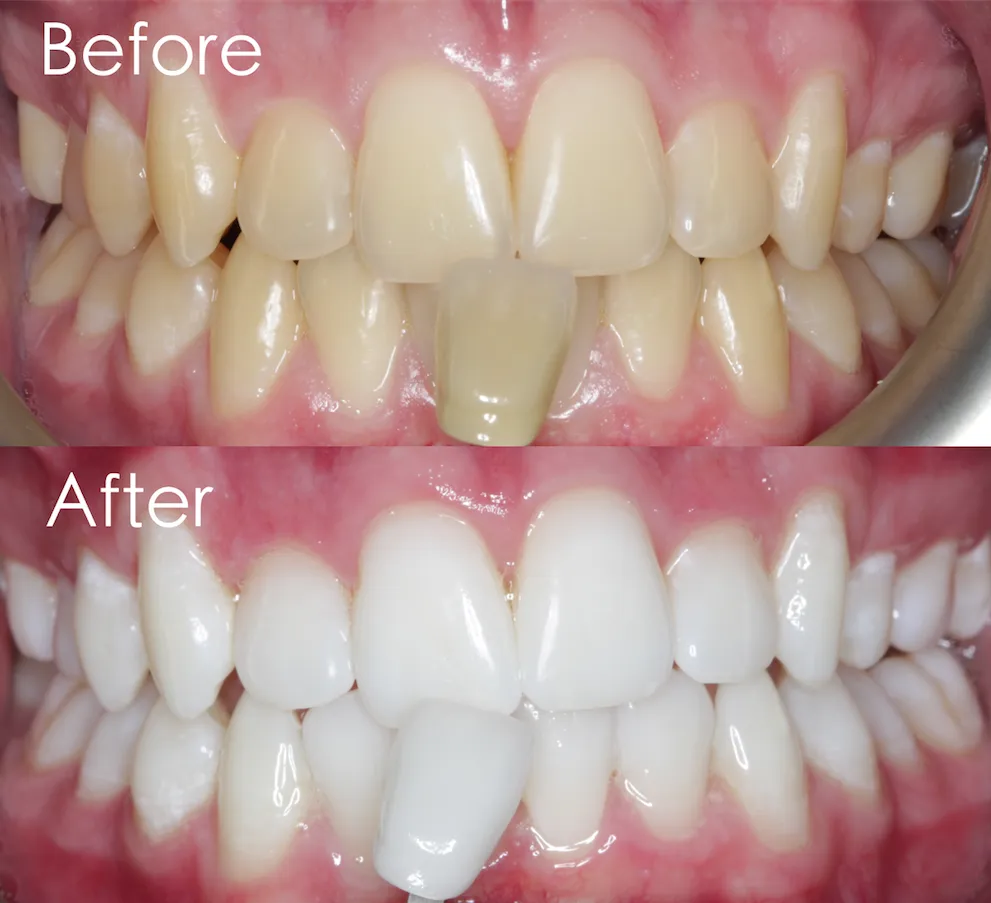
Laser Teeth Whitening Risks Top 5 Facts
Laser teeth whitening, a popular cosmetic procedure, promises a brighter smile in a short amount of time. While the allure of instant results is strong, it’s crucial to be aware of the potential risks involved. This article delves into the top 5 facts about laser teeth whitening risks, equipping you with the knowledge to make an informed decision about your dental health. Understanding these risks will help you weigh the benefits against the potential downsides, ensuring you can discuss the procedure confidently with your dentist. Remember that a beautiful smile shouldn’t come at the expense of your oral health, so careful consideration and research are key. Before you decide on laser teeth whitening, it’s vital to understand the potential side effects and long-term consequences to safeguard your teeth and gums. This guide provides comprehensive insights into these factors, empowering you to take charge of your dental well-being.
Sensitivity Issues
One of the most common risks associated with laser teeth whitening is increased tooth sensitivity. This sensitivity can manifest as sharp, shooting pains when consuming hot or cold foods and beverages. The procedure involves the use of bleaching agents, typically hydrogen peroxide, which can penetrate the enamel and reach the dentin, the layer beneath the enamel. This process irritates the nerves in the teeth, leading to sensitivity. The intensity of sensitivity varies from person to person, with some experiencing mild discomfort while others face severe pain. This heightened sensitivity usually subsides within a few days or weeks after the treatment, but it can be a significant concern for some individuals, impacting their daily life. The severity often depends on factors like the concentration of the bleaching agent used, the duration of the treatment, and the individual’s pre-existing tooth sensitivity.
Understanding Tooth Sensitivity

Tooth sensitivity occurs when the protective enamel layer is compromised, exposing the dentin tubules. These tubules contain nerve endings that transmit sensations to the brain. Laser teeth whitening can exacerbate this sensitivity by temporarily weakening the enamel and causing inflammation. This allows the bleaching agents to penetrate more easily, further irritating the nerves. Furthermore, individuals with pre-existing conditions like receding gums, cracked teeth, or thin enamel are often more susceptible to experiencing significant sensitivity. The sensation can range from a mild tingling to a sharp, intense pain, triggered by temperature changes, sweets, or even air. This sensitivity can be particularly bothersome, affecting the ability to enjoy meals and beverages comfortably, so it is crucial to understand the underlying causes to prepare for the procedure.
Management and Mitigation
Fortunately, there are several ways to manage and mitigate tooth sensitivity after laser teeth whitening. Dentists often recommend using toothpaste specifically designed for sensitive teeth, which contains ingredients like potassium nitrate or stannous fluoride to block the tubules and reduce nerve irritation. Fluoride treatments, either in-office or at-home, can also help strengthen the enamel and reduce sensitivity. Avoiding extremely hot or cold foods and beverages for a few days after the procedure is also advisable. Over-the-counter pain relievers, such as ibuprofen or acetaminophen, can help manage any discomfort. In some cases, the dentist may recommend a prescription for a stronger desensitizing agent. If sensitivity persists or worsens, consulting with your dentist is essential to rule out any underlying issues and receive appropriate treatment. By following these strategies, most individuals can effectively manage sensitivity and enjoy the benefits of a brighter smile.
Gum Irritation and Damage
Another potential risk of laser teeth whitening is gum irritation and damage. During the procedure, the bleaching agents can come into contact with the soft tissues of the gums, causing inflammation, redness, and even blistering. This irritation is more likely to occur if the gums are not properly protected during the treatment. Dentists typically use a protective barrier, such as a rubber dam or a liquid resin, to shield the gums from the bleaching agents. However, if the barrier isn’t applied correctly or if it fails, the gums can be exposed. This can lead to discomfort and, in severe cases, can contribute to gingivitis, a form of gum disease. Furthermore, individuals with pre-existing gum problems are at a higher risk of experiencing more severe irritation. Therefore, a thorough assessment of your oral health is vital before undergoing laser teeth whitening to minimize the risk of gum damage and ensure a successful outcome.
Causes of Gum Problems

The primary cause of gum irritation during laser teeth whitening is exposure to the concentrated bleaching agents, particularly hydrogen peroxide. These chemicals can be highly irritating to the delicate gum tissues, leading to inflammation and damage. Improper application of protective barriers, such as rubber dams or liquid resin, is a major factor. Gaps or leaks in the barrier can allow the bleaching agents to seep onto the gums. Additionally, the use of high concentrations of bleaching agents or prolonged exposure during the treatment can increase the risk of irritation. Pre-existing conditions like gingivitis or periodontitis make the gums more vulnerable to damage. Inadequate oral hygiene can also exacerbate the problem, as bacteria and plaque can further irritate the inflamed tissues. To prevent these issues, it is important to choose a qualified dentist, ensuring that they have expertise in properly protecting the gums. Good oral hygiene practices are also essential.
Preventive Measures
Fortunately, gum irritation can be effectively prevented or minimized. The most critical preventive measure is the proper application of a protective barrier by a skilled dentist. This barrier shields the gums from direct contact with the bleaching agents. Your dentist should carefully examine your gums beforehand to identify any existing problems. If gingivitis or other issues are present, they should be addressed before starting the whitening procedure. Using a lower concentration of the bleaching agent or shortening the treatment time can also reduce the risk of irritation. After the procedure, your dentist may recommend using a soothing gel or rinsing with a fluoride solution to help calm the gums and promote healing. Maintaining excellent oral hygiene, including regular brushing and flossing, is vital to prevent further irritation. By taking these steps, the risk of gum damage during laser teeth whitening can be significantly lowered, allowing you to achieve a brighter smile without compromising your gum health.
Enamel Damage
While laser teeth whitening is generally considered safe when performed by a qualified professional, there is a potential risk of enamel damage, especially with improper use or overuse of the procedure. Enamel, the hard outer layer of the tooth, protects the underlying dentin and nerves. Excessive exposure to bleaching agents can weaken the enamel, making it more susceptible to erosion, sensitivity, and even cavities. This damage is often caused by high concentrations of hydrogen peroxide or prolonged treatment times. Furthermore, the laser itself does not cause the whitening, but it accelerates the chemical reaction of the bleaching agent. The heat generated by the laser can potentially contribute to enamel damage if not carefully controlled. This is why it is crucial to choose a trained dentist who understands the proper techniques and can monitor the process closely, reducing the risk of long-term enamel damage and ensuring a healthy, bright smile.
Impact of Laser on Enamel

The primary impact of laser teeth whitening on enamel comes from the bleaching agents used, rather than the laser itself. Hydrogen peroxide, the most common bleaching agent, breaks down stains on the enamel surface and within the dentin. However, if used in high concentrations or for extended periods, it can lead to the loss of minerals from the enamel, weakening it. The laser is used to accelerate the chemical reaction of the bleaching agent, potentially increasing the risk if the process is not carefully monitored. Excessive heat from the laser can also contribute to enamel damage. This can lead to increased porosity, making the teeth more vulnerable to staining and sensitivity. Proper technique, including the use of appropriate concentrations of bleaching agents, controlled treatment times, and the application of fluoride to remineralize the enamel, is essential to minimize the risks. A dentist with expertise can assess your enamel’s condition before treatment and adjust the procedure to suit your individual needs, protecting your teeth from long-term damage and preserving their health.
Protection and Alternatives
Protecting enamel during laser teeth whitening involves several key strategies. Firstly, using a lower concentration of the bleaching agent can reduce the potential for damage. Secondly, limiting the duration of the treatment minimizes the risk of excessive exposure. The dentist can also apply a fluoride treatment after whitening to help remineralize the enamel and strengthen it. Fluoride helps the enamel absorb minerals, reducing sensitivity and protecting against cavities. Additionally, proper isolation techniques during the procedure are crucial to protect the enamel from the bleaching agent. If concerns about enamel damage are significant, alternative whitening methods may be considered. Options include professional whitening with lower concentrations of bleaching agents, at-home whitening kits supervised by a dentist, or non-bleaching methods like veneers or bonding. Consulting with your dentist is essential to discuss your options, assess your oral health, and select the safest and most effective teeth whitening method for you. Prioritizing enamel health ensures not only a brighter smile but also long-term dental well-being.
Uneven Whitening
Another potential risk associated with laser teeth whitening is uneven whitening. This occurs when some areas of the teeth become significantly whiter than others, resulting in an inconsistent and aesthetically displeasing result. Several factors can contribute to uneven whitening, including variations in the thickness of the enamel, the presence of existing fillings or restorations, and the type of stains present. Teeth with thinner enamel may absorb more of the bleaching agent, leading to more pronounced whitening, while areas with thicker enamel may whiten less. Fillings and other dental work do not whiten, so they will remain the original color, creating a noticeable contrast with the newly whitened enamel. Furthermore, certain types of stains, such as those caused by tetracycline antibiotics, can be more resistant to whitening. Addressing these factors is essential to achieve a more uniform and attractive result, ensuring that your smile looks its best.
Reasons for Uneven Results

Several factors can contribute to uneven whitening outcomes. Differences in enamel thickness across the teeth are a primary reason. The natural variation in enamel thickness means that some areas of the teeth absorb the bleaching agent more readily than others, leading to uneven color change. Existing dental work, such as fillings, crowns, or veneers, does not whiten, which can result in a stark contrast with the surrounding natural teeth. The type and severity of stains also play a role. Surface stains, like those caused by coffee or tea, are usually easier to remove than deeper stains, such as those caused by aging or tetracycline. The distribution of stains and their resistance to the bleaching agent can lead to variations in whitening results. Poor application of the bleaching agent or inconsistent exposure to the laser can also contribute to unevenness. Proper preparation and meticulous execution by a qualified dentist are vital to minimize these factors and achieve a more balanced whitening effect. An understanding of the potential causes helps in planning and optimizing the whitening procedure.
Solutions and Corrective Actions
If uneven whitening occurs, there are several solutions and corrective actions that can be taken. Touch-up treatments can be performed to address areas that did not whiten sufficiently. The dentist might apply the bleaching agent to these specific areas for a longer duration or use a higher concentration. In cases where the unevenness is due to the presence of existing dental work, the dentist may recommend replacing the fillings or restorations with whiter materials to match the newly whitened teeth. For more severe cases, options like porcelain veneers or dental bonding can be considered to create a more uniform and aesthetically pleasing smile. These procedures can cover discolored areas and provide a consistent color throughout. Communication with your dentist is essential throughout the process. Discussing your expectations and any concerns beforehand can help minimize the risk of uneven results. Regular follow-up appointments will enable the dentist to assess the outcome and make any necessary adjustments to ensure your satisfaction with your brighter smile. This collaborative approach ensures a successful and visually appealing outcome.
Cost and Effectiveness
Finally, it’s important to consider the cost and effectiveness of laser teeth whitening. Laser teeth whitening is often more expensive than other whitening options, such as at-home whitening kits or professional whitening without a laser. The cost typically reflects the advanced technology and the expertise required to perform the procedure. Regarding effectiveness, laser teeth whitening can produce dramatic results in a short time, with many patients experiencing significant whitening after a single session. However, the longevity of the results can vary depending on factors like oral hygiene habits, diet, and lifestyle. Furthermore, the effectiveness of the treatment can also depend on the type and severity of the stains. Therefore, it is crucial to weigh the cost against the potential benefits and long-term results. Before making a decision, compare the different whitening options, considering both the initial cost and the ongoing maintenance required to maintain a brighter smile. A thorough understanding of these factors allows you to make an informed choice that aligns with your budget and desired outcomes.
Cost of Laser Teeth Whitening

The cost of laser teeth whitening typically ranges from several hundred to over a thousand dollars, varying based on geographic location, the dentist’s fees, and the complexity of the procedure. This higher cost compared to other whitening methods is primarily due to the use of specialized equipment, the expertise of the dental professional, and the time involved in the procedure. Factors influencing the final cost include the number of teeth being treated, the type of bleaching agent used, and any additional services provided, such as pre-treatment cleaning or post-treatment fluoride applications. Before undergoing laser teeth whitening, it’s important to inquire about the complete cost, including any potential follow-up treatments or maintenance. Also, inquire whether your dental insurance covers any portion of the cost, as cosmetic procedures are often not covered. Comparing the cost with alternative whitening options, such as at-home kits or professional treatments without a laser, helps you determine the best value for your budget and your desired outcome. Transparency about the financial aspects ensures you can make an informed decision.
Effectiveness and Longevity
Laser teeth whitening is known for its effectiveness in producing rapid results, often brightening teeth several shades in a single session. The immediate impact is a major advantage, making it a popular choice for people who want quick and noticeable changes. However, the longevity of the results varies depending on several factors. Maintaining a white smile requires diligent oral hygiene practices, including regular brushing, flossing, and professional dental cleanings. Avoiding or limiting the consumption of staining foods and beverages, such as coffee, tea, red wine, and dark-colored sodas, is crucial. Additionally, lifestyle choices, such as smoking, can significantly affect the duration of the whitening effect. While laser teeth whitening can provide dramatic initial results, the effects gradually fade over time. Touch-up treatments or the use of at-home whitening products may be necessary to maintain the desired brightness. Understanding these factors allows you to manage expectations and implement the necessary steps to extend the longevity of your whitening results, ensuring that your smile remains radiant for as long as possible. Ultimately, laser teeth whitening effectiveness depends on both the procedure and the patient’s ongoing care.