The Rise of New Teeth Whitening Products
The pursuit of a brighter, whiter smile has led to an explosion of new teeth whitening products. From the shelves of your local drugstore to the offices of dental professionals, options abound, each promising to transform your smile. The evolution of teeth whitening has been remarkable, with innovative formulations and technologies continually emerging to meet consumer demand. Consumers are increasingly aware of the impact a bright smile can have on their overall appearance and confidence, driving the market for effective and convenient whitening solutions. This interest has fueled significant research and development, resulting in a diverse range of products designed to cater to various needs and preferences. This includes everything from over-the-counter options designed for home use to professional treatments administered by dental experts.
Understanding the Science Behind Teeth Whitening
At the heart of teeth whitening lies a fascinating process rooted in chemistry and biology. The color of our teeth is determined by a combination of factors including genetics, diet, and the natural aging process. Stains and discoloration can accumulate on the enamel surface and within the deeper layers of the dentin. Whitening products work by using oxidizing agents to break down the molecules causing stains, effectively lightening the teeth. These agents, typically containing hydrogen peroxide or carbamide peroxide, penetrate the enamel and dentin, reacting with the stain molecules and breaking them into smaller, less visible particles. The effectiveness of a whitening product depends on the concentration of the active ingredients, the duration of application, and the individual’s tooth structure. Understanding the underlying science is key to making informed choices about which products will work best for you.
The Active Ingredients in Teeth Whitening Products

The efficacy of teeth whitening products largely hinges on the active ingredients that drive the whitening process. Several key components are frequently found in a variety of products, each offering a unique approach to brightening your smile. These ingredients are formulated to target and eliminate stains, leaving your teeth noticeably whiter. The concentration and type of active ingredients play a crucial role in determining the speed and extent of whitening, as well as the potential for sensitivity. Knowing the science behind each component will help to establish realistic expectations and informed choices. The following are the most commonly used ingredients in new teeth whitening products.
Hydrogen Peroxide
Hydrogen peroxide is one of the most potent and widely used active ingredients in teeth whitening products. It functions as an oxidizing agent, which means it breaks down the stain molecules present in the teeth. In whitening products, hydrogen peroxide comes in varying concentrations, from lower percentages in over-the-counter products to higher concentrations in professional treatments. The higher the concentration, the faster and more dramatic the whitening effect, but this also increases the risk of sensitivity. When hydrogen peroxide comes into contact with the teeth, it penetrates the enamel and dentin, where it releases oxygen free radicals. These free radicals then interact with the stain molecules, breaking them down into smaller, less visible compounds, thereby making the teeth appear whiter. Products containing hydrogen peroxide are known for their effectiveness and are a staple in both at-home and professional whitening treatments.
Carbamide Peroxide
Carbamide peroxide is another key ingredient in teeth whitening, especially found in at-home products such as whitening strips and trays. It acts as a gentler, more stable form of hydrogen peroxide. When carbamide peroxide comes into contact with water, it breaks down into hydrogen peroxide and urea. The hydrogen peroxide component then works in a similar fashion to pure hydrogen peroxide, penetrating the tooth enamel to oxidize stain molecules. The urea component also plays a role by helping to balance the pH of the solution, potentially reducing tooth sensitivity. Because carbamide peroxide releases hydrogen peroxide more gradually, it is often preferred in at-home treatments, offering a balance between effectiveness and comfort. This slow-release mechanism makes carbamide peroxide a popular choice for those seeking to brighten their smiles gradually and with reduced sensitivity.
Sodium Chlorite

Sodium chlorite is an oxidizing agent that can also be found in some whitening products, particularly in toothpastes and mouthwashes. While not as potent as hydrogen peroxide or carbamide peroxide, it still contributes to the whitening effect by helping to break down stains on the tooth surface. Sodium chlorite acts as a mild disinfectant and helps in reducing the buildup of plaque and bacteria, contributing to a healthier mouth environment. The oxidizing properties of sodium chlorite help to lift surface stains, leading to a brighter appearance over time. The use of sodium chlorite is often combined with other whitening agents in toothpaste and mouthwashes to enhance their overall effectiveness. Its milder nature makes it a suitable option for those with sensitive teeth or who prefer a gentler approach to whitening. Products containing sodium chlorite are a useful component of a regular oral hygiene routine, aiding in maintaining a brighter and cleaner smile.
Secret 1 Choosing the Right Product Type
With an overwhelming number of teeth whitening products available, choosing the right type can feel daunting. The best choice depends on your individual needs, preferences, and budget. Consider the level of convenience, the desired speed of results, and any potential sensitivity concerns. Some products are designed for daily use, while others are intended for periodic treatments. Understanding the different product types and their benefits will help you make an informed decision that aligns with your goals for a brighter smile. Always read the product instructions and consult with a dental professional to ensure the product is right for you. The following are some of the most popular options in new teeth whitening products.
Whitening Toothpastes
Whitening toothpastes are a convenient and accessible option for everyday use. They typically contain mild abrasives and whitening agents, like sodium chlorite, which help to remove surface stains and polish the teeth. While these toothpastes are effective at removing stains caused by coffee, tea, or tobacco, they generally offer only a modest whitening effect. The abrasives help to scrub away surface discoloration, and the whitening agents contribute to brightening the teeth over time. Whitening toothpastes are a good choice for maintaining the results of other whitening treatments or for those seeking a gradual improvement in their smile. It is important to note that whitening toothpastes are not as effective as professional treatments or products with higher concentrations of active ingredients. The results are often subtle but can contribute to a brighter smile when incorporated into your daily oral hygiene routine.
Over-the-Counter Whitening Strips

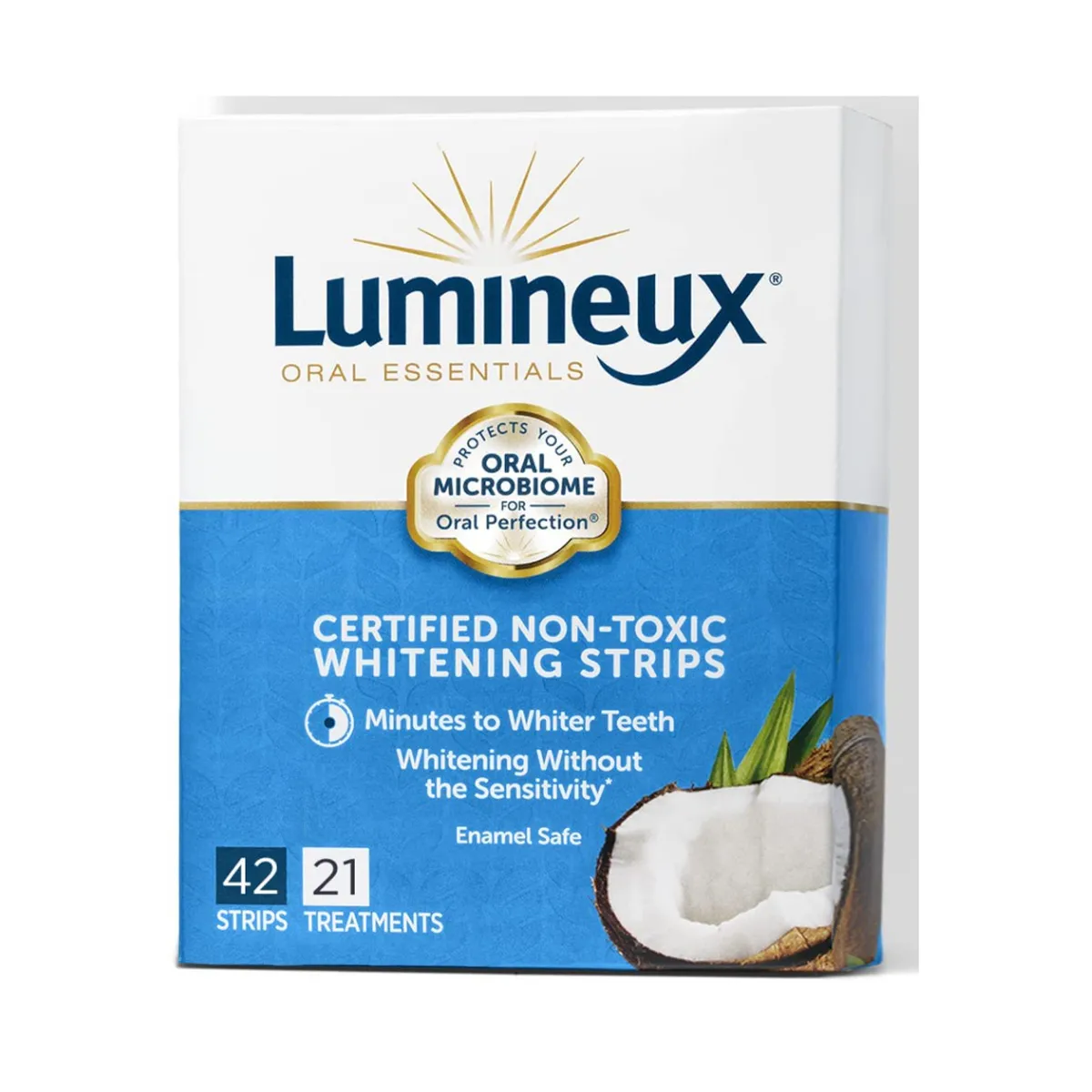
Whitening strips are a popular over-the-counter option known for their ease of use and visible results. These thin, flexible strips are coated with a whitening gel containing either hydrogen peroxide or carbamide peroxide. The strips are applied directly to the teeth and left in place for a specific period, typically 30 minutes to an hour, depending on the product instructions. Over-the-counter whitening strips offer a moderate level of whitening, with results often visible within a few weeks of use. The strips adhere to the teeth, ensuring the whitening gel is in close contact for effective stain removal. The convenience of whitening strips makes them a great choice for those who want to whiten their teeth at home without the need for custom trays or professional treatments. Always follow the product instructions carefully to avoid potential side effects, such as tooth sensitivity or gum irritation.
Professional Teeth Whitening
Professional teeth whitening offers the most dramatic and rapid results. Performed by a dentist or dental professional, these treatments use highly concentrated whitening agents, typically hydrogen peroxide, to achieve significant color change in a single visit. The process often involves isolating the teeth from the gums and applying the whitening solution, which may be activated by a special light or laser. Professional whitening can lighten teeth several shades in a short period, making it the most effective option for those seeking significant and immediate results. Additionally, dental professionals can customize the treatment to address specific areas or levels of discoloration. While professional whitening is the most expensive option, it offers the benefit of expert supervision and is often the safest way to whiten teeth. Consult with your dentist to determine if professional whitening is right for you and to learn about the available treatment options.
Secret 2 Understanding Your Teeth’s Sensitivity
Tooth sensitivity is a common side effect of teeth whitening, which can range from mild discomfort to sharp, intense pain. This sensitivity often occurs because the whitening agents, such as hydrogen peroxide, can penetrate the enamel and reach the dentin, which contains nerve endings. The degree of sensitivity varies depending on the concentration of the whitening agent, the duration of exposure, and individual tooth structure. Some people are naturally more prone to sensitivity than others. Understanding the factors that contribute to sensitivity, along with preventative measures, is crucial for a comfortable whitening experience. In addition to the whitening agent, other factors can increase sensitivity such as pre-existing dental conditions, aggressive brushing, and the consumption of acidic foods and beverages. The following are things to consider to address tooth sensitivity.
Foods and Drinks to Avoid

Certain foods and drinks can exacerbate teeth sensitivity, making the whitening process uncomfortable. Highly acidic items, such as citrus fruits, tomatoes, and carbonated beverages, can erode the enamel and increase sensitivity. Consuming these foods and drinks during and immediately after whitening treatments can worsen discomfort. It is advisable to limit the intake of these items during your whitening journey. Additionally, very hot or cold foods and beverages can trigger sensitivity, as the temperature changes can stimulate nerve endings. Make sure to consume food and drinks at a moderate temperature to minimize discomfort. By being mindful of your diet and making adjustments to your eating habits, you can significantly reduce sensitivity while whitening your teeth. It’s recommended to wait at least 30 minutes after consuming acidic foods before brushing your teeth to prevent enamel erosion.
Home Remedies for Sensitivity
Several home remedies can help manage teeth sensitivity during a whitening treatment. Using a toothpaste designed for sensitive teeth is one of the most effective ways to reduce discomfort. These toothpastes typically contain ingredients like potassium nitrate, which blocks nerve signals and reduces sensitivity. Application of fluoride gel or mouthwash can strengthen enamel and provide an additional layer of protection. You can also avoid aggressive brushing and opt for a soft-bristled toothbrush to prevent irritation. It’s also helpful to use a straw for drinking acidic beverages. By incorporating these simple home remedies into your routine, you can often make teeth whitening a much more comfortable experience. If sensitivity persists or worsens, it’s essential to consult with your dentist for guidance.
Secret 3 The Importance of Oral Hygiene
Maintaining excellent oral hygiene is crucial for the success and longevity of any teeth whitening treatment. Proper oral hygiene not only enhances the whitening results but also ensures overall dental health. A consistent routine that includes regular brushing, flossing, and dental checkups is paramount. When your teeth are clean and free from plaque and tartar, the whitening agents can penetrate the enamel more effectively. Additionally, good oral hygiene helps to prevent new stains from forming. Without good oral hygiene, whitening may produce uneven results. The foundation of a bright, healthy smile lies in a dedicated oral hygiene practice.
Brushing and Flossing

Brushing and flossing are the cornerstones of good oral hygiene, helping to remove plaque, food particles, and surface stains from the teeth. Brushing twice daily with a fluoride toothpaste is essential for cleaning the teeth and strengthening the enamel. Make sure to brush for at least two minutes each time, covering all surfaces of the teeth. Flossing at least once a day removes plaque and food particles from between the teeth and under the gum line, where a toothbrush cannot reach. Effective flossing prevents the buildup of bacteria and reduces the risk of gum disease. When whitening your teeth, brushing and flossing help ensure that the whitening agents can effectively reach the teeth. Always use gentle strokes to avoid damaging the gums or irritating sensitive areas. Make sure to take care in your oral hygiene so that your teeth are cleaned thoroughly.
Regular Dental Checkups
Regular dental checkups and professional cleanings are vital components of a comprehensive oral hygiene routine. During these visits, your dentist or hygienist can remove plaque and tartar that brushing and flossing may miss. Professional cleanings also help remove surface stains that can interfere with teeth whitening. Dentists can identify and address any underlying dental issues, such as cavities or gum disease, before you begin whitening. Having a healthy mouth is important to having a safe experience with whitening. Regular checkups also allow the dentist to evaluate the effectiveness of the whitening treatment and monitor any potential side effects. By attending regular checkups, you can maintain optimal oral health and support your efforts to achieve a brighter, whiter smile.
Secret 4 Evaluating the Safety of Products
When considering teeth whitening products, it’s important to prioritize safety. The FDA (Food and Drug Administration) plays a crucial role in ensuring the safety and effectiveness of dental products. By understanding FDA regulations and potential side effects, you can make informed choices and minimize the risk of adverse reactions. Make sure to investigate the product ingredients. Make sure to check for any known allergies, sensitivities, or dental conditions. By knowing these things, you can make the safest decision possible. Always start with a lower concentration of active ingredients if you are unsure or have sensitive teeth. Be mindful of the duration of use and monitor your teeth for any signs of irritation or discomfort.
FDA Approval

The FDA regulates dental products, including teeth whitening treatments, to ensure their safety and efficacy. The agency reviews the ingredients, manufacturing processes, and claims made by manufacturers. While the FDA does not pre-approve every product, it does set standards for safety and labeling. Look for products that comply with FDA regulations and have been manufactured in facilities that meet these standards. When choosing a whitening product, check the packaging for an FDA-approved statement. This statement will provide you with some peace of mind. Moreover, always be cautious of products that make exaggerated claims or offer results that seem too good to be true. Consulting with your dentist is the best way to ensure that the product is safe for your specific dental needs.
Potential Side Effects
While generally safe, teeth whitening products can have some potential side effects. The most common side effect is tooth sensitivity, which can range from mild to severe. It usually resolves within a few days of stopping the whitening treatment. Gum irritation or inflammation can also occur, particularly if the product comes into contact with the gums. In rare cases, people can experience chemical burns or changes in the tooth enamel. Make sure you know what to do if these symptoms persist. Always follow the product instructions and avoid overusing the product. Should any adverse reactions occur, discontinue use immediately and consult with your dentist. Being aware of these potential side effects enables you to take precautions and ensures a comfortable whitening experience.
Secret 5 Long-Term Maintenance and Expectations
Achieving and maintaining a bright, white smile requires a commitment to long-term maintenance. Teeth whitening is not a one-time fix, and the results can fade over time due to various factors, including diet, lifestyle, and oral hygiene habits. Understand the longevity of your whitening results and make a plan to sustain them. Follow the care instructions and guidelines. Adjust your diet, lifestyle, and oral hygiene to suit. Regular touch-up treatments, coupled with good oral care practices, can help you maintain your bright smile for years. Setting realistic expectations is also key to a satisfying teeth whitening experience. The following are things to do to maintain your results.
Maintaining Your White Smile

Maintaining a white smile involves a combination of consistent oral care practices and lifestyle adjustments. Regular brushing and flossing are crucial to remove surface stains and prevent discoloration. Limit the consumption of stain-causing foods and drinks, such as coffee, tea, red wine, and dark-colored berries. Consider using a whitening toothpaste or mouthwash to help remove surface stains. If you are a smoker, consider quitting to maintain your results. It is also important to schedule regular dental checkups and cleanings to remove plaque and tartar, which can dull your smile. Depending on your lifestyle and diet, you may consider periodic touch-up treatments to maintain your desired level of brightness. By taking proactive steps, you can extend the longevity of your whitening results and keep your smile radiant.
When to Seek Professional Help
While many teeth whitening treatments can be done at home, there are certain situations where seeking professional help is recommended. If you experience severe tooth sensitivity or gum irritation, consult your dentist immediately. The dentist can assess the cause of the sensitivity and recommend appropriate treatments. If you have existing dental issues, such as cavities or gum disease, it is essential to address these problems before starting a whitening treatment. Your dentist can provide personalized guidance. If you have very dark or intrinsic stains, professional whitening treatments may be more effective than over-the-counter options. Your dentist can also help evaluate the best approach. Furthermore, if you’re not satisfied with the results of at-home whitening, professional treatments can offer more significant and customized solutions. Consulting with a dental professional ensures a safe, effective, and tailored approach to achieving your desired smile.