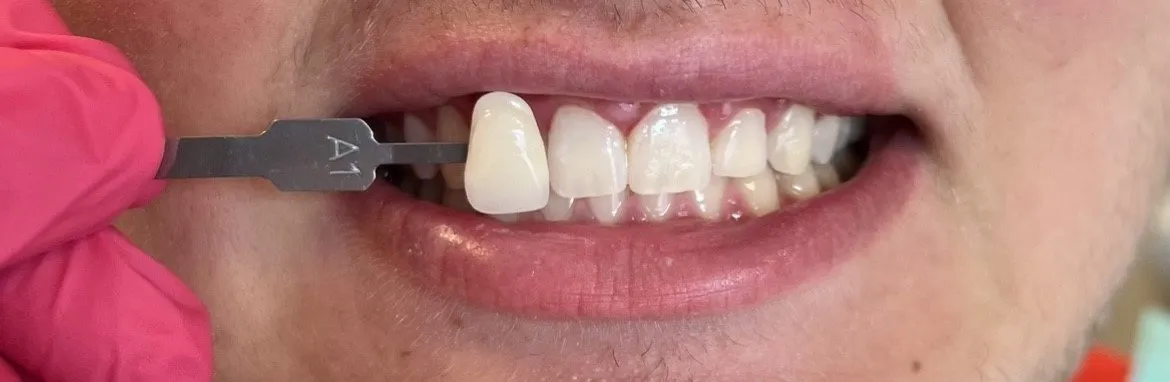
What is Office Whitening
Office whitening, also known as in-office teeth whitening, is a professional cosmetic dental procedure designed to significantly brighten your smile in a single appointment. This method uses a high-concentration bleaching agent, typically hydrogen peroxide, applied directly to the teeth by a dentist. The procedure is far more potent than over-the-counter whitening products or at-home kits, leading to dramatic and immediate results. The process often includes the use of a special light or laser to accelerate the whitening process, enhancing the bleaching agents effectiveness. Office whitening is a popular choice for individuals seeking a quick and effective solution for stained, discolored, or dull teeth, offering a boost of confidence with a noticeably brighter smile. This professional approach ensures the safety and efficacy of the treatment, carried out under the supervision of a dental professional.
How Office Whitening Works
The effectiveness of office whitening stems from the concentrated bleaching agents used. These agents, typically hydrogen peroxide or carbamide peroxide, penetrate the enamel of the teeth to break down the stain molecules. When the bleaching agent comes into contact with the discolored molecules, it oxidizes them, essentially eliminating the stains and revealing a brighter, whiter tooth surface. The use of specialized lights or lasers further boosts this process by accelerating the chemical reaction. This enables a faster and more effective whitening process compared to at-home methods. The intensity and duration of the treatment are carefully controlled by the dentist to minimize any potential sensitivity or damage to the teeth. The entire process is meticulously monitored to ensure the best possible outcome for the patient.
The Office Whitening Procedure Step-by-Step

The office whitening procedure typically involves several key steps. First, the dentist or dental hygienist will assess your teeth to determine the extent of discoloration and suitability for whitening. They will then clean your teeth thoroughly to remove plaque and debris. Next, a protective barrier, such as a rubber dam or protective gel, is applied to the gums to shield them from the bleaching agent. After the gums are protected, the whitening solution is carefully applied to the teeth. A special light or laser may be used to activate and enhance the bleaching process. The solution is usually left on the teeth for a specific period, often in intervals of 15 to 20 minutes, and the process is repeated several times during the session. Finally, the dentist removes the bleaching agent, and applies a fluoride treatment to reduce any sensitivity. The entire procedure usually takes about one to two hours.
Preparing for Your Office Whitening Appointment
Proper preparation is essential for a successful office whitening experience. Before your appointment, it’s recommended to schedule a dental cleaning to remove any surface stains and plaque, which can impede the whitening process. Inform your dentist about any dental work you have had, such as fillings, crowns, or veneers, as these will not whiten with the procedure. Discuss any sensitivity issues or allergies you may have. Avoid consuming foods and drinks that can stain your teeth, such as coffee, tea, and red wine, for a few days before the appointment to enhance the results. If you have sensitive teeth, your dentist may recommend using a special toothpaste containing potassium nitrate for a couple of weeks before the treatment to minimize sensitivity. Understanding the procedure and setting realistic expectations can also contribute to a more satisfying outcome.
Aftercare Tips for Maintaining Your Bright Smile
Following the office whitening procedure, proper aftercare is crucial for maintaining your brighter smile. For the first 24 to 48 hours, avoid foods and beverages that can stain your teeth, such as coffee, tea, red wine, berries, and heavily pigmented sauces. It’s advisable to use a whitening toothpaste and a soft-bristled toothbrush. Regular dental checkups and cleanings are also essential to maintain oral health and extend the longevity of the whitening results. Consider using a straw for beverages that can stain your teeth to minimize contact with the teeth. Additionally, you can discuss the possibility of touch-up treatments with your dentist to further extend the results of your office whitening treatment. Maintaining good oral hygiene practices, including brushing twice a day and flossing daily, will also help keep your smile bright.
Benefits of Office Whitening

Office whitening offers several benefits that make it an attractive choice for many. One of the most significant advantages is the immediate and dramatic results. Unlike at-home methods that require weeks of use, office whitening can significantly lighten your teeth in a single session. It’s also a safe and controlled procedure, performed under the supervision of a dental professional who can monitor your teeth for any sensitivity and adjust the treatment accordingly. Office whitening can address various types of discoloration, from stains caused by aging and medications to those caused by food and drinks. The treatment provides a boost in self-confidence, leading to a more radiant smile. The process can also be customized to meet individual needs, providing more effective and efficient results.
Office Whitening vs. At-Home Whitening
When considering teeth whitening, the choice between office whitening and at-home methods is important. Office whitening offers faster and more dramatic results due to the higher concentration of bleaching agents and the use of specialized lights. At-home whitening kits are more affordable and convenient for regular use; however, results are usually gradual and less pronounced. Office whitening ensures professional supervision and a customized treatment, reducing the risk of uneven whitening or damage to the teeth. At-home methods might be preferred for those seeking a more gradual whitening process or as a maintenance measure after office whitening. Both options have their benefits, and the best choice depends on individual needs, preferences, and the severity of tooth discoloration. Consulting with a dentist is essential to decide which option is most suitable for your specific situation.
Finding a Qualified Dentist for Office Whitening
Choosing the right dentist is crucial for a successful office whitening procedure. Look for a dentist with experience and a good reputation in cosmetic dentistry. Check online reviews and ask for recommendations from friends or family. Schedule a consultation to discuss your goals and assess the dentist’s approach to whitening. Ensure the dentist uses modern equipment and the latest techniques for the procedure. Verify that the dental practice follows strict sterilization protocols and prioritizes patient safety. During the consultation, the dentist should perform a thorough examination of your teeth and gums to assess your suitability for the procedure. They should also explain the procedure in detail, including the potential risks and benefits. A dentist who takes the time to answer your questions and makes you feel comfortable is more likely to deliver satisfactory results.
Cost of Office Whitening and Insurance Coverage

The cost of office whitening can vary depending on factors such as the dentist’s location, the extent of the procedure, and the materials used. Generally, office whitening is more expensive than at-home whitening options. The cost typically includes the initial consultation, the whitening procedure itself, and any necessary protective measures. Dental insurance rarely covers cosmetic procedures like teeth whitening. Therefore, patients usually pay the full cost out-of-pocket. However, some dental insurance plans may offer discounts or partial coverage for teeth whitening. It is recommended to inquire with your insurance provider about your plan’s specific coverage details before undergoing the treatment. Discussing payment options and financing plans with the dental practice can help make the procedure more affordable. The long-term benefits of a brighter smile can make the investment worthwhile for many individuals.