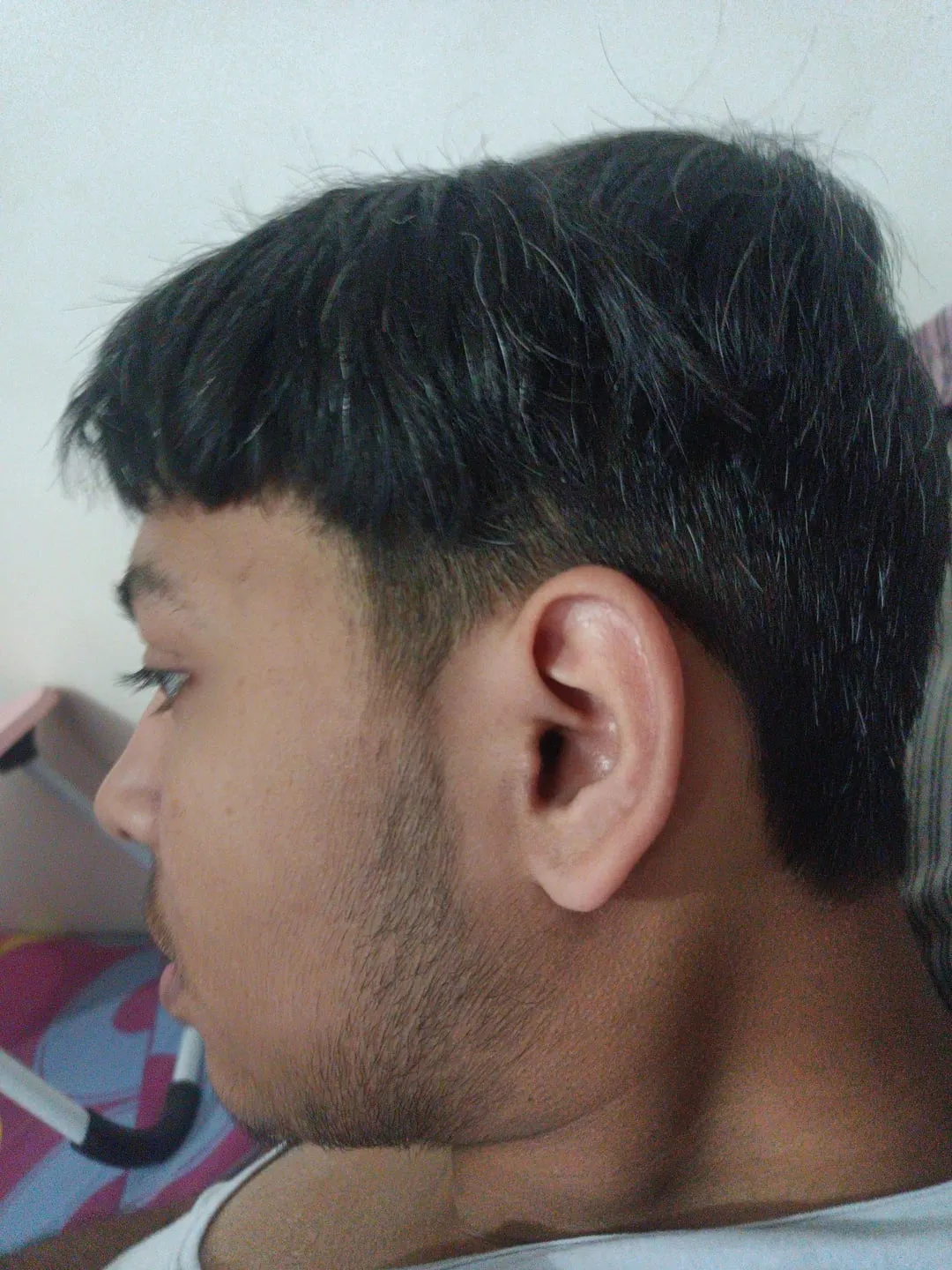
What Causes Premature Hair Whitening?
Premature hair whitening, often a source of concern for many, is a complex phenomenon influenced by various factors. Understanding the underlying causes is the first step in prevention. The process of hair graying, or the loss of pigment, is primarily due to the decline in melanin production. Melanin, produced by melanocytes in hair follicles, gives hair its color. As we age, melanocyte activity naturally decreases. However, premature graying occurs when this process accelerates, leading to the appearance of white or gray hairs earlier than expected. This can be influenced by multiple factors, including genetics, oxidative stress, nutritional deficiencies, and lifestyle choices. Identifying these causes is crucial for developing effective strategies to mitigate or delay the onset of premature hair whitening. Moreover, acknowledging the interplay of these factors helps to appreciate the holistic approach needed for healthy hair and overall well-being.
Genetics and Premature Graying
Genetics play a significant role in determining when and how quickly hair grays. If your parents or grandparents experienced premature graying, you are more likely to experience it as well. This hereditary predisposition influences the activity of melanocytes and the rate at which they produce melanin. Some genetic variations might make individuals more susceptible to early hair whitening. Research suggests specific genes are associated with the aging process and melanin production, thus contributing to graying. While genetics are an inherent factor, lifestyle choices and environmental influences can also impact the rate of graying. Understanding your family history can provide valuable insights into your potential for premature hair whitening. However, it’s important to remember that genetics are not the sole determinant. Proactive measures, such as a healthy diet, stress management, and proper hair care, can help mitigate the impact of genetic predisposition and maintain vibrant hair color for longer.
Role of Oxidative Stress

Oxidative stress is a key contributor to premature hair whitening. This imbalance occurs when there’s an excess of free radicals and a deficiency of antioxidants in the body. Free radicals are unstable molecules that can damage cells, including those responsible for melanin production in hair follicles. Factors like pollution, UV radiation, and poor diet can increase oxidative stress levels. Antioxidants, found in foods and supplements, help neutralize free radicals, protecting cells from damage. When the body’s antioxidant defenses are overwhelmed, oxidative stress accelerates the aging process, including the decline in melanin production. Therefore, maintaining a diet rich in antioxidants is crucial to combat oxidative stress and prevent premature hair whitening. Incorporating antioxidant-rich foods, such as fruits, vegetables, and green tea, can help to support healthy hair and overall well-being. Reducing exposure to environmental stressors, such as smoking and excessive sun exposure, is also important.
Nutritional Deficiencies and Hair Whitening
Nutritional deficiencies can significantly impact hair health, including contributing to premature hair whitening. A lack of certain vitamins and minerals essential for hair growth and melanin production can accelerate graying. Deficiencies in vitamin B12, vitamin D, and iron, are frequently linked to premature hair whitening. Vitamin B12 plays a crucial role in cell growth and the production of red blood cells, which carry oxygen to hair follicles. Iron helps in carrying oxygen to the hair roots, supporting hair health. Vitamin D contributes to hair follicle cycling, and its deficiency can disrupt this process. A balanced diet rich in these nutrients can help to prevent or slow down premature graying. Supplementation might be beneficial if deficiencies are detected, but it’s always advisable to consult a healthcare professional before starting any new supplements. Focusing on a nutritious diet and addressing potential deficiencies can significantly improve hair health and delay the onset of graying, promoting overall well-being.
Top 5 Tips to Prevent Premature Hair Whitening
Preventing premature hair whitening involves a multifaceted approach, combining dietary adjustments, lifestyle changes, and proper hair care. By adopting these strategies, you can potentially slow down or delay the onset of graying, maintaining your natural hair color for longer. These tips focus on addressing the underlying causes of premature graying. These effective measures promote healthy hair and overall well-being.
Eat a Balanced Diet for Hair Health

Nourishing your body with a balanced diet is fundamental in preventing premature hair whitening. Your hair requires essential nutrients, vitamins, and minerals to maintain its color and health. Include foods rich in antioxidants, such as berries, spinach, and nuts, to combat oxidative stress. Ensure you consume adequate amounts of protein, as it is a building block of hair. Incorporate foods rich in iron, like lean meats and lentils, and vitamin B12, found in animal products. A diet high in processed foods and low in essential nutrients can accelerate graying. Focus on whole, unprocessed foods, including fruits, vegetables, lean proteins, and whole grains. Consider consulting a nutritionist or dietitian to create a personalized meal plan that supports your hair health. A well-balanced diet not only benefits your hair but also enhances your overall health and well-being. Prioritizing nutrient-rich foods can significantly contribute to maintaining your natural hair color and delaying premature graying.
Manage Stress Effectively
Managing stress is crucial for overall health and can significantly impact hair health. Chronic stress can disrupt various bodily functions, including those related to hair growth and melanin production. High stress levels can lead to increased oxidative stress, which accelerates the graying process. Incorporate stress-reducing activities into your daily routine, such as regular exercise, meditation, yoga, or spending time in nature. Practicing mindfulness and deep breathing exercises can also help to manage stress levels. If you’re experiencing high levels of stress, consider seeking support from a therapist or counselor. They can provide tools and strategies to cope with stress effectively. Prioritizing mental and emotional well-being is essential, as it not only benefits your mental health but also positively impacts your hair’s health and appearance. Effectively managing stress can help to reduce oxidative stress, supporting the preservation of your natural hair color and overall well-being.
Protect Your Hair from Sun Damage
Protecting your hair from sun damage is vital for maintaining its color and health. Prolonged exposure to ultraviolet (UV) rays can damage hair shafts, leading to dryness, brittleness, and premature graying. UV radiation can also contribute to oxidative stress, which damages the melanin-producing cells. When spending time outdoors, wear a hat or use hair products with UV protection. These measures shield your hair from harmful sun rays. Avoid excessive exposure to the sun, especially during peak hours. Consider using leave-in conditioners or hair oils that contain UV filters. These products create a protective barrier against the sun. By implementing these protective measures, you can minimize sun-induced damage, preserving your hair color and overall health. Protecting your hair from the sun is a simple yet effective way to support its health and beauty, helping you to maintain your natural hair color for longer.
Avoid Smoking and Limit Alcohol Consumption

Smoking and excessive alcohol consumption can negatively impact hair health and accelerate premature graying. Smoking introduces harmful chemicals and toxins into the body, increasing oxidative stress and damaging hair follicles. This can disrupt melanin production, leading to graying. Similarly, excessive alcohol consumption can deplete essential nutrients and dehydrate the body, affecting hair health and potentially accelerating graying. Quitting smoking is one of the best things you can do for your overall health, including your hair. Limiting alcohol intake and avoiding excessive consumption is also beneficial. If you smoke, consider seeking support to quit. Prioritize a healthy lifestyle, with a balanced diet, regular exercise, and stress management. These changes can help to reduce oxidative stress, support hair health, and potentially slow down the graying process. By avoiding smoking and limiting alcohol, you’re making choices that support not only your physical health but also the longevity of your natural hair color.
Consider Supplements and Treatments
In addition to dietary changes and lifestyle adjustments, considering supplements and treatments may help in preventing premature hair whitening. Certain supplements can support hair health and potentially slow down graying. Look for supplements containing vitamins B12 and D, which are often deficient in people experiencing premature graying. Antioxidant supplements, such as glutathione or catalase, can also help to combat oxidative stress. Before taking any supplements, consult with a healthcare professional to determine the appropriate dosage and to ensure they do not interact with any medications you are taking. In addition to supplements, certain topical treatments may help to stimulate melanin production or improve hair health. Research any treatments before using them. Remember, maintaining a healthy lifestyle, including a balanced diet and stress management, is crucial for overall hair health. Supplements and treatments should be used in conjunction with these other preventive measures to achieve the best results. Always prioritize a holistic approach to hair care.
Lifestyle Changes to Prevent Graying
Making certain lifestyle changes can play a significant role in preventing premature hair whitening. These changes complement other preventive measures, such as dietary adjustments and stress management. These lifestyle modifications help to address underlying factors that contribute to premature graying. By adopting a holistic approach, you can enhance your overall health and maintain your natural hair color for longer. Prioritizing these changes as part of a daily routine can help promote healthy hair and reduce the likelihood of premature graying.
Importance of Regular Hair Care Routine

A regular hair care routine is essential for maintaining healthy hair and preventing premature graying. Using gentle, sulfate-free shampoos and conditioners can help to protect the hair’s natural oils, keeping it hydrated and healthy. Avoid harsh chemicals and excessive heat styling, as these can damage the hair and contribute to premature graying. Trim your hair regularly to remove split ends, which can make hair look dull and lifeless. Consider incorporating hair masks or deep conditioning treatments once or twice a week to provide extra nourishment. When styling your hair, use heat protectants to minimize damage from heat. Regularly massage your scalp to stimulate blood flow and promote hair growth. A consistent hair care routine can improve the overall health of your hair, making it more resistant to premature graying. This supports your hair’s natural color and luster, helping you to maintain a vibrant appearance.