The Basics of Teeth Whitening and Red Bull
Teeth whitening is a popular cosmetic dental procedure designed to lighten the shade of your teeth, removing stains and discoloration. It typically involves the use of bleaching agents like hydrogen peroxide or carbamide peroxide. These agents penetrate the enamel, breaking down the stain molecules and restoring the natural whiteness of your teeth. Following teeth whitening, maintaining the achieved results is crucial, and that’s where lifestyle choices like your beverage consumption come into play. Red Bull, a popular energy drink, contains ingredients that can negatively impact the effects of teeth whitening. Understanding the interaction between teeth whitening and Red Bull is essential for anyone seeking a brighter, more confident smile. This guide aims to explore the main concerns associated with consuming Red Bull after teeth whitening, along with practical tips on maintaining your newly whitened teeth.
Understanding the Teeth Whitening Process
The teeth whitening process generally involves a consultation with a dentist to assess your oral health and determine the appropriate whitening method. Professional teeth whitening treatments, such as those offered by dentists, often use a higher concentration of bleaching agents compared to over-the-counter products. These treatments can provide more dramatic and faster results. The bleaching agent breaks down stains accumulated in the enamel. After the whitening treatment, the enamel is more porous, meaning it is more susceptible to absorbing stains. Proper aftercare is critical during this time to ensure the best results and minimize the risk of discoloration. This includes avoiding specific foods and drinks that can stain your teeth. Maintaining a good oral hygiene routine, including brushing, flossing, and regular dental check-ups, helps preserve the effects of teeth whitening and keeps your teeth healthy.
Why Red Bull is Problematic

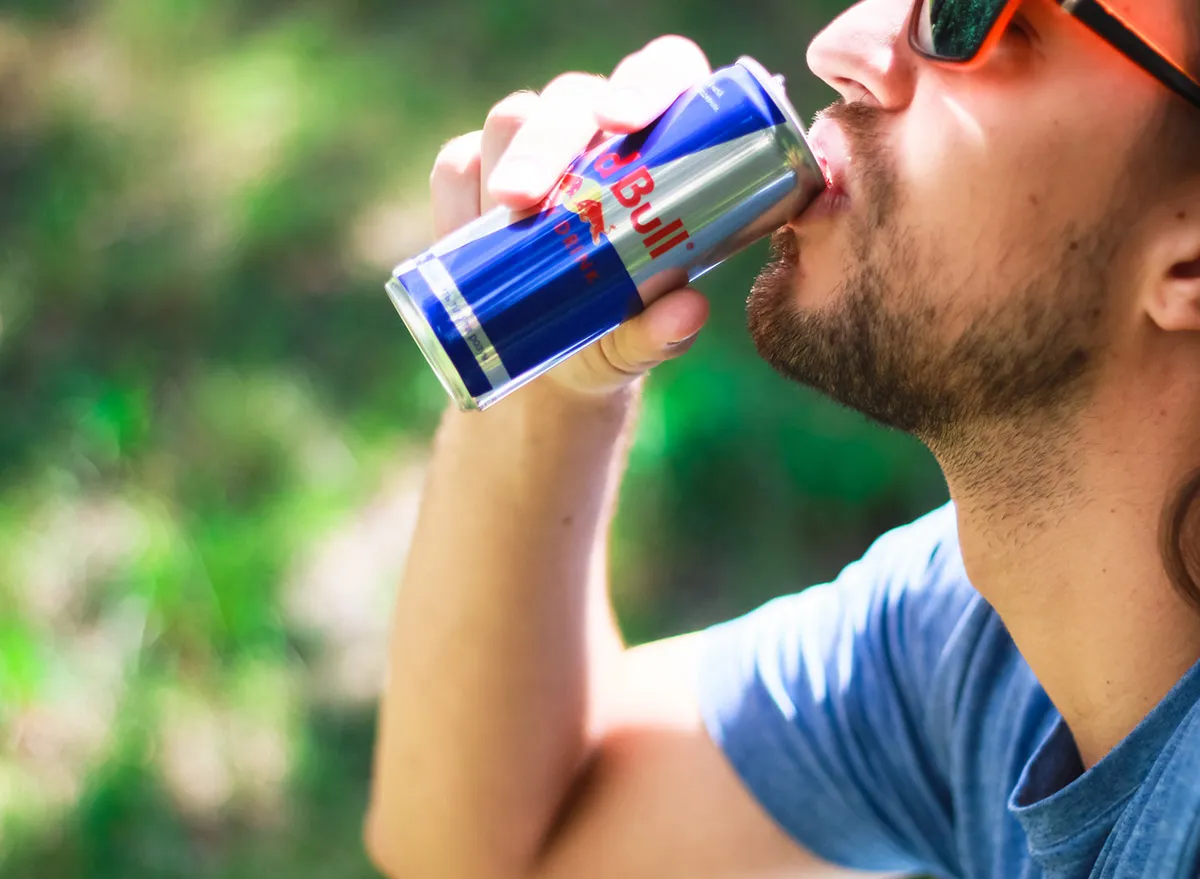
Red Bull poses several challenges for maintaining the results of teeth whitening. The energy drink is highly acidic. Acidic beverages can erode the enamel, making your teeth more vulnerable to staining. Red Bull contains artificial coloring agents and dyes that can cause staining and discoloration. These compounds can easily adhere to the porous enamel, causing your teeth to appear yellow or stained. Furthermore, Red Bull’s high sugar content contributes to the formation of plaque and bacteria. These bacteria produce acids that can damage enamel, exacerbating the staining process. For these reasons, it is crucial to exercise caution when it comes to consuming Red Bull after teeth whitening. The ingredients in the drink can undo the effects of the whitening process and lead to a less brilliant smile. It’s essential to be aware of these potential negative consequences and take proactive steps to safeguard the results.
Top 5 Concerns of Red Bull After Teeth Whitening
Staining and Discoloration
One of the most significant concerns associated with Red Bull consumption after teeth whitening is the risk of staining and discoloration. The artificial colors and dyes in Red Bull, like other dark-colored beverages such as coffee, tea, and red wine, can adhere to the teeth’s porous enamel, which is temporarily more susceptible to staining immediately after whitening. The pigments in Red Bull can cause your teeth to appear stained or yellow. These stains can quickly diminish the whitening effects, leading to a less bright smile. Avoiding Red Bull immediately after teeth whitening is crucial to preventing this. It is advisable to wait at least a few weeks, or ideally, indefinitely, to minimize the risk of staining and maintain your whiter teeth. If you decide to consume Red Bull, consider rinsing your mouth with water immediately afterward to minimize the contact time between your teeth and the staining agents.
Sensitivity Increase

Teeth sensitivity is a common side effect of teeth whitening, and consuming Red Bull can exacerbate this issue. The acidity of Red Bull can erode the enamel, making the teeth more sensitive to temperature changes and other stimuli. This can cause discomfort when you consume hot or cold foods and drinks. The high sugar content in Red Bull can also worsen sensitivity. Sugar can feed bacteria in your mouth, which produces acids that attack the enamel, contributing to sensitivity. If you experience tooth sensitivity after whitening, avoiding acidic beverages like Red Bull is essential. Consider using a toothpaste formulated for sensitive teeth. Consult your dentist if the sensitivity persists or worsens. They can recommend treatments like fluoride applications to strengthen the enamel and reduce sensitivity.
Enamel Erosion
The acidity of Red Bull is a major concern because it can lead to enamel erosion. Enamel is the protective outer layer of your teeth. Regular exposure to acidic substances can weaken and erode this protective layer. This erosion makes the teeth more susceptible to staining, decay, and sensitivity. When the enamel wears away, it reveals the underlying dentin, which is naturally more yellow. The result is that teeth can appear dull and discolored, negating the benefits of the whitening treatment. Frequent consumption of Red Bull increases the risk of enamel erosion. Protecting the enamel is vital for maintaining overall oral health and the longevity of your teeth. To protect your enamel, it’s essential to limit acidic drinks like Red Bull. Rinse your mouth with water after consuming acidic beverages and brush gently with a soft-bristled toothbrush, waiting at least 30 minutes after drinking anything acidic.
Dehydration Effects
Red Bull contains caffeine, which can act as a diuretic, potentially leading to dehydration. Dehydration can negatively affect oral health. Saliva is essential for protecting your teeth by neutralizing acids and washing away food particles. When you are dehydrated, your mouth produces less saliva, increasing the risk of cavities and discoloration. A dry mouth environment is conducive to bacterial growth, which can cause various oral health problems. The reduced saliva flow can also make your teeth more susceptible to staining because there is less natural protection. Drinking plenty of water can help counter the dehydrating effects of Red Bull and promote good oral health. If you consume Red Bull, be sure to drink water throughout the day to stay hydrated. Ensure your body and mouth produce enough saliva to protect your teeth and maintain the results of your teeth whitening treatment.
Impact on Whitening Effectiveness

The cumulative effects of Red Bull can significantly reduce the effectiveness of your teeth whitening treatment. The staining, enamel erosion, and sensitivity can work against your efforts to achieve a brighter smile. If you frequently consume Red Bull, you may find that your teeth do not stay white for long. You might need to undergo whitening treatments more often to maintain the desired results. This can be costly and time-consuming. Protecting your investment in teeth whitening requires making lifestyle adjustments, including reducing or eliminating the consumption of Red Bull. Maintaining a proactive approach and following your dentist’s aftercare recommendations will give you the best possible outcome. Consider the long-term benefits of avoiding Red Bull. They include maintaining a brighter, healthier smile and preventing dental problems that could arise from its consumption.
Maximizing Your Whitening Results
To maximize the results of your teeth whitening treatment, it’s crucial to adopt a proactive approach. This includes making dietary changes, such as avoiding or minimizing the consumption of staining foods and beverages like Red Bull, coffee, tea, and red wine. Maintain a consistent oral hygiene routine, which involves brushing your teeth at least twice a day with a whitening toothpaste and flossing daily. Regular dental check-ups and cleanings can remove surface stains and ensure your overall oral health. Consider using at-home whitening touch-up products, such as whitening toothpaste or strips, to maintain the brightness of your teeth. Follow your dentist’s instructions for post-whitening care carefully. If you are a frequent consumer of Red Bull, try replacing it with water, unsweetened tea, or other clear beverages. Remember, patience and consistency are key to achieving and maintaining a dazzling, white smile.
Proper Aftercare and Maintenance
Proper aftercare is essential for preserving the results of your teeth whitening treatment and maintaining optimal oral health. Avoid staining foods and beverages, especially in the first few weeks after whitening. This includes dark-colored drinks like Red Bull. Use a whitening toothpaste and a soft-bristled toothbrush to remove surface stains gently. Avoid smoking, as tobacco can severely stain your teeth and diminish the effects of whitening. Continue your routine dental check-ups and cleanings. Your dentist can monitor your oral health and provide professional cleaning to remove any accumulated stains. Consider using at-home whitening touch-up treatments as recommended by your dentist. By following these aftercare guidelines, you can enjoy a beautiful, white smile for a longer time. These steps help to prevent staining, protect your enamel, and support your overall oral health.
Alternatives to Red Bull During Whitening

There are several healthy alternatives to Red Bull that can help you stay energized without compromising your teeth whitening results. Water is always the best choice. It keeps you hydrated and helps maintain saliva production, which is crucial for oral health. Unsweetened tea, especially herbal or white tea, can be a good alternative. These teas generally have less staining potential compared to black tea. Coconut water provides natural electrolytes and hydration. Clear fruit juices, such as apple juice or white grape juice, are preferable to dark juices. However, consume them in moderation because of their sugar content. If you need an energy boost, consider a small amount of coffee or tea, but drink it in moderation. You should rinse your mouth with water immediately afterward to minimize the risk of staining. Always prioritize your oral health by choosing beverages that will not damage your teeth.
Consulting with Your Dentist
It is always wise to consult your dentist for personalized advice on maintaining your teeth whitening results and ensuring optimal oral health. Your dentist can provide recommendations tailored to your specific needs and oral health conditions. They can guide you on appropriate aftercare procedures, including foods and drinks to avoid. They can also recommend the most effective whitening toothpaste and other dental products. Regular dental check-ups are essential for monitoring your teeth and gums and addressing any emerging issues. Discuss your lifestyle habits, including your consumption of Red Bull and other beverages, with your dentist. They can help you assess the potential impact on your teeth and suggest ways to mitigate any risks. By working closely with your dentist, you can make informed decisions about your oral health and achieve the best possible results from your teeth whitening treatment.