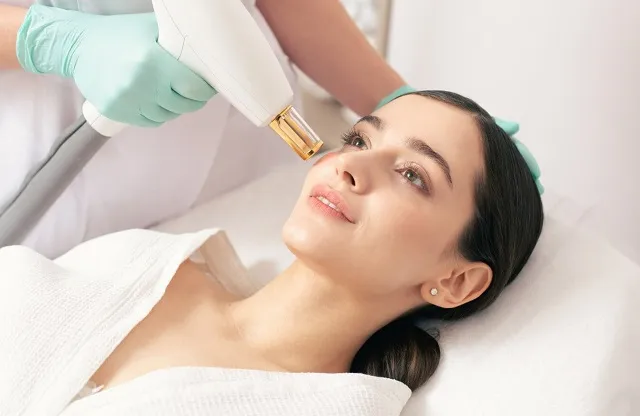
What is Skin Whitening Laser Treatment?
Skin whitening laser treatment, also known as skin lightening or bleaching, is a cosmetic procedure designed to reduce the appearance of dark spots, uneven skin tone, and hyperpigmentation. It involves using laser technology to target and break down melanin, the pigment responsible for skin color. This treatment aims to achieve a brighter, more even complexion. The procedure is popular among individuals seeking to enhance their skin’s appearance, address sun damage, or manage conditions like melasma and acne scars. It’s crucial to understand that the effectiveness and safety of this treatment depend on several factors, including the type of laser used, the patient’s skin type, and the expertise of the practitioner. Consulting with a qualified dermatologist or cosmetic surgeon is essential before considering this procedure.
How Skin Whitening Lasers Work
Skin whitening lasers work by emitting concentrated beams of light that are absorbed by melanin. Different types of lasers target melanin with varying levels of precision. As the laser energy is absorbed, it breaks down the melanin pigment into smaller particles, which the body then naturally eliminates. This process gradually reduces the concentration of melanin in the treated areas, leading to a lighter skin tone and a more uniform complexion. The effectiveness of the laser depends on factors such as the laser’s wavelength, the pulse duration, and the energy level used. Proper technique is essential to avoid damaging the surrounding skin tissues and to achieve the desired results. The laser’s impact on melanin production is not permanent. Regular maintenance may be required to sustain the effects of the treatment. Consultation with an expert will help determine whether your skin is suitable for the laser treatment.
Different Types of Skin Whitening Lasers

Several types of lasers are used in skin whitening treatments, each with its unique characteristics and applications. Q-switched Nd YAG lasers are commonly used due to their ability to target melanin effectively with minimal damage to the surrounding skin. Fractional lasers, such as fractional CO2 and erbium lasers, deliver laser energy in a pixelated pattern, leaving microscopic treatment zones while sparing the surrounding tissue. This approach promotes faster healing and reduces downtime. Another option is intense pulsed light (IPL) therapy, which is technically not a laser but uses a broad spectrum of light to target melanin. The choice of laser depends on the patient’s skin type, the specific concerns being addressed, and the practitioner’s expertise. It’s important to understand the differences between these technologies to make an informed decision.
Is Skin Whitening Laser Treatment Safe?
The safety of skin whitening laser treatment depends on several factors, including the individual’s skin type, the type of laser used, the expertise of the practitioner, and adherence to pre- and post-treatment care instructions. While the procedure can be safe when performed by a qualified professional, it is not without potential risks. These risks can be minimized but not entirely eliminated. Some individuals may experience temporary side effects such as redness, swelling, and mild discomfort. Serious complications are rare but can include burns, scarring, changes in skin pigmentation (hypopigmentation or hyperpigmentation), and infection. Therefore, it is essential to carefully weigh the benefits against the potential risks and make an informed decision after thorough consultation with a medical expert. Always seek treatment from a reputable clinic with experienced technicians.
Factors Affecting Safety
Several factors can influence the safety of skin whitening laser treatment. Skin type plays a crucial role, as individuals with darker skin tones are at higher risk of complications such as hyperpigmentation. The type of laser used and its settings (wavelength, pulse duration, energy levels) are also critical. Incorrect settings can lead to burns or uneven results. The practitioner’s experience and training are paramount; a skilled and experienced professional will know how to assess the patient’s skin type, choose the appropriate laser, and adjust the settings to minimize risks. Furthermore, the patient’s overall health and any underlying skin conditions can also affect the treatment’s safety. Proper pre- and post-treatment care is vital for minimizing complications and ensuring optimal results. Following all instructions provided by the practitioner is essential for a safe and successful outcome.
Potential Risks and Side Effects

Skin whitening laser treatment can carry potential risks and side effects, although they are not always experienced. Common side effects include temporary redness, swelling, and mild discomfort at the treatment site. These usually subside within a few days. More serious, but less frequent, side effects include burns, which can lead to scarring, changes in skin pigmentation (either lightening or darkening of the treated area), and infection. Other potential complications are changes in skin texture and the formation of blisters. The risk of these complications is higher in individuals with darker skin tones or when the procedure is performed by an inexperienced practitioner. It is crucial to discuss these risks with your practitioner before undergoing treatment to make an informed decision. Make sure you know the potential complications and how to address them.
How to Minimize Risks
To minimize the risks associated with skin whitening laser treatment, several steps can be taken. First and foremost, choose a qualified and experienced practitioner with a strong track record. Ensure that the clinic uses FDA-approved lasers and follows stringent safety protocols. A thorough consultation and assessment of your skin type are essential to determine if you are a suitable candidate for the treatment. It’s important to disclose your complete medical history, including any medications or skin conditions. Strict adherence to pre- and post-treatment instructions is crucial, including avoiding sun exposure, using prescribed skincare products, and attending all follow-up appointments. Make sure you are aware of the warning signs of complications and how to contact your practitioner if you experience any. Regular maintenance and appropriate skincare routine, can help maintain the results and minimize potential side effects.
Preparing for Skin Whitening Laser Treatment
Preparing for skin whitening laser treatment involves several steps to ensure the best possible outcome and minimize risks. The first step is a thorough consultation and assessment with a qualified practitioner. During this consultation, the practitioner will evaluate your skin type, discuss your goals and expectations, and explain the procedure in detail. They will also review your medical history and any medications you are taking. Avoid sun exposure, tanning beds, and self-tanning products for at least two to four weeks before the treatment. It’s also important to avoid certain skincare products, such as retinoids and exfoliating agents, as they can increase skin sensitivity. Inform your practitioner of any history of herpes simplex or other skin conditions. Following all pre-treatment instructions provided by your practitioner is essential to prepare your skin and optimize the treatment results.
Consultation and Assessment

The consultation and assessment are crucial steps in preparing for skin whitening laser treatment. During this phase, the practitioner will assess your skin type using the Fitzpatrick scale, which categorizes skin based on its reaction to sun exposure. This helps determine the appropriate laser settings and treatment plan. They will also evaluate your medical history, including any skin conditions, allergies, or medications you are taking. It’s essential to be honest and open about your expectations and concerns. The practitioner will explain the procedure, including how the laser works, potential risks and side effects, and what to expect during and after the treatment. You will also have the opportunity to ask questions and discuss any concerns you may have. A thorough consultation ensures that you are a suitable candidate for the treatment and helps you make an informed decision.
Pre-Treatment Instructions
Following the pre-treatment instructions is vital for minimizing risks and ensuring the best results from skin whitening laser treatment. Avoid sun exposure, tanning beds, and self-tanning products for at least two to four weeks before the treatment. Sun exposure can increase skin sensitivity and the risk of complications. Stop using certain skincare products, such as retinoids, exfoliants, and products containing AHAs/BHAs, as they can also increase skin sensitivity. If you have a history of herpes simplex (cold sores), inform your practitioner, as they may prescribe antiviral medication to prevent an outbreak. Shave the treatment area if necessary. On the day of the treatment, avoid wearing makeup, lotions, or perfumes on the treatment area. Following these instructions diligently can contribute to a safer and more effective treatment outcome.
Post-Treatment Care
Post-treatment care is essential for promoting healing, minimizing side effects, and maximizing the results of skin whitening laser treatment. Immediately after the procedure, the treated area may be red and slightly swollen. The practitioner will provide specific instructions on how to care for your skin during the initial healing phase. This includes applying cool compresses, using prescribed creams or ointments, and avoiding harsh skincare products. Protecting the treated area from sun exposure is crucial to prevent hyperpigmentation. Follow-up appointments with your practitioner are essential to monitor your progress and address any concerns. Adhering to the post-treatment instructions can help you achieve optimal results and minimize the risk of complications.
Immediate Post-Treatment Care

Immediate post-treatment care focuses on soothing the treated skin and promoting healing. Apply cool compresses to the treated area for the first few hours to reduce redness and swelling. Your practitioner may recommend using a gentle cleanser and moisturizer to keep the skin hydrated. Avoid using harsh skincare products, such as retinoids, exfoliants, and products containing alcohol, for the first few weeks. Protect the treated area from sun exposure by wearing protective clothing and using a broad-spectrum sunscreen with a high SPF. Avoid picking or scratching the treated area, as this can increase the risk of infection and scarring. Following these steps immediately after the treatment can help minimize discomfort and promote faster healing.
Long-Term Skin Care
Long-term skincare is crucial for maintaining the results of skin whitening laser treatment and preventing future hyperpigmentation. Continue to protect your skin from sun exposure by wearing protective clothing and using a broad-spectrum sunscreen with a high SPF every day, even on cloudy days. Use gentle skincare products and avoid harsh chemicals or exfoliants that can irritate the skin. Follow a skincare routine that includes gentle cleansing, moisturizing, and the use of antioxidants to protect against free radical damage. Consider using skincare products recommended by your practitioner to help maintain your results. Regular follow-up appointments with your practitioner are essential to monitor your skin’s condition and address any concerns. Consistent skincare habits are important to sustain a healthy complexion and the results of your skin whitening treatment.
Alternatives to Skin Whitening Laser Treatment
Several alternatives to skin whitening laser treatment are available, offering different approaches to address hyperpigmentation and uneven skin tone. Topical creams and serums containing ingredients like hydroquinone, retinoids, vitamin C, and kojic acid can help lighten dark spots and improve skin tone over time. Chemical peels, such as glycolic acid peels or TCA peels, exfoliate the skin, removing the outer layer and promoting new skin cell growth. Microdermabrasion is a non-invasive procedure that exfoliates the skin, revealing a brighter complexion. Intense pulsed light (IPL) therapy is another option that uses a broad spectrum of light to target melanin. The choice of alternative depends on your skin type, the severity of your concerns, and your desired results. Consulting with a dermatologist or skincare professional can help you determine the most suitable alternative for your needs.
Topical Creams and Serums

Topical creams and serums are a popular and often effective alternative to skin whitening laser treatment. These products contain active ingredients that target melanin production and promote skin lightening. Hydroquinone is a commonly used ingredient that inhibits melanin production, but it can have side effects and is often used under medical supervision. Retinoids, derived from vitamin A, increase cell turnover and promote exfoliation, helping to lighten dark spots. Vitamin C is an antioxidant that can brighten the skin and protect against free radical damage. Kojic acid is another ingredient that inhibits melanin production. When choosing topical creams and serums, it is essential to consider your skin type, the concentration of active ingredients, and potential side effects. Always follow the manufacturer’s instructions and consult with a dermatologist or skincare professional before use. Incorporating these products into your skincare routine can lead to gradual but noticeable improvements in skin tone and texture.
Chemical Peels
Chemical peels offer another alternative to skin whitening laser treatments by exfoliating the skin and promoting new skin cell growth. Different types of chemical peels are available, ranging from superficial to deep, and vary in the strength of the chemicals used. Superficial peels, such as glycolic acid peels, remove the outer layer of the skin, improving skin tone and texture. Medium-depth peels, such as TCA peels, penetrate deeper, addressing more significant concerns like sun damage and melasma. Deep peels, which are less common, involve a more aggressive approach. The choice of peel depends on your skin type, the severity of your concerns, and your desired results. Before undergoing a chemical peel, it is essential to consult with a qualified dermatologist or skincare professional who can assess your skin and recommend the appropriate treatment. Following the post-peel instructions carefully is crucial for optimal results and minimizing potential side effects, such as redness, peeling, and sensitivity.
The Bottom Line Is Skin Whitening Laser Safe?
In conclusion, skin whitening laser treatment can be a safe and effective option for those seeking to address hyperpigmentation and achieve a more even skin tone, but safety is paramount. While the procedure can deliver positive results, potential risks and side effects exist. The level of safety depends on the type of laser used, the practitioner’s expertise, and the patient’s adherence to pre- and post-treatment care instructions. To ensure safety, it is crucial to consult with a qualified and experienced dermatologist or cosmetic surgeon, choose a reputable clinic, and follow all instructions provided. Alternatives to laser treatment are available, such as topical creams, serums, and chemical peels, that can provide similar benefits with potentially fewer risks. Always weigh the benefits against the potential risks and make an informed decision based on your individual needs and circumstances. Proper research and professional guidance are essential for achieving desired results safely.