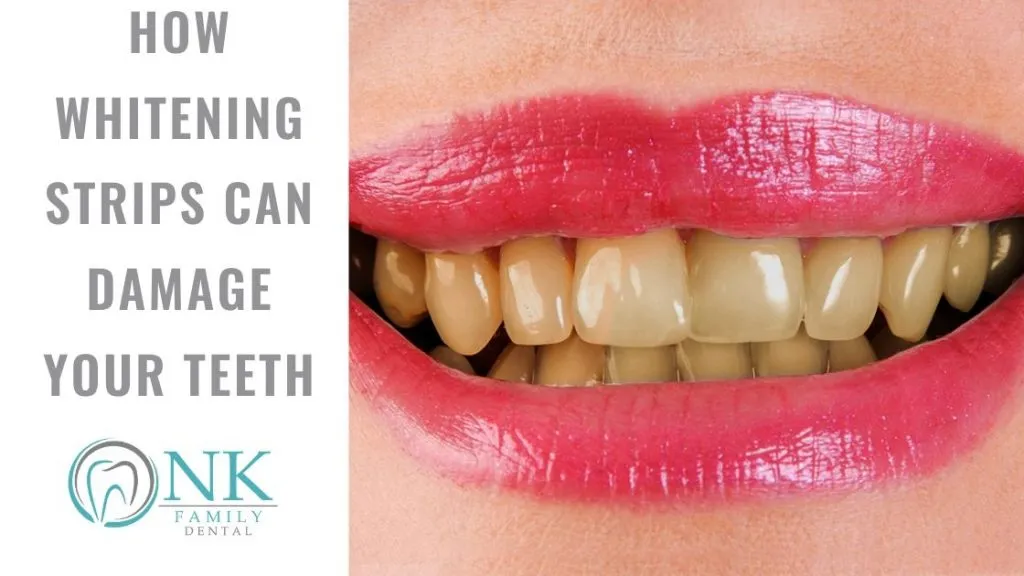
Understanding Whitening Strip Sensitivity
Many people seek a brighter smile through teeth whitening, and whitening strips are a popular, accessible method. However, a common side effect is tooth sensitivity, which can range from mild discomfort to sharp, intense pain. Understanding why this happens is the first step in managing it. Tooth sensitivity after using whitening strips is not always a sign of serious problems, but it’s important to address it correctly. The intensity and duration of the sensitivity vary depending on factors such as the concentration of the whitening agent, the individual’s oral health, and how the strips are used. Learning about the causes and how to handle this sensitivity is essential for anyone considering or currently using whitening strips.
What Causes Sensitive Teeth After Whitening Strips
The active ingredient in most whitening strips is hydrogen peroxide, which penetrates the enamel to break down stain molecules. This process can cause sensitivity in several ways. Additionally, the gums may become irritated, contributing to the overall discomfort experienced after using whitening strips. Understanding the specific mechanisms behind this sensitivity can help in taking preventative measures and choosing appropriate treatments if sensitivity arises. Several factors contribute to increased sensitivity. These include the concentration of hydrogen peroxide, the duration of application, and the frequency of use. The pre-existing condition of your teeth is also a factor. For example, individuals with thin enamel or existing dental issues, such as cavities or receding gums, may experience increased sensitivity.
The Role of Hydrogen Peroxide

Hydrogen peroxide is the active ingredient in most whitening strips, responsible for breaking down stain molecules within the enamel. This process, however, can also irritate the nerves inside the teeth. When hydrogen peroxide permeates the enamel, it can reach the dentin, a porous layer beneath the enamel that contains microscopic tubules leading to the tooth’s nerve center. The peroxide can trigger these nerves, causing sensitivity. Higher concentrations of hydrogen peroxide generally lead to more significant sensitivity, and prolonged exposure can increase the risk. Therefore, understanding the role of hydrogen peroxide helps users make informed decisions regarding the choice of products and application methods.
Enamel Erosion and Sensitivity
Enamel erosion is another factor that can contribute to sensitivity. While whitening strips are designed to be safe for enamel, overuse or misuse can potentially lead to some degree of enamel thinning or weakening. The enamel acts as a protective barrier, and when it’s compromised, the underlying dentin becomes more exposed. Dentin contains tiny tubules that lead directly to the tooth’s nerve center, making teeth more susceptible to sensitivity. The use of whitening strips on teeth with pre-existing enamel erosion can exacerbate the problem, causing heightened discomfort. Careful application and adherence to product instructions are crucial to minimize the risk of enamel erosion and subsequent sensitivity.
Gingival Irritation and Sensitivity
In addition to affecting the teeth themselves, whitening strips can also irritate the gums. The chemicals in the strips can come into contact with the soft tissues of the gums, leading to inflammation and sensitivity. This irritation can manifest as redness, swelling, and tenderness. Furthermore, if the strips are not applied correctly, they may rub against the gums, causing further irritation. Such discomfort can make the overall experience of using whitening strips unpleasant. Therefore, it’s essential to apply the strips carefully, avoiding contact with the gums whenever possible. Moreover, individuals with sensitive gums should consider using strips with lower concentrations of the whitening agent or consult their dentist for recommendations.
Top 5 Facts About Sensitive Teeth and Whitening Strips

Fact 1 The Intensity of the Whitening Agent
The higher the concentration of hydrogen peroxide in the whitening strips, the greater the potential for tooth sensitivity. Strips with lower concentrations are gentler and less likely to cause discomfort, but they may also take longer to produce noticeable whitening effects. Some strips offer different concentrations, allowing users to choose a level that suits their sensitivity tolerance. Understanding the concentration levels available on the market allows consumers to select the most appropriate product to meet their needs. Therefore, those prone to sensitivity should start with lower concentrations, gradually increasing the strength as needed, and always monitoring their teeth’s response.
Fact 2 The Duration of Strip Application
The longer you leave the whitening strips on your teeth, the greater the chances of experiencing sensitivity. Most products recommend a specific application time, which should be strictly followed. Exceeding the recommended time can increase the risk of irritation to both the teeth and gums. The enamel and underlying dentin can become more vulnerable with prolonged exposure to the whitening agent. If sensitivity develops, reducing the application time or using the strips less frequently can help alleviate the discomfort. Always adhere to the manufacturer’s instructions to minimize potential negative side effects and maximize results.
Fact 3 The Frequency of Use

Using whitening strips too frequently can also increase the likelihood of sensitivity. It’s important to adhere to the recommended usage schedule, which usually involves applying the strips once or twice daily for a specified period. Frequent use can cause cumulative damage to the enamel and gum irritation, leading to increased sensitivity. Allowing adequate time between treatments allows the enamel to remineralize and the gums to recover. Taking breaks between whitening sessions helps prevent overuse and reduces the chances of developing sensitivity. Following a schedule helps to get optimal results without compromising oral health.
Fact 4 Individual Tooth Sensitivity
Each person’s teeth react differently to whitening treatments. Some individuals have naturally more sensitive teeth due to factors like thinner enamel or recessed gums. Certain teeth might be more sensitive than others. If you have any existing dental issues, such as cavities, cracks, or fillings, those areas might be more susceptible to discomfort during whitening. Understanding your teeth’s individual sensitivity levels can help tailor your approach to whitening. Individuals with high sensitivity should consider using lower concentration whitening strips and consult their dentist before starting any whitening regimen. They may also choose to use desensitizing toothpaste before and during the whitening process.
Fact 5 Existing Dental Conditions
Pre-existing dental conditions can significantly impact how your teeth react to whitening strips. Issues like cavities, gum disease, and cracked teeth can make your teeth more sensitive. If you have any dental work, such as fillings or crowns, the whitening agent won’t affect them, but the surrounding natural teeth might become sensitive. Before using whitening strips, it’s wise to consult your dentist for a check-up. They can identify any existing issues and recommend whether whitening is safe and suitable for your oral health. Addressing these conditions before starting the whitening process can help minimize discomfort and ensure a more positive experience.
Managing and Preventing Sensitivity
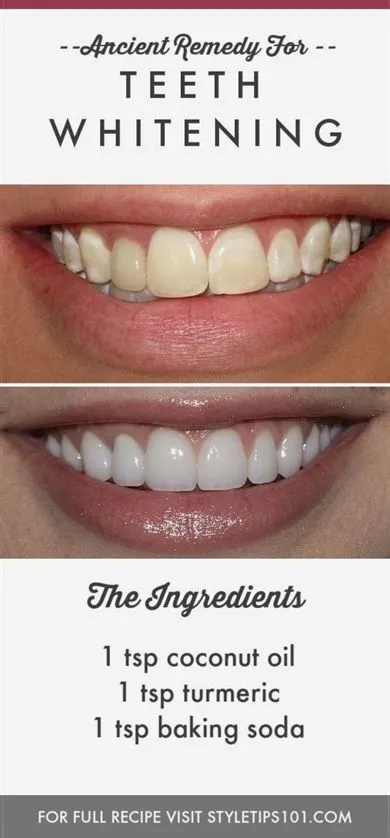
Fortunately, there are several strategies to manage and prevent sensitivity when using whitening strips. From choosing the right products to adopting proper application techniques and aftercare practices, these methods can help ensure a more comfortable whitening experience. Incorporating these tips into your routine can help you achieve a brighter smile without unnecessary discomfort. Being proactive in your approach can make a big difference in your comfort and overall satisfaction with the whitening process. Consult with your dentist for personalized advice that suits your specific oral health needs.
Choosing the Right Whitening Strips
When selecting whitening strips, consider factors such as hydrogen peroxide concentration, application time, and your individual tooth sensitivity. If you have sensitive teeth, start with strips containing lower concentrations of the whitening agent, typically 6% to 10% hydrogen peroxide. These gentler formulations can still effectively whiten teeth while reducing the risk of sensitivity. Consider strips with shorter application times, and always read reviews and compare products before purchasing. Look for options that are specifically designed for sensitive teeth. Always follow the product instructions and consult your dentist for personalized recommendations.
Proper Application Techniques
Correct application is crucial to minimize sensitivity. Before applying the strips, brush your teeth gently to remove plaque and food particles. Make sure your teeth are dry before placing the strips, as moisture can dilute the whitening agent and affect its efficacy. Avoid applying the strips to your gums; if the strips extend too far, trim them with scissors. Ensure that the strips are properly aligned with your teeth. Apply the strips and press firmly to ensure good contact, but be careful not to over-apply the pressure. Follow the manufacturer’s recommended application time and do not exceed it. If you feel significant sensitivity, remove the strips immediately.
Desensitizing Toothpaste and Other Products

Desensitizing toothpaste can provide relief from tooth sensitivity. These types of toothpaste contain ingredients, such as potassium nitrate or stannous fluoride, that help block the tubules in your dentin, reducing nerve sensitivity. Using this toothpaste for a few weeks before starting whitening and continuing during the whitening process can help minimize discomfort. In addition to desensitizing toothpaste, consider using fluoride mouthwash, which can strengthen enamel and further reduce sensitivity. Over-the-counter products designed specifically to alleviate sensitivity can also be beneficial. If sensitivity persists, consult with your dentist, who may recommend prescription-strength desensitizing treatments.
Consulting a Dentist
Before using whitening strips, it is always a good idea to consult your dentist, especially if you have a history of sensitive teeth or dental problems. Your dentist can assess your oral health and determine if whitening is appropriate for you. They can also advise you on the best whitening products and techniques to minimize sensitivity. During your appointment, your dentist can identify any pre-existing conditions, such as cavities or gum disease, that may need to be addressed before whitening. If you experience significant sensitivity, your dentist can provide guidance on managing the discomfort, which might include recommending desensitizing treatments or adjusting your whitening plan. Regular dental check-ups are essential to maintaining good oral health.
Aftercare and Best Practices
Taking care of your teeth after using whitening strips can help reduce sensitivity and maintain a bright, healthy smile. This includes dietary adjustments, consistent oral hygiene routines, and regular dental check-ups. Following these aftercare tips can help you enjoy the benefits of teeth whitening without unnecessary discomfort. By incorporating these habits, you can ensure that your teeth stay healthy and bright for the long term. Aftercare is an essential part of the process to keep your teeth healthy.
Dietary Considerations

Certain foods and drinks can exacerbate tooth sensitivity, especially immediately after using whitening strips. Avoid highly acidic foods and beverages, such as citrus fruits, sodas, and vinegar-based dressings, which can erode enamel and increase sensitivity. Limit your intake of very hot or cold foods and drinks, which can trigger discomfort in sensitive teeth. After whitening, stick to a diet that is gentle on your teeth. Focus on eating soft foods and drinking plenty of water to stay hydrated and help remineralize the enamel. Following a balanced diet and avoiding trigger foods will contribute to minimizing discomfort.
Oral Hygiene Routine
Maintaining good oral hygiene is essential for preventing and managing tooth sensitivity. Use a soft-bristled toothbrush to brush your teeth gently, which helps to avoid further irritation. Brush your teeth twice a day, and floss daily to remove plaque and food particles. Using a fluoride toothpaste can help strengthen enamel and reduce sensitivity. If you experience sensitivity, consider using a desensitizing toothpaste. Avoid using harsh whitening toothpastes immediately after whitening, as they can be too abrasive. After whitening, wait a few hours before brushing your teeth, and always follow your dentist’s recommendations for the best oral hygiene practices.
Follow-Up Appointments
Regular check-ups with your dentist are crucial for maintaining your oral health and addressing any issues, including tooth sensitivity. Your dentist can monitor the health of your teeth and gums, and identify potential problems early on. During these appointments, your dentist can provide professional cleanings and address any areas of concern. If you experience persistent or severe sensitivity, be sure to schedule an appointment with your dentist. They can provide specific treatments, such as fluoride treatments or desensitizing agents, to alleviate the discomfort. Regular check-ups also allow your dentist to evaluate the effectiveness of your whitening treatment and ensure your teeth remain healthy and beautiful.