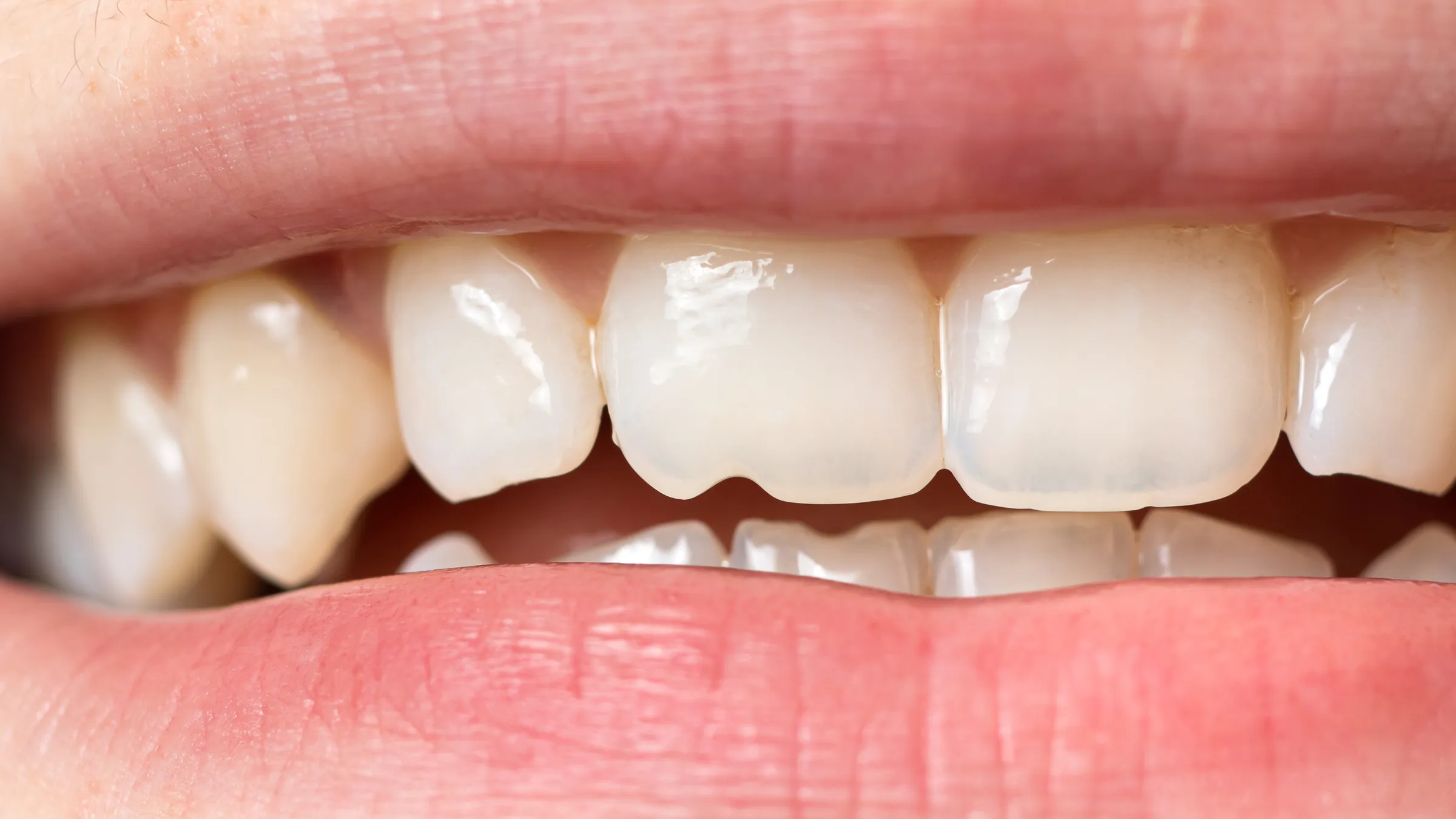
Understanding Tooth Sensitivity After Whitening
Teeth whitening is a popular cosmetic procedure, but it can sometimes lead to a temporary increase in tooth sensitivity. This sensitivity, often described as a sharp, shooting pain, is a common side effect experienced by many individuals after undergoing professional or at-home whitening treatments. Understanding why this happens and knowing how to manage it is crucial for a comfortable experience. The discomfort can range from mild to quite noticeable, usually peaking within a few days of the whitening treatment and gradually subsiding over a period of a few days to a couple of weeks. It is essential to recognize that experiencing some level of sensitivity does not necessarily mean the whitening process has caused permanent damage. In most cases, the sensitivity is a temporary reaction to the whitening agents, and there are several effective strategies to mitigate the discomfort and minimize its duration.
What Causes Sensitivity After Whitening?
The primary reason for tooth sensitivity after whitening is the action of the whitening agents, most commonly hydrogen peroxide or carbamide peroxide. These chemicals penetrate the enamel to break down stains, but in doing so, they can also affect the inner layers of the tooth, leading to temporary sensitivity. Several factors can contribute to the degree of sensitivity experienced, including the concentration of the whitening agent, the duration of its application, and the individual’s inherent tooth structure and health. People with thinner enamel, pre-existing dental issues, or receding gums may be more prone to experiencing sensitivity.
The Role of Enamel

Enamel is the hard, protective outer layer of the tooth. Its primary function is to shield the sensitive inner structures from external stimuli. When enamel is compromised, the underlying dentin, which contains tiny tubules leading to the nerve of the tooth, becomes more exposed. This exposure allows the whitening agents to reach the nerves more easily, resulting in sensitivity.
How Whitening Agents Affect Teeth
Whitening agents work by oxidizing the staining molecules within the enamel and dentin. This process breaks down the stains, making the teeth appear whiter. However, this process can also temporarily dehydrate the tooth, making the enamel more porous. The increased porosity allows the whitening agents to penetrate deeper into the tooth structure and also makes the tooth more susceptible to external stimuli, leading to sensitivity. The duration of the whitening agent’s contact with the tooth and the concentration of the agent play a significant role in the degree of sensitivity experienced. Higher concentrations and longer exposure times can lead to increased sensitivity.
Top 5 Proven Tips to Stop Sensitivity
Dealing with tooth sensitivity after whitening doesn’t have to be a painful experience. With the right approach, you can find relief and continue your journey towards a brighter smile. Here are five proven tips to help you manage and minimize sensitivity.
Use Sensitivity Toothpaste

Sensitivity toothpaste, often containing ingredients like potassium nitrate, is specifically designed to reduce tooth sensitivity. These toothpastes work by blocking the pathways to the tooth’s nerves or by forming a protective layer over the dentin tubules. Using sensitivity toothpaste before, during, and after whitening can significantly reduce discomfort. It is important to start using the toothpaste a couple of weeks before your whitening treatment and continue using it throughout the process and for several weeks afterward to maximize its benefits. Consistency is key, and you should use it twice daily, just like your regular toothpaste.
How Sensitivity Toothpaste Works
Potassium nitrate, a common ingredient in sensitivity toothpaste, works by blocking the transmission of pain signals from the tooth’s nerve. This desensitizes the nerves, reducing the sensation of pain when exposed to hot, cold, or pressure. Other ingredients, such as stannous fluoride, can help to block the dentin tubules, creating a barrier against stimuli.
Application Techniques
For best results, apply a small amount of sensitivity toothpaste directly to the sensitive areas of your teeth, using your fingertip, and let it sit for a minute or two before brushing. This allows the active ingredients to penetrate the enamel and dentin effectively. When brushing, use a soft-bristled toothbrush and avoid applying excessive pressure, as this can worsen sensitivity.
Avoid Whitening Treatments During Sensitivity

If you experience significant sensitivity during your whitening treatment, it’s best to pause or stop the process until the sensitivity subsides. Continuing to whiten teeth that are already sensitive can exacerbate the discomfort and potentially prolong the recovery period. Adjusting the frequency or duration of the whitening treatments can also help to minimize sensitivity. Always follow the instructions provided by your dentist or the product manufacturer.
Why You Should Pause Whitening
Continuing to whiten your teeth while they are sensitive can be counterproductive. The whitening agents can further irritate the nerves and potentially cause more severe or prolonged sensitivity. The goal is to achieve a brighter smile without compromising your oral health. Taking a break allows your teeth time to recover and reduces the risk of long-term discomfort. It is always wise to prioritize the health of your teeth over aesthetics.
Alternatives During Sensitivity
During a break from whitening, focus on maintaining good oral hygiene. Brush gently with sensitivity toothpaste, floss daily, and rinse with a fluoride mouthwash. You can also explore alternative whitening options that may be gentler on your teeth, such as lower-concentration whitening products or professional treatments. Discuss these options with your dentist to determine the best approach for your specific needs.
Use Fluoride Treatments

Fluoride is a mineral that strengthens tooth enamel and can help reduce sensitivity. It works by remineralizing the enamel, making it more resistant to acids and external stimuli. Using fluoride treatments can help to alleviate sensitivity by strengthening the enamel and blocking the dentin tubules. There are various forms of fluoride treatments available, including toothpaste, mouthwashes, and professional applications.
Benefits of Fluoride
Fluoride strengthens tooth enamel, making teeth more resistant to decay and sensitivity. It also helps to remineralize the enamel, which can repair minor damage and reduce porosity. By strengthening the enamel, fluoride provides a protective barrier against external stimuli. This protective action helps to minimize the discomfort associated with sensitive teeth. The use of fluoride is a crucial aspect of maintaining good oral health and managing tooth sensitivity.
Types of Fluoride Treatments
Fluoride toothpaste and mouthwashes are readily available over-the-counter and can be incorporated into your daily oral hygiene routine. In addition to daily use options, dentists can provide professional fluoride treatments, such as fluoride varnishes or gels, which contain a higher concentration of fluoride. These professional treatments are typically applied in the dental office and can provide an extra level of protection and relief for sensitive teeth. Discuss the best options for you with your dentist.
Dietary Adjustments

What you eat and drink can also impact tooth sensitivity. Certain foods and beverages can trigger or worsen sensitivity, while others may provide relief. Making dietary adjustments can help manage sensitivity and make your experience more comfortable. It is wise to pay attention to the foods you consume regularly, as they can have a significant impact on your teeth.
Foods to Avoid
Avoid or limit consumption of acidic foods and beverages, such as citrus fruits, tomatoes, pickles, soda, and sports drinks. These foods can erode enamel and exacerbate sensitivity. Extremely hot or cold foods and drinks can also trigger sensitivity. Hard candies and sticky sweets should be avoided, as they can contribute to tooth decay and sensitivity. The primary aim is to reduce exposure to substances that can irritate your teeth.
Foods to Consume
Focus on consuming a balanced diet rich in calcium and phosphorus, which are essential for strong teeth. Dairy products, such as milk, cheese, and yogurt, are excellent sources of calcium. Crunchy vegetables like carrots and celery can help to clean your teeth and stimulate saliva production, which neutralizes acids. Water is also beneficial, as it helps to rinse away food particles and maintain oral hydration. Aim to eat a diet that supports overall oral health and helps to minimize sensitivity.
Consult Your Dentist

If you experience persistent or severe sensitivity, it is crucial to consult your dentist. They can assess the underlying causes of your sensitivity and recommend appropriate treatments. Your dentist is a valuable resource for managing tooth sensitivity, and they can provide personalized advice based on your individual needs.
When to Seek Professional Help
If the sensitivity persists for more than a few weeks, becomes increasingly severe, or is accompanied by other symptoms such as pain, swelling, or bleeding, seek professional help immediately. These symptoms could indicate a more serious underlying issue that requires dental intervention. Promptly addressing any dental concerns will ensure that you get the appropriate care.
Professional Treatments Available
Dentists offer several professional treatments for tooth sensitivity. These treatments may include the application of desensitizing agents, fluoride varnishes, or dental bonding to protect the exposed dentin. In some cases, they may recommend other procedures, such as gum grafting, if the sensitivity is caused by receding gums. Your dentist can determine the best course of treatment based on your individual needs and the severity of your sensitivity.
Preventing Sensitivity Before Whitening
Preventing tooth sensitivity is often easier than treating it. Taking proactive steps before undergoing whitening treatments can significantly reduce the risk of experiencing sensitivity. Consulting with your dentist to discuss preventative measures is always a good strategy.
Pre-Whitening Sensitivity Treatments
Prior to whitening, consider using sensitivity toothpaste for at least two weeks. This helps to desensitize your teeth and prepare them for the whitening process. Avoid using whitening products on days leading up to your whitening treatment. A pre-treatment with fluoride can also help to strengthen enamel and protect against sensitivity. These pre-whitening steps can make a big difference.
Discussing Sensitivity with Your Dentist
Before starting any whitening treatment, have a thorough conversation with your dentist. Discuss your dental history, any existing sensitivity, and your whitening goals. Your dentist can evaluate your oral health and recommend the most appropriate whitening options for your specific needs. They can also provide personalized guidance on how to minimize the risk of sensitivity. Communicating with your dentist is a very important step.
In conclusion, dealing with tooth sensitivity after whitening is manageable with the right knowledge and approach. By understanding the causes of sensitivity, utilizing proven strategies like sensitivity toothpaste and fluoride treatments, making dietary adjustments, and consulting with your dentist, you can minimize discomfort and enjoy a brighter smile. Remember, prevention is key, so always discuss your concerns with your dentist and take proactive steps before and after whitening. Prioritizing your oral health will ensure a successful and comfortable whitening experience. Following these tips, you can confidently embark on the journey to a whiter smile, knowing you have the tools and knowledge to tackle any sensitivity along the way.