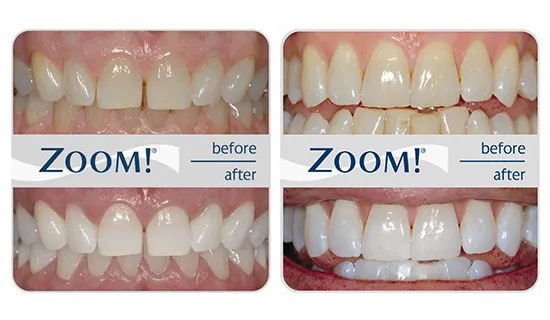
Foods to Avoid After Zoom Teeth Whitening
Achieving a brighter, whiter smile is a common goal, and Zoom teeth whitening is a popular and effective method to achieve this. However, the journey doesn’t end when you leave the dentist’s chair. What you eat and drink in the days and weeks following the procedure plays a crucial role in maintaining your dazzling results. This article dives deep into the foods you should avoid after Zoom teeth whitening, ensuring your smile stays vibrant and stain-free. By understanding the impact of certain foods and drinks, you can make informed choices and protect your investment in a beautiful, confident smile. Let’s explore the essential dietary guidelines to help you navigate the post-whitening period successfully.
What is Zoom Teeth Whitening?
Zoom teeth whitening is a professional, in-office procedure designed to dramatically lighten the color of your teeth. This process utilizes a high-concentration bleaching gel, typically containing hydrogen peroxide, which is applied to the teeth. A special blue light is then used to activate the gel, accelerating the whitening process. This combination of the bleaching agent and the light breaks down stains and discoloration, resulting in a noticeably whiter smile in a single session. The procedure is generally safe and provides significant and immediate results, making it a sought-after solution for those looking to enhance their smile’s appearance. Following the procedure, it’s important to understand the aftercare instructions to maximize the effectiveness of the whitening treatment.
The Zoom Whitening Procedure

The Zoom whitening process begins with a thorough examination and cleaning of your teeth. Your dentist will then isolate your gums and lips to protect them from the bleaching agent. The whitening gel is carefully applied to the surface of your teeth, and the Zoom light is positioned to activate the gel. This process is repeated in intervals, typically three or four times, each lasting about 15 minutes. The entire procedure usually takes around an hour to an hour and a half. After the final application, your dentist will remove the gel, rinse your mouth, and provide you with post-whitening instructions. These instructions are critical to the success of the procedure, and they mainly revolve around avoiding certain foods and drinks to prevent staining.
Why Are Certain Foods Problematic After Whitening?
After Zoom teeth whitening, the enamel of your teeth becomes temporarily porous. This means that the microscopic pores in your enamel are more open, making your teeth more susceptible to absorbing color from the foods and drinks you consume. The bleaching process removes stains and discoloration, but the enamel is still vulnerable for a period after the procedure. This vulnerability lasts for approximately one to two weeks, which is why adhering to a strict diet is crucial during this time. Foods and drinks with strong pigments can easily penetrate these open pores, leading to the re-staining of your teeth and diminishing the whitening results. Therefore, avoiding these items is key to preserving your newly whitened smile.
Foods That Can Stain Your Teeth
Understanding which foods and drinks pose the greatest threat to your newly whitened teeth is essential. The primary culprits are those that contain strong pigments or have high acidity, which can erode the enamel and make it easier for stains to set in. Being mindful of these foods allows you to make informed choices and proactively protect your smile. Here’s a breakdown of the food groups you should be particularly cautious of immediately following your Zoom whitening treatment.
Highly Pigmented Foods

Foods with intense colors are notorious for staining teeth. These foods contain pigments that can readily adhere to the porous enamel. Be particularly wary of deeply colored fruits, vegetables, and sauces. For example, berries like blueberries, blackberries, and raspberries are rich in color and can easily stain. Similarly, deeply colored vegetables such as beets and carrots can have the same effect. The more vibrant the color, the higher the risk of staining. Avoiding these foods during the critical post-whitening period will help ensure your smile remains bright and stain-free.
Coffee and Tea
Coffee and tea are notorious for staining teeth, mainly due to their high tannin content. Tannins are a type of polyphenol that contributes to the bitter taste and dark color of these beverages. They also have a strong affinity for binding to tooth enamel. Even light-colored teas, like green tea, can cause staining over time. If you can’t completely avoid coffee or tea, consider drinking them through a straw to minimize contact with your teeth, or rinse your mouth with water immediately afterward. However, it is best to avoid them altogether for at least the first few days post-whitening.
Red Wine
Red wine is another major offender when it comes to staining teeth. The deep red color comes from pigments called anthocyanins, which are potent stainers. Additionally, red wine contains tannins, which help the pigments bind to the teeth. Even a small amount of red wine can undo some of the whitening effects. While it may be tempting to indulge, it’s best to abstain from red wine for at least a week or two after your Zoom whitening treatment to preserve your results.
Dark Sodas

Dark sodas, such as cola and other carbonated beverages, are highly acidic and contain dark pigments. The combination of acidity and color makes them particularly damaging to your teeth. The acid can erode your enamel, making it more susceptible to staining, while the dark pigments can easily seep into the pores. These drinks should be avoided to protect your teeth and maintain the whitening results. Consider alternatives like water or clear, non-acidic beverages during this period.
Deeply Colored Sauces
Many sauces used in everyday cooking, especially those with rich, dark colors, can stain teeth. Soy sauce, balsamic vinegar, and curry sauces are prime examples. These sauces are packed with pigments that can readily adhere to your enamel, reversing the effects of your whitening treatment. When preparing meals, opt for lighter-colored sauces or those that don’t contain strong pigments. If you do consume deeply colored sauces, be sure to rinse your mouth with water immediately afterward to minimize any potential staining.
Foods That Can Damage Your Teeth’s Enamel
Certain foods can damage the enamel, the protective outer layer of your teeth, making them more vulnerable to staining. Foods high in acid can erode enamel, creating tiny pores that are easily stained by pigmented substances. It’s crucial to understand which foods pose the greatest risk and to minimize their consumption during the post-whitening period.
Acidic Foods and Drinks

Acidic foods and drinks can erode tooth enamel, making teeth more susceptible to staining. Citrus fruits like lemons, limes, and oranges, along with their juices, are highly acidic. Similarly, vinegar, pickles, and certain types of salad dressings can damage enamel. Carbonated beverages, as mentioned before, are also acidic and can contribute to erosion. It’s advisable to limit your intake of these items to protect the enamel and maintain the whitening effects. If you consume acidic foods, rinse your mouth with water afterward to help neutralize the acids.
Sugary Foods
Sugary foods contribute to the demineralization of enamel, making your teeth more vulnerable to decay and staining. Bacteria in your mouth feed on sugar, producing acids that attack the enamel. Foods like candy, cookies, and sugary drinks should be avoided or kept to a minimum. Moreover, sugary foods often contain artificial colorings that can also stain your teeth. Limiting your sugar intake not only helps protect your enamel but also supports better overall oral health and helps maintain the results of your Zoom whitening treatment.
Foods to Prioritize After Whitening
While there are many foods to avoid, there are also those you can safely enjoy. These foods are generally light in color and won’t contribute to staining. Including these items in your diet can help you stay satisfied while safeguarding your newly whitened smile. Focusing on these options during the initial post-whitening period is an easy way to stay on track with your goals.
White and Light-Colored Foods

Focusing on white and light-colored foods is an excellent strategy for maintaining your bright smile. Examples include white rice, plain pasta, and skinless chicken or turkey. These foods are generally safe because they lack the strong pigments that can stain your teeth. You can also enjoy cauliflower, white bread, and certain cheeses. These choices allow you to eat a varied diet while minimizing the risk of staining. Choosing these foods makes it much easier to adhere to your post-whitening diet and protect your investment.
Dairy Products
Dairy products, such as milk, yogurt, and cheese, are generally safe choices after Zoom teeth whitening. They are typically light in color and rich in calcium, which can help strengthen your teeth. Milk also helps to neutralize acids in the mouth, further protecting your enamel. If you are lactose intolerant, consider lactose-free options to avoid discomfort. Incorporating dairy products into your diet provides nutritional benefits while supporting your efforts to keep your smile white and healthy.
Tips for Maintaining Your White Smile
Beyond dietary choices, several other practices can help you maintain your bright, white smile long after your Zoom whitening treatment. Maintaining proper oral hygiene and attending regular dental checkups are essential steps in ensuring your teeth stay healthy and vibrant. By incorporating these practices into your daily routine, you can maximize the longevity of your results and keep your smile looking its best for years to come.
Proper Oral Hygiene

Brushing your teeth twice a day with a whitening toothpaste is crucial for removing surface stains. Flossing daily removes food particles and plaque from between your teeth, preventing staining and promoting overall oral health. Using mouthwash can also help, but choose a non-staining, alcohol-free option to avoid any adverse effects on your newly whitened teeth. Establishing and maintaining a consistent oral hygiene routine is a key element in preserving your bright, white smile and preventing future staining.
Regular Dental Checkups
Regular dental checkups and professional cleanings are vital for maintaining the results of your Zoom whitening treatment. Your dentist can remove any surface stains that may have accumulated and identify potential dental issues early on. Professional cleanings help keep your teeth free of plaque and tartar, which can contribute to discoloration. Following your dentist’s recommendations for checkups and cleanings ensures your teeth remain healthy and your smile stays bright. Regular dental visits are an essential part of long-term oral care and the preservation of your investment in teeth whitening.
When Can You Resume Normal Eating Habits?
Typically, you should follow the post-whitening diet for about one to two weeks. During this time, the enamel of your teeth is most vulnerable to staining. After this period, you can gradually reintroduce foods and drinks that could potentially stain your teeth. However, it’s advisable to practice moderation. If you consume stain-inducing items, rinse your mouth with water or brush your teeth afterward to minimize any staining. By being mindful of your diet, you can enjoy your favorite foods while protecting your investment in a beautiful, white smile.
Conclusion
Maintaining a bright, white smile after Zoom teeth whitening requires careful attention to your diet and oral hygiene. By avoiding staining foods and drinks, prioritizing safe alternatives, and practicing good oral hygiene, you can protect your investment and enjoy your results for a long time. Remember to follow your dentist’s specific instructions and consult with them if you have any questions or concerns. With diligence and care, you can keep your smile looking its best and maintain the confidence that comes with a dazzling, white smile.