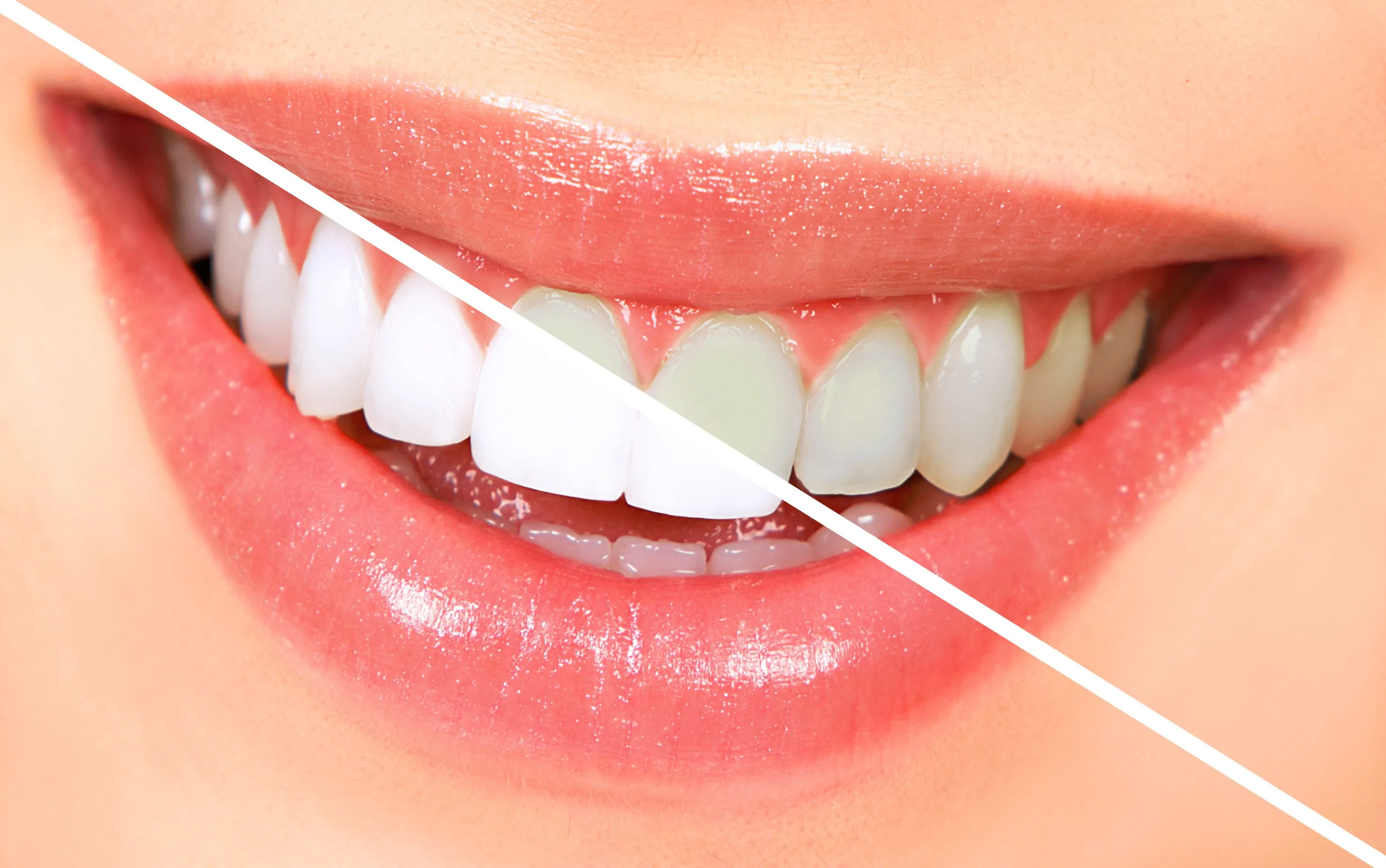
Understanding Teeth Whitening at the Dentist
Teeth whitening is a popular cosmetic dental procedure designed to brighten and lighten the shade of your teeth. Stains and discoloration can occur due to various factors, including aging, genetics, diet (coffee, tea, wine), and lifestyle habits like smoking. A brighter smile can boost your confidence and improve your overall appearance. However, deciding whether to pursue teeth whitening at a dentist involves understanding the different procedures available, the benefits, the potential drawbacks, and what to consider before making your decision. This guide will walk you through everything you need to know about professional teeth whitening.
Types of Teeth Whitening Procedures
Dentists offer several teeth whitening options, each with its unique approach and features. These procedures typically deliver more effective and longer-lasting results than over-the-counter products, because of the strength of the whitening agents and professional supervision.
In-Office Whitening

In-office whitening, also known as chairside bleaching, is a procedure performed in the dentist’s office. The dentist applies a high-concentration bleaching agent to your teeth, and often uses a special light or laser to accelerate the whitening process. This method usually provides the most dramatic and immediate results, with noticeable changes in a single visit. The entire process typically takes about an hour, depending on the number of applications needed and your specific case.
Professional Take-Home Kits
Professional take-home kits provide a more gradual approach to teeth whitening. Your dentist will create custom-fitted trays to perfectly match the shape of your teeth. You then receive a bleaching gel to use at home, which you apply to the trays and wear for a specified amount of time each day or night, as instructed by your dentist. This method offers a balance between convenience and effectiveness, allowing you to whiten your teeth on your own schedule while still benefiting from professional supervision and stronger whitening agents than those available over-the-counter. It generally takes a few weeks to achieve the desired results.
Factors to Consider Before Deciding
Before deciding on teeth whitening at the dentist, it’s important to consider several factors to ensure you make the right choice for your individual needs and circumstances. This will help you manage your expectations and achieve the best possible outcomes.
Cost and Budget

The cost of teeth whitening varies depending on the type of procedure and your dentist’s location. In-office whitening is typically more expensive than take-home kits because it involves professional time and the use of more potent bleaching agents. Before committing to the procedure, inquire about the cost and explore payment options. Check if your dental insurance covers any portion of cosmetic procedures, though this is less common. Set a realistic budget and ensure the expense aligns with your financial situation.
Your Current Dental Health
Your overall oral health is a key consideration. Teeth whitening is most effective on healthy teeth and gums. If you have cavities, gum disease, or other dental issues, these problems should be addressed before whitening your teeth. A consultation with your dentist will allow them to assess your oral health and advise if you are a good candidate for the procedure. Whitening agents can cause increased sensitivity in teeth with existing problems.
Severity of Discoloration
The degree of discoloration will impact the whitening process. Surface stains caused by food and drinks respond well to whitening treatments. However, intrinsic stains, which are deeper and may be caused by medications, trauma, or genetics, can be more challenging to treat. Your dentist will evaluate the type and severity of stains to determine the best whitening approach and set realistic expectations about the results you can achieve.
Benefits of Professional Teeth Whitening

Choosing professional teeth whitening offers numerous advantages compared to over-the-counter products. Here are some of the primary benefits.
Superior Results
Professional whitening procedures typically use stronger bleaching agents than those available in over-the-counter kits. This results in more significant and longer-lasting whitening effects. Dentists can achieve dramatic changes in tooth shade, leading to a brighter, more radiant smile that is difficult to match with home treatments. The controlled environment of the dentist’s office also ensures more even and consistent results.
Safety and Supervision
When you whiten your teeth at the dentist, the procedure is performed under the supervision of a trained professional. Dentists are knowledgeable about the safe use of whitening agents and can minimize the risks associated with the treatment. They will protect your gums and soft tissues, and monitor your teeth throughout the process. Professional supervision reduces the chances of complications and ensures that the procedure is performed correctly.
Personalized Treatment

Dentists can tailor the whitening treatment to meet your individual needs. They will assess your oral health, consider the type and severity of your stains, and recommend the most appropriate whitening method. They can also adjust the strength of the bleaching agent and the duration of the treatment to optimize the results for your specific case. This personalized approach helps to achieve the best possible outcome and minimizes the risk of adverse effects.
Potential Drawbacks and Risks
While teeth whitening is generally a safe and effective procedure, there are potential drawbacks and risks to consider.
Sensitivity and Discomfort
Tooth sensitivity is a common side effect of teeth whitening. This can range from mild discomfort to sharp, temporary pain. Sensitivity usually subsides within a few days after the treatment. Your dentist can provide desensitizing agents or recommend products to minimize sensitivity. Some patients may experience gum irritation, especially if the whitening agent comes into contact with the gums. The dentist will take precautions to protect the soft tissues during the procedure, but it’s important to be aware of the possibility.
Cost Considerations

As previously mentioned, professional teeth whitening can be expensive compared to at-home alternatives. The cost can vary depending on the type of procedure, the dentist’s location, and the number of treatments required. It’s essential to factor the cost into your decision-making process and weigh it against your budget and the results you expect to achieve. While the investment can provide significant benefits, it’s crucial to ensure that the cost is manageable.
Not a Permanent Solution
Teeth whitening is not a permanent solution. Over time, teeth can become stained again due to factors such as diet and lifestyle habits. The longevity of the results varies from person to person and depends on the maintenance practices. You may need touch-up treatments or follow-up whitening sessions to maintain your desired tooth shade. Avoiding staining foods and drinks, along with regular dental check-ups, can help extend the results.
Making the Right Choice
Deciding whether teeth whitening at the dentist is worth it involves careful consideration of your specific circumstances, expectations, and goals. Take the following steps to ensure you make the most informed decision.
Consultation with Your Dentist

The first step is to schedule a consultation with your dentist. They will examine your teeth, assess your overall oral health, and discuss your goals for teeth whitening. They can determine if you are a suitable candidate and recommend the most appropriate treatment option based on your individual needs. Ask questions about the procedure, the expected results, and any potential risks or side effects. A consultation provides valuable insights and helps you make an informed decision.
Comparing Options
If your dentist recommends teeth whitening, compare the different procedures available. Consider the cost, the expected results, the time commitment, and the potential side effects. Weigh the pros and cons of each option to determine which one aligns best with your needs and preferences. Don’t hesitate to seek second opinions or explore different dental practices to ensure you are getting the best care possible.
Post-Whitening Care
After undergoing teeth whitening, proper post-whitening care is essential to maintain your results and minimize the risk of future staining. Follow your dentist’s instructions carefully. This typically includes avoiding staining foods and drinks, such as coffee, tea, red wine, and dark-colored berries, for a period after the treatment. Maintaining good oral hygiene, including brushing twice daily, flossing daily, and attending regular dental check-ups, is also crucial. Consider using a whitening toothpaste to help maintain your brighter smile. By following these guidelines, you can enjoy the benefits of your professional teeth whitening for a longer period.