
Understanding Teeth Whitening Before Strips
Teeth whitening strips have become a popular method for achieving a brighter smile. However, to maximize their effectiveness, it’s crucial to understand the proper usage and the factors that influence their performance. One of the most common questions is whether you should brush your teeth before applying whitening strips. The answer, like many things in dental care, is nuanced. This article will explore the optimal approach to using teeth whitening strips, providing practical tips to help you achieve the best possible results while maintaining good oral health. This comprehensive guide will cover everything from pre-application brushing techniques to post-treatment care and dietary considerations, ensuring you’re well-equipped to make informed decisions about your teeth-whitening routine.
The Science Behind Teeth Whitening and Brushing
To understand the impact of brushing before whitening strips, it’s helpful to grasp the science behind both processes. Whitening strips typically contain hydrogen peroxide or carbamide peroxide, which penetrate the enamel to break down stain molecules. Brushing, on the other hand, is designed to remove plaque, debris, and surface stains from your teeth. While both aim for a cleaner, brighter smile, their mechanisms differ. Brushing can prepare the teeth surface, but how it’s done and the timing are critical. The goal is to create an environment where the whitening agent can effectively contact the tooth surface without interference from toothpaste residue or excessive moisture. Understanding this interplay is key to optimizing your whitening routine.
The Impact of Brushing on Whitening Strip Effectiveness

Brushing can significantly impact how well whitening strips work. While removing debris is beneficial, brushing immediately before applying strips can sometimes hinder the process. Toothpaste, even after rinsing, can leave a thin film on the teeth, acting as a barrier and reducing the whitening agent’s direct contact with the enamel. Furthermore, excessive moisture from brushing can dilute the whitening agent, decreasing its efficacy. Therefore, the timing and technique of brushing are vital. This section will explore the best practices for incorporating brushing into your teeth whitening routine to achieve optimal results. We will cover the proper timing, toothpaste selection, and the importance of a dry surface for the strips to adhere and work effectively.
Tip 1 Brush Gently Before Strips
If you choose to brush before using whitening strips, brush gently. The goal is to remove surface debris without irritating your gums or causing abrasion to your enamel. Using a soft-bristled toothbrush and avoiding excessive pressure is crucial. Brushing too aggressively can potentially make your teeth more sensitive and may even remove a small amount of enamel over time. Gentle brushing helps prepare the teeth for the whitening process without creating any obstacles. Focus on cleaning the visible surfaces of your teeth, paying particular attention to the areas where stains are most noticeable. By adopting a gentle approach, you create a clean base without compromising the integrity of your enamel.
Why Gentle Brushing is Key
Gentle brushing protects the enamel from wear and tear, especially when combined with whitening treatments. Enamel erosion can lead to increased sensitivity and a higher risk of cavities. Overly aggressive brushing can also push the gums away from the teeth, increasing the risk of gum recession. Therefore, a soft touch is essential. Focus on using small, circular motions to clean each tooth surface thoroughly without causing damage. This careful approach ensures your teeth are ready for whitening strips without compromising their health and longevity. Prioritizing gentle brushing is about maintaining a healthy and bright smile.
Choosing the Right Toothpaste

The type of toothpaste you use can also impact your whitening experience. Avoid toothpastes with excessive abrasives, as these can wear down the enamel when used frequently. Look for toothpastes that contain fluoride, which helps strengthen enamel and reduce sensitivity. If you’re brushing before applying strips, consider a toothpaste without whitening agents or desensitizing ingredients, as these can potentially interfere with the whitening process. Opting for a simple, gentle toothpaste will ensure your teeth are clean without introducing elements that might reduce the efficacy of the whitening strips. Choosing the right toothpaste is an important aspect of the teeth whitening process.
Tip 2 Wait Before Applying Strips
After brushing, it’s important to wait before applying whitening strips. This waiting period allows your teeth to dry and ensures that any toothpaste residue is completely removed. The best practice is to wait at least 30 minutes to an hour after brushing. This waiting period is crucial for optimal results. Giving your teeth time to dry after brushing allows the whitening agents in the strips to adhere directly to the enamel surface. The absence of moisture maximizes the whitening strip’s effectiveness. This small adjustment can make a big difference in the brightness of your smile.
The Importance of Dry Teeth
Dry teeth provide the best surface for the whitening strips to stick to and work their magic. Moisture can dilute the whitening agents and prevent them from properly contacting the enamel. Before applying strips, gently pat your teeth dry with a clean tissue. Ensure your teeth are free from saliva to maximize the contact between the strips and your teeth. This simple step enhances the efficiency of the whitening process, leading to better results. Keeping your teeth dry is a small step that contributes significantly to a brighter smile.
How Long to Wait After Brushing

The ideal waiting time after brushing before applying whitening strips is approximately 30 minutes to an hour. This waiting period allows your saliva to return to its normal level, and ensures the toothpaste residue is no longer present. During this time, avoid eating or drinking anything to prevent reintroducing any substances that might compromise the whitening process. Patience is key. Waiting ensures that the active ingredients in the whitening strips are able to effectively penetrate the enamel for optimal results. The slight delay contributes substantially to a brighter, more radiant smile, helping you get the most from your whitening treatment.
Tip 3 Proper Strip Application Techniques
The way you apply whitening strips significantly impacts their effectiveness. Always start with clean, dry teeth. Carefully peel the strip from its backing and apply the sticky side to your teeth, aligning it with your gumline. Gently press the strip to ensure it adheres fully to the surface of your teeth. Fold any excess strip material behind your teeth to keep it in place. Make sure the strips cover all the visible surfaces of your teeth, especially those that show when you smile. Proper application guarantees the whitening agent reaches all the areas that need attention, leading to a more uniform and brighter result. Take your time to apply the strips correctly.
Avoiding Common Application Mistakes
Common mistakes can reduce the effectiveness of the strips. Avoid touching the sticky surface of the strip too much, as this can reduce its adhesion and limit the contact with your teeth. Ensure the strips are not folded over themselves, as this can prevent uniform coverage. Do not apply the strips to teeth that are still wet. Making these corrections and taking your time ensures the strips provide consistent and effective whitening. Also, be careful not to apply the strips to your gums, as this can cause irritation and sensitivity. Correct application is essential for the best results and avoiding discomfort.
Ensuring Full Coverage

Full coverage of the teeth surfaces is essential for even whitening. Make sure the strips cover the front surfaces of all the teeth visible when you smile. Use a mirror and good lighting to check your application. If a strip doesn’t fully cover a tooth, you might end up with uneven results, with some parts of your teeth being whiter than others. Adjust the strips as needed to ensure all the surfaces are in contact with the whitening agent. Taking this extra step will lead to consistent and satisfying results. Consistent coverage is key to a beautiful, bright smile.
Tip 4 Post-Strip Oral Hygiene
After using whitening strips, your oral hygiene routine is important. Avoid brushing your teeth immediately after removing the strips. The enamel may be temporarily more porous, and brushing too soon can lead to increased sensitivity. Instead, rinse your mouth gently with water to remove any residual whitening agent. You can brush your teeth again later in the day, but wait at least 30 minutes to an hour. Following these post-treatment recommendations is a must to preserve the benefits of the whitening process and maintain a healthy oral environment. Proper care is important to protect your smile after treatment.
Rinsing vs Brushing After Use
Rinsing with water is generally recommended after using whitening strips. This helps remove any remaining whitening solution from your teeth and gums. Avoid vigorous rinsing or using mouthwash immediately after. Mouthwash, especially those containing alcohol, may increase sensitivity. Brushing should be delayed to give your teeth time to recover. A gentle rinse will suffice to remove any residue without irritating your teeth or gums. This step helps to soothe your mouth and preserve the effects of the whitening process.
Protecting Your Newly Whitened Smile

After whitening your teeth, protect your bright new smile. Avoid foods and drinks that can stain your teeth, such as coffee, tea, red wine, and berries. Use a straw when drinking staining beverages to minimize contact with your teeth. Practice good oral hygiene, including brushing twice a day, flossing daily, and visiting your dentist regularly. Consider using a whitening toothpaste to help maintain your results. Protecting your teeth means enjoying your bright smile long after the whitening treatment is done. Taking care of your teeth will keep them white and healthy.
Tip 5 Maintaining a Bright Smile
Maintaining a bright smile requires an ongoing commitment to good oral hygiene and mindful eating habits. Regular dental check-ups and cleanings can help remove surface stains and maintain your results. Avoid smoking and other tobacco products, as these can severely stain your teeth. Follow a diet low in staining foods and drinks. Incorporate teeth-whitening toothpaste or mouthwash into your daily routine. By adopting these strategies, you can extend the life of your whitening treatment and enjoy a confident, radiant smile. Consistent care is the key to maintaining long-term results.
Dietary Considerations for Whitening
Your diet can significantly impact the longevity of your teeth whitening results. Certain foods and drinks are known to stain teeth, including coffee, tea, red wine, dark sauces, and berries. Limit your intake of these items or consume them in moderation. Rinse your mouth with water after eating or drinking staining substances. Consider using a straw when drinking beverages that can stain your teeth. Eating a diet rich in calcium and vitamins is good for maintaining strong, white teeth. Making smart food choices is a simple yet effective way to keep your teeth bright.
Professional Dental Advice
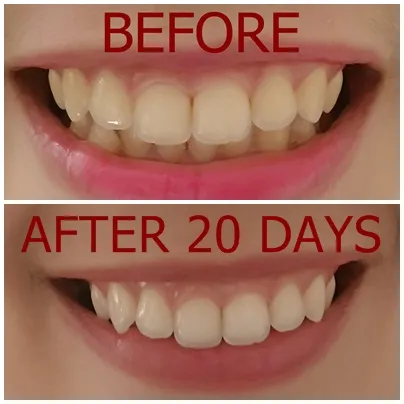
Consult with your dentist for personalized advice on teeth whitening and oral hygiene. They can assess the health of your teeth and gums, recommend the most appropriate whitening treatments, and provide guidance tailored to your specific needs. Your dentist can also address any concerns you may have and offer professional cleanings to enhance your smile. Regular check-ups and cleanings are essential for keeping your teeth healthy and your smile bright. Your dentist is your trusted ally in achieving and maintaining a beautiful, healthy smile. Never underestimate the power of professional dental care.