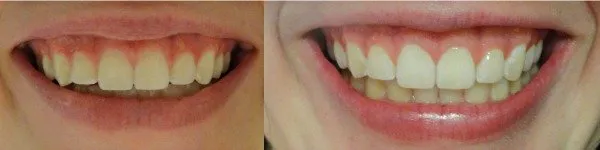
Charcoal vs Baking Soda for Teeth Whitening Overview
The quest for a brighter, whiter smile often leads individuals to explore various teeth whitening methods. Among the many options, activated charcoal and baking soda have gained significant popularity as cost-effective and readily available alternatives. This article delves into a comprehensive comparison of charcoal and baking soda for teeth whitening, evaluating their effectiveness, safety, ease of use, and overall impact on oral health. Understanding the properties, benefits, and potential risks of each substance is crucial before incorporating them into your dental care routine. This guide aims to provide a balanced perspective, helping you make an informed decision about which method, if any, is right for you.
What is Activated Charcoal
Activated charcoal is a fine black powder made from various sources, such as coconut shells, wood, or peat. The ‘activated’ part refers to a process that increases its porosity, allowing it to trap chemicals and toxins. This property makes it useful in several applications, including water filtration, medical treatments for poisonings, and, of course, teeth whitening. It’s essential to distinguish activated charcoal from the charcoal used for grilling, as the latter is not safe for consumption or oral use. The specific manufacturing process gives activated charcoal its unique adsorption properties, which are key to its purported benefits for dental care.
How Activated Charcoal Works

The mechanism by which activated charcoal is believed to whiten teeth is primarily through adsorption, not absorption. Activated charcoal has a porous surface that attracts and binds to substances like tannins and other compounds that cause stains on the teeth. These staining compounds are then removed when the charcoal is rinsed away. It is important to note that while charcoal can help remove surface stains, it does not chemically alter the color of the teeth like professional bleaching treatments. Its effectiveness is limited to external stains and may not be suitable for all types of discoloration.
Benefits of Charcoal for Teeth
Advocates of activated charcoal for teeth whitening often highlight several benefits. One primary advantage is its ability to remove surface stains caused by coffee, tea, wine, and other staining agents. Many users report noticeable improvements in the brightness of their teeth after regular use. Furthermore, some claim that activated charcoal can freshen breath and absorb bacteria and toxins in the mouth. However, these benefits are largely anecdotal, and scientific evidence supporting these claims is limited. The appeal of activated charcoal also lies in its natural origin and affordability, making it an attractive option for those seeking alternatives to chemical treatments. However, it is important to use products with the proper formulation.
Potential Risks of Charcoal
Despite its popularity, activated charcoal presents several potential risks. One significant concern is its abrasiveness. Overuse or improper brushing techniques with charcoal can erode the enamel, the protective outer layer of the teeth. Enamel erosion can lead to increased sensitivity, cavities, and long-term damage to the teeth. Furthermore, the lack of fluoride in charcoal products means they do not provide the cavity-fighting benefits of fluoride toothpaste. There is also the risk of charcoal particles getting trapped in gum tissue, causing irritation or discoloration. Therefore, it’s crucial to use activated charcoal cautiously and consult with a dentist before incorporating it into your oral hygiene routine.
What is Baking Soda

Baking soda, or sodium bicarbonate, is a common household ingredient with various applications, including cleaning, cooking, and personal care. It is a mild abrasive and an alkaline substance, meaning it can neutralize acids. Baking soda is often used for teeth whitening due to its ability to remove surface stains and its antibacterial properties. It is readily available, inexpensive, and generally considered safe when used in moderation. Its widespread availability and affordability make it a popular choice for those seeking a simple and accessible teeth-whitening solution. However, it’s important to understand both its advantages and its potential drawbacks before using it on your teeth.
How Baking Soda Works
Baking soda whitens teeth through a combination of mechanical abrasion and chemical action. The mild abrasive quality of baking soda helps to scrub away surface stains caused by food and drinks. Additionally, baking soda has a slight alkaline effect that can help neutralize acids in the mouth, which can contribute to enamel erosion and tooth discoloration. It also has antibacterial properties, which can reduce the bacteria that cause plaque and gingivitis. The combination of these actions contributes to a cleaner mouth and a potentially brighter smile. The effectiveness of baking soda is often enhanced when used in combination with other oral hygiene practices like regular brushing and flossing.
Benefits of Baking Soda for Teeth
Baking soda offers several potential benefits for teeth whitening. It is effective at removing surface stains, particularly those caused by coffee, tea, and tobacco. Regular use can lead to a noticeable improvement in tooth brightness. Baking soda is also a gentle abrasive, making it less likely to damage enamel compared to some other whitening methods. Moreover, its alkaline properties can help balance the pH in the mouth, reducing the risk of acid erosion. The antibacterial properties of baking soda contribute to overall oral hygiene, helping to prevent plaque buildup and gum disease. Baking soda also helps to freshen breath, leaving the mouth feeling cleaner and healthier. Many dentists recommend it, but in moderation.
Potential Risks of Baking Soda

Despite its benefits, baking soda carries potential risks. One of the primary concerns is its abrasiveness. While milder than some other whitening agents, excessive or improper use can still erode enamel over time. This can lead to increased tooth sensitivity, cavities, and a greater susceptibility to staining. The alkaline nature of baking soda can also disrupt the natural balance of the mouth, potentially leading to irritation or dryness. Furthermore, baking soda does not contain fluoride, which is essential for strengthening enamel and preventing tooth decay. Therefore, it’s crucial to use baking soda cautiously and in conjunction with fluoride toothpaste, and it’s always a good idea to consult with a dentist to ensure that the method is safe for your oral health.
Effectiveness Comparison
Whitening Power
When it comes to whitening power, both activated charcoal and baking soda primarily target surface stains. Neither substance can significantly alter the intrinsic color of the teeth in the same way as professional bleaching treatments. However, they can both effectively remove external stains, leading to a brighter appearance. Baking soda is generally considered slightly more effective at removing surface stains due to its combined abrasive and chemical action. Activated charcoal can also remove stains, but its effectiveness depends on the porosity and quality of the charcoal. Neither method provides the dramatic whitening results achievable with professional procedures.
Stain Removal

Both activated charcoal and baking soda are effective at removing common surface stains. Charcoal is particularly good at absorbing stains from tea, coffee, and wine, while baking soda works well on stains caused by these substances, as well as tobacco. The effectiveness can vary depending on the type and age of the stain. For older, more deeply embedded stains, neither method is likely to be highly effective. Both substances work best on newer stains and as part of a regular oral hygiene routine to prevent buildup. The best approach is to combine these methods with proper brushing and flossing.
Enamel Safety
Enamel safety is a critical consideration when using any teeth-whitening method. Both activated charcoal and baking soda can potentially damage enamel if used improperly or excessively. Activated charcoal is more abrasive than baking soda, increasing the risk of enamel erosion. Baking soda, while milder, can still erode enamel over time. It is vital to use both substances with caution, employing gentle brushing techniques and avoiding excessive pressure. Consulting with a dentist is essential to assess the health of your enamel and determine if either method is safe for your teeth. Proper brushing technique is key to minimizing enamel damage.
Gum Health
In terms of gum health, baking soda has a slight advantage due to its antibacterial properties, which can help reduce plaque and gingivitis. Activated charcoal does not have the same proven benefits for gum health. However, both substances can cause irritation or discomfort if used improperly. Overly aggressive brushing with either charcoal or baking soda can damage gum tissue. Regular brushing and flossing are essential for maintaining good gum health. The use of mouthwash and regular dental check-ups can also support healthy gums. Consult a dentist if you have any concerns about gum health while using these methods.
Cost Comparison

Charcoal Cost
Activated charcoal is generally affordable. The cost of activated charcoal tooth-whitening products, such as powders and toothpastes, varies depending on the brand and formulation. However, it is usually a relatively inexpensive option compared to professional whitening treatments. The price can range from a few dollars to around twenty dollars per container or tube. It is important to consider the price per use and the frequency of use to calculate the overall cost. The use of activated charcoal as a teeth whitener is more affordable than other whitening methods, offering a budget-friendly alternative for consumers looking to improve the appearance of their smile.
Baking Soda Cost
Baking soda is an exceptionally cost-effective teeth-whitening option. A box of baking soda can be purchased for a few dollars, making it one of the most affordable dental care products available. The price per use is negligible, especially compared to other whitening methods. This low cost makes baking soda an accessible choice for individuals on a budget. The ease of access and affordability are key reasons why many people choose baking soda to improve their teeth’s appearance. A small amount is required for each use, ensuring that a box will last for a long time, maximizing the cost savings.
Ease of Use

Charcoal Application
The application of activated charcoal for teeth whitening typically involves dipping a wet toothbrush into charcoal powder or using a charcoal-infused toothpaste. Brushing is done in gentle circular motions for a few minutes. After brushing, the mouth should be thoroughly rinsed. Many users find that the charcoal can be messy, requiring extra care to avoid staining clothes and surfaces. It is essential to be meticulous during rinsing to remove all traces of charcoal. Some users combine charcoal with water or coconut oil to make a paste. Following the manufacturer’s instructions is crucial for the best results.
Baking Soda Application
Applying baking soda is a simple process. A small amount of baking soda is typically mixed with water to form a paste. This paste is then applied to the toothbrush and used to brush the teeth. It can be mixed with regular toothpaste for added cleaning and fluoride benefits. Brushing should be done gently for a few minutes, followed by thorough rinsing. The process is straightforward and can be easily integrated into daily oral hygiene routines. However, it is essential to avoid excessive pressure to prevent enamel erosion.
User Experience & Taste
The user experience and taste differ significantly between charcoal and baking soda. Activated charcoal can have a gritty texture and an unappealing taste, which can make it less pleasant to use. The messiness of charcoal can also be a drawback. Baking soda has a slightly salty taste, but it is generally considered less unpleasant than charcoal. Many users find it easier to incorporate baking soda into their routine. Both products can leave the mouth feeling clean after use, but personal preference varies considerably. Choosing which method suits your taste and preferences will affect long-term compliance and effectiveness.
Side Effects & Sensitivity
Charcoal Side Effects
Common side effects of activated charcoal include increased tooth sensitivity, enamel erosion, and gum irritation, especially with overuse or aggressive brushing. The abrasive nature of charcoal can damage the enamel, leading to sensitivity and potential long-term dental problems. Charcoal can also cause temporary or permanent discoloration of the gums. Users may experience a dry mouth or altered taste sensations. It is essential to stop use and consult a dentist if any adverse effects occur. Thorough rinsing after brushing is crucial to avoid charcoal particles remaining in the mouth and causing further irritation.
Baking Soda Side Effects
Baking soda also has potential side effects. The main concern is enamel erosion, leading to tooth sensitivity. Overuse can disrupt the natural pH balance in the mouth, causing irritation and dryness. Some individuals may experience increased sensitivity to cold or hot foods. It is crucial to monitor your teeth and gums for any signs of damage or irritation. Discontinue use and consult with a dentist if you experience any adverse reactions. Using baking soda with caution and in combination with fluoride toothpaste can help to mitigate these risks and maintain oral health.
Alternatives & Recommendations
Professional Whitening Options
For those seeking more effective and safer teeth-whitening solutions, professional treatments are recommended. Professional teeth whitening performed by a dentist uses stronger bleaching agents and can significantly lighten the shade of the teeth. Options include in-office whitening, which provides immediate results, and take-home whitening kits prescribed by a dentist. These treatments are more expensive but provide more consistent and predictable results. They also offer the advantage of professional supervision, reducing the risks of enamel damage and sensitivity. Consulting a dentist can help determine the most appropriate treatment option for your needs and dental health.
Other Home Remedies
Besides activated charcoal and baking soda, other home remedies are sometimes suggested for teeth whitening. These include oil pulling with coconut oil, using hydrogen peroxide, and consuming fruits like strawberries, which contain malic acid. However, these methods may not be as effective or safe as other options. It’s important to research and understand the potential risks and benefits of any home remedy before trying it. Consulting with a dentist is always advisable to ensure your chosen methods are safe and won’t harm your oral health. Proper dental care and good oral hygiene practices remain the most effective ways to maintain a healthy and bright smile.
Final Verdict Charcoal vs Baking Soda
In the battle of charcoal versus baking soda for teeth whitening, both offer potential benefits for removing surface stains and improving tooth brightness. However, both methods carry risks, especially related to enamel erosion. Baking soda is generally considered slightly less abrasive than charcoal and may be a better choice for some, but both should be used with caution. For most people, the best approach is to consult a dentist to explore professional whitening options or discuss the safe use of home remedies. Regular dental check-ups, proper brushing, and flossing remain essential for maintaining optimal oral health and a beautiful smile. Always prioritize safety and consult with a dental professional before starting any new teeth-whitening regimen.