
Understanding Teeth Whitening and Delta Dental
Teeth whitening is a popular cosmetic dental procedure designed to brighten and lighten the shade of your teeth. With a growing emphasis on aesthetics, many individuals seek professional teeth whitening to enhance their smiles. Delta Dental, a major provider of dental insurance, is often the first point of contact for individuals considering this procedure. Understanding the nuances of insurance coverage, particularly for cosmetic treatments, is crucial. This guide provides a comprehensive overview of whether Delta Dental covers teeth whitening, the factors influencing coverage, and the alternatives available to achieve a brighter smile. This information is designed to empower you to make informed decisions about your dental health and financial planning.
What is Teeth Whitening?
Teeth whitening, also known as bleaching, involves the process of removing stains and discoloration from the teeth to achieve a brighter, whiter smile. The primary cause of tooth discoloration includes genetics, aging, and lifestyle factors like coffee, tea, wine, and smoking. Whitening treatments work by using bleaching agents, typically containing hydrogen peroxide or carbamide peroxide, to break down stains. These agents penetrate the enamel and dentin, removing the staining molecules and resulting in a lighter shade. The effectiveness and type of teeth whitening can vary depending on the procedure utilized, as well as individual differences in tooth structure and the nature of the stains. In general, teeth whitening is a safe and effective procedure when performed or supervised by a dental professional.
Types of Teeth Whitening Procedures

There are several teeth whitening procedures available, each with its own method and effectiveness. Professional teeth whitening, performed in a dental office, often yields the fastest and most dramatic results. This involves applying a high-concentration bleaching agent to the teeth and may utilize a special light or laser to accelerate the process. At-home whitening kits, prescribed by a dentist, usually include custom-fitted trays and a lower-concentration bleaching gel. Over-the-counter options, such as whitening strips, toothpastes, and mouthwashes, are readily available and offer a more gradual approach. The best method for you will depend on your budget, the severity of the discoloration, and your desired outcome. Consulting with your dentist can help determine the most suitable approach, considering your oral health and aesthetic goals. Always seek professional guidance before starting any teeth whitening treatment.
Does Delta Dental Insurance Cover Teeth Whitening? The Basics
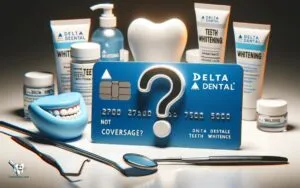
Generally, Delta Dental, like most dental insurance providers, considers teeth whitening a cosmetic procedure. Cosmetic treatments are often excluded from basic dental coverage, focusing instead on preventative and restorative services that impact oral health. This means that the cost of teeth whitening is usually an out-of-pocket expense for the patient. However, there may be exceptions based on specific Delta Dental plans and unique circumstances. Some premium plans may offer partial coverage for cosmetic procedures, while others may provide coverage if teeth whitening is deemed medically necessary. It’s always important to review your specific plan documents or contact Delta Dental directly to confirm your coverage details, particularly if you are hoping for financial assistance with teeth whitening procedures. This will help you to avoid surprises when it comes to dental costs.
Factors Influencing Delta Dental Coverage
Several factors can affect whether Delta Dental will cover teeth whitening. The most significant is the type of dental plan you have. Plans vary widely in terms of the services they cover and the extent of that coverage. Employer-sponsored plans, individual plans, and premium plans can all have different benefits. Another factor is the medical necessity of the procedure. If teeth discoloration is caused by a medical condition or injury, coverage might be considered, although this is rare. Finally, the specific terms and conditions of your Delta Dental policy play a role, which is why it’s important to carefully review your policy documents. The policy documents detail what is explicitly covered and excluded, including waiting periods, annual maximums, and any requirements for pre-authorization. The level of coverage available is also affected by where you live, and the local market for these dental services.
Types of Delta Dental Plans and Coverage Variations

Delta Dental offers a range of plans, from basic to premium, and the level of teeth whitening coverage varies significantly among them. Basic plans typically focus on preventative care, such as check-ups, cleanings, and X-rays, as well as restorative treatments like fillings and extractions. Cosmetic procedures like teeth whitening are usually not covered. Mid-level plans may include coverage for basic services and possibly some restorative work, with limited cosmetic coverage. Premium plans, which have higher premiums, often offer the most comprehensive coverage, potentially including a portion of the cost of teeth whitening. However, even with these plans, coverage is not guaranteed and often comes with limitations, such as annual maximums or requirements for pre-authorization. Always check the details of your specific plan to know what your coverage entails.
How to Check Your Delta Dental Plan for Whitening Coverage
The easiest way to determine if your Delta Dental plan covers teeth whitening is to review your plan documents. These documents outline the benefits, exclusions, and limitations of your plan. You can usually find these documents online through the Delta Dental member portal or receive a physical copy from your employer. If you have difficulty understanding the policy language, contact Delta Dental’s customer service. They can provide specific information about your coverage. When you call, have your member ID and policy number ready to provide accurate details about your plan. Finally, your dentist can also help you verify your coverage by submitting a pre-authorization request to Delta Dental. This provides confirmation of whether your plan will cover the procedure before you proceed.
Contacting Delta Dental for Coverage Information
If you are unsure about your teeth whitening coverage, contacting Delta Dental directly is the best course of action. Delta Dental has a customer service department to help members understand their benefits. You can typically find their contact information on your insurance card or their website. Be prepared to provide your member ID and any relevant information about your dental needs. The customer service representatives can explain your plan’s coverage details, including any exclusions or limitations related to teeth whitening. They can also advise you on the steps you need to take to obtain pre-authorization, if necessary. Keep a record of your communication with Delta Dental, including the date, time, and the name of the representative you spoke with, to protect yourself.
Alternatives to Teeth Whitening Covered by Insurance

If your Delta Dental plan does not cover teeth whitening, there are still alternative dental procedures that may improve the appearance of your smile and are covered by insurance. These include professional dental cleanings, which remove surface stains, and may make your teeth appear brighter. Dental bonding, which involves applying a composite resin to the teeth to fix chips, cracks, or discoloration, can also be a covered procedure in some cases. Veneers, custom-made shells that cover the front surface of the teeth, might be considered necessary if the discoloration is severe or caused by structural damage. Discuss these options with your dentist, who can advise you on the most appropriate course of action based on your oral health needs and insurance coverage.
Preventative Dental Care for a Brighter Smile
Regardless of your teeth whitening coverage, maintaining a good preventative dental care routine is crucial for a healthy and brighter smile. Regular dental check-ups and cleanings help to remove plaque and tartar, which can cause discoloration and other oral health problems. Brushing your teeth twice a day with fluoride toothpaste and flossing daily are essential practices that help prevent stains and maintain the natural whiteness of your teeth. Limiting the consumption of staining foods and drinks like coffee, tea, and red wine is also important. If you are a smoker, quitting can also help to keep your teeth from staining and improves your overall health. These habits support better oral health and also maximize the effect of any cosmetic treatments.
Cost of Teeth Whitening Without Insurance
If your Delta Dental plan does not cover teeth whitening, you will be responsible for the full cost. The price of teeth whitening can vary based on the type of procedure and the location. Professional teeth whitening, performed in a dental office, usually costs several hundred dollars. At-home whitening kits, prescribed by your dentist, are generally less expensive. Over-the-counter options, such as whitening strips and toothpastes, are the most affordable. You should ask your dentist for a cost estimate and explore payment options. Many dental offices offer payment plans or accept financing options to make the procedure more affordable. Consider comparing prices between different dental practices to find the best deal while maintaining quality care. Teeth whitening is an investment that may boost confidence and the attractiveness of your smile.
Professional vs Over-the-Counter Whitening Options

Choosing between professional and over-the-counter teeth whitening depends on your needs, budget, and the severity of your tooth discoloration. Professional teeth whitening, performed by a dentist, offers faster and more dramatic results. Dentists use stronger bleaching agents and can address specific issues like sensitivity. They also ensure the procedure is safe and suitable for your oral health. Over-the-counter products are less expensive but may take longer to produce visible results. These products are readily available, but they may not be effective for severe stains and could cause sensitivity if used incorrectly. Consult your dentist to determine the best option for your situation. This will involve assessing the condition of your teeth and the outcome desired.
Tips for Maintaining Your Whitened Smile
Once you have whitened your teeth, maintaining your new smile requires ongoing care. Avoid or minimize the consumption of foods and drinks that can stain your teeth, such as coffee, tea, red wine, and dark-colored berries. Practice good oral hygiene by brushing your teeth twice daily, flossing once a day, and using a whitening toothpaste. Consider using a straw for beverages that can stain your teeth to limit contact with your teeth. Regular dental check-ups and cleanings are essential for removing surface stains and maintaining the results of your whitening treatment. Touch-up treatments can be used to maintain the desired shade, as advised by your dentist. Consider scheduling regular check-ups to assess and address any developing oral health problems.
Avoiding Staining Foods and Drinks
To prevent stains and maintain your whitened smile, be mindful of the foods and drinks you consume. Dark-colored beverages like coffee, tea, and red wine are notorious for staining teeth. Limit your intake or drink them through a straw. Foods with strong colors, such as berries, soy sauce, and curries, can also contribute to staining. Rinse your mouth with water after consuming these foods and drinks. Smoking and chewing tobacco are also significant causes of tooth discoloration and should be avoided. Practicing good oral hygiene and being mindful of your diet can significantly extend the life of your teeth whitening results.
Regular Dental Check-ups and Cleanings
Regular dental check-ups and cleanings are essential for overall oral health and play a vital role in maintaining a bright smile. During a check-up, your dentist will examine your teeth and gums for any signs of problems, such as cavities, gum disease, or other issues. Professional cleanings remove plaque and tartar build-up, which can cause tooth discoloration and contribute to gum disease. The hygienist will also polish your teeth, removing surface stains and helping to keep them looking their best. Scheduling regular dental visits, typically every six months, is a proactive approach to preserving your oral health and achieving a brighter, more confident smile. These appointments also provide an opportunity to discuss teeth whitening options and other cosmetic procedures with your dentist.