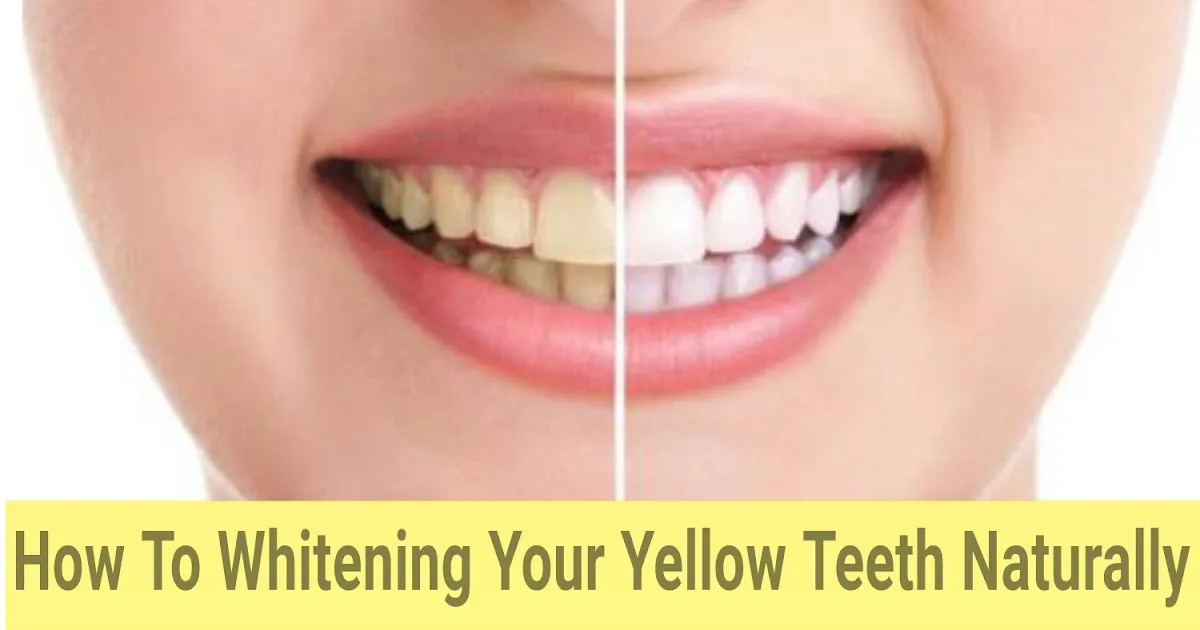
Dealing with yellow teeth can be a source of self-consciousness, impacting your confidence and the way you present yourself to the world. The good news is that teeth whitening is a highly effective and accessible solution. Understanding the causes of yellowing, exploring various whitening methods, and knowing how to maintain a bright smile are crucial steps in achieving the radiant, confident smile you desire. This guide will walk you through the ins and outs of teeth whitening, especially when dealing with noticeably yellow teeth, providing you with the knowledge and tools needed to make informed decisions and achieve the best possible results. We will cover the causes, available methods, and the best practices for maintaining your white teeth.
Understanding Yellow Teeth Causes
Before diving into solutions, it’s essential to understand why your teeth may be yellow. The color of your teeth is influenced by several factors, ranging from lifestyle choices to the natural aging process. By understanding the underlying causes, you can better tailor your whitening strategy and anticipate potential challenges. One of the most common causes is the natural wear and tear of enamel, the outer protective layer of the tooth. As enamel thins over time, the yellowish dentin underneath becomes more visible. Another factor is staining, which can be caused by various substances that penetrate the enamel and discolor the teeth.
Dietary Factors
What we eat and drink plays a significant role in the color of our teeth. Certain foods and beverages contain pigments that can stain enamel, leading to yellowing over time. These stains can range from surface discoloration to deeper penetration, depending on the frequency and intensity of exposure. The good news is that by being mindful of your diet, you can prevent or limit further staining and potentially improve the results of your whitening treatments. It’s all about making informed choices.
Beverage Consumption

Coffee, tea, and red wine are notorious for staining teeth. These beverages contain dark pigments that can easily adhere to the enamel and cause discoloration. The tannins in tea and the chromogens in red wine are particularly problematic, leaving behind stubborn stains that can be difficult to remove. Regularly consuming these beverages, especially without immediate rinsing or brushing, can accelerate the yellowing process. Consider moderating your intake, using a straw to minimize contact with teeth, or rinsing your mouth with water after consumption.
Foods That Stain Teeth
Besides beverages, certain foods can also contribute to tooth discoloration. Berries (blueberries, blackberries, raspberries), curries, soy sauce, and balsamic vinegar are known for their staining properties. These foods contain strong pigments that can latch onto the enamel, particularly if the teeth are already porous or if the enamel is weakened. While you don’t need to eliminate these foods entirely, it’s wise to consume them in moderation and practice good oral hygiene afterward. Brushing your teeth or rinsing your mouth with water after meals can help to prevent stains from setting in.
Lifestyle Choices
Beyond dietary factors, certain lifestyle choices can significantly impact the color of your teeth. These choices can worsen yellowing or accelerate the process, requiring more intensive whitening treatments. It’s essential to evaluate your habits and make necessary adjustments to protect the brightness of your smile.
Smoking and Tobacco Use

Smoking and the use of other tobacco products are major contributors to tooth discoloration. The nicotine and tar in tobacco products leave behind yellow and brown stains on the teeth. These stains are not only unsightly but also very difficult to remove, often requiring professional dental cleaning and whitening treatments. Moreover, smoking can damage the gums and increase the risk of periodontal disease, further complicating oral health. Quitting smoking is the best way to protect your teeth and overall health. Consider this for a healthier lifestyle.
Oral Hygiene Habits
Poor oral hygiene can also contribute to the yellowing of teeth. Insufficient brushing, flossing, and not visiting the dentist regularly allow stains to accumulate. Plaque and tartar buildup on teeth can trap stains and make them more visible. Regular brushing (twice a day for two minutes each time), flossing, and professional dental cleanings are essential for maintaining healthy, white teeth. Without these practices, any whitening treatment might be less effective, as a clean surface is needed for the treatments to work properly.
Effective Teeth Whitening Methods
Several teeth whitening methods are available, each with its own benefits and potential drawbacks. These range from professional treatments performed by a dentist to at-home options, such as over-the-counter products. The choice of method depends on various factors, including the severity of the discoloration, your budget, and personal preference. Understanding these methods can help you to choose the best options for achieving a brighter smile.
Professional Whitening Options

Professional teeth whitening offers the most effective results, especially for those with significant yellowing. Dentists have access to stronger whitening agents and can provide supervised treatments in a controlled environment, which allows for more dramatic and safe results. Professional treatments are also beneficial because they can address underlying issues, such as cavities or gum disease, which could impact the success of the whitening procedure. In-office whitening provides the most direct and controlled approach.
In-Office Whitening Procedures
In-office whitening typically involves a high concentration of hydrogen peroxide or carbamide peroxide applied directly to the teeth. The dentist will protect your gums and lips, then apply the whitening agent. A special light or laser may be used to accelerate the whitening process, enhancing the penetration of the agent into the enamel. The entire procedure usually takes about one to two hours, and you can see noticeable results immediately. This method is ideal for people looking for quick, significant improvements in tooth color.
Benefits of Professional Whitening
Professional whitening offers several advantages over at-home treatments. Firstly, it provides faster and more dramatic results due to the higher concentration of bleaching agents. Secondly, the dentist can closely monitor the procedure, minimizing the risk of side effects such as gum irritation or tooth sensitivity. Thirdly, professional whitening is often more effective in treating severe discoloration, especially when the yellowing is deep-seated. Lastly, it ensures that your teeth are evaluated for any underlying issues before treatment, ensuring the overall health and safety of the procedure.
At-Home Whitening Kits

For those seeking a more affordable and convenient option, at-home whitening kits are available. These kits typically include whitening strips, trays, and gels that contain a lower concentration of whitening agents. While at-home kits may not deliver results as quickly as professional treatments, they can still improve the appearance of your teeth over time. Consistency and adherence to instructions are essential for optimal results. You should always consult with your dentist before starting at-home whitening.
Whitening Toothpastes and Rinses
Whitening toothpastes and rinses are a gentle way to improve the brightness of your teeth. These products contain mild abrasives or chemical agents that help remove surface stains. While they cannot change the intrinsic color of your teeth, they can help to remove surface stains and make your teeth look cleaner and brighter. For best results, use these products consistently and combine them with proper brushing and flossing techniques. These products are a good way to maintain your whitened smile.
Custom Tray Systems
Custom tray systems involve using a mold of your teeth to create custom-fitted trays that hold the whitening gel. Your dentist can provide these trays or you can purchase them online, but the professional option offers a more precise fit. You fill the trays with a whitening gel and wear them for a specified amount of time each day or night. This method provides more consistent and even whitening compared to whitening strips. It is also more cost-effective than professional whitening, however, the results may not be as quick or as dramatic.
Over-the-Counter Products

Over-the-counter (OTC) teeth whitening products are widely available at drugstores and supermarkets. These products are generally less expensive and easier to access than professional treatments. However, they often contain weaker concentrations of whitening agents and may not be as effective for severe yellowing. It’s important to read and follow the instructions carefully and be aware of potential side effects, such as tooth sensitivity. OTC products are a great option for those looking for a slight improvement in the color of their teeth.
Whitening Strips and Gels
Whitening strips are a popular over-the-counter option. These thin, flexible strips are coated with a whitening agent, usually hydrogen peroxide. You apply the strips to your teeth for a specified amount of time each day. Whitening gels are another OTC option that you can apply directly to your teeth using a brush or a tray. These gels may contain similar whitening agents as the strips, with varying concentrations. Both whitening strips and gels are generally safe and effective for mild to moderate discoloration but may not be as effective for severe yellowing or stains.
Things to Consider When Choosing a Method
When choosing a teeth whitening method, several factors need to be considered to ensure you get the best results for your specific needs. Understanding these considerations will help you to make a well-informed decision.
Cost Considerations

The cost of teeth whitening can vary significantly depending on the chosen method. Professional treatments are generally more expensive due to the expertise, materials, and equipment involved. At-home kits and over-the-counter products are typically more affordable. It’s essential to set a budget and research different options within your price range. However, the effectiveness of the treatment should also be considered. Choosing a slightly more expensive method may be worth it to achieve desired results and avoid disappointment.
Sensitivity and Side Effects
Tooth sensitivity is a common side effect of teeth whitening, particularly with high-concentration whitening agents. Some individuals may also experience gum irritation. Professional treatments can often mitigate these issues by using desensitizing agents or adjusting the concentration of the whitening agent. Always follow the instructions provided with at-home kits and consult your dentist if you experience significant discomfort. If you have pre-existing dental issues, be sure to get an evaluation with your dentist before you start the whitening process.
Maintaining Your Whitened Smile
Maintaining your bright, white smile after whitening is just as important as the whitening process itself. Proper oral hygiene, regular dental check-ups, and dietary adjustments are essential for preventing stains and keeping your teeth looking their best. Long-term maintenance helps maximize the longevity and effectiveness of your whitening treatment. These steps help your results last.
Oral Hygiene Routine

A consistent oral hygiene routine is the cornerstone of maintaining white teeth. Brushing your teeth twice a day for at least two minutes each time removes plaque and surface stains. Flossing daily removes food particles and plaque from areas your toothbrush cannot reach. Consider using a whitening toothpaste or mouthwash to help remove any surface stains. Regular dental cleanings are important for removing plaque, tartar, and surface stains that brushing and flossing cannot eliminate. Be sure to use the right brushing and flossing techniques.
Brushing and Flossing
Proper brushing technique is vital for maintaining white teeth. Use a soft-bristled toothbrush and gently brush all surfaces of your teeth. Use circular motions to avoid damaging the enamel. Be sure to replace your toothbrush every three months or sooner if the bristles become frayed. Flossing daily is equally important. Floss between each tooth to remove food particles and plaque. Use a gentle up-and-down motion to avoid irritating your gums. A good routine, including brushing and flossing, will keep your teeth healthy and white.
Regular Dental Check-ups
Regular dental check-ups and cleanings are crucial for maintaining a bright, healthy smile. Your dentist can identify any underlying issues, such as cavities or gum disease, and provide treatment. During a cleaning, your dentist will remove plaque and tartar, which can cause stains. They can also polish your teeth, making them appear brighter. Schedule a check-up and cleaning at least twice a year. Your dentist can also monitor the effectiveness of your whitening treatment and provide advice on how to maintain your results.
Dietary Adjustments
Your diet plays a significant role in maintaining a whitened smile. Being mindful of the foods and beverages you consume can help prevent new stains from forming. Making certain dietary adjustments can have a significant impact on how long your results last.
Foods to Avoid
Certain foods and beverages are known to stain teeth. Limiting your intake of coffee, tea, red wine, and dark-colored berries can help to prevent new stains. If you consume these items, rinse your mouth with water immediately afterward or brush your teeth after a reasonable amount of time. Avoiding these foods can help to protect your whitened smile.
Foods to Embrace
Incorporating certain foods into your diet can help to maintain a bright smile. Crunchy fruits and vegetables, such as apples and carrots, can help to scrub away surface stains. Dairy products, like milk and cheese, contain calcium, which helps to strengthen enamel. Drinking plenty of water also helps to rinse away food particles and prevent stains. A balanced diet will contribute to overall oral health, which will make your whitening results last longer.
Conclusion
Teeth whitening for yellow teeth is a manageable process with a variety of effective methods available. By understanding the causes of yellowing, choosing the right whitening method, and maintaining a consistent oral hygiene routine, you can achieve a brighter, more confident smile. Whether you opt for professional treatments or at-home kits, consistency, and proper care are critical. With the right approach, you can successfully combat yellow teeth and enjoy a radiant smile. Regular dental visits and proper oral care will keep your teeth healthy and looking their best. Remember, a beautiful smile is always achievable.