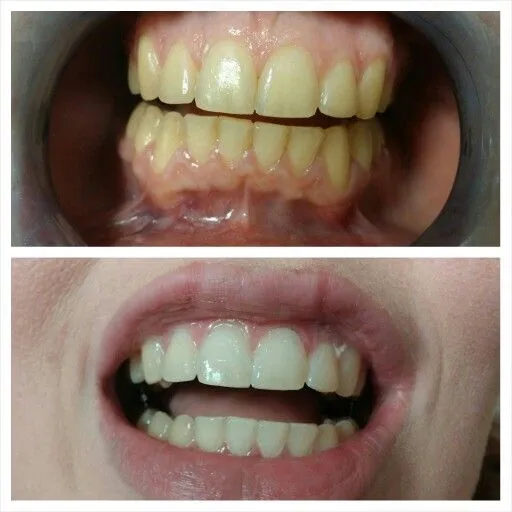
The Shocking Truth About Teeth Whitening Gone Wrong
Teeth whitening is a popular cosmetic procedure, promising a brighter, more confident smile. However, things can go awry, leading to disappointing results and even dental complications. Understanding the common pitfalls is crucial to ensure a safe and effective teeth whitening experience. This article delves into the top 5 mistakes people make, offering insights into how to avoid them and achieve the dazzling smile you’ve always wanted. It’s not just about aesthetics; it’s about protecting your oral health. Knowing the potential downsides empowers you to make informed decisions and choose the right path to a radiant smile, free from the common traps that can lead to unsatisfactory outcomes. So, let’s uncover the secrets to successful teeth whitening.
Mistake 1 Selecting the Wrong Whitening Method
One of the biggest mistakes people make is choosing a teeth whitening method that isn’t right for their specific needs. The market is flooded with options, from over-the-counter kits to professional treatments, and each comes with its own set of pros and cons. Selecting the wrong one can lead to ineffective results, increased sensitivity, and even damage to your teeth and gums. To make the right choice, it’s essential to understand the different options and their suitability for various dental conditions and personal preferences. Always prioritize your oral health and consult with a dental professional to guide your decision-making process.
Understanding Whitening Options

Teeth whitening options vary significantly, each employing different methods and strengths of whitening agents. Professional whitening, performed by a dentist, often utilizes high-concentration hydrogen peroxide or carbamide peroxide. These treatments are more potent and can deliver dramatic results relatively quickly. Over-the-counter (OTC) options, such as whitening strips, gels, and toothpastes, contain lower concentrations of whitening agents and are typically less effective, but also less risky. The choice between professional and OTC options should be determined by your desired results, sensitivity levels, and budget. Understanding the differences is the first step in avoiding teeth whitening mistakes and achieving the smile you desire.
The Perils of Over-the-Counter Kits
While convenient and affordable, over-the-counter (OTC) whitening kits can pose several risks if used improperly or without professional guidance. The concentrations of whitening agents in these kits are often lower than those used by dentists, which means results can be less dramatic or take longer to achieve. Furthermore, without a dentist’s assessment, you might not be aware of underlying dental issues, such as cavities or gum disease, which can be exacerbated by whitening treatments. Incorrect application, using the products for too long, or not following instructions carefully can lead to sensitivity, gum irritation, and uneven whitening. It is extremely important to read instructions carefully.
Professional Whitening vs DIY Kits
The choice between professional whitening and DIY kits often boils down to a trade-off between cost, convenience, and effectiveness. Professional whitening, although more expensive, offers several advantages. Dentists can use stronger whitening agents, achieving faster and more noticeable results. They can also assess your oral health, addressing any underlying issues before starting treatment. Professional whitening minimizes risks and can be tailored to your specific needs. DIY kits, on the other hand, are generally more affordable and accessible. However, they may deliver less impressive results and increase the risk of sensitivity or uneven whitening if used incorrectly. The decision depends on your individual circumstances, preferences, and desired outcome. Consider your budget and health as the factors for the final decision.
Mistake 2 Ignoring Tooth Sensitivity and Gum Issues

Tooth sensitivity and gum irritation are common side effects of teeth whitening, and ignoring these issues can lead to significant discomfort and potentially damage your oral health. Many people experience heightened sensitivity during and after whitening treatments, especially when using stronger whitening agents or for prolonged periods. Similarly, improper application of whitening products can irritate the gums, leading to redness, swelling, and discomfort. Addressing these issues promptly and appropriately is crucial for a positive experience and for protecting your smile.
The Science Behind Tooth Sensitivity
Tooth sensitivity during teeth whitening occurs because the whitening agents, typically hydrogen peroxide or carbamide peroxide, penetrate the enamel and dentin, affecting the nerves inside the teeth. This can cause temporary inflammation and increased sensitivity to hot, cold, sweet, or acidic foods and drinks. The degree of sensitivity varies from person to person and depends on the concentration of the whitening agent, the duration of treatment, and the natural sensitivity of the teeth. Understanding the science behind sensitivity helps you take appropriate steps to manage it, such as using desensitizing toothpaste, taking breaks from whitening, or consulting with your dentist.
Managing Gum Irritation
Gum irritation is another potential side effect of teeth whitening, often caused by the whitening agent coming into contact with the gums. This can happen if the whitening trays don’t fit properly, if the whitening strips are applied incorrectly, or if too much gel is used. Symptoms of gum irritation can include redness, swelling, and soreness. To prevent gum irritation, make sure the whitening trays fit snugly, avoid applying too much gel, and wipe away any excess product that comes into contact with your gums. If irritation occurs, discontinue the treatment and consult with your dentist. You can apply a soothing gel to the gums or rinse your mouth with saltwater to alleviate the problem.
Pre-Treatment Consultation Importance

Before undergoing any teeth whitening treatment, it’s extremely important to consult with a dentist. A professional assessment can identify any underlying dental issues, such as cavities, gum disease, or existing fillings, that could be exacerbated by whitening. The dentist can also assess the sensitivity of your teeth and gums and recommend appropriate treatment options. They can advise you on the most suitable whitening method and concentration of whitening agents based on your individual needs and the condition of your teeth. A pre-treatment consultation is not only a safety measure but also helps you to determine the most effective and safe teeth whitening plan.
Mistake 3 Expecting Unrealistic Results
Teeth whitening can dramatically improve the appearance of your smile, but it’s important to have realistic expectations about the potential results. Several factors influence the effectiveness of teeth whitening, including the type of stains, the natural shade of your teeth, and the whitening method used. Setting unrealistic expectations can lead to disappointment and dissatisfaction. Understanding the limitations of teeth whitening and setting achievable goals can help ensure a more positive experience and prevent you from feeling let down by the outcome. The ultimate goal is a brighter and healthier smile.
Factors Influencing Whitening Outcomes
The effectiveness of teeth whitening depends on various factors. The type of stains is a major influence. Extrinsic stains, such as those caused by coffee, tea, or smoking, tend to respond well to whitening treatments. Intrinsic stains, caused by factors like aging, genetics, or certain medications, can be more resistant. The natural shade of your teeth also plays a role. Teeth with a yellow hue typically whiten more effectively than those with gray or brown tones. Furthermore, the whitening method and concentration of the whitening agent also impact the results. The best approach is to discuss your unique situation with your dentist.
Setting Realistic Expectations

It’s crucial to have realistic expectations about what teeth whitening can achieve. While teeth whitening can significantly improve your smile’s appearance, it won’t necessarily result in a perfectly white smile, especially if your teeth are naturally darker or have certain types of stains. The goal should be to achieve a brighter, more aesthetically pleasing smile that complements your overall appearance. A dentist can help you understand what is achievable based on your individual circumstances and dental condition. Being realistic about the expected outcomes will prevent disappointment and ensure you are satisfied with your teeth whitening experience.
Understanding Tooth Shade Limitations
Teeth whitening can lighten your teeth by several shades, but there are limitations. The shade of your teeth will determine how much whitening can be achieved. Teeth with a yellowish hue generally respond better to whitening than those with gray or brown tones. Fillings, crowns, and veneers do not whiten, so any existing dental work will remain the same color, which could result in uneven color if the surrounding teeth are whitened. Knowing these limitations helps you anticipate the results and discuss them with your dentist. Your dentist will be able to recommend suitable options, for example, veneers or crowns, to achieve your desired results.
Mistake 4 Neglecting Aftercare and Maintenance
After teeth whitening, it’s essential to follow proper aftercare and maintenance routines to preserve the results and prevent future staining. This involves dietary restrictions, maintaining good oral hygiene practices, and scheduling regular dental checkups. Ignoring aftercare measures can diminish the effects of the whitening treatment, leading to a loss of brightness and potentially requiring additional treatments. Following these guidelines will help you maintain your bright smile for longer.
Post-Whitening Dietary Restrictions

After teeth whitening, your teeth are more susceptible to staining because the pores in the enamel are temporarily open. Therefore, it’s essential to avoid foods and drinks that can stain your teeth, such as coffee, tea, red wine, berries, and dark sauces, for at least the first few days, preferably longer. The duration of dietary restrictions will be determined by your dentist. Smoking should also be avoided, as it is a major source of tooth discoloration. By carefully watching what you eat and drink, you can prevent stains and maintain your newly whitened smile. Drinking through a straw can minimize contact with your teeth.
Maintaining Results Long-Term
To maintain the results of teeth whitening long-term, it’s important to practice good oral hygiene, avoid staining foods and drinks, and consider touch-up treatments. Brushing your teeth twice a day, flossing daily, and using a whitening toothpaste can help remove surface stains and keep your teeth bright. Regular dental checkups and cleanings are also essential for maintaining your oral health. Consider touch-up treatments as recommended by your dentist to keep your smile radiant. By implementing these long-term strategies, you can enjoy your dazzling white smile for an extended period.
Importance of Regular Dental Checkups
Regular dental checkups are crucial for maintaining oral health and preserving the results of teeth whitening. During these visits, your dentist can assess the health of your teeth and gums, identify any potential problems, and provide professional cleanings. These cleanings remove surface stains and plaque, helping to keep your teeth bright. Regular checkups allow your dentist to monitor your teeth and gums and recommend any necessary treatments to maintain your oral health. In addition, your dentist may suggest touch-up whitening treatments to maintain your bright smile, ensuring your teeth remain healthy and beautiful for years to come.
Mistake 5 Not Consulting a Dentist

The most critical mistake you can make is not consulting a dentist before undergoing teeth whitening. A dentist can assess your oral health, recommend the most appropriate whitening method for your individual needs, and address any underlying dental issues. Professional guidance ensures a safe and effective whitening experience and helps you achieve the best possible results. Seeking advice from a dental professional is an investment in your oral health and your smile’s longevity. Never underestimate the importance of professional expertise.
The Role of a Dentist in Whitening
Dentists play a crucial role in teeth whitening, offering professional treatments, personalized advice, and ensuring your safety and satisfaction. They can assess your oral health, identifying any conditions that could impact the results of your treatment. They will also determine whether you’re a good candidate for teeth whitening, taking into account your teeth’s color, the type of stains you have, and any existing dental work. In addition to providing in-office whitening, dentists can supervise the use of at-home whitening kits, ensuring you follow the instructions correctly and avoid any potential complications. Their experience and knowledge make them the most trustworthy resource for teeth whitening.
Identifying Underlying Dental Issues
A dentist can identify underlying dental issues before you start teeth whitening. This is essential for the overall safety and the effectiveness of the treatment. Undetected cavities, gum disease, or other dental problems can worsen during teeth whitening. For example, the whitening agents may irritate any existing decay, causing increased sensitivity and pain. Your dentist will examine your teeth for cavities, gum recession, or other issues. They can address these problems before you start teeth whitening to prevent complications and achieve the best possible results. Identifying and treating these problems will improve the health of your teeth.
Why Professional Advice Matters
Consulting a dentist before teeth whitening ensures a safe and effective experience. Dentists can assess your oral health, identify any underlying issues, and recommend the most appropriate whitening method for your needs. They can also explain the potential risks and side effects and provide guidance on how to manage them. Their expertise helps you avoid common mistakes and achieve the best possible results. The investment in professional advice protects your oral health and maximizes your chances of achieving a brighter, more confident smile. Trust the professionals, your smile will thank you.