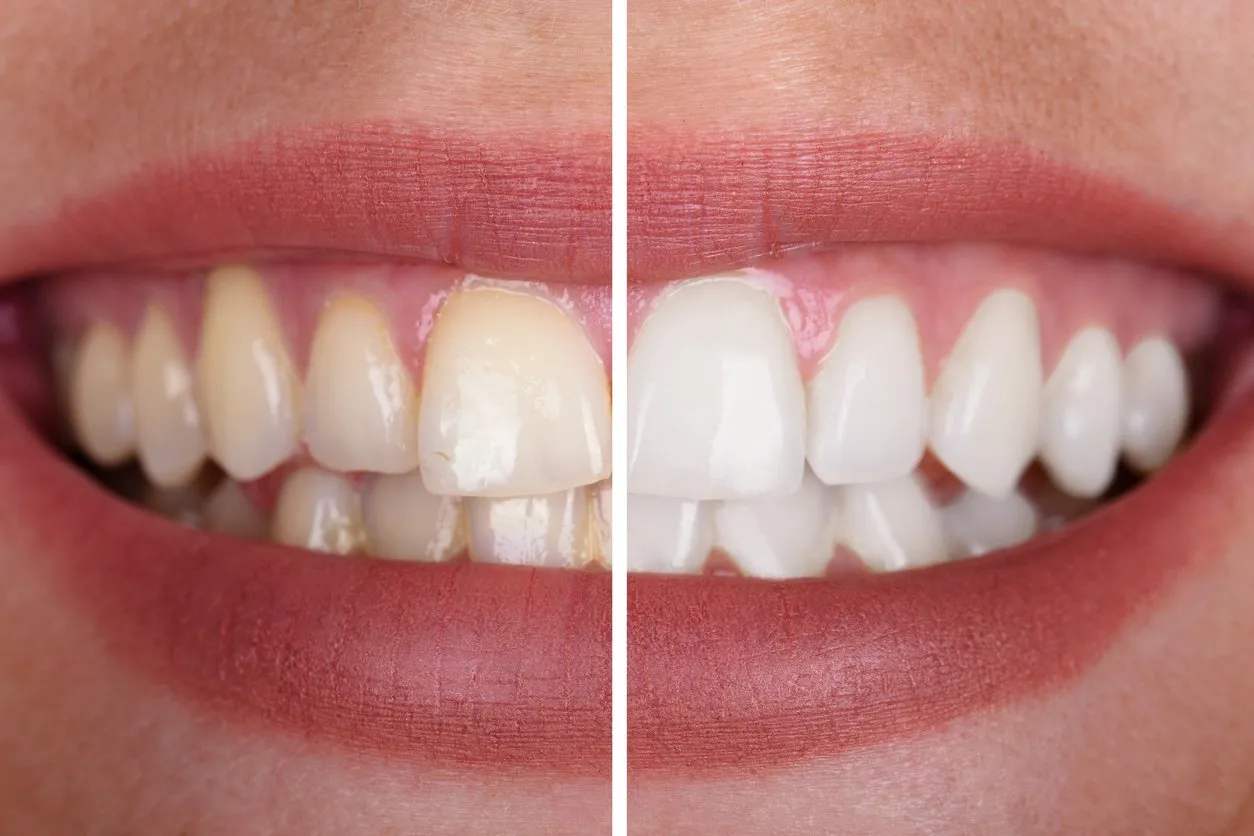
Teeth Whitening What is it?
Teeth whitening is a cosmetic dental procedure designed to lighten the shade of your teeth, enhancing the overall appearance of your smile. This process aims to remove stains and discoloration caused by various factors like aging, certain foods and drinks (such as coffee, tea, and red wine), tobacco use, and even some medications. The goal is to achieve a brighter, more aesthetically pleasing smile, boosting your confidence and oral health. There are several methods to achieve this, ranging from professional treatments at the dentist’s office to at-home options like whitening strips and toothpastes. The effectiveness and safety of each method depend on the individual’s specific dental condition and the type of stains present.
Understanding Teeth Whitening Process
The teeth whitening process works by using bleaching agents that penetrate the enamel of your teeth to break down the stain molecules. The most common active ingredient in these agents is hydrogen peroxide or carbamide peroxide. These chemicals release oxygen molecules that react with the stain compounds, breaking them into smaller, less concentrated stains. The duration of the whitening process and the degree of whitening depend on several factors, including the concentration of the bleaching agent, the length of time the agent is applied, and the type and severity of the stains. Professional treatments often use higher concentrations of the bleaching agent, offering faster results. At-home methods typically use lower concentrations and require more extended applications to achieve similar results.
Types of Teeth Whitening

There are primarily two main categories of teeth whitening options available professional and at-home treatments. Each method offers different advantages in terms of speed, effectiveness, and cost. Professional whitening, performed by a dentist, often involves a higher concentration of bleaching agents and can produce dramatic results in a single session. At-home options offer greater convenience and are typically more affordable, but the results may take longer to appear and might be less dramatic. Understanding the differences between these types is important for selecting the best method to achieve your desired results and oral health.
Professional Teeth Whitening
Professional teeth whitening is conducted in a dental office and is one of the most effective ways to achieve a brighter smile quickly. The dentist will apply a high-concentration bleaching agent to your teeth, often using a protective gel to shield your gums from irritation. This process may be accelerated using a special light or laser. The entire procedure usually takes about an hour, and you can see significant whitening immediately. While effective, professional treatments are generally more expensive than at-home methods. Regular check-ups and professional cleanings are usually recommended to maintain the results and ensure your oral health.
At-Home Teeth Whitening Options
At-home teeth whitening options provide a convenient and more affordable alternative to professional treatments. These methods include over-the-counter products such as whitening strips, trays, and toothpastes, as well as custom-fitted trays provided by your dentist. Whitening strips are easy to use and adhere directly to your teeth. Tray-based systems involve filling a custom or pre-formed tray with a whitening gel and wearing it for a specified time. Whitening toothpastes contain mild abrasives or chemical agents to remove surface stains. The effectiveness of at-home options varies, and it’s essential to follow the instructions carefully to avoid potential side effects and ensure optimal results. Consulting with your dentist before starting any at-home whitening treatment is always recommended.
Teeth Whitening Products and Methods

The market offers a variety of teeth whitening products and methods to suit different needs and preferences. Understanding the various options will help you make an informed decision about which products align with your budget, lifestyle, and desired results. The key is to choose products that are safe and effective for your specific dental condition. Factors to consider when selecting products include the active ingredients, the application method, the potential for side effects, and the level of whitening you expect to achieve. Always look for products that have been tested and approved by relevant health authorities, and consult your dentist for personalized recommendations.
Whitening Toothpastes
Whitening toothpastes are designed to remove surface stains from your teeth, giving them a brighter appearance. These toothpastes typically contain mild abrasives that gently polish the teeth’s surface or chemical agents that help break down stains. While whitening toothpastes can improve your smile’s brightness, they usually do not offer the same level of whitening as professional treatments or whitening strips. They are best for maintaining the results of other whitening methods and preventing new stains from forming. Overuse of abrasive toothpastes can sometimes lead to increased tooth sensitivity or enamel erosion, so it’s essential to use them as directed and consult your dentist if you have concerns.
Whitening Strips
Whitening strips are a popular and convenient at-home teeth whitening method. These thin, flexible strips are coated with a whitening gel containing hydrogen peroxide or carbamide peroxide. They are applied directly to the teeth and are designed to stay in place for a specific amount of time, typically 30 minutes. Whitening strips can provide noticeable results within a few weeks of regular use. It is important to follow the product instructions carefully to avoid any potential gum irritation or uneven whitening. Whitening strips are generally considered safe and effective for most people, but those with sensitive teeth or gum conditions should exercise caution or consult a dentist before using them.
Teeth Whitening Bleaching Agents

The primary bleaching agents used in teeth whitening are hydrogen peroxide and carbamide peroxide. These chemicals work by releasing oxygen molecules that penetrate the tooth enamel and break down the stain molecules. Hydrogen peroxide is a stronger bleaching agent and is often used in professional whitening treatments. Carbamide peroxide breaks down into hydrogen peroxide, and is commonly found in at-home products. The concentration of the bleaching agent affects the speed and effectiveness of the whitening process. Higher concentrations typically lead to faster and more dramatic results, but also carry a higher risk of side effects such as tooth sensitivity or gum irritation. It is recommended to choose products with concentrations that align with your oral health and consult your dentist.
How to Prepare for Teeth Whitening
Preparing for teeth whitening involves several steps to ensure a safe and effective treatment. This preparation includes a dental examination and consultation, assessing your gum health, and making sure your teeth are ready for the whitening process. Properly preparing can minimize potential side effects, such as sensitivity, and increase the likelihood of achieving the desired results. Consult your dentist before starting any whitening treatment to discuss your dental history, current oral health, and any potential risks or concerns. This personalized guidance will help you choose the most appropriate whitening method and ensure a successful outcome for your smile.
Dental Examination and Consultation
A dental examination is a crucial first step before undergoing teeth whitening. Your dentist will assess your overall oral health, including the condition of your teeth and gums. They will look for any existing cavities, fillings, or other dental work, as these may affect the whitening process. Fillings and crowns will not whiten. The dentist will also check for signs of gum disease or other oral health issues that might make you unsuitable for whitening. During the consultation, the dentist will discuss your expectations, explain the different whitening options, and recommend the most suitable approach based on your individual needs. This process ensures that teeth whitening is safe and effective for you.
Gum Health Assessment

Assessing your gum health is another important part of preparing for teeth whitening. Healthy gums are essential for a successful and comfortable whitening experience. Your dentist will examine your gums for signs of inflammation, recession, or any other issues. If you have gum disease or other gum problems, your dentist may recommend treating these conditions before starting the whitening treatment. The bleaching agents used in teeth whitening can sometimes irritate the gums, so it’s essential to have healthy gums to minimize the risk of irritation. Taking care of your gums beforehand ensures that the whitening process is safe and that you achieve the desired results without unnecessary discomfort.
The Procedure of Teeth Whitening
The teeth whitening procedure varies based on the method you choose. Whether you opt for a professional in-office treatment or an at-home method, understanding the step-by-step process can help you know what to expect. Professional whitening usually involves preparing the teeth, protecting the gums, and applying a high-concentration bleaching agent. At-home methods involve using strips, trays, or toothpastes as directed. Knowing these procedures will help you feel more comfortable with the process and achieve optimal results. Always follow the instructions carefully to avoid any complications and ensure the effectiveness of the whitening treatment.
Professional Whitening Procedure
The professional teeth whitening procedure begins with the dentist cleaning your teeth to remove any plaque or debris. Then, a protective barrier is applied to your gums to prevent irritation from the bleaching agent. The dentist will apply a high-concentration whitening gel to your teeth. A special light or laser may be used to accelerate the whitening process. The gel is typically left on your teeth for a certain amount of time, and then rinsed off. This process may be repeated multiple times during a single session. After the procedure, the dentist may apply a fluoride treatment to reduce any potential sensitivity. The entire process usually takes about an hour, and you can see immediate results.
At-Home Whitening Procedure

At-home teeth whitening procedures are typically simpler and can be done at your convenience. If you use whitening strips, you simply apply the strips to your teeth as directed and leave them on for the recommended amount of time. For tray-based systems, you will fill the tray with the whitening gel and wear it for the duration specified by your dentist or the product instructions. Whitening toothpastes are used like regular toothpaste, brushed onto your teeth for about two minutes, twice a day. Always follow the product instructions carefully to achieve optimal results. Be patient, as at-home methods often take longer to show noticeable results compared to professional treatments.
How to Get the Best Results
To achieve the best results from teeth whitening, several factors should be considered. Proper preparation, choosing the right whitening method, and following aftercare instructions all play a key role in ensuring a brighter, healthier smile. Careful consideration of the lifestyle choices and habits that may affect the color of your teeth is also very important. This knowledge will help you maximize the effectiveness of the whitening treatment and maintain the results for a longer period. Consulting with your dentist and adhering to their recommendations will contribute significantly to your success.
Dietary Guidelines for Teeth Whitening
Following specific dietary guidelines after teeth whitening can help to maintain the results and prevent new stains from forming. Certain foods and drinks can stain your teeth, particularly those with strong colors or high acidity. Foods and drinks to avoid or limit include coffee, tea, red wine, dark sodas, berries, and tomato-based sauces. These items can cause discoloration and diminish the effects of the whitening treatment. During the initial few days after whitening, it is often recommended to consume a ‘white diet’ which includes foods such as white rice, plain chicken, and cauliflower. Staying hydrated by drinking plenty of water helps keep your teeth clean and healthy. These dietary considerations will help you enjoy your brighter smile for longer.
Oral Hygiene After Whitening

Maintaining good oral hygiene practices after teeth whitening is essential for preserving the results and maintaining a healthy smile. Regular brushing, flossing, and the use of an antibacterial mouthwash are important. Brush your teeth twice a day for two minutes each time, using a soft-bristled toothbrush. Floss daily to remove plaque and food particles from between your teeth. Rinse with an antibacterial mouthwash to help kill bacteria that can cause stains and cavities. Avoid smoking and limit your intake of staining foods and beverages. Regular dental check-ups and professional cleanings will help you keep your teeth bright and your gums healthy.
Maintaining Your Bright Smile
To maintain your bright smile after teeth whitening, adopt practices that help prevent stains and keep your teeth healthy. Follow the dietary guidelines to limit your consumption of staining foods and drinks. Practice good oral hygiene habits, including regular brushing, flossing, and rinsing with an antibacterial mouthwash. Schedule regular dental check-ups and professional cleanings to remove any surface stains and ensure your teeth and gums are in good condition. Using a whitening toothpaste can help maintain the brightness of your smile, but avoid abrasive toothpastes that could damage your enamel. By integrating these practices into your daily routine, you can enjoy your brighter, whiter smile for years to come.
Potential Risks and Side Effects
While teeth whitening is a generally safe procedure, it may come with some potential risks and side effects. It is important to be aware of these to make an informed decision and take appropriate measures to minimize their occurrence. The most common side effects are tooth sensitivity and gum irritation. These are usually temporary and subside shortly after the whitening treatment. However, understanding these potential issues and knowing what steps to take to manage them will ensure that the whitening experience is comfortable and effective, and your oral health is maintained.
Gum Sensitivity

Gum sensitivity can be a temporary side effect of teeth whitening. The bleaching agents used in the whitening process can sometimes irritate the gum tissues, leading to sensitivity. This can manifest as redness, swelling, or discomfort. Usually, this sensitivity is mild and resolves within a few days after the treatment. To reduce gum irritation, dentists often apply a protective barrier to the gums before starting the whitening procedure. At-home users should follow the product instructions carefully to avoid overexposure to the bleaching agent. If gum irritation occurs, avoid using the whitening product for a few days and consult your dentist.
Teeth Sensitivity
Teeth sensitivity is another common side effect of teeth whitening. The bleaching agents used in whitening can penetrate the enamel and reach the underlying dentin, which contains nerve endings. This may lead to temporary tooth sensitivity, especially when consuming hot or cold foods and drinks. The sensitivity usually disappears within a few days after the treatment. To reduce tooth sensitivity, your dentist may recommend the use of a desensitizing toothpaste or fluoride treatments. Avoid very hot or cold foods immediately after the whitening procedure. If the sensitivity is severe or prolonged, contact your dentist.
Alternatives to Teeth Whitening
If teeth whitening is not a suitable option for you, several alternatives can improve the appearance of your smile. Veneers, which are thin shells that are bonded to the front of your teeth, can address discoloration, chips, and other cosmetic issues. Bonding involves applying a tooth-colored resin to your teeth to repair damage or improve their appearance. Other options include dental crowns, which cover the entire tooth and can improve its shape, size, and color. Discuss the alternatives with your dentist to determine the best treatment plan for your specific dental needs and cosmetic goals. These alternatives provide viable solutions for achieving a brighter, more attractive smile.