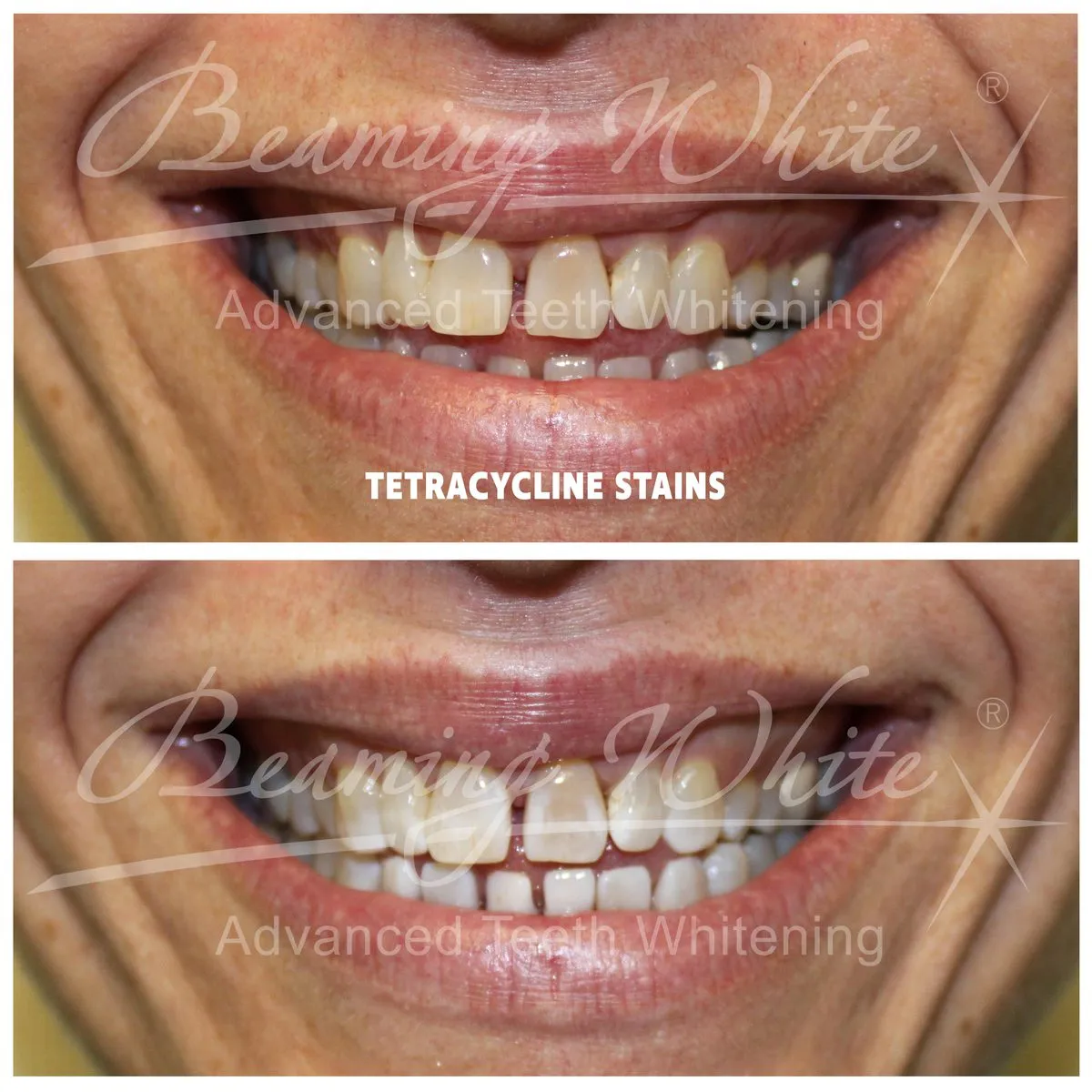
What is Teeth Whitening
Teeth whitening, also known as teeth bleaching, is a cosmetic dental procedure designed to lighten the color of your teeth and remove stains and discoloration. It’s a popular and effective way to enhance your smile and boost your confidence. This process involves using whitening agents to break down stains, resulting in a brighter, more aesthetically pleasing appearance. The effectiveness of teeth whitening can vary based on the type of stains, the whitening method used, and the individual’s dental health. Numerous factors play a role, but the primary goal always remains the same to achieve a dazzling, white smile.
Types of Teeth Whitening
There are primarily two main categories of teeth whitening procedures available in the market in order to help you achieve your goal. Each offers different advantages and cater to varying needs and preferences of individuals. These include in-office and at-home methods, each using different formulations and techniques to achieve the desired outcome. Your dentist will always be available to explain the details and differences between these two categories, and will advise you on the ideal procedure for you.
In-Office Teeth Whitening

In-office teeth whitening is performed by a dental professional in a clinic setting. It usually involves the application of a high-concentration bleaching agent, often activated by a special light or laser. The process is carefully monitored to ensure safety and effectiveness. This method often provides immediate results, with teeth visibly whiter after just one session. The procedure is typically completed within an hour or two, making it a convenient option for those seeking rapid results. In-office treatments offer a more controlled environment with professional supervision to ensure the best and safest outcomes. This means a safer and more effective way of achieving a dazzling, white smile. (in-office-teeth-whitening.webp)
At-Home Teeth Whitening
At-home teeth whitening involves using whitening products, such as strips, gels, or custom-fitted trays, at your own convenience. These products typically contain a lower concentration of bleaching agents compared to in-office treatments, which allows for safe, at-home usage. Your dentist may provide you with personalized trays for a more customized and effective fit. At-home methods require more time and consistent application to achieve desired results. These methods offer convenience and flexibility, allowing you to whiten your teeth at your own pace. It is also an option for those who prefer a more cost-effective approach to teeth whitening. (at-home-teeth-whitening.webp)
Benefits of Teeth Whitening
Teeth whitening offers a range of benefits that extend beyond aesthetics. A brighter smile can have a significant impact on your self-esteem and overall well-being. The results are immediate, and the long-term benefits are easily noticeable. A beautiful smile will change how you see yourself and how others perceive you, so teeth whitening goes beyond mere aesthetics, positively influencing many aspects of your life. This includes your personal relationships, and even professional opportunities.
Boosts Confidence

One of the most significant advantages of teeth whitening is the boost it provides to your self-confidence. Having a brighter, more attractive smile can make you feel more self-assured in social situations and at work. Smiling more often can also lead to a more positive outlook on life and increased feelings of happiness. Many people report a significant improvement in their self-image after undergoing teeth whitening treatments. A confident smile not only makes you feel good but also encourages others to perceive you in a more positive light. (teeth-whitening-confidence.webp)
Improves Appearance
Teeth whitening dramatically improves the appearance of your smile. It removes stains and discoloration caused by coffee, tea, tobacco, and other factors, resulting in a brighter, more youthful look. A whiter smile can make you look healthier and more vibrant. This cosmetic enhancement can also make your teeth appear straighter and more aligned, contributing to an overall improvement in facial aesthetics. A better smile has a positive impact on your social interactions and your self-esteem, making you feel better about yourself and your overall appearance.
Enhances Oral Health
While the primary goal of teeth whitening is cosmetic, it can also encourage better oral hygiene practices. When you invest in whitening your teeth, you’re more likely to maintain a diligent oral care routine, including regular brushing, flossing, and dental check-ups. This proactive approach to oral health can help prevent dental problems like cavities and gum disease. Teeth whitening is often the beginning of a journey toward overall oral health. A beautiful, white smile promotes a positive attitude towards oral health, contributing to a healthier mouth and body. Additionally, a bright smile can inspire you to take better care of your teeth.
How Teeth Whitening Works

Teeth whitening works by using bleaching agents, typically hydrogen peroxide or carbamide peroxide, to break down stains and discoloration on the enamel of your teeth. These agents penetrate the enamel and react with the stain molecules, causing them to break apart and become less visible. The effectiveness of the whitening process depends on the concentration of the bleaching agent, the duration of the treatment, and the type of stains present. Different methods, such as in-office and at-home treatments, use varying concentrations and application techniques to achieve the desired results. (teeth-whitening-process.webp)
Teeth Whitening Process
The teeth whitening process generally involves several steps. In-office treatments usually begin with a thorough cleaning of the teeth to remove plaque and surface stains. Then, a protective barrier is applied to the gums to prevent irritation, followed by the application of the whitening agent. A special light or laser may be used to activate the bleaching agent and accelerate the process. At-home treatments typically involve using custom-fitted trays or whitening strips with a bleaching gel, which is worn for a specified period each day. The process may require multiple applications over several days or weeks to achieve the desired shade of white.
Materials Used
The primary material used in teeth whitening is a bleaching agent containing hydrogen peroxide or carbamide peroxide. These chemicals are responsible for breaking down the stain molecules in your teeth. The concentration of these agents varies depending on the treatment method. In-office treatments use higher concentrations for quicker results, while at-home kits contain lower concentrations for safe, unsupervised use. Other materials include protective barriers for gums and lips, custom-fitted trays for at-home whitening, and special lights or lasers to activate the bleaching agents in some in-office procedures.
Maintaining Your White Smile

Maintaining a white smile requires a consistent oral hygiene routine and lifestyle adjustments. Avoiding stain-causing foods and beverages, such as coffee, tea, and red wine, can help prevent discoloration. Regular dental check-ups and professional cleanings are essential for removing surface stains and maintaining overall oral health. Following these guidelines ensures your teeth remain bright and healthy. Proper maintenance extends the longevity of your teeth whitening results, allowing you to enjoy your dazzling smile for longer periods. Your daily habits play a huge role in how long your white smile lasts, so make sure to follow these rules!
Oral Hygiene Routine
A good oral hygiene routine is crucial for maintaining a white smile. Brush your teeth at least twice a day with a whitening toothpaste to remove surface stains. Floss daily to remove plaque and food particles from between your teeth, where staining can occur. Consider using a mouthwash to further cleanse and freshen your mouth. Regular brushing and flossing prevent the buildup of plaque, which can trap stains and lead to discoloration. Consistency in your oral hygiene routine will help you maintain the brightness of your teeth, prevent dental problems, and enhance the overall appearance of your smile.
Dietary Considerations
Dietary choices significantly impact the longevity of your teeth whitening results. Limiting the consumption of stain-causing foods and drinks, such as coffee, tea, red wine, and berries, can prevent new stains from forming. If you do consume these items, rinse your mouth with water immediately afterward to minimize their impact. Avoiding tobacco products is also important, as they can severely stain your teeth. Making smart dietary choices will significantly contribute to keeping your teeth white and maintaining your bright smile for a longer period. (teeth-whitening-diet.webp)
Professional Maintenance

Regular visits to your dentist for check-ups and professional cleanings are essential for maintaining your white smile. Your dentist can remove surface stains and plaque that accumulate over time. They can also monitor your oral health and address any potential issues. Your dentist might recommend touch-up whitening treatments to keep your smile at its brightest. Professional maintenance ensures the health and appearance of your teeth. Regular dental visits are a crucial part of preserving your teeth whitening investment, so schedule your checkups accordingly to get the best results.
Risks and Side Effects
While teeth whitening is generally safe, it can have some side effects. It is important to be aware of these potential issues before undergoing treatment. The most common side effects are temporary and can usually be managed with proper care. Being informed of these risks allows you to make the best decision for your specific needs. If you experience any adverse effects, consult your dentist for guidance and support.
Sensitivity
Teeth sensitivity is a common side effect of teeth whitening. It occurs because the bleaching agents can temporarily make your teeth more porous. This can lead to sensitivity to hot or cold temperatures, and may cause discomfort after the procedure. The sensitivity is usually temporary and fades within a few days or weeks. To minimize sensitivity, use a toothpaste designed for sensitive teeth before, during, and after the whitening process. Avoid very hot or cold foods and drinks. If the sensitivity is severe or persistent, consult your dentist. (teeth-whitening-sensitivity.webp)
Irritation

Gum irritation is another potential side effect of teeth whitening. Bleaching agents can sometimes irritate the gums, causing them to become inflamed or sore. This is more likely to happen if the whitening agent comes into contact with the gums during the procedure. Most irritation will disappear after a few days or weeks. To minimize the risk of irritation, ensure that the whitening trays fit properly and follow your dentist’s instructions. If you experience irritation, use a desensitizing toothpaste and avoid aggressive brushing. If the irritation is severe or persistent, contact your dentist immediately for treatment.
Effectiveness
The effectiveness of teeth whitening varies depending on several factors. Some people experience significant improvements in the brightness of their teeth, while others may see more subtle changes. The success of teeth whitening depends on the type of stains present, the whitening method used, and individual factors. Knowing these factors can help you set realistic expectations and achieve the best results. Consult with your dentist to determine the most effective method for your specific needs and teeth. (teeth-whitening-results.webp)
Factors Affecting Results
Several factors can affect the results of teeth whitening. The type of stains is very important; surface stains caused by food and drinks are often easier to remove than intrinsic stains, which originate from within the tooth. The concentration of the bleaching agent, the duration of the treatment, and the application method also influence the outcome. Individual factors, like the natural color of your teeth and the presence of dental work such as fillings or crowns, can also impact the final results. Understanding these factors can help you choose the most appropriate whitening method and set realistic expectations.
Longevity of Results

The longevity of your teeth whitening results varies based on factors like your lifestyle habits, oral hygiene routine, and the type of whitening method used. Maintaining a good oral hygiene routine, including regular brushing and flossing, can help preserve the results. Avoiding stain-causing foods and beverages, such as coffee, tea, and red wine, can also extend the life of your brighter smile. Periodic touch-up treatments may be needed to maintain the desired level of whiteness. With proper care and maintenance, you can enjoy your sparkling smile for a long time.
Conclusion
Teeth whitening offers an effective way to achieve a dazzling and confident smile. By understanding the different types of whitening methods, maintaining good oral hygiene, and making informed lifestyle choices, you can enjoy a brighter and more beautiful smile. Consult with your dentist to determine the best teeth whitening solution for your individual needs and goals, and take the first step toward a radiant, healthy smile today. Prioritizing oral health through teeth whitening can dramatically transform your smile and significantly improve your overall well-being. Teeth whitening is more than a cosmetic procedure; it’s an investment in your smile and your overall health.