Understanding Teeth Whitening Kits
The quest for a brighter smile has led to a boom in at-home teeth whitening kits. These kits promise a quick and affordable way to achieve a dazzling smile. However, before jumping on the bandwagon, it’s crucial to understand what these kits entail and whether they are safe for your teeth. At-home teeth whitening kits offer various methods, from strips to gels, all designed to lighten the shade of your teeth. The key is understanding the active ingredients and how they interact with your enamel and gums. This article will explore the different types of at-home whitening kits, their safety, potential risks, and how to minimize any adverse effects to ensure a healthy and confident smile.
Types of At-Home Teeth Whitening Kits
At-home teeth whitening kits come in several forms, each with its unique application method and active ingredients. Understanding these different types will help you choose the most suitable option for your needs and oral health. Each type has varying concentrations of active ingredients and application methods, influencing their effectiveness and potential side effects.
Whitening Strips

Whitening strips are perhaps the most popular type of at-home teeth whitening kits. They are thin, flexible strips coated with a whitening agent, typically hydrogen peroxide or carbamide peroxide. You apply these strips directly to your teeth, following the product instructions. The strips are designed to adhere to your teeth and deliver the whitening agent for a set amount of time each day. Results can vary depending on the concentration of the active ingredient and the duration of use. However, the convenience and ease of use make them a favorite for many users. It is important to follow the instructions to avoid any potential harm to your gums.
Whitening Toothpastes
Whitening toothpastes offer a more gradual approach to teeth whitening. These toothpastes contain mild abrasives and chemical agents that help remove surface stains. The abrasives gently polish the teeth, while the chemical agents work to break down the stains. While whitening toothpastes can improve the appearance of your teeth, they generally do not provide the same level of whitening as strips or gels. They are most effective at removing surface stains caused by coffee, tea, or smoking. It’s essential to choose a whitening toothpaste that is not overly abrasive to avoid damaging the enamel of your teeth. Furthermore, always brush gently to avoid abrasion.
Whitening Gels and Trays
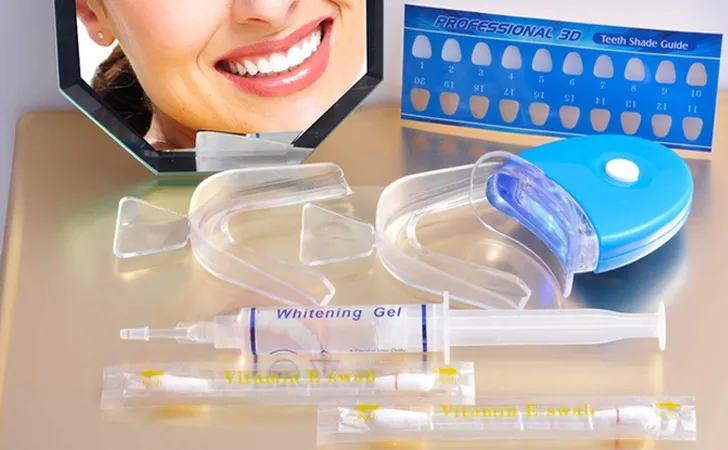
Whitening gels and trays offer a more customized whitening experience. These kits usually include a gel containing a whitening agent and trays that mold to the shape of your teeth. You apply the gel to the trays and wear them for a specified amount of time, usually daily for a few weeks. The trays ensure that the whitening agent comes into contact with all surfaces of your teeth. The effectiveness of these kits depends on the concentration of the whitening agent and the duration of use. They can provide more dramatic results than whitening toothpastes or strips, but they also carry a higher risk of side effects if not used properly. Always follow the manufacturer’s instructions and consult a dentist if you experience any discomfort.
Hydrogen Peroxide and Carbamide Peroxide

The primary active ingredients in most teeth whitening kits are hydrogen peroxide and carbamide peroxide. Hydrogen peroxide is a strong oxidizing agent that breaks down the stain molecules in your teeth. Carbamide peroxide is a slower-acting agent that breaks down into hydrogen peroxide and urea. The effectiveness of these agents depends on their concentration and the duration of contact with the teeth. The higher the concentration of the active ingredient, the faster the whitening process, but the greater the risk of side effects. It’s crucial to consider the concentration of these ingredients and the potential impact on your teeth.
The Role of Bleaching Agents
Both hydrogen peroxide and carbamide peroxide act as bleaching agents, penetrating the enamel of your teeth to break down the stain molecules. This process removes discoloration and lightens the shade of your teeth. These agents are effective at whitening teeth, but they can also cause sensitivity and other side effects. Understanding how these agents work can help you make informed decisions about your teeth whitening process. Proper use of bleaching agents is crucial to minimize the risk of harm. Therefore, it is vital to consult a dental professional before using any teeth whitening kit.
Potential Risks and Side Effects
While at-home teeth whitening kits can be effective, they are not without risks. Potential side effects include tooth sensitivity, gum irritation, and enamel damage. The severity of these side effects depends on several factors, including the concentration of the active ingredients, the duration of use, and your individual oral health. Being aware of these risks is crucial for making an informed decision about teeth whitening. If you experience any of these side effects, discontinue use and consult your dentist immediately. It is best to use whitening products under the guidance of a dental professional.
Tooth Sensitivity

Tooth sensitivity is one of the most common side effects of teeth whitening. The bleaching agents can penetrate the enamel and reach the dentin, which contains nerve endings. This can lead to sensitivity to hot or cold foods and drinks. The sensitivity usually subsides after you stop using the whitening kit, but it can be uncomfortable. To manage tooth sensitivity, use a toothpaste designed for sensitive teeth or take breaks between whitening sessions. You can also consult your dentist to explore options such as fluoride treatments to strengthen your enamel and reduce sensitivity. Consider this when planning your whitening journey.
Gum Irritation
Gum irritation is another potential side effect of teeth whitening. If the whitening agent comes into contact with your gums, it can cause inflammation, redness, and discomfort. This is more common with ill-fitting trays or if the product is used excessively. Always ensure that the whitening agent does not come into contact with your gums and follow the instructions carefully. If you experience gum irritation, stop using the product and consult your dentist. Using products as directed is vital for your oral health. Ignoring gum irritation can lead to further issues.
Enamel Damage
Enamel damage is a less common but more serious risk. Excessive use of teeth whitening products or using products with a high concentration of active ingredients can weaken the enamel of your teeth. This can make your teeth more susceptible to decay and sensitivity. Always follow the instructions carefully and avoid using whitening products excessively. If you have pre-existing dental issues, consult your dentist before using any whitening products. Maintaining the health of your enamel is paramount. Therefore, you should monitor and adjust your usage based on your oral condition.
How to Minimize Risks

While at-home teeth whitening kits carry potential risks, there are steps you can take to minimize these risks and ensure a safer experience. From consulting your dentist to following instructions, these tips will help you achieve a brighter smile without compromising your oral health. Remember that your oral health should always be the priority. Following these guidelines will make your experience as safe as possible.
Consulting Your Dentist
Before starting any teeth whitening treatment, consult your dentist. They can assess your oral health and determine if you are a suitable candidate for teeth whitening. They can also recommend the best type of whitening kit for your needs and provide guidance on how to use it safely. Your dentist can also identify any pre-existing dental issues that may make teeth whitening risky for you. Professional advice is always recommended. They can also monitor your progress and address any concerns. This proactive approach to teeth whitening is critical to your oral health.
Following Instructions Carefully
Always follow the instructions provided with your teeth whitening kit. Do not exceed the recommended usage time or frequency, as this can increase your risk of side effects. Pay close attention to the application method and ensure that the whitening agent comes into contact with only your teeth. Read all the instructions carefully before starting any teeth whitening treatment. Following instructions helps ensure the best results with minimal side effects. Any deviation from the instructions can lead to adverse effects, so strict adherence to guidelines is essential for safety and optimal results.
Choosing the Right Kit

Choose a teeth whitening kit that is approved by a reputable dental association or organization. Look for kits that contain a lower concentration of active ingredients, especially if you have sensitive teeth. Consider your dental history and any existing dental work, such as fillings or crowns, as these will not whiten. Always read reviews and research brands before purchasing a whitening kit. Make an informed choice based on your individual needs and preferences, considering both effectiveness and safety. Choosing the right kit helps in achieving your desired results without compromising your oral health. Furthermore, be mindful of the ingredients list to avoid any potential allergens.
Ingredients to Avoid
Be aware of ingredients that can cause harm to your teeth and gums. Avoid kits with high concentrations of hydrogen peroxide or carbamide peroxide, especially if you have sensitive teeth. Steer clear of products with abrasive ingredients that can damage your enamel. Always check the ingredients list for any potential allergens or irritants. Consider kits that use enamel-safe formulations. Making the right choice can prevent irreversible damage to your teeth and gums. If you are unsure about any ingredient, consult your dentist for advice. Educating yourself on ingredients will make sure you do not cause any harm to your teeth.
Alternative Whitening Options
If you’re concerned about the safety of at-home teeth whitening kits, several alternative options can improve the brightness of your smile. These alternatives range from professional treatments to over-the-counter products that offer a less invasive approach. Understanding these options can help you find a safe and effective way to achieve a brighter smile while minimizing risks to your oral health. Prioritize safety and consider various options that align with your dental health goals.
Professional Whitening

Professional teeth whitening performed by a dentist is generally the safest and most effective option. Dentists use higher concentrations of whitening agents and can provide customized treatments based on your oral health. They can also monitor your progress and address any side effects immediately. While professional whitening can be more expensive than at-home kits, the results are often more dramatic, and the risk of side effects is lower. The dentist can also determine the cause of the discoloration and the most suitable approach to address the issue. Consider this option if you’re seeking optimal results and are prioritizing safety and long-term dental health. In-office treatments provide faster results and are usually monitored to minimize sensitivity.
Over-the-Counter Alternatives
If professional whitening is not an option, there are several over-the-counter alternatives that are generally safer than some at-home kits. These include whitening toothpastes and mouthwashes. While these products typically offer more subtle results, they are less likely to cause side effects. Look for toothpastes that contain mild abrasives and stain-removing agents. Always follow the instructions and consult your dentist if you experience any issues. In addition to over-the-counter alternatives, there are natural remedies like oil pulling and baking soda, but their effectiveness is often limited and should be approached with caution. Consider these alternatives if you are looking for a gentle approach to teeth whitening and want to ensure safety.