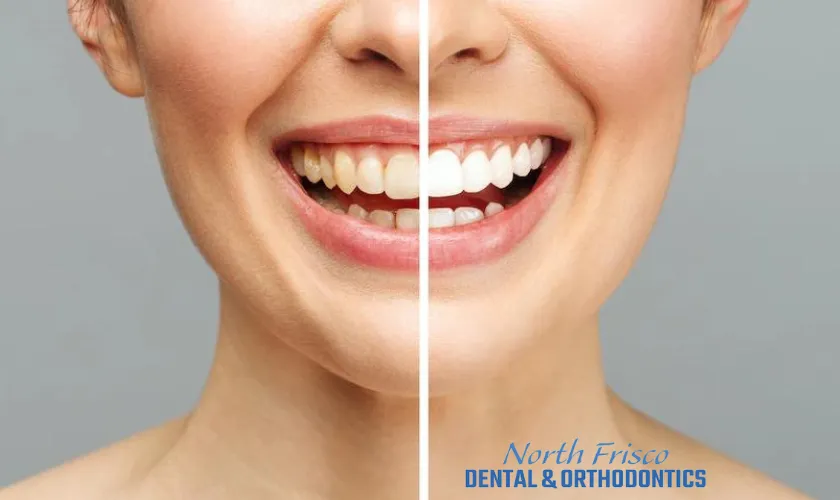
Understanding Teeth Whitening Methods
Teeth whitening has become a popular cosmetic procedure, sought after by individuals looking to enhance their smiles. This guide explores various teeth whitening methods, from professional treatments to over-the-counter options, offering a comprehensive overview to help you make informed decisions. Understanding the different approaches, their effectiveness, and how they align with your dental health is crucial for achieving the desired results. The aim is to equip you with the knowledge needed to navigate the world of teeth whitening effectively, ensuring you choose the most suitable method for a brighter, more confident smile.
The Importance of Teeth Whitening
Teeth whitening goes beyond mere aesthetics it significantly impacts self-esteem and overall well-being. A bright, white smile can boost confidence in social and professional settings, leaving a positive impression. It enhances your appearance, making you look younger and healthier. Furthermore, a brighter smile encourages better oral hygiene practices, as individuals are often motivated to maintain their investment. The psychological benefits of a confident smile are undeniable, leading to improved self-perception and greater social interactions. Investing in teeth whitening is therefore investing in your self-image and personal well-being.
Benefits of a Brighter Smile

The advantages of having a brighter smile extend beyond simple aesthetics. A visibly whiter smile is often associated with youthfulness, health, and vitality, enhancing your overall attractiveness. Increased self-esteem and confidence are common outcomes, impacting social interactions and professional opportunities. People with brighter smiles tend to smile more, which releases endorphins, improving mood and reducing stress levels. A confident smile encourages positive interactions, fostering better relationships. In addition, the pursuit of a whiter smile often leads to improved oral hygiene practices, contributing to long-term dental health and preventing future issues.
Top Teeth Whitening Methods
Professional Teeth Whitening
Professional teeth whitening, performed by a dentist, is the most effective and safest method for achieving dramatic results. This process involves a higher concentration of bleaching agents than over-the-counter options, providing a more significant whitening effect. Dentists carefully monitor the procedure to minimize any potential risks like sensitivity or gum irritation. Professional treatments are customized to the individual’s needs, ensuring optimal results while preserving oral health. The expertise of a dental professional guarantees a controlled environment and addresses potential complications promptly, making it a superior choice for those seeking the best and safest whitening experience.
In-Office Whitening Procedures

In-office whitening offers immediate results, often lightening teeth several shades in a single visit. The dentist applies a powerful whitening gel to the teeth, which is then activated by a special light or laser, accelerating the whitening process. This method is ideal for individuals seeking rapid improvement, perfect for special occasions or a quick smile makeover. The procedure takes about an hour and is performed under strict supervision, ensuring safety and minimizing risks. Dentists can also address any existing dental issues, guaranteeing a healthier, brighter smile. The immediate transformation and controlled environment make in-office whitening a popular choice for those prioritizing efficiency and effectiveness.
Take-Home Whitening Kits
Take-home whitening kits provide a convenient and cost-effective alternative to in-office procedures. These kits include custom-fitted trays made by your dentist, and a bleaching gel with a lower concentration than in-office treatments. You wear the trays for a specified amount of time each day, following your dentist’s instructions. While results are gradual, they can be highly effective over a few weeks. Dentists can monitor your progress and adjust the treatment as needed, ensuring both efficacy and safety. This option allows for whitening at your convenience, offering flexibility and a personalized approach to achieving a brighter smile. It’s a great balance between professional guidance and at-home convenience.
Over-the-Counter Teeth Whitening Options
Over-the-counter (OTC) teeth whitening products are readily available and offer a more affordable option for enhancing your smile. These include a variety of products, each with its own advantages and considerations. While these products are accessible, it’s essential to understand their limitations and how to use them correctly. Before starting any OTC whitening treatment, it’s always a good idea to consult your dentist to ensure it is suitable for your dental health. They can provide personalized advice and help you select products that align with your needs and expectations, ensuring safe and effective results.
Whitening Toothpastes

Whitening toothpastes contain mild abrasives and chemical agents that help remove surface stains, making teeth appear brighter. These toothpastes are an excellent way to maintain and enhance the results of professional treatments or as a gentle approach to improve overall brightness. They are easy to incorporate into your daily routine, but they do not change the intrinsic color of your teeth. Consistent use can prevent new stains from setting in and help maintain a cleaner, fresher feeling mouth. It’s important to choose a toothpaste with fluoride to ensure your teeth remain strong and healthy. Whitening toothpastes are a convenient and accessible method for everyday stain removal.
Whitening Strips
Whitening strips are thin, flexible strips coated with a whitening gel that you apply directly to your teeth. They are simple to use and offer noticeable results over a few weeks. The strips conform to your teeth, ensuring the whitening agent has direct contact with the surface. Results vary depending on the concentration of the whitening agent and the duration of use. Whitening strips are a good option for those seeking a cost-effective method with visible improvements, but remember to follow the instructions carefully to avoid any potential gum irritation or sensitivity. Consistency is key to achieving and maintaining a brighter smile.
Whitening Gels and Rinses
Whitening gels and rinses offer different approaches to teeth whitening. Gels can be applied directly to the teeth using a brush or applicator, providing a targeted whitening action. Rinses are swished around the mouth, ensuring a more general whitening effect. Both methods usually contain a lower concentration of bleaching agents than professional treatments or strips, providing a gentler approach to teeth whitening. They can be used as standalone treatments for mild staining or as part of a maintenance routine after professional whitening. It’s essential to carefully follow the product instructions to maximize effectiveness and reduce the risk of any sensitivity. Consult your dentist for the best option for your oral health needs.
Comparing Methods Effectiveness

When comparing the effectiveness of various teeth whitening methods, several factors must be considered, including the initial shade of your teeth, the type and severity of the stains, and your desired outcome. Professional treatments offer the most dramatic and immediate results due to the higher concentration of bleaching agents and the expertise of a dentist. Take-home kits are also very effective, providing good results over time with a dentist’s supervision. Over-the-counter products, such as whitening strips and toothpastes, are less potent but still beneficial for maintaining brightness and removing surface stains. The best method depends on your individual needs, budget, and the level of improvement you are seeking. Consult your dentist to determine the most suitable whitening approach based on your specific oral health and desired results.
Factors Affecting Teeth Whitening Results
Tooth Staining Causes
Understanding the causes of tooth staining helps in choosing the right whitening method and maintaining a brighter smile. Staining can be intrinsic (inside the tooth) or extrinsic (on the surface). Extrinsic stains are caused by foods and drinks like coffee, tea, red wine, and berries. Tobacco use is also a significant contributor. Intrinsic stains can result from aging, certain medications, and dental trauma. The type and severity of the stains influence the effectiveness of different whitening methods. Surface stains are generally easier to remove than those deep within the tooth structure. Identifying the cause of stains is important for tailoring the appropriate treatment plan and lifestyle changes to maintain your desired results.
Diet and Lifestyle Choices

Your diet and lifestyle significantly impact the success and longevity of teeth whitening results. Regularly consuming staining foods and drinks such as coffee, tea, and red wine can diminish the effects of whitening treatments. Smoking and tobacco use are major culprits for staining and should be avoided. Maintaining a balanced diet rich in fruits and vegetables can help promote overall oral health. Regular dental check-ups and professional cleanings will remove surface stains and keep your teeth bright. Being mindful of what you eat and drink, combined with good oral hygiene practices, can help maintain a white smile for a long time. Consider using a straw for staining beverages to reduce their direct contact with your teeth.
Oral Health and Whitening
Before undergoing any teeth whitening procedure, it’s essential to have good oral health. Existing dental issues such as cavities, gum disease, or damaged teeth can affect the outcome and may require treatment before whitening. A dental professional can assess your oral health and address any underlying issues. Whitening treatments work best on healthy teeth and gums. Ensuring your mouth is free from any infections or irritations will also minimize the risk of sensitivity during the procedure. Maintaining good oral hygiene practices like brushing, flossing, and regular dental check-ups are key to the longevity of your whitening results and overall oral health. Your dentist is your partner in achieving a bright, healthy smile.
Maintaining Your Bright Smile
Post-Whitening Care Tips

Following post-whitening care instructions is crucial for preserving your bright smile. Avoid consuming staining foods and drinks like coffee, tea, and red wine immediately after the treatment, as your teeth are more susceptible to staining. Practice excellent oral hygiene by brushing twice a day with a whitening toothpaste and flossing daily. Using a straw for staining beverages can minimize contact with your teeth. Consider touch-up treatments as recommended by your dentist to maintain your results. Regular dental check-ups and cleanings are vital for professional maintenance. With proper care, your teeth whitening results can last for a considerable time, giving you a radiant smile for years to come. Adhering to these tips will ensure long-lasting brilliance.
Regular Dental Check-ups
Regular dental check-ups are essential for maintaining both your oral health and the brightness of your smile. During these visits, your dentist can perform a thorough cleaning, removing surface stains that contribute to dullness. They can also assess the overall health of your teeth and gums, addressing any potential issues early on. Professional cleanings can refresh your smile and enhance the effectiveness of whitening treatments. Regular check-ups allow your dentist to monitor your progress and provide personalized advice to help you maintain your desired results. Following the recommendations of your dental professional ensures optimal oral health and a lasting, bright smile.
Avoiding Stain-Causing Foods
Avoiding stain-causing foods and drinks is a key strategy for maintaining a white smile after teeth whitening. Certain beverages like coffee, tea, and red wine, and foods such as berries and soy sauce, can stain teeth. Limiting the consumption of these items or practicing moderation is important. If you choose to consume staining foods or drinks, rinsing your mouth with water immediately afterward can help reduce their impact. Brushing your teeth shortly after eating or drinking these items can also minimize staining. Be mindful of what you consume and how it affects your smile. Prioritizing a diet that supports a healthy, bright smile is a sustainable approach to oral hygiene and teeth whitening success.