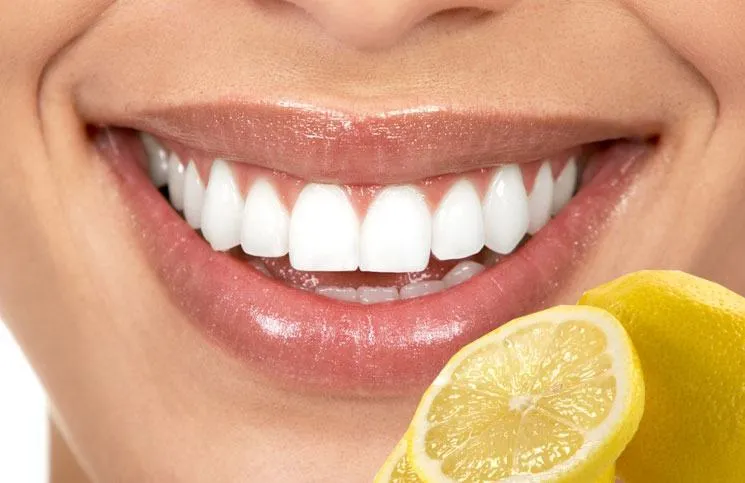
Understanding Teeth Discoloration
Teeth discoloration is a common cosmetic concern, and understanding the reasons behind it is the first step toward effective treatment. Teeth can lose their natural brightness due to various factors, which can lead to staining and a less radiant smile. The color of your teeth is determined by a combination of genetics, the thickness of enamel, and the underlying dentin. Over time, the enamel thins, and the dentin, which is naturally more yellow, becomes more visible. This natural aging process is often accelerated by external factors, leading to stains that range from yellow to brown and even grey. It’s crucial to identify the specific cause of discoloration to choose the most appropriate home remedies or professional treatments. This knowledge allows you to develop a targeted approach to regain your pearly whites and maintain them long-term. Regular dental check-ups are essential for assessing the health of your teeth and addressing any underlying issues that may contribute to discoloration, such as cavities or gum disease. A dentist can provide tailored advice based on your individual needs and help you achieve a healthier, more beautiful smile.
Common Causes of Tooth Staining
Several factors contribute to tooth staining, impacting the appearance and aesthetics of your smile. The most common causes include dietary habits, such as the consumption of staining foods and beverages like coffee, tea, red wine, and dark-colored berries. These substances contain pigments that can adhere to the enamel surface, causing discoloration over time. Smoking and tobacco use are significant contributors, as nicotine and tar can stain teeth, leading to a yellowish or brownish hue. Poor oral hygiene, including infrequent brushing and flossing, allows plaque and tartar to accumulate, which can trap stains and exacerbate discoloration. Certain medications, such as tetracycline antibiotics, can cause internal staining, especially in children whose teeth are still developing. Age is another factor, as the enamel naturally thins with time, making the underlying dentin more visible. In addition, dental trauma, such as injuries that damage the tooth’s nerve or blood supply, can lead to internal staining. Understanding these common causes helps you take proactive steps to prevent and address tooth staining, such as modifying your diet, practicing good oral hygiene, and seeking professional dental care. Regularly visiting your dentist for cleanings and check-ups is crucial to maintain your oral health.
Foods and Drinks That Stain Teeth

Many everyday foods and drinks contain pigments that can stain your teeth, impacting the brightness of your smile. Coffee and tea are notorious for causing discoloration, as they contain tannins, which are compounds that can adhere to the enamel surface and lead to yellowish or brownish stains. Red wine is another significant culprit, with its deep color and high acidity contributing to staining. Dark-colored sodas and sports drinks, which often contain artificial colorings, can also stain teeth over time. Berries, such as blueberries, blackberries, and raspberries, are rich in antioxidants but also contain strong pigments that can stain teeth. Curry, soy sauce, and balsamic vinegar are examples of foods that can cause staining due to their intense colors and acidity. To minimize staining, it is important to moderate your consumption of these items and practice good oral hygiene. Drinking water after consuming staining foods and drinks can help rinse away the pigments and reduce their impact. Regular dental cleanings are also essential for removing stains and maintaining a brighter smile. Consider using a straw for beverages to limit their contact with your teeth.
Lifestyle Factors Affecting Tooth Color
Various lifestyle choices significantly impact the color and appearance of your teeth. Smoking and tobacco use are major contributors to tooth staining, as nicotine and tar can lead to a yellowish or brownish discoloration. Poor oral hygiene practices, such as infrequent brushing and flossing, allow plaque and tartar to accumulate, trapping stains and causing the teeth to appear duller. Excessive alcohol consumption can also affect tooth color, as it can erode enamel and make teeth more susceptible to staining from other sources. The use of certain medications, such as tetracycline antibiotics during tooth development, can cause internal staining. Additionally, the natural aging process can lead to thinning enamel, revealing the yellowish dentin underneath, resulting in a less vibrant smile. To maintain a brighter and healthier smile, it is crucial to adopt lifestyle changes, such as quitting smoking, improving oral hygiene practices, and moderating alcohol consumption. Regular dental check-ups and cleanings are essential to address any staining and maintain overall oral health. Furthermore, it is essential to follow your dentist’s recommendations for proper tooth care, including the use of appropriate toothpaste, to prevent stains from building up.
5 Overnight Home Remedies for Teeth Whitening
If you’re looking for ways to brighten your smile overnight, several home remedies might offer some assistance. These methods often utilize common household ingredients and require minimal effort. However, it is important to remember that the effectiveness of these remedies can vary, and it is crucial to approach them with caution. Always consult with your dentist before trying any new teeth-whitening treatment. It is always best to be cautious about the impact of any home-based method on the health of your enamel. These DIY solutions can be a convenient way to start, but professional guidance remains key for optimal results. These home remedies are often most effective for surface stains and may not address deeper discoloration. Always remember that these methods are not a substitute for professional dental care, and regular check-ups are essential for maintaining oral health and addressing more severe issues. It is essential to set realistic expectations when using these methods, as results may not be as dramatic as professional whitening treatments. Let’s explore some of these options for a brighter smile, keeping in mind the importance of safety and moderation.
Baking Soda and Hydrogen Peroxide

Baking soda and hydrogen peroxide are often used together as a home remedy for teeth whitening. Baking soda is a mild abrasive that can help remove surface stains, while hydrogen peroxide acts as a bleaching agent. The combination of these two ingredients can help to brighten your smile. However, it is crucial to use these substances with caution, as overuse can lead to enamel erosion and increased tooth sensitivity. This combination works by gently scrubbing away surface stains and oxidizing the underlying discoloration. The chemical reaction between baking soda and hydrogen peroxide can help lift stains, making the teeth appear whiter. The effectiveness of this remedy can vary based on the type of stain and the individual’s enamel condition. It’s essential to start with a small amount of each ingredient and avoid excessive brushing, which can damage the enamel. The gentle abrasive nature of baking soda helps to remove surface stains, while hydrogen peroxide acts as a mild bleaching agent to lighten the tooth’s color. Always rinse thoroughly after use to remove any residue and minimize potential side effects. Always listen to your body and stop use if there’s any sign of discomfort or increased sensitivity. Consult your dentist if you experience any negative effects.
How to Use Baking Soda and Hydrogen Peroxide
Using baking soda and hydrogen peroxide for teeth whitening requires a careful approach to ensure safety and effectiveness. Start by mixing a small amount of baking soda with hydrogen peroxide to form a paste. Typically, you’ll need about one teaspoon of baking soda and just enough hydrogen peroxide to create a paste-like consistency. Apply this paste to your toothbrush and gently brush your teeth for about one to two minutes. It is crucial to avoid excessive brushing to prevent enamel damage. After brushing, rinse your mouth thoroughly with water to remove any remaining paste. It’s best to limit this treatment to once or twice a week to avoid potential side effects like increased tooth sensitivity. Always consult with your dentist before trying this method, especially if you have sensitive teeth or any existing dental issues. This method primarily targets surface stains and may not be effective for deeper discoloration. Monitor your teeth for any signs of increased sensitivity or irritation, and discontinue use if you experience any adverse effects. Regular dental check-ups are also essential to maintain the health of your teeth and address any potential issues.
Coconut Oil Pulling
Coconut oil pulling is an ancient Ayurvedic practice that has gained popularity as a method for improving oral health and, potentially, teeth whitening. This technique involves swishing coconut oil in your mouth for a certain period, typically 10-20 minutes, to remove bacteria and toxins. The oil is believed to help pull out impurities, reducing plaque and bacteria that contribute to tooth discoloration and bad breath. Coconut oil contains lauric acid, which has antimicrobial properties that can help combat bacteria. While the direct teeth-whitening effects of coconut oil pulling are not as pronounced as some other methods, it can contribute to a cleaner mouth and healthier gums, which can indirectly improve the appearance of your teeth. Consistency is key, as regular practice can lead to noticeable results over time. The practice can also help freshen breath and improve overall oral hygiene. Ensure you use a high-quality, organic coconut oil for optimal results. While coconut oil pulling is generally safe, it is not a substitute for regular brushing, flossing, and dental check-ups. If you experience any discomfort or unusual symptoms, discontinue the practice and consult a dentist. It is a natural, gentle approach that can be easily incorporated into your daily oral care routine.
Benefits of Coconut Oil for Teeth Whitening

Coconut oil offers several potential benefits when used for teeth whitening. The lauric acid in coconut oil possesses antimicrobial properties that can help reduce the bacteria in your mouth, which can lead to a cleaner mouth and prevent plaque buildup. By reducing bacteria, coconut oil pulling can indirectly contribute to a whiter smile by removing surface stains caused by bacteria. Furthermore, coconut oil may help to reduce inflammation in the gums, promoting better gum health, which can improve the overall appearance of your teeth. Coconut oil also helps to moisturize and soothe the gums, which can benefit your overall oral health. The process of swishing the oil may also help to dislodge food particles and debris, providing a gentle cleansing effect. While the whitening effects may not be as dramatic as other methods, the overall impact on oral health can improve the appearance of your teeth over time. Additionally, coconut oil is a natural, gentle alternative to harsher chemical treatments, making it a suitable option for those with sensitive teeth. However, it is not a substitute for regular dental care and should be combined with proper brushing, flossing, and dental check-ups for optimal results.
Using Coconut Oil for Overnight Whitening
Using coconut oil overnight for teeth whitening involves a simple but effective approach. After brushing and flossing your teeth, take a tablespoon of coconut oil and swish it around your mouth for approximately 10-20 minutes. The key is to ensure the oil reaches all areas of your mouth, including between your teeth. After swishing, spit out the oil into a trash bin, as it can clog drains. Rinse your mouth with warm water and brush your teeth again to remove any remaining oil and bacteria. For overnight use, you can also apply a small amount of coconut oil directly to your teeth before bed. While this is a less common method, some people find it helps to keep their teeth clean overnight. This method utilizes the antimicrobial properties of coconut oil to reduce bacteria, remove surface stains, and potentially lighten your teeth. However, it is not a substitute for regular brushing, flossing, and dental check-ups. You may need to experiment with the best approach, such as the application before bed or the oil pulling method, to determine the most effective routine for your needs. Consistent use, combined with good oral hygiene practices, can help improve the overall appearance of your teeth over time. Always discuss any new oral care methods with your dentist.
Lemon Juice and Baking Soda
Lemon juice and baking soda are often used together as a DIY teeth-whitening remedy. The acidity of lemon juice can help to break down stains, while baking soda acts as a mild abrasive to scrub away surface discoloration. The combination aims to brighten the teeth by removing stains and potentially lightening the enamel. However, it is important to approach this method with caution due to the high acidity of lemon juice, which can erode enamel, making your teeth more vulnerable to decay and sensitivity. While some people find it effective for removing surface stains, it’s crucial to be mindful of the potential risks. The acidity of lemon juice can strip away the protective enamel layer. This can expose the dentin, which is more porous and can cause increased sensitivity to hot or cold foods and drinks. It is vital to use this method sparingly and, ideally, not more than once a week. Always rinse your mouth thoroughly with water after use to neutralize the acid and protect your teeth. Regular dental check-ups are essential to monitor the health of your enamel and address any signs of damage. This is not a long-term solution and must be done with caution.
The Risks of Using Lemon Juice

Using lemon juice for teeth whitening carries several risks that should be carefully considered. The high acidity of lemon juice can erode tooth enamel, the protective outer layer of your teeth. Enamel erosion can lead to increased tooth sensitivity, as the underlying dentin becomes exposed. This sensitivity can make it painful to consume hot, cold, sweet, or sour foods and drinks. Erosion can also increase the risk of tooth decay, as the softened enamel is more susceptible to bacteria and acids. Over time, the prolonged use of lemon juice can cause the teeth to become thinner, more transparent, and more vulnerable to staining. In addition, lemon juice can irritate the gums, causing inflammation or discomfort. It is essential to use lemon juice sparingly and only if you are very cautious. Limit the frequency of use and always rinse your mouth thoroughly with water after use. If you experience any signs of increased sensitivity or enamel erosion, discontinue use immediately and consult your dentist. Professional dental care is essential to address any damage to your enamel.
How to Safely Use Lemon Juice for Whitening
If you choose to use lemon juice for teeth whitening, it is crucial to do so with extreme caution to minimize the potential risks. Always dilute the lemon juice with water before use to reduce its acidity. Avoid applying pure lemon juice directly to your teeth. Use a cotton swab or your finger to apply the diluted mixture to your teeth, focusing on the areas with surface stains. Limit the application time to a few seconds, as prolonged contact can erode enamel. Rinse your mouth thoroughly with water immediately after application to neutralize the acid. Baking soda can be combined with lemon juice, which acts as a mild abrasive to help remove stains. Use this mixture very sparingly and do not brush vigorously. Never use this method more than once a week to prevent damage to your enamel. Monitor your teeth for any signs of increased sensitivity or enamel erosion. If you experience any discomfort, discontinue use immediately and consult your dentist. Remember that lemon juice is not a long-term solution for teeth whitening, and its use should be limited. Regular dental check-ups and professional cleaning are essential to maintaining the health of your teeth.
Apple Cider Vinegar Rinse
Apple cider vinegar (ACV) is sometimes used as a home remedy for teeth whitening, primarily due to its mild acidity. ACV can help remove surface stains and may also have antimicrobial properties that can contribute to overall oral health. However, like lemon juice, the use of ACV carries potential risks due to its acidity, which can erode tooth enamel over time. It is crucial to use it with caution and moderation. The acid in ACV can help break down some surface stains, but it can also weaken the enamel. The effectiveness of ACV for whitening can vary, and it may not be suitable for everyone, especially those with sensitive teeth or existing enamel damage. While it might offer some benefits, the potential for enamel erosion outweighs the advantages. Always dilute ACV with water before use. This will help to reduce its acidity and minimize its impact on your teeth. The best practices involve limiting the frequency of use and rinsing your mouth thoroughly with water after each application. Consulting with your dentist is vital to determine the appropriate use. Regular dental check-ups are essential to assess the health of your enamel and address any potential damage.
Benefits and Risks of Apple Cider Vinegar

Apple cider vinegar (ACV) has potential benefits for oral health, but it also comes with significant risks. Some proponents claim that ACV can help remove surface stains from teeth, leading to a brighter smile. It may also have antimicrobial properties, which could help reduce bacteria in the mouth. Additionally, ACV has been suggested to help balance the pH levels in the mouth, which can contribute to better oral health. However, it is important to be aware of the risks. The acidity of ACV can erode tooth enamel, making your teeth more susceptible to cavities and sensitivity. Erosion can weaken your teeth, leading to long-term dental problems. The damage to enamel is often irreversible, making it crucial to use ACV with extreme caution. It is essential to dilute ACV with water before using it and limit its use to reduce the risk of enamel erosion. Regular dental check-ups are essential to monitor the health of your teeth and detect any enamel damage. Always consult your dentist before using ACV for teeth whitening or oral health purposes to ensure it is safe for you.
How to Use Apple Cider Vinegar
If you decide to use apple cider vinegar (ACV) for oral health, it is important to do so with caution. Always dilute ACV with water before using it. A common recommendation is to mix one to two teaspoons of ACV with a cup of water. You can use this diluted solution as a mouth rinse, swishing it around your mouth for about 30 seconds. After rinsing with the ACV solution, rinse your mouth thoroughly with plain water to remove any remaining acid. Limit the use of ACV to once or twice a week. The frequency is essential to minimize the risk of enamel erosion. Never use undiluted ACV, as its high acidity can severely damage your teeth. Avoid brushing your teeth immediately after using ACV, as the enamel may be softened. Wait at least 30 minutes to an hour before brushing to allow your saliva to remineralize your enamel. Monitor your teeth for any signs of increased sensitivity or erosion. If you experience any discomfort or notice changes in your enamel, discontinue use immediately and consult your dentist. It is advisable to speak with your dentist before using ACV regularly, to ensure it is appropriate for your oral health needs.
Strawberry Paste
Strawberry paste is another home remedy that some people use for teeth whitening. Strawberries contain malic acid, a natural enzyme that can help to remove surface stains. The process involves mashing strawberries into a paste and applying it to your teeth. The idea is that the malic acid in the strawberries can help to break down stains and brighten your smile. The abrasive nature of the strawberries can also help to scrub away surface stains. However, it is crucial to approach this method with caution. Like other home remedies involving acids, excessive use of strawberries can potentially erode enamel. The effectiveness of strawberry paste for teeth whitening is not as well-established as some other methods. Some people have reported seeing improvements, while others have not. It’s generally considered a gentle approach, but overuse can still cause problems. Combining it with baking soda can provide a slight abrasive effect. Make sure to rinse your mouth thoroughly with water after use to remove any remaining paste and neutralize any acidity. Regular dental check-ups are still essential.
The Science Behind Strawberry Whitening

The science behind using strawberries for teeth whitening is based on their natural composition. Strawberries contain malic acid, a type of organic acid that acts as a natural astringent. Malic acid can help to remove surface stains from your teeth. This acid is also present in apples and other fruits, where it provides a tart flavor. When you mash strawberries into a paste and apply it to your teeth, the malic acid can help break down stains and remove discoloration. Strawberries may contain small amounts of other compounds that could contribute to whitening. The abrasive nature of the strawberry pulp also contributes to removing surface stains. The gentle scrubbing action can help to polish the teeth, making them appear brighter. However, it is important to remember that the effect of strawberries on teeth whitening is mild compared to professional treatments. The acids found in strawberries can potentially erode tooth enamel if used frequently. It is essential to use this method with moderation and to follow it up with a thorough rinse to remove any acidity and protect your enamel. Regularly consult with your dentist to address any possible concerns.
Preparing and Using a Strawberry Paste
Preparing and using a strawberry paste for teeth whitening is a straightforward process. Begin by selecting fresh, ripe strawberries. Wash the strawberries thoroughly to remove any dirt or residue. Mash a few strawberries into a paste-like consistency. You can use a fork or a small food processor to achieve this. Apply the strawberry paste to your teeth, ensuring that all surfaces are covered. You can use your fingers or a toothbrush to apply the paste, but use gentle pressure to avoid any abrasion. Leave the paste on your teeth for a few minutes, typically around 5-10 minutes, to allow the malic acid to work. After the application, rinse your mouth thoroughly with water. This removes any remaining paste and helps neutralize any acidity. You can brush your teeth gently with toothpaste after rinsing to remove any remaining residue and ensure your mouth is clean. It is essential to use this method sparingly, no more than once or twice a week. Overuse can erode your tooth enamel. Monitor your teeth for any increased sensitivity or other changes. If you have sensitive teeth or any underlying dental problems, it is best to consult with your dentist before trying this method.
Tips for Maintaining White Teeth
Maintaining white teeth requires a combination of good oral hygiene practices, dietary adjustments, and regular dental care. Consistent brushing and flossing are fundamental to remove plaque, bacteria, and surface stains. Brushing at least twice a day, for two minutes each time, is recommended, along with flossing daily to clean between your teeth. Your diet plays a significant role in maintaining a bright smile. Limiting the consumption of staining foods and drinks, such as coffee, tea, red wine, and dark-colored berries, can help prevent discoloration. Drinking water after consuming these items can also help rinse away pigments. Avoiding smoking and tobacco products is another important step, as these habits are major contributors to tooth staining. Regular dental check-ups and professional cleanings are crucial to remove plaque and tartar and address any emerging issues. Consider using whitening toothpaste to remove surface stains. Additionally, using a straw for drinks that stain your teeth can limit contact with your teeth. Adopting these habits can greatly enhance your smile and keep your teeth bright and healthy.
Brushing and Flossing Regularly
Regular brushing and flossing are the cornerstones of maintaining white teeth and excellent oral health. Brushing removes plaque, bacteria, and surface stains that can dull your smile. It also helps to prevent the buildup of tartar, which can trap stains and contribute to discoloration. The American Dental Association recommends brushing at least twice a day for two minutes each time. Ensure that you use a toothbrush with soft bristles to avoid damaging your enamel. Flossing daily is also essential. Flossing removes food particles and plaque from between your teeth, where your toothbrush cannot reach. This helps to prevent tooth decay and gum disease, which can both impact the appearance of your teeth. Using the correct brushing technique is essential, gently brushing all surfaces of your teeth, including the front, back, and chewing surfaces. Make sure to replace your toothbrush every three to four months, or sooner if the bristles become frayed. Incorporating these habits into your daily routine is crucial to maintaining a bright, healthy smile. Combine these practices with regular visits to your dentist.
Dietary Adjustments for a Brighter Smile
Making dietary adjustments can significantly impact the brightness and appearance of your smile. Limiting the consumption of staining foods and drinks is essential. Coffee, tea, red wine, and dark-colored sodas are known culprits that can lead to discoloration. Dark berries, such as blueberries and blackberries, also contain pigments that can stain your teeth. Whenever possible, substitute these items with tooth-friendly alternatives. Choose water, milk, or herbal teas over beverages that can stain your teeth. Eating crunchy fruits and vegetables, such as apples and carrots, can help to clean your teeth naturally. Drinking water after consuming staining foods and drinks can also help rinse away the pigments and reduce their impact. Incorporating foods rich in calcium, like dairy products and leafy greens, can strengthen your enamel and help protect against staining. If you consume staining foods or drinks, consider using a straw to minimize contact with your teeth. Maintaining a balanced diet that is low in added sugars will promote better oral health. These changes will protect and improve the appearance of your teeth.
Professional Teeth Whitening Options
Professional teeth-whitening options offer effective solutions for achieving a brighter smile. These treatments, performed by dental professionals, are generally more powerful and provide more consistent results compared to home remedies. There are several types of professional teeth whitening. In-office whitening involves applying a high-concentration bleaching agent to your teeth, which is then activated by a special light or laser. This process can typically whiten your teeth by several shades in a single session. Another option is professional take-home whitening kits. These kits provide custom-fitted trays and a bleaching gel that you can use at home, under the guidance of your dentist. These kits offer more controlled whitening compared to over-the-counter products. The effectiveness of professional teeth whitening depends on the type of staining and the health of your teeth. Your dentist can assess your specific needs and recommend the most suitable treatment. Professional whitening is often a safer and more effective way to achieve a significantly brighter smile. Regular dental check-ups are crucial before undergoing any teeth-whitening treatment to address any existing dental issues and ensure your teeth are healthy.
When to See a Dentist
Knowing when to see a dentist is crucial for maintaining both the health and appearance of your teeth. You should schedule regular dental check-ups and cleanings every six months, or as recommended by your dentist. These appointments allow your dentist to assess your oral health, detect any issues early on, and provide professional cleanings to remove plaque and tartar. You should see a dentist immediately if you experience tooth pain, sensitivity, or any other discomfort. These symptoms may indicate cavities, infections, or other serious dental problems. Any changes in the color or appearance of your teeth are also reasons to consult a dentist. They can determine the cause of the discoloration and recommend appropriate treatment options, such as professional teeth whitening. If you have persistent bad breath or bleeding gums, these can also be signs of underlying dental issues. It is essential to visit your dentist if you notice any unusual lumps, bumps, or sores in your mouth. Prompt attention to these issues can prevent serious dental problems. If you’re considering any teeth-whitening treatment, consulting your dentist is always recommended, as they can assess your teeth and recommend the safest and most effective options for your specific needs. Early detection and treatment can prevent serious dental issues.