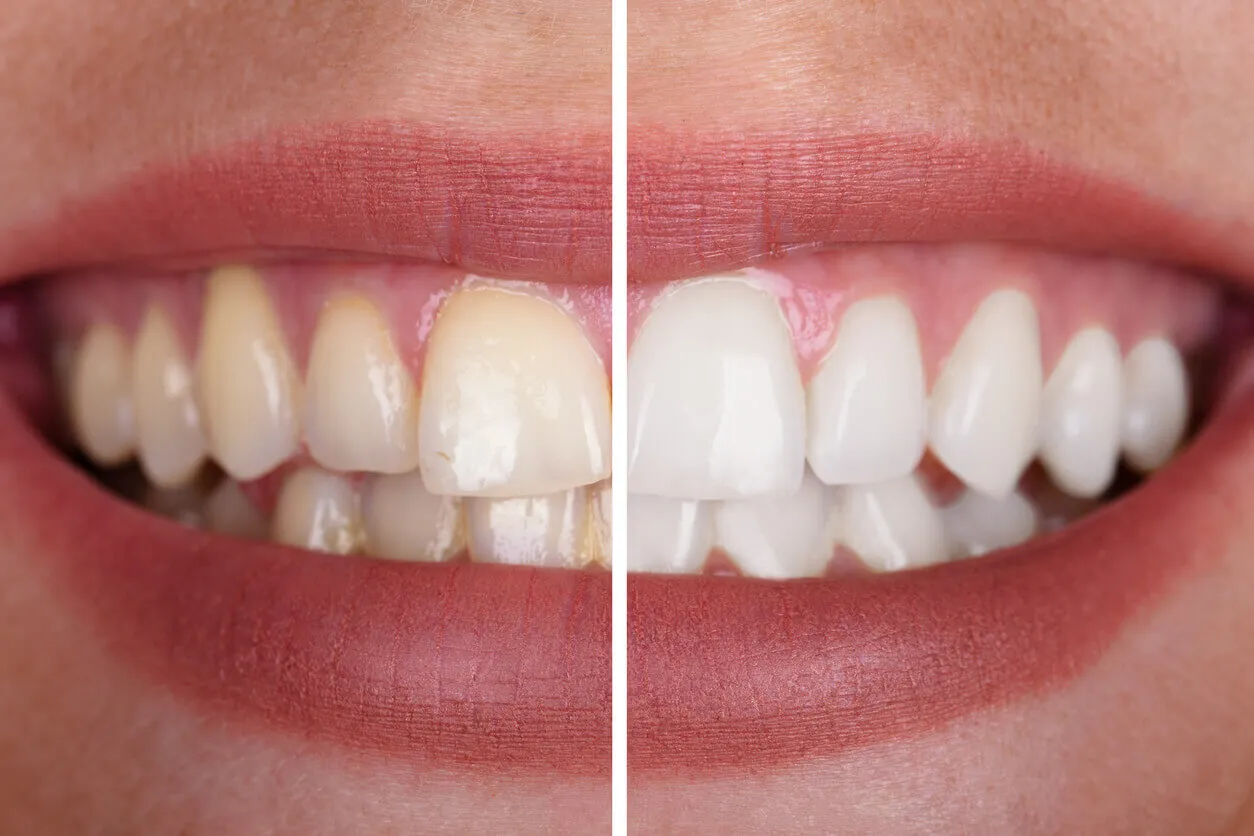
What is Professional Teeth Whitening?
Professional teeth whitening, performed by a dentist, is a cosmetic dental procedure designed to lighten the color of your teeth. This treatment uses stronger bleaching agents than over-the-counter products, providing more dramatic and faster results. The process typically involves applying a whitening solution to the teeth and activating it with a special light or laser. The primary goal is to remove stains and discoloration, enhancing the overall appearance of your smile. This procedure is a popular choice for individuals looking to boost their confidence and achieve a brighter, more youthful-looking smile. It’s essential to consult with a dentist to determine if teeth whitening is suitable for your specific needs and oral health condition. A dentist can assess the health of your teeth and gums, ensuring the treatment is both effective and safe for you.
How Does Dentist Teeth Whitening Work?
The teeth whitening process at a dentist’s office is a carefully executed procedure designed for optimal results. It typically begins with a thorough examination of your teeth and gums to ensure they are healthy enough for the treatment. The dentist will then clean your teeth to remove any plaque or surface stains, preparing them for the whitening process. A protective barrier is applied to your gums to shield them from the bleaching agent. A high-concentration whitening solution, often containing hydrogen peroxide, is then applied to the teeth. A special light or laser might be used to activate the whitening agent, accelerating the bleaching process. The entire procedure usually takes about an hour and can significantly lighten the shade of your teeth in a single session. Following the treatment, your dentist may provide aftercare instructions to help you maintain your bright smile.
The Results of Teeth Whitening

The results of professional teeth whitening can be transformative, leading to a noticeably brighter and more confident smile. Patients often see a significant improvement in the shade of their teeth, sometimes several shades lighter than before the treatment. The extent of the whitening depends on factors such as the type of stains and the individual’s natural tooth color. Many individuals experience immediate results, with the full effects becoming apparent within a few days of the procedure. However, it’s important to have realistic expectations, as the degree of whitening can vary. The results can last for several months to a few years, but this can be influenced by factors such as lifestyle choices, oral hygiene habits, and adherence to aftercare instructions. Regular dental check-ups and professional cleaning can help maintain the results, ensuring a long-lasting, radiant smile.
5 Factors Affecting Teeth Whitening Results
Several factors influence the outcome of professional teeth whitening, dictating how effective the treatment will be for each individual. Understanding these elements can help manage expectations and make informed decisions about the procedure. These factors range from the type of stains on the teeth to the patient’s oral hygiene habits. Considering these factors is crucial for achieving the best possible results and ensuring patient satisfaction. It is a good idea to always consult your dentist, who can evaluate your individual case and provide personalized recommendations.
Factor 1: The Type of Stains
The type of stains present on your teeth plays a significant role in the effectiveness of teeth whitening. Extrinsic stains, those on the surface of the enamel caused by foods, drinks, and smoking, typically respond well to whitening treatments. These stains are relatively easy to remove. Intrinsic stains, which originate from within the tooth structure, can be more challenging to address. These might be caused by medications, aging, or trauma. While professional whitening can still improve the appearance of teeth with intrinsic stains, the results may not be as dramatic as with extrinsic stains. The dentist will evaluate the nature of the stains to determine the most suitable approach. Understanding the type of stains helps the dentist set realistic expectations.
Factor 2: Your Natural Tooth Color

Your natural tooth color also influences the outcome of teeth whitening. Teeth with a yellowish hue tend to respond better to whitening treatments than teeth with a grayish or bluish tint. The natural enamel thickness and composition also play a role. Individuals with thinner enamel might experience increased sensitivity. The initial shade of your teeth determines the starting point for the whitening process. Your dentist will assess your natural tooth color during the consultation, helping them to predict how much improvement can be achieved. If your teeth have a darker shade, it may take several sessions to reach the desired results. Understanding this factor is crucial for setting realistic expectations about the final outcome of the treatment.
Factor 3: The Whitening Agent
The type and concentration of the whitening agent used by your dentist are crucial factors. Professional teeth whitening typically utilizes hydrogen peroxide or carbamide peroxide. These agents are stronger and more effective than those found in over-the-counter products. The concentration of the agent directly impacts the whitening power. Your dentist selects the appropriate strength based on your teeth’s condition and desired results. The application method and duration of the whitening agent also affect the outcome. In-office whitening often involves multiple applications during a single session to maximize results. The choice of whitening agent and the professional expertise in its application are key to achieving optimal teeth whitening results. It is very important to consider the dentist’s experience with these agents.
Factor 4: Your Oral Hygiene
Maintaining excellent oral hygiene is essential for maximizing and sustaining the results of teeth whitening. This includes regular brushing at least twice a day, flossing daily to remove food particles and plaque from between your teeth, and using an antimicrobial mouthwash. Poor oral hygiene can lead to new stains and discoloration, negating the effects of the whitening treatment. Consistent brushing and flossing help prevent surface stains from forming, while regular dental check-ups and professional cleanings can remove any build-up and maintain the brightness of your smile. Good oral health supports the whitening process and promotes overall dental well-being. Avoiding habits that stain your teeth, like smoking or consuming excessive amounts of coffee, tea, and red wine, is very important.
Factor 5: Professional Aftercare

Following your dentist’s aftercare instructions is crucial for maintaining the results of your teeth whitening. This includes avoiding foods and beverages that can stain your teeth, such as coffee, tea, red wine, and dark-colored berries, for the first few days. Using a whitening toothpaste can help maintain the brightness of your teeth. Regular dental check-ups and professional cleanings are also important to remove surface stains and prevent the build-up of plaque. Your dentist may also recommend touch-up treatments to keep your smile looking its best. Proper aftercare significantly extends the longevity of the whitening results. Be sure to schedule regular visits to your dentist to ensure that your smile stays healthy and bright for a long time.
Maintaining Your Teeth Whitening Results
To prolong the effects of professional teeth whitening, adopt a consistent oral hygiene routine. Brush your teeth twice a day with a whitening toothpaste and floss daily to eliminate plaque and food particles. Minimize your consumption of staining foods and beverages. Regular dental check-ups and professional cleanings are vital for removing any new stains and maintaining the brightness. Your dentist may recommend at-home whitening touch-up treatments to keep your smile looking its best. Consider using a straw when drinking beverages that can stain your teeth. If you are a smoker, try to quit, as smoking can severely impact the appearance of your teeth. These steps will help you enjoy your brighter, whiter smile for an extended period.