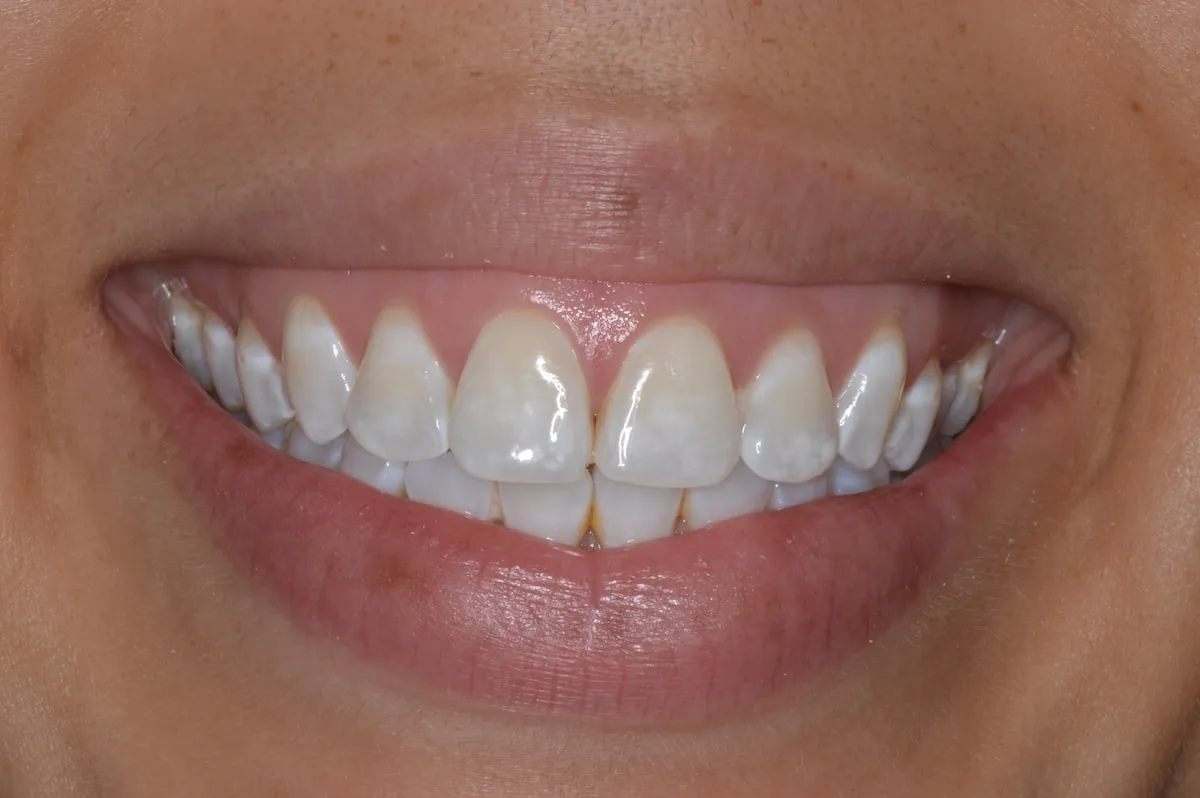
Understanding White Spots on Teeth
White spots on teeth, also known as hypocalcification or enamel hypoplasia, are a common cosmetic concern for many. These spots appear as opaque white or light-colored patches on the tooth surface, contrasting with the surrounding enamel. They can vary in size, shape, and number, and their visibility often depends on the lighting and the overall shade of your teeth. While not always indicative of a serious health problem, white spots can be unsightly and may be a sign of underlying issues affecting the enamel’s development or integrity. Understanding the causes of these spots is the first step in finding effective solutions.
What Causes White Spots
Several factors can contribute to the formation of white spots on teeth. These causes often relate to disruptions in the enamel formation process during childhood or early adolescence. Recognizing these causes can help in prevention and in choosing the right treatment options. It is important to consult with a dentist to determine the specific cause of white spots in your case, as the appropriate treatment will vary based on the underlying reason for their appearance.
Enamel Hypoplasia

Enamel hypoplasia is a condition where the enamel does not fully develop, resulting in a thinner, weaker enamel layer. This can be caused by various factors, including infections, fevers, nutritional deficiencies (such as lack of calcium or vitamin D), or even trauma during the development of the teeth. The result is often visible white spots or pits on the tooth surface. The severity of enamel hypoplasia can vary, influencing the appearance and the susceptibility of the teeth to decay.
Fluorosis
Fluorosis is a condition caused by excessive fluoride intake during tooth development. While fluoride is beneficial for strengthening enamel and preventing cavities, too much fluoride can disrupt the enamel formation process, leading to white or brown spots. This is most commonly seen in children who ingest too much fluoride from sources like toothpaste or supplements. The severity of fluorosis depends on the amount and duration of fluoride exposure, ranging from mild white streaks to more pronounced discoloration and pitting.
Demineralization
Demineralization occurs when the enamel loses minerals due to acid erosion. This can be caused by bacteria in the mouth producing acids from sugars and carbohydrates, or by frequent exposure to acidic foods and drinks. Early-stage demineralization appears as white spots because the enamel becomes porous and less dense. If left untreated, demineralization can progress to tooth decay and cavities. Therefore, addressing demineralization early is essential to protect the teeth from further damage.
Teeth Whitening Solutions for White Spots

The treatment options for white spots vary depending on the cause, severity, and the individual’s aesthetic goals. It is important to consult with a dentist to determine the most appropriate treatment plan. Some solutions focus on improving the appearance of the teeth, while others address the underlying cause or strengthen the enamel. The following solutions are commonly used in the effort to address white spots effectively.
Professional Teeth Whitening
Professional teeth whitening can often improve the appearance of white spots, especially those caused by mild fluorosis or demineralization. The whitening agent helps to reduce the contrast between the white spots and the surrounding enamel, making the spots less noticeable. The results vary, but professional whitening can provide a significant improvement in the overall appearance of the teeth. It is important to understand that professional whitening is most effective when done under the supervision of a dentist who can monitor the procedure and minimize potential side effects.
In-Office Whitening
In-office whitening is a quick and effective way to brighten your smile. Your dentist applies a strong whitening agent directly to your teeth and uses a special light to accelerate the process. This method typically delivers immediate results in a single visit. However, it may cause temporary sensitivity, and its effectiveness on white spots can vary based on the severity and cause of the spots. Your dentist can assess your specific needs and ensure the procedure is safe and appropriate for you.
At-Home Whitening Kits

At-home whitening kits provide a convenient alternative to in-office treatments, allowing you to whiten your teeth from the comfort of your home. These kits typically include custom-fitted trays and a lower concentration of whitening agent. While at-home kits are less potent than in-office treatments, they can still be effective for mild cases of discoloration and white spots. Following the instructions carefully is essential to achieve the best results and minimize the risk of side effects. Consult your dentist before starting any at-home whitening treatment.
Microabrasion
Microabrasion is a procedure used to remove the superficial layers of enamel to eliminate or reduce the appearance of white spots. It involves using a mildly abrasive paste and a special tool to gently remove the affected enamel, evening out the tooth’s surface. This is often an effective treatment for white spots caused by fluorosis or mild enamel defects. Microabrasion is usually performed by a dentist, and the results can be quite dramatic, improving the overall appearance of the teeth by reducing the contrast between the spots and the surrounding enamel.
Remineralization Treatments
Remineralization treatments aim to strengthen and repair the enamel by restoring minerals lost through demineralization. This can help reduce the appearance of white spots caused by early-stage decay or acid erosion. Remineralization treatments often involve the use of fluoride, calcium phosphate, or other mineral-rich products. These treatments can be administered professionally or used at home, and they play a crucial role in preventing the progression of white spots and protecting the teeth from further damage.
Fluoride Treatments

Fluoride treatments are a common and effective way to remineralize enamel and prevent tooth decay. Fluoride strengthens the enamel, making it more resistant to acid attacks. Dentists often apply high-concentration fluoride varnishes or gels, especially for patients with a high risk of cavities. At-home fluoride treatments, such as fluoride toothpaste and mouthwash, can also help maintain strong enamel. The use of fluoride is particularly beneficial for treating white spots caused by demineralization.
Calcium Phosphate Treatments
Calcium phosphate treatments, such as those containing amorphous calcium phosphate (ACP), help to replenish lost minerals and promote enamel remineralization. These treatments are available in various forms, including toothpastes, mouthwashes, and professional treatments. ACP can effectively reduce the appearance of white spots and protect teeth from acid erosion. Using products containing calcium phosphate can be a valuable part of your daily oral hygiene routine, enhancing the strength and appearance of your teeth.
Cosmetic Dentistry Options
For more severe cases of white spots, cosmetic dentistry options such as veneers and bonding can provide effective solutions. These treatments improve the appearance of teeth by covering the affected areas and creating a uniform, aesthetically pleasing smile. The choice of treatment depends on the severity of the white spots, the overall condition of the teeth, and the patient’s desired outcome. Consulting with a cosmetic dentist is the first step to determine which option is best for you.
Dental Veneers

Dental veneers are thin, custom-made shells that cover the front surface of the teeth. They are an excellent option for masking white spots, discoloration, and other cosmetic imperfections. Veneers are made of porcelain or composite resin and are bonded to the tooth surface, creating a natural-looking and durable result. This treatment involves minimal tooth preparation, and veneers are often used to provide a beautiful, long-lasting solution for patients seeking a perfect smile. Veneers can significantly improve the appearance of teeth affected by white spots and provide a harmonious smile.
Dental Bonding
Dental bonding is a cost-effective and minimally invasive treatment option for correcting white spots and minor imperfections. During this procedure, a tooth-colored composite resin is applied to the tooth and shaped to match the surrounding enamel. The resin is then hardened with a special light, and polished to create a smooth and natural finish. Dental bonding can be completed in a single visit and is often a suitable choice for patients with mild to moderate white spots. It’s also an excellent option for those looking to improve the overall aesthetics of their smile.
Preventing White Spots
Preventing white spots is an essential part of maintaining good oral health and a bright smile. Implementing proper oral hygiene practices and paying attention to dietary habits can significantly reduce the risk of white spots and maintain the enamel’s integrity. Regular dental check-ups and professional cleanings are also vital for early detection and treatment of any developing issues. The following tips will help in preventing white spots.
Proper Oral Hygiene

Consistent and effective oral hygiene is the foundation of preventing white spots and maintaining overall dental health. This includes brushing your teeth twice daily for two minutes each time, flossing daily to remove plaque and food particles from between your teeth, and using an antimicrobial mouthwash. These practices help to prevent the buildup of bacteria and acids that cause demineralization and white spots. Consistent and thorough oral hygiene is essential for a healthy and radiant smile.
Brushing Techniques
Proper brushing techniques are crucial for effective oral hygiene. Use a soft-bristled toothbrush and brush in gentle, circular motions, ensuring you reach all surfaces of your teeth, including the front, back, and chewing surfaces. Avoid brushing too hard, as this can damage the enamel and gums. Spend adequate time on each area, and replace your toothbrush every three months or sooner if the bristles are frayed. Proper brushing helps to remove plaque and prevent the formation of white spots by keeping your teeth clean and healthy.
Flossing Habits
Flossing removes plaque and food particles from between your teeth, where a toothbrush can’t reach. This prevents the buildup of bacteria and acid, which can lead to demineralization and white spots. Floss daily, using a gentle sawing motion to clean between each tooth and under the gumline. Proper flossing habits contribute to a healthy mouth and are essential for preventing the formation of white spots. Flossing supports overall oral hygiene.
Dietary Considerations
Diet plays a significant role in oral health, including the prevention of white spots. Limiting sugary drinks and foods, which promote acid production by bacteria, helps to protect your enamel. Additionally, ensure you are drinking plenty of water to help rinse away food particles and neutralize acids. Make sure to eat a balanced diet rich in nutrients, including calcium and vitamins, to support strong, healthy teeth. Be mindful of your dietary habits and incorporate a diet beneficial for oral health.
Limiting Sugary Drinks and Foods
Sugary drinks and foods are major contributors to tooth decay and white spot formation. The bacteria in your mouth feed on sugars, producing acids that erode the enamel. Reducing your intake of sugary sodas, candies, and processed foods helps minimize acid production and protect your teeth. Choosing healthier snack options, such as fruits, vegetables, and nuts, contributes to better oral health. Being mindful of your sugar intake is a proactive step toward preventing white spots and preserving your smile’s natural beauty.
Drinking Plenty of Water
Drinking plenty of water is essential for overall health and good oral hygiene. Water helps to rinse away food particles and neutralize acids, reducing the risk of demineralization and white spots. It also stimulates saliva production, which contains minerals that help to remineralize enamel. Drinking water throughout the day, especially after meals and snacks, helps to maintain a healthy mouth and contributes to a brighter, more confident smile. Staying hydrated is crucial to oral health.