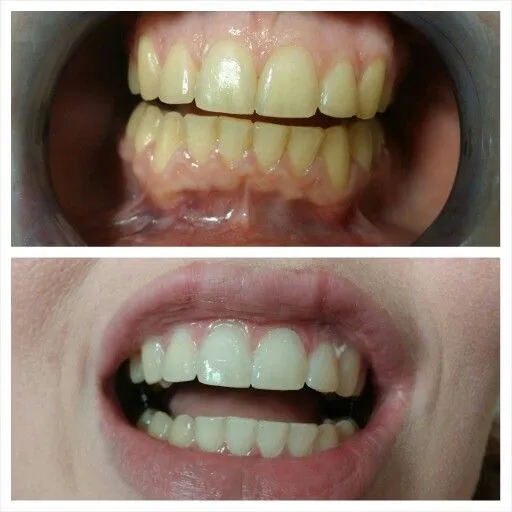
Understanding Uneven Teeth Whitening
Uneven teeth whitening can be a frustrating experience, leaving you with a smile that’s less than perfect. While achieving a brighter smile is a common goal, sometimes the results are not as uniform as desired. Understanding the causes of uneven whitening and the available solutions is the first step toward achieving a beautiful, consistent, and confident smile. This guide will explore why this happens and provide you with the knowledge you need to address and fix the problem.
What Causes Uneven Whitening?
Common Causes of Uneven Whitening

Several factors contribute to uneven teeth whitening. Some teeth may naturally be more porous than others, absorbing whitening agents differently. Existing dental work, such as fillings, crowns, and veneers, will not whiten, leading to a noticeable contrast. Furthermore, the type and concentration of whitening products used can impact the uniformity of results. Poor application of whitening products can also lead to blotchy outcomes.
Factors Impacting Whitening Results
Other elements can affect the evenness of whitening. Stains from food and drinks, such as coffee, tea, and red wine, can build up unevenly on the enamel. The presence of plaque and tartar can also hinder the whitening process, leading to inconsistent results. Genetics can also play a role, as some individuals may have naturally darker or more stained teeth. Lastly, age can impact results, with older teeth often taking longer to whiten.
Top 5 Solutions for Uneven Teeth Whitening
Professional Whitening Touch-Ups

Benefits of Professional Touch-Ups
One of the most effective solutions is a professional touch-up by a dentist. Professional whitening treatments use higher concentrations of whitening agents and offer more precise application. This targeted approach ensures that all areas of the teeth are treated evenly. Regular touch-ups can help to maintain consistent results and address any unevenness that may appear over time. This also helps manage sensitivity issues that may be causing issues.
The Process of Touch-Up Whitening
A professional touch-up typically involves the dentist applying a high-concentration whitening gel to the teeth. The gel is then activated using a special light or laser. The dentist will carefully monitor the process to ensure even coverage and to avoid any sensitivity issues. Following the procedure, the dentist may provide instructions for maintaining the results, such as avoiding staining foods and drinks and practicing good oral hygiene. (See image professional-teeth-whitening.webp)
Adjusting Whitening Technique
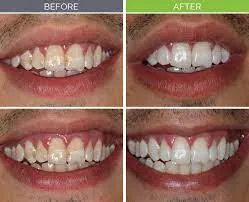
Avoiding Common Whitening Mistakes
Poor application techniques, such as using too much or too little whitening product, can lead to unevenness. Over-whitening can also cause blotchiness and increased sensitivity. It is also important to avoid letting the whitening product come into contact with the gums, as this can cause irritation and uneven whitening. Additionally, not following the product instructions carefully can lead to unsatisfactory results.
Techniques for Better Application
When applying whitening products, use a thin, even layer. Ensure that the product covers all surfaces of the teeth evenly. Consider using a custom-fitted tray from your dentist for at-home whitening, as this can help ensure a more consistent application. Always follow the instructions carefully, and consult with your dentist if you have any questions or concerns. Regular check-ups are important for good overall oral health.
Over-the-Counter Whitening Solutions

Choosing the Right OTC Products
There is a wide variety of over-the-counter (OTC) whitening products available, including whitening strips, toothpastes, and gels. When selecting an OTC product, consider the concentration of the whitening agent and the application method. Strips are often effective for even whitening, while toothpastes are useful for maintaining results. Be sure to choose products from reputable brands and read reviews before making a purchase.
Proper Application of OTC Products
Follow the instructions on the product packaging carefully. Most whitening strips should be applied for a specific amount of time each day. Whitening toothpastes should be used as directed, typically twice a day. Be consistent with your application to achieve the best results. If you experience any sensitivity or irritation, discontinue use and consult your dentist. (See image teeth-whitening-touch-up.webp)
Dental Bonding or Veneers
When Bonding or Veneers Are Necessary
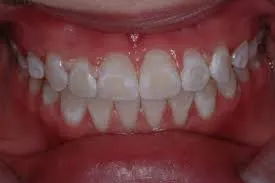
For severe cases of uneven whitening or when there are other cosmetic issues, dental bonding or veneers may be recommended. Bonding involves applying a tooth-colored resin to the teeth to correct imperfections. Veneers are thin shells that are bonded to the front of the teeth, providing a more dramatic and long-lasting solution. These options are particularly effective when whitening alone is insufficient, such as when dealing with intrinsic stains or other cosmetic concerns. (See image dental-bonding-veneers.webp)
The Bonding and Veneer Processes
Bonding is a relatively simple procedure that can be completed in a single visit. The dentist prepares the tooth, applies the resin, and shapes it to match the surrounding teeth. Veneers require two or more visits. The dentist prepares the teeth, takes impressions, and sends them to a lab to create the veneers. The veneers are then bonded to the teeth, creating a natural and even smile. It’s always a good idea to talk to your dentist before opting for these procedures.
Microabrasion
Who Is a Good Candidate for Microabrasion
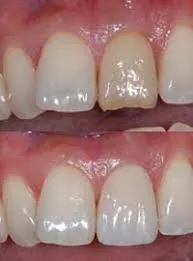
Microabrasion is a procedure that can remove superficial stains and imperfections on the enamel. It is often used to treat white or brown spots caused by fluorosis or other minor discoloration. It is best suited for patients with mild to moderate surface stains. Patients with significant intrinsic stains or other structural issues may not be suitable candidates for this procedure. A dental examination is crucial for determining whether microabrasion is the right solution.
Microabrasion Procedure Explained
Microabrasion involves the dentist using a combination of abrasive material and an acid to gently remove the stained enamel. The procedure is relatively quick and painless, often completed in a single visit. Following the procedure, the dentist may apply a fluoride treatment to strengthen the enamel. Microabrasion can significantly improve the appearance of teeth affected by surface stains, leading to a more even and brighter smile. (See image microabrasion-teeth.webp)
Preventing Uneven Whitening in the Future
Maintaining Oral Hygiene
Best Practices for Oral Hygiene
Proper oral hygiene is essential for maintaining a bright and even smile. Brush your teeth twice a day with fluoride toothpaste, and floss daily to remove plaque and debris. Consider using an electric toothbrush for more effective cleaning. Also, use mouthwash to further reduce bacteria and maintain fresh breath. These practices help prevent stains from building up and keep your teeth healthy and bright.
Regular Dental Check-ups
Why Regular Check-ups Matter
Regular dental check-ups and cleanings are crucial for preventing and addressing uneven whitening. During a check-up, your dentist can remove plaque and tartar, which can interfere with the whitening process. They can also identify any underlying issues that may be contributing to uneven results. Routine cleanings help to remove surface stains, keeping your teeth looking their best. A dental professional can also offer personalized advice on maintaining your smile and preventing future issues. (See image oral-hygiene-teeth.webp) (See image dental-checkup.webp)
Conclusion
Addressing uneven teeth whitening requires understanding the causes and exploring the available solutions. Professional touch-ups, adjusting whitening techniques, and considering options like bonding or veneers can provide effective remedies. Combining these solutions with good oral hygiene and regular dental check-ups is key to achieving and maintaining a beautiful, even, and confident smile. By taking these steps, you can overcome the challenges of uneven whitening and enjoy a radiant smile. (See image uneven-teeth-whitening-before-after.webp)