Understanding Dental Implants and Discoloration
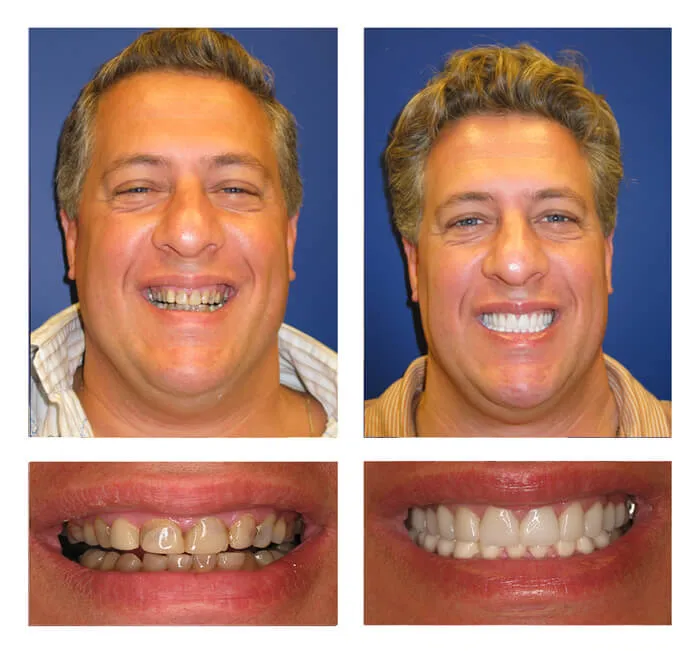
Dental implants have revolutionized the way we replace missing teeth, offering a durable and natural-looking solution. These implants, typically made of biocompatible materials like titanium, fuse with the jawbone, providing a stable foundation for replacement teeth. However, even though the implant itself is inert, the overlying restoration – usually a porcelain crown – can be susceptible to staining and discoloration. This can impact the overall aesthetic appeal of your smile, making it crucial to understand the factors that contribute to these changes and the effective methods to address them. Maintaining the brilliance of your dental implants is essential for a confident and radiant smile.
Why Do Dental Implants Stain or Discolor
Unlike natural teeth, which have enamel that can be whitened, the materials used for dental implant restorations, like porcelain or ceramic, do not respond to traditional whitening treatments in the same way. The porcelain crowns are designed to mimic the appearance of natural teeth, but their surface can still be affected by staining agents found in food, beverages, and tobacco products. Furthermore, the cement used to attach the crown to the implant can sometimes be porous, allowing staining substances to penetrate. This is why understanding the causes of discoloration is the first step in preventing and treating it effectively, ensuring your implants maintain their aesthetic appeal for years to come.
Factors Contributing to Discoloration
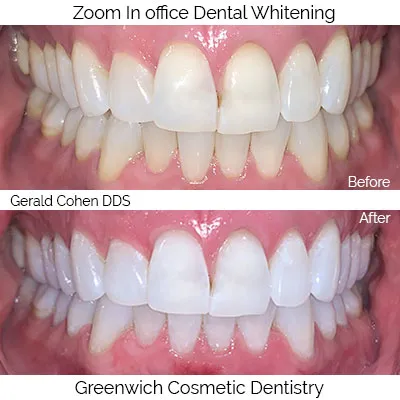
Several factors contribute to the staining and discoloration of dental implant restorations. One of the primary culprits is the consumption of staining foods and drinks. Coffee, tea, red wine, and dark-colored berries are well-known for their ability to stain teeth, and they can have a similar effect on implant crowns. Smoking and other tobacco products are also major contributors, as the nicotine and tar can cause significant discoloration over time. Poor oral hygiene, including inadequate brushing and flossing, can lead to plaque and tartar buildup, which can trap staining substances and exacerbate discoloration. Additionally, certain medications can also cause staining, and the cement used to bond the crown to the implant may degrade over time, which could potentially create staining around the implant margins.
Effective Methods to Whiten Dental Implants
While the implant itself cannot be whitened, there are several methods to improve the appearance of the overlying restoration and maintain a bright, sparkling smile. Professional techniques and home care practices can work together to achieve the best results. These methods focus on removing surface stains and maintaining the original color of the restoration, thus ensuring your dental implants continue to enhance your smile. It’s important to note that the best approach often involves a combination of professional treatments and diligent home care to achieve and sustain optimal results.
Professional Whitening Techniques
Professional dental cleanings and polishing are crucial for maintaining the appearance of dental implants. These procedures remove surface stains and plaque buildup, restoring the original luster of the restoration. In addition to routine cleanings, your dentist may employ specialized techniques for more stubborn stains. Professional whitening treatments are not suitable for the implant itself, it helps to lighten the surrounding natural teeth to match the color of the implant restoration. This is a common strategy for achieving a more uniform and bright smile. Your dentist will assess your specific needs and recommend the most appropriate professional whitening options to help you achieve your desired results.
Surface Staining Removal

Dentists use special tools and techniques to remove stains from the surface of the implant crowns. Air polishing, which uses a stream of air, water, and fine particles, is an effective method for removing surface stains and plaque without damaging the restoration. This procedure can gently lift away staining agents, leaving the surface of the crown clean and bright. Additionally, your dentist may use specialized cleaning pastes to remove tougher stains, returning the crown to its original color. This method is a non-invasive way to enhance the aesthetics of your dental implants and boost your overall smile.
Polishing
Polishing is an essential step in professional cleaning. After removing stains, the dentist will polish the surface of the implant restoration. This process smooths out any minor imperfections and creates a reflective surface, which enhances the brightness and shine of the crown. Polishing not only improves the appearance of the implant, but also helps to prevent future stains by making it more difficult for staining agents to adhere to the surface. By combining stain removal and polishing, dental professionals help maintain the beauty and luster of your dental implants, ensuring your smile remains attractive and healthy.
Home Care for Whitening
Maintaining a bright smile with dental implants also requires consistent home care. This involves proper brushing and flossing, as well as making smart dietary choices. Using specific oral hygiene products can help reduce staining and keep your implants looking their best. Consistency is key in preventing discoloration and ensuring long-lasting results, so forming good habits will help you maintain a healthy and radiant smile.
Whitening Toothpaste and Gels

While traditional whitening toothpastes and gels are not effective on porcelain crowns, using a non-abrasive toothpaste formulated for sensitive teeth is recommended. Abrasive toothpastes can damage the surface of the restoration over time. Choose a toothpaste that focuses on stain removal and gentle cleaning. These products help remove surface stains without damaging the crown and can help to maintain the original shade of the implants. Moreover, your dentist may recommend specific gels or rinses, which can assist in preventing discoloration. Always consult your dentist for advice on the most appropriate products for your situation.
Proper Brushing and Flossing
Effective brushing and flossing are essential for preventing stain buildup and maintaining the appearance of your dental implants. Brush your teeth at least twice a day for two minutes each time, using a soft-bristled toothbrush to avoid damaging the implant restoration. Floss daily to remove plaque and food particles from between your teeth and around the implants. This helps to prevent staining and promote overall oral health. Pay special attention to the area where the implant meets the gumline, as this is where stains and plaque tend to accumulate. Regular and thorough oral hygiene practices are key to keeping your implants clean and bright, ensuring a confident smile.
Maintaining a Bright Smile
Maintaining a bright smile with dental implants is an ongoing process. It involves not only professional treatments and proper oral hygiene but also conscious lifestyle choices. By paying attention to your diet, attending regular dental checkups, and avoiding staining substances, you can significantly extend the lifespan of your sparkling smile. This combined effort of professional care and personal responsibility contributes to long-term success, allowing you to enjoy the benefits of your dental implants for years to come.
Dietary Considerations

Diet plays a crucial role in maintaining the brightness of your dental implants. Limiting the consumption of staining foods and beverages, such as coffee, tea, red wine, and dark-colored berries, can significantly reduce the risk of discoloration. If you do consume these items, rinse your mouth with water immediately afterward to help wash away staining agents. Consider using a straw for beverages to minimize contact with the teeth. Making mindful choices about your diet will protect the appearance of your implants and contribute to a healthier, more radiant smile.
Regular Dental Checkups
Regular dental checkups and professional cleanings are essential for maintaining the appearance and health of your dental implants. During these visits, your dentist will examine your implants, clean the restoration, and remove any accumulated stains or plaque. Professional cleanings can help to prevent discoloration. These appointments also allow your dentist to identify any potential problems early on, ensuring that your implants remain in optimal condition. Regular checkups are a vital part of maintaining your beautiful smile and preserving the longevity of your dental implants.
Avoiding Staining Substances
Avoiding staining substances is a proactive step in maintaining the brightness of your dental implants. Besides limiting the consumption of staining foods and beverages, consider quitting smoking and avoiding other tobacco products. Smoking is a major contributor to tooth discoloration and can also negatively affect your oral health. If you are a smoker, your dentist can provide resources to help you quit. By reducing your exposure to staining agents, you significantly enhance the chances of keeping your implants looking bright and beautiful for years to come, ensuring a confident and healthy smile.
The Long-Term Outlook for Whitening Implants

With proper care and maintenance, dental implants can provide a long-lasting and beautiful solution for missing teeth. Understanding the factors that can cause discoloration, implementing effective whitening techniques, and adopting good oral hygiene practices, you can ensure that your implants remain aesthetically pleasing for many years. Regular dental checkups are key to monitoring your implants, addressing any issues promptly, and ensuring that your smile stays radiant. By making a commitment to oral health, you can enjoy a confident, bright smile that significantly enhances your overall well-being and quality of life.