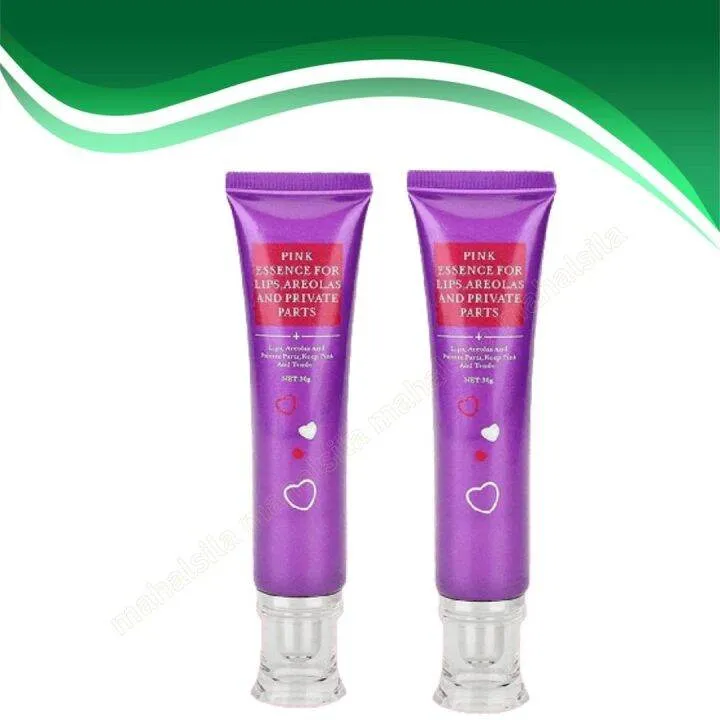
The Science Behind Whitening Cream for Private Parts
Understanding the science behind whitening cream for private parts is crucial before considering its use. The skin in this area is often more sensitive than other parts of the body, making it essential to approach the topic with informed awareness. The primary goal of these creams is to reduce hyperpigmentation, a condition where the skin becomes darker due to an excess of melanin. This guide delves into the underlying causes of this condition and how whitening creams work to address them, providing a comprehensive overview for those seeking information and considering treatment options. It’s important to always consult with a dermatologist before starting any new skincare regimen, especially in sensitive areas like the private parts.
What Causes Hyperpigmentation?
Hyperpigmentation in the private areas can stem from various factors. Hormonal changes, often associated with pregnancy or hormonal birth control, can trigger an increase in melanin production. Friction from clothing, exercise, or sexual activity can also irritate the skin, leading to inflammation and subsequent darkening. Certain medical conditions and medications can contribute as well. Moreover, conditions like eczema or psoriasis can cause post-inflammatory hyperpigmentation. Understanding these root causes is the first step toward effectively addressing and potentially preventing hyperpigmentation, making informed decisions about skincare essential for maintaining healthy skin in intimate areas. It’s also important to consider that some individuals naturally have more melanin in their skin, leading to darker pigmentation in certain areas.
The Role of Melanin

Melanin is the pigment responsible for skin color, and its overproduction is the core of hyperpigmentation. The amount of melanin in the skin determines how light or dark it appears. When the skin is exposed to triggers like inflammation, UV radiation, or hormonal changes, melanocytes (the cells that produce melanin) can become overactive, leading to excessive melanin production. This excess melanin then accumulates in the skin, causing darker patches or an overall darkening of the skin. Whitening creams work by targeting melanocytes or inhibiting melanin production to lighten the affected areas. Understanding this process highlights the need for careful product selection and usage to avoid potential adverse effects on the skin’s natural processes. Protecting the area from sun exposure is also crucial, as UV rays can worsen hyperpigmentation.
The Impact of Friction and Irritation
Friction and irritation are significant contributors to hyperpigmentation in the private parts. Constant rubbing from tight clothing, chafing during exercise, or even sexual activity can cause micro-injuries and inflammation. The body responds to this inflammation by producing more melanin, leading to darker skin in the affected areas. Using gentle, breathable fabrics, practicing good hygiene, and using lubricants during sexual activity can minimize friction. Avoiding harsh soaps and fragrances, which can further irritate the skin, is also critical. Addressing and reducing friction and irritation is often a key part of preventing and managing hyperpigmentation effectively. Regularly moisturizing the area can also help maintain skin health and reduce the likelihood of irritation-induced hyperpigmentation.
Top 5 Facts About Whitening Cream for Private Parts
Whitening creams for private parts have become increasingly popular, but it’s important to approach them with knowledge and caution. Here are five key facts to consider before using these products, from ingredients to potential risks and usage. Understanding these facts will enable you to make informed decisions and prioritize your skin health. Always prioritize products from reputable brands and consult with a dermatologist for personalized advice. These facts are crucial to navigate the market and ensure you are making safe and effective choices for your skincare needs.
Fact 1 Effective Ingredients

Several ingredients are commonly found in whitening creams for private parts, each working to reduce hyperpigmentation. Understanding these ingredients is key to evaluating the effectiveness and safety of a product. Look for creams containing ingredients like kojic acid, arbutin, or vitamin C derivatives. However, it is essential to research the ingredient’s safety profile and potential side effects, especially for sensitive skin. Consulting with a dermatologist can help determine which ingredients are best suited for your skin type and condition. Always read the product label carefully and perform a patch test before applying the cream to a larger area to check for adverse reactions.
Hydroquinone
Hydroquinone is a potent skin-lightening agent, often used in creams to reduce hyperpigmentation. It works by inhibiting the enzyme tyrosinase, which is essential for melanin production. While hydroquinone can be very effective, it also carries potential risks, including skin irritation and ochronosis (a permanent darkening of the skin). Due to these risks, the use of hydroquinone is restricted in some countries, and it is crucial to use it under strict medical supervision. Dermatologists can monitor the skin for adverse reactions and adjust the treatment plan as needed. Alternatives like kojic acid and arbutin offer gentler options with fewer side effects for those who are cautious about hydroquinone.
Kojic Acid
Kojic acid is a natural compound derived from fungi, and it is used in skincare products to lighten skin and reduce hyperpigmentation. It inhibits tyrosinase, similar to hydroquinone, but is generally considered milder. Kojic acid has antioxidant properties and is often used to treat melasma, sunspots, and other forms of skin discoloration. While it is considered safer than hydroquinone, it can still cause skin irritation in some individuals, particularly at higher concentrations. Starting with a lower concentration and gradually increasing it, if tolerated, is often recommended. Always perform a patch test before widespread use to check for any adverse reactions like redness, itching, or burning.
Fact 2 Potential Risks and Side Effects

Whitening creams, especially those with potent ingredients, can pose risks and side effects. Skin irritation, redness, and burning are common reactions. Prolonged use of certain ingredients, such as hydroquinone, can lead to ochronosis. Allergic reactions and contact dermatitis are also possible. Always perform a patch test before using a new product and consult with a dermatologist if you experience any adverse effects. Be cautious of products with unknown ingredients or those that make unrealistic promises. Proper usage, adhering to recommended application guidelines, and regular monitoring are essential to mitigate risks and ensure safety.
Fact 3 Application and Usage
Correct application and usage are critical to the effectiveness and safety of whitening creams. Always follow the product instructions carefully. Typically, this involves applying a thin layer to the affected area once or twice daily. Clean and dry the skin before application. Avoid applying the cream to broken or irritated skin. Be patient, as it may take several weeks or months to see visible results. Consistency is key, but if irritation occurs, reduce the frequency of application or discontinue use and consult a dermatologist. Protecting the treated area from sun exposure is also essential, as sunlight can worsen hyperpigmentation. Always wash your hands thoroughly after applying the cream.
Fact 4 Realistic Expectations
It is crucial to have realistic expectations when using whitening creams. Results vary depending on the severity of hyperpigmentation, the ingredients used, and individual skin characteristics. While some creams can effectively lighten the skin, complete eradication of hyperpigmentation is not always possible. Improvement may be gradual, and maintaining the results often requires ongoing use of the cream and other preventative measures. Be wary of products that promise rapid results, as they may contain harsh ingredients. Consulting with a dermatologist can help you understand what results are realistic for your specific condition and skin type. A holistic approach that includes lifestyle adjustments is often needed.
Fact 5 Cost and Availability

Whitening creams for private parts are available in various price ranges and are often accessible online and in pharmacies. However, the cost does not always reflect the product’s quality or effectiveness. Research the ingredients, read reviews, and consult with a dermatologist to determine which product is best for you. Be cautious about purchasing products from unverified sources. Check the product’s authenticity and ensure that it is manufactured by a reputable company. Consider the long-term cost, as maintaining results may require continued use. Price should not be the only factor in your decision, as the safety and efficacy of the product are more important. Always prioritize products that have been tested and reviewed by experts.
Choosing the Right Whitening Cream
Choosing the right whitening cream involves careful consideration of several factors. Assess your skin type and the severity of hyperpigmentation. Read product labels carefully and understand the ingredients. Look for reputable brands with positive reviews. It is often recommended to start with a product containing milder ingredients and gradually increase the strength if necessary. Consult with a dermatologist for personalized recommendations. They can assess your skin, diagnose the cause of hyperpigmentation, and recommend appropriate products. A professional can help avoid potential risks and maximize the effectiveness of the treatment. Always perform a patch test before applying the cream to a larger area, and monitor your skin for any adverse reactions.
Ingredients to Look For
When choosing a whitening cream, look for ingredients that are proven to lighten the skin gently and effectively. Kojic acid and arbutin are good options, as they are generally considered safer alternatives to hydroquinone. Vitamin C derivatives can also help brighten the skin and offer antioxidant benefits. Other ingredients to consider include niacinamide, which can improve skin tone and reduce inflammation, and azelaic acid, which helps with hyperpigmentation and acne. Look for products with multiple beneficial ingredients to address various aspects of skin health. Always check the concentration of active ingredients and choose products with appropriate levels for your skin type.
Ingredients to Avoid

Certain ingredients should be avoided due to their potential risks. Hydroquinone is a potent skin-lightening agent, but its use can lead to skin irritation and ochronosis. Always use it under strict medical supervision. Products containing high concentrations of corticosteroids should also be avoided, as prolonged use can cause skin thinning and other adverse effects. Mercury-containing products are extremely dangerous and illegal in many countries. Be cautious about products with unknown or unlabeled ingredients. If you are unsure about an ingredient, consult with a dermatologist or a trusted source before using the product. Prioritize products that are known to be safe and effective for your skin type.
Consulting a Dermatologist
Consulting a dermatologist is highly recommended before starting any whitening cream regimen. A dermatologist can assess your skin, diagnose the cause of hyperpigmentation, and recommend the most appropriate treatment options. They can help you understand the potential risks and benefits of different products and monitor your skin for any adverse reactions. Dermatologists can also prescribe prescription-strength creams that may be more effective than over-the-counter products. They can provide personalized advice based on your skin type, condition, and medical history. Regular check-ups and professional guidance can help you achieve the desired results safely and effectively. Don’t hesitate to seek professional help for your skin health.