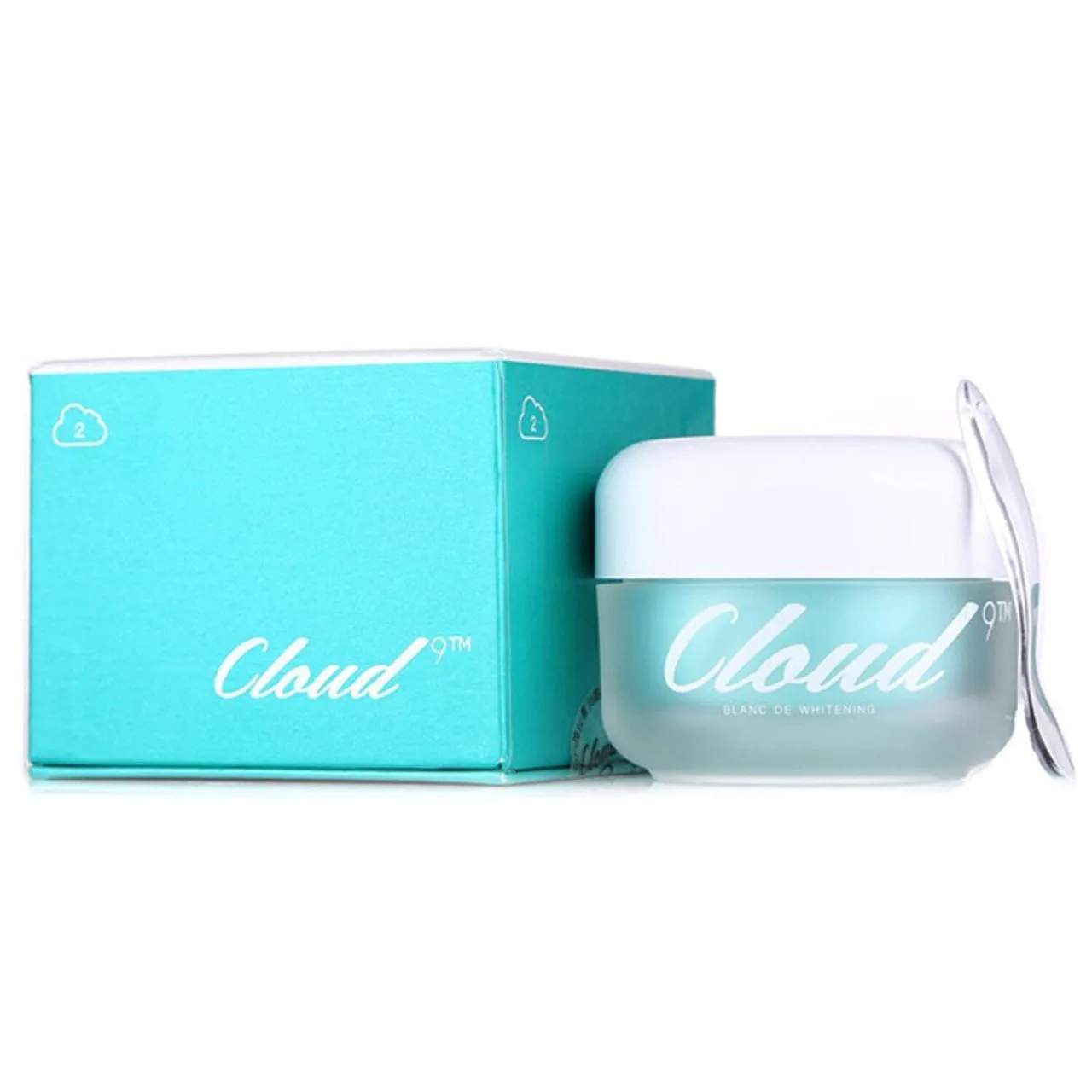
What is Whitening Cream
Whitening cream, also known as skin lightening cream or bleaching cream, is a cosmetic product designed to lighten the skin tone or reduce the appearance of dark spots and blemishes. These creams typically work by inhibiting the production of melanin, the pigment responsible for skin color. They are used to address various skin concerns such as hyperpigmentation, age spots, freckles, and uneven skin tone. The efficacy of whitening creams varies depending on the ingredients, concentration, and individual skin characteristics. It’s important to understand the purpose and mechanisms of these creams before incorporating them into your skincare routine. The goal is often to achieve a brighter, more even complexion, although the definition of ‘fairness’ can be culturally subjective.
How Whitening Cream Works
Whitening creams function by targeting melanin production within the skin. Melanin is produced by melanocytes, cells located in the epidermis, and it’s responsible for protecting the skin from UV radiation and determining skin color. The active ingredients in whitening creams interfere with this process in several ways. Some ingredients, such as hydroquinone, inhibit the enzyme tyrosinase, which is essential for melanin synthesis. Others, like kojic acid or arbutin, also work by inhibiting tyrosinase or by reducing the transport of melanin to the skin surface. The overall effect is a reduction in melanin production, leading to a lighter skin tone or a reduction in the appearance of dark spots. The effectiveness depends on the concentration of active ingredients and the depth of the pigmentation.
Key Ingredients in Whitening Creams

Whitening creams contain various active ingredients that contribute to their skin-lightening effects. Hydroquinone is a potent ingredient that inhibits melanin production, but it’s also associated with potential side effects, which is why its use is regulated in some regions. Kojic acid, derived from fungi, is another popular choice that inhibits tyrosinase. Arbutin, a natural compound from plants like bearberry, is a gentler alternative that releases hydroquinone slowly. Vitamin C (ascorbic acid) is a powerful antioxidant that can also help to lighten the skin by reducing melanin production and protecting against free radical damage. Niacinamide, a form of vitamin B3, can reduce hyperpigmentation and improve skin tone. Each ingredient has a different mechanism and efficacy, so understanding their roles is important.
Types of Whitening Creams
Whitening creams are available in various formulations, catering to different skin types and concerns. Over-the-counter (OTC) creams typically contain lower concentrations of active ingredients and are readily available without a prescription. These creams are suitable for those with mild hyperpigmentation or those seeking to maintain an even skin tone. Prescription-strength creams, often containing higher concentrations of hydroquinone or other potent ingredients, are prescribed by dermatologists for more severe cases of hyperpigmentation. There are also natural or organic whitening creams that utilize plant-based ingredients, such as licorice extract or mulberry extract, offering gentler alternatives. The choice of cream type depends on the severity of the skin concern, skin type, and personal preferences. Different formulations may be available as creams, lotions, gels, or serums.
Choosing the Right Whitening Cream for Your Skin
Understanding Your Skin Type

Selecting the right whitening cream starts with understanding your skin type. Skin types are generally categorized as oily, dry, combination, sensitive, or normal. Oily skin tends to produce more sebum, so lighter, non-comedogenic (non-pore-clogging) formulas are best. Dry skin may benefit from richer creams with hydrating ingredients. Combination skin requires a balance of ingredients to address both oily and dry areas. Sensitive skin needs gentle formulas free of irritants and fragrances. Knowing your skin type helps you choose a cream that won’t exacerbate existing skin issues. Consider factors like skin sensitivity, acne proneness, and existing conditions when choosing a product. Patch testing is always recommended, especially for those with sensitive skin, to check for adverse reactions.
Identifying Your Skin Concerns
Identifying your specific skin concerns is crucial in selecting the most effective whitening cream. Are you dealing with dark spots from sun damage (solar lentigines), melasma, post-inflammatory hyperpigmentation (PIH) from acne, or general uneven skin tone? Different ingredients work better for different concerns. For example, hydroquinone and retinoids are often used for sun damage and melasma, while azelaic acid is effective for PIH. The concentration of active ingredients and the formulation of the cream will also vary based on the severity of the concern. If you are unsure, consult a dermatologist. Clear goals will help you to narrow down your options and choose a cream that addresses your primary skin concerns. Also, understanding the underlying cause of your hyperpigmentation will help you make informed decisions.
Reading Product Labels & Ingredients
Carefully reading product labels and ingredient lists is critical when selecting a whitening cream. Pay close attention to the active ingredients, their concentrations, and the potential for side effects. Look for products that are formulated with stable and effective ingredients, and be wary of products that make unrealistic claims. Also, consider the presence of other beneficial ingredients, such as antioxidants and moisturizers, that can support skin health. Avoid products with ingredients that you know you are sensitive to. Compare the listed ingredients with your skin concerns to make sure that the cream includes ingredients known to address them. Research the reputation of the brand and read reviews to gauge the experience of other users.
Application and Usage of Whitening Creams

Proper Application Techniques
Applying whitening cream correctly is essential for optimal results and to minimize potential side effects. Always start with clean, dry skin. Apply a thin, even layer of the cream to the affected areas, avoiding the sensitive areas around the eyes and mouth unless the product specifically states it’s safe for those areas. Gently massage the cream into your skin until it is fully absorbed. Wash your hands thoroughly after application. Follow the product’s instructions carefully. Be consistent with your application to see the best results. If using multiple skincare products, apply the whitening cream after cleansing and before applying other treatments or moisturizers. Consistency is key, and missing applications can slow progress.
Frequency of Use
The frequency of use for whitening creams varies depending on the product and your skin’s sensitivity. Most over-the-counter creams are safe for daily use, typically applied once or twice a day. Prescription-strength creams may require a more cautious approach, as they can be more potent and have a higher risk of side effects. Always follow the dermatologist’s or manufacturer’s instructions regarding frequency of use. If you experience irritation, redness, or other adverse reactions, reduce the frequency or discontinue use until the skin recovers. It’s also crucial to monitor your skin’s response and adjust usage as needed. The right frequency of use is whatever allows you to reach your skin goals without undesirable effects.
Combining Whitening Cream with Other Products

Whitening creams can often be combined with other skincare products, but it’s important to do so strategically to maximize efficacy and minimize potential irritation. Always introduce new products gradually, one at a time, to monitor how your skin reacts. Consider the order of application: generally, apply lighter-textured products first (like serums) and finish with heavier ones (like creams). Avoid using multiple harsh or irritating products at the same time, as this can increase the risk of side effects. Always use a broad-spectrum sunscreen with an SPF of 30 or higher during the day. Certain products, like retinoids, can enhance the effectiveness of whitening creams, but they can also increase sensitivity to the sun. A balanced skincare routine can optimize results, so consult a dermatologist or skincare professional for personalized recommendations.
Potential Risks & Side Effects
Common Side Effects
Whitening creams, while often effective, can come with potential side effects. Common side effects include skin irritation, redness, dryness, and peeling. Some individuals may experience a burning or stinging sensation upon application. In rare cases, more severe side effects can occur, such as ochronosis (a blue-black discoloration of the skin) from prolonged hydroquinone use. It’s important to be aware of these risks and to monitor your skin closely for any adverse reactions. If you experience significant side effects, discontinue use and consult a dermatologist. Choosing gentle formulas with lower concentrations of active ingredients can minimize the risk of side effects, as can using the cream only on the affected areas.
When to Consult a Dermatologist

Consulting a dermatologist is advisable if you have significant skin concerns, are unsure about the best whitening cream for your skin type, or experience any adverse reactions. A dermatologist can diagnose the underlying cause of your hyperpigmentation, recommend appropriate treatments, and monitor your skin’s response to treatment. They can also prescribe stronger creams or treatments, such as chemical peels or laser therapy, if necessary. If you’re using over-the-counter creams and not seeing desired results, consulting a dermatologist is the next logical step. If you notice any unusual changes in your skin, such as severe irritation, blistering, or changes in skin texture, seek medical attention immediately.
Additional Tips for Effective Whitening
Importance of Sun Protection
Sun protection is absolutely critical when using whitening creams. UV rays can worsen hyperpigmentation and counteract the effects of the cream, making it less effective. Always apply a broad-spectrum sunscreen with an SPF of 30 or higher every day, regardless of the weather. Reapply sunscreen every two hours, or more frequently if you are sweating or swimming. Wear protective clothing, such as hats and long sleeves, when you’re exposed to the sun. Avoiding direct sunlight, particularly during peak hours (10 am to 4 pm), is recommended. Sun protection is the foundation of any successful skin-whitening regimen.
Maintaining Results

Maintaining the results achieved with whitening creams requires consistent skincare habits. Continue using sunscreen daily, even after achieving your desired skin tone, to prevent the recurrence of hyperpigmentation. Maintain a consistent skincare routine that includes gentle cleansing, regular exfoliation, and hydration. Consider incorporating other products that support skin health, such as antioxidants, vitamin C serums, or retinoids, which can help to keep your skin looking bright and even. Regular check-ups with your dermatologist can help you monitor your skin’s condition and address any new concerns. By adopting a holistic approach, you can maintain the results of your whitening treatment and enjoy healthy, radiant skin.