Understanding Whitening Strips and Pregnancy
Pregnancy is a time of immense change, not only physically but also hormonally. During these nine months, a woman’s body undergoes a transformation that affects nearly every system, including oral health. While expecting, many women prioritize their health and the health of their developing baby, but it can be difficult to know what is safe. One common concern is whether cosmetic procedures like teeth whitening, specifically using whitening strips, are safe during pregnancy. This article aims to provide a comprehensive overview of whitening strips and their potential effects during pregnancy, covering the essential safety facts, concerns, and alternative options.
What Are Whitening Strips
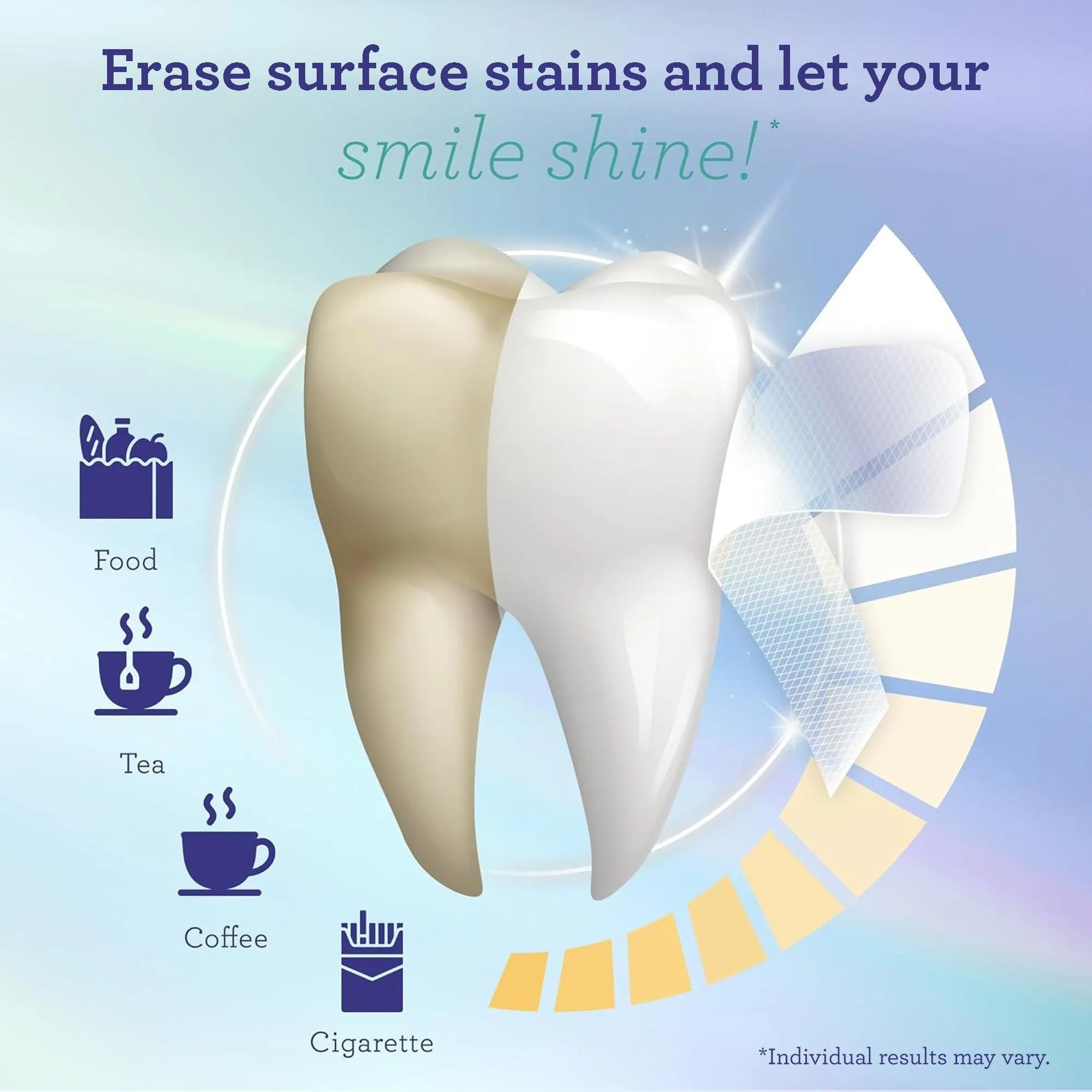
Whitening strips are a popular over-the-counter cosmetic product designed to whiten teeth. They typically consist of thin, flexible plastic strips coated with a whitening agent, most commonly hydrogen peroxide or carbamide peroxide. These strips are applied directly to the teeth for a specific duration, usually ranging from 30 minutes to an hour, once or twice daily, depending on the product instructions. The active ingredients in the strips penetrate the enamel, breaking down stains and discoloration caused by coffee, tea, tobacco, and other substances. The convenience and relative affordability of whitening strips have made them a go-to option for many seeking a brighter smile, but it’s essential to understand their composition and usage before considering them during pregnancy.
How Whitening Strips Work

The mechanism behind whitening strips is quite straightforward. The active ingredients, hydrogen peroxide or carbamide peroxide, act as bleaching agents. When these chemicals come into contact with the tooth enamel, they release oxygen molecules. These oxygen molecules penetrate the enamel and dentin, breaking down the stain molecules and lightening the overall tooth color. The concentration of the active ingredient in over-the-counter strips is typically lower than that used in professional dental treatments, making them a milder option. However, this also means the results might be less dramatic and require consistent use over several weeks. Understanding the chemical process is crucial to assessing the potential risks and benefits, especially when considering them during pregnancy.
Pregnancy and Dental Health
Pregnancy can significantly impact a woman’s oral health. Hormonal changes can increase the risk of gum inflammation and bleeding, a condition known as pregnancy gingivitis. Morning sickness can also erode tooth enamel due to stomach acid exposure from frequent vomiting. Furthermore, changes in eating habits and food cravings during pregnancy can affect oral hygiene. The combination of these factors makes maintaining excellent dental hygiene even more critical during pregnancy. Regular brushing, flossing, and dental check-ups are essential to prevent problems like cavities and gum disease, which can pose additional risks for both the mother and the developing fetus. Therefore, any dental procedure or product use during pregnancy requires careful consideration and consultation with a dental professional.
Hormonal Changes and Oral Health
As mentioned, hormonal fluctuations play a significant role in oral health changes during pregnancy. Increased levels of estrogen and progesterone can make the gums more sensitive and prone to inflammation. This heightened sensitivity can lead to gingivitis, characterized by red, swollen, and bleeding gums. In severe cases, pregnancy gingivitis can progress to periodontitis, a more serious gum disease. Untreated gum disease has been linked to adverse pregnancy outcomes, such as preterm birth and low birth weight. Because of these risks, maintaining optimal oral hygiene and seeking professional dental care are crucial for pregnant women. The use of any dental product, including whitening strips, should be discussed with a dentist to ensure it does not exacerbate existing conditions or pose any risks.
Top 5 Safety Facts About Whitening Strips During Pregnancy

Navigating the use of whitening strips during pregnancy requires a careful examination of the safety considerations. Here are the top five safety facts to consider before using whitening strips while pregnant:
Fact 1 Ingredient Awareness
The primary active ingredients in whitening strips are hydrogen peroxide and carbamide peroxide. While these are generally considered safe for use in dental products, their effects during pregnancy are not fully understood. There is limited research on the impact of these substances on fetal development. It is crucial to review the product’s ingredient list and be aware of any other chemical components that might be present. Consulting with a dentist or healthcare provider is the best way to assess the safety of specific ingredients during pregnancy. Consider choosing products with the lowest effective concentrations and being mindful of potential allergic reactions or sensitivities.
Fact 2 Potential Sensitivity
Pregnancy often leads to increased sensitivity, including tooth sensitivity. The use of whitening strips can exacerbate this sensitivity. The bleaching agents can irritate the gums and cause discomfort. Sensitivity can manifest as sharp pain or tingling when consuming hot or cold foods and drinks. If you experience tooth sensitivity, it is advisable to discontinue using whitening strips and consult with your dentist. They can recommend methods to alleviate the sensitivity and determine if continued use is appropriate. This is especially important during pregnancy when comfort and well-being are paramount.
Fact 3 Consult Your Dentist

The most crucial step before using whitening strips during pregnancy is consulting your dentist. They can assess your overall oral health, identify any underlying issues, and provide personalized recommendations. Your dentist can advise you on the safety of whitening strips based on your specific health profile and the current stage of your pregnancy. They can also suggest safer alternatives or monitor your progress if you choose to proceed with whitening strips. Always inform your dentist about your pregnancy and any medications or supplements you are taking. A dentist’s expertise is invaluable in ensuring the safety and well-being of both you and your baby.
Fact 4 Limited Research
There is a lack of extensive research on the effects of whitening strips on pregnant women and their developing babies. Most studies focus on the safety of these products in the general population, not specifically in pregnant individuals. This lack of data means potential risks are not fully understood. As a precaution, many healthcare providers advise against the use of products with unknown effects during pregnancy. It’s essential to weigh the desire for whiter teeth against the potential, albeit unproven, risks to the fetus. The decision should be made in consultation with your dentist and healthcare provider, considering the limited available evidence.
Fact 5 Alternatives to Consider
Given the potential concerns, several alternatives to whitening strips can be considered during pregnancy. These options can help maintain oral health and improve the appearance of your smile without the same risks. These can include professional teeth cleaning, which can remove surface stains and improve brightness, and also may suggest to use a toothpaste designed for teeth whitening. Your dentist can offer the best advice on the most suitable method for you. Opting for safer alternatives is generally recommended to minimize any potential risks during this critical period.
Alternatives to Whitening Strips

Several alternatives to whitening strips can help maintain a bright smile during pregnancy. These options are often considered safer and gentler. Discuss with your dentist for the best recommendation. Professional teeth cleaning is an excellent way to remove surface stains and plaque, improving the natural brightness of your teeth. Using whitening toothpaste can help remove surface stains over time. Moreover, some natural methods, like oil pulling or using baking soda (with caution and dentist’s approval), can help to remove stains. A healthy diet, avoiding staining foods like coffee and tea, and proper oral hygiene also play a key role in keeping your teeth looking their best during pregnancy. All these alternatives are safer and can be discussed with your dental professional.
Professional Teeth Whitening
Professional teeth whitening treatments, performed by a dentist, involve the use of higher concentrations of bleaching agents than those found in over-the-counter products. While these treatments can be more effective, the decision to undergo professional whitening during pregnancy should be carefully considered. The dentist can provide a controlled environment and monitor any potential side effects. However, because of the higher concentrations of chemicals, it’s best to consult with your dentist and weigh the risks and benefits. In some cases, the dentist may recommend postponing the procedure until after delivery to prioritize the health and safety of the baby.
Natural Whitening Methods
Several natural methods can help to improve the appearance of teeth while avoiding the use of chemicals. Oil pulling with coconut oil is a traditional practice that involves swishing the oil in your mouth for about 15-20 minutes daily. It is thought to reduce bacteria and help remove stains. Baking soda, which acts as a mild abrasive, can be used to brush teeth, but should be used sparingly, as excessive use can damage enamel. Always consult your dentist before trying any new method, especially during pregnancy. Maintaining a healthy diet, avoiding foods and drinks that stain teeth, and practicing good oral hygiene are also essential for naturally whiter teeth. These methods offer safer options for pregnant women seeking to enhance their smiles.
Conclusion

While whitening strips are a convenient option for teeth whitening, their use during pregnancy should be approached with caution. Limited research on the effects of these products on pregnant women and their babies makes it essential to consider potential risks. Prioritizing the health and safety of both the mother and the developing fetus is paramount. Consulting with your dentist is the most important step before considering whitening strips. They can provide personalized advice, assess your oral health, and recommend safer alternatives. By weighing the facts, consulting with professionals, and choosing safer alternatives, you can maintain a healthy and beautiful smile during pregnancy. Remember that a healthy pregnancy is the primary goal, and your oral health should support this goal.