
The pursuit of a brighter, whiter smile has led many to explore various teeth whitening methods. Among these, activated charcoal has emerged as a popular choice. But is charcoal good for whitening teeth? This article delves into the science, benefits, and potential risks of using charcoal for teeth whitening, providing a comprehensive guide to help you make an informed decision. We will explore the effectiveness of charcoal, compare it to other whitening methods, and offer practical tips for safe and effective usage, so read on to discover if charcoal is the right solution for your pearly whites.
What is Activated Charcoal and How Does It Work?
Activated charcoal is a fine, black powder made from various materials, such as coconut shells, wood, or peat. It undergoes a process called activation, which involves heating the material at high temperatures and treating it with gases to create a porous structure. This process significantly increases the surface area of the charcoal, making it highly absorbent. Unlike the charcoal briquettes used for grilling, activated charcoal is safe for human consumption and has various applications, including medical treatments and water filtration. The porous nature of activated charcoal allows it to trap and bind to substances, which is the key to its effectiveness in teeth whitening.
The Science Behind Charcoal’s Whitening Abilities
The science behind charcoal’s whitening abilities lies in its ability to adsorb, not absorb, stains and impurities from the teeth’s surface. Adsorption is a surface phenomenon where molecules adhere to the surface of a solid. In the case of activated charcoal, its porous structure and large surface area create an ideal environment for trapping stain-causing compounds. This adsorption process helps remove surface stains, such as those caused by coffee, tea, wine, and tobacco. However, it’s important to note that charcoal does not chemically alter the tooth’s structure, and it primarily works on surface stains, not intrinsic discoloration within the enamel. This means it is most effective for extrinsic stains, and may not be as effective for more deeply set stains.
How Activated Charcoal Absorbs Stains
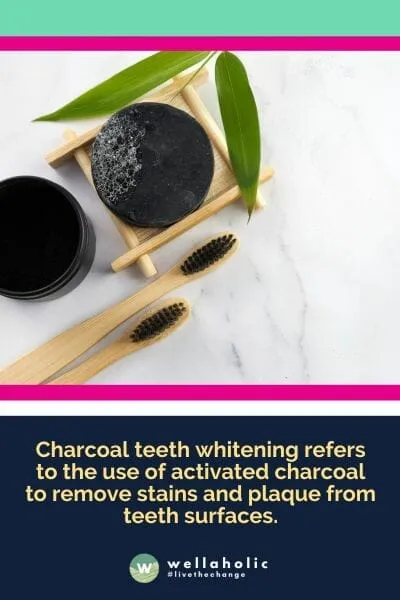
The key to charcoal’s stain-removing power is its high adsorption capacity. When activated charcoal comes into contact with teeth, its porous surface attracts and binds to stain molecules. These molecules, which cause discoloration on the tooth surface, are then effectively lifted away when you rinse or brush. The charcoal acts like a magnet, pulling the stains away without chemically altering the tooth itself. This is why it is considered a gentler approach compared to some chemical whitening treatments, which use bleaching agents to change the color of the enamel.
Benefits of Charcoal for Whitening Teeth
Activated charcoal offers several potential benefits for teeth whitening, making it an appealing option for many individuals. Its natural properties and accessibility contribute to its popularity. However, it’s essential to weigh these benefits against the potential risks and limitations. Let’s explore the top 5 benefits of using charcoal for teeth whitening:
Benefit 1 Effective Stain Removal
One of the primary benefits of using activated charcoal is its ability to effectively remove surface stains. This is because the activated charcoal’s porous structure effectively adsorbs stain-causing particles from your teeth. The abrasive texture of charcoal helps to scrub away these stains, restoring the natural whiteness of your teeth. This makes it particularly effective for stains caused by coffee, tea, red wine, and tobacco. Regular use can lead to a noticeable improvement in the brightness of your smile, making it an attractive option for those looking to enhance their dental aesthetics.
Benefit 2 Natural Teeth Whitening

Activated charcoal is derived from natural sources, making it a popular choice for those seeking a more natural approach to teeth whitening. Unlike chemical whitening treatments that utilize bleaching agents, charcoal works through adsorption, physically removing stains from the tooth’s surface. This method aligns with the growing preference for natural and less invasive dental care solutions. It avoids harsh chemicals, making it a potentially gentler option for those with sensitive teeth or a preference for avoiding artificial additives. The natural origin of charcoal appeals to individuals who prioritize natural and holistic health practices.
Benefit 3 Fresher Breath and Improved Oral Health
Beyond teeth whitening, activated charcoal can contribute to improved oral health and fresher breath. Charcoal’s absorbent properties help to remove bacteria and toxins from the mouth. This can reduce bad breath and promote a healthier oral environment. By eliminating harmful bacteria, charcoal can also help prevent the buildup of plaque and tartar, contributing to overall oral hygiene. While not a substitute for regular brushing and flossing, incorporating charcoal into your oral care routine can be a beneficial addition, supporting a cleaner, healthier mouth.
Benefit 4 Abrasive and Polishing Action
Activated charcoal has a slightly abrasive texture that helps to polish the teeth’s surface. This gentle abrasion removes surface stains and contributes to a smoother, cleaner feeling. The polishing action enhances the teeth’s natural shine, giving them a brighter appearance. However, it’s crucial to use charcoal carefully and avoid excessive brushing to prevent enamel erosion. When used properly, the polishing action can improve the overall aesthetic of your teeth, making them appear healthier and more radiant. The key is to use it sparingly and with a soft-bristled toothbrush.
Benefit 5 Affordable and Accessible

Activated charcoal is a relatively inexpensive and easily accessible teeth whitening option. Compared to professional whitening treatments or expensive over-the-counter products, charcoal is a cost-effective solution. You can find activated charcoal in powder, toothpaste, or tablet form at most drugstores and online retailers. This affordability and accessibility make it an attractive choice for individuals seeking a budget-friendly way to improve their smile. The ease of obtaining charcoal products ensures that anyone can try this whitening method without a significant financial commitment, making it a popular choice for many.
How to Use Charcoal for Teeth Whitening
Using activated charcoal for teeth whitening involves a few simple steps, but it’s essential to do it correctly to maximize effectiveness and minimize potential risks. Here’s a step-by-step guide to help you incorporate charcoal into your oral hygiene routine.
Choosing the Right Charcoal Product
When selecting a charcoal product, it’s important to choose one specifically designed for teeth whitening. Activated charcoal powder is a popular and versatile option, allowing you to control the amount used. Charcoal toothpaste is another convenient choice, offering a pre-mixed formula. Ensure that the product is made from food-grade activated charcoal to ensure safety. Avoid products with added chemicals or artificial ingredients. Look for reputable brands and read reviews to make sure the product is effective and safe. Consider the form factor that best suits your routine and preferences.
Step by Step Guide Applying Charcoal

First, wet your toothbrush and dip it into the activated charcoal powder or apply the charcoal toothpaste. Gently brush your teeth for about 2-3 minutes, focusing on each tooth surface. Use small, circular motions and avoid applying too much pressure to prevent enamel abrasion. After brushing, rinse your mouth thoroughly with water, ensuring all charcoal particles are removed. You may need to rinse several times to remove any residual black residue. Finally, brush your teeth with regular toothpaste to remove any remaining charcoal and ensure a clean, fresh feeling.
Tips for Safe and Effective Charcoal Usage
To use activated charcoal safely and effectively, follow these tips: use a soft-bristled toothbrush to minimize abrasion. Brush gently and avoid excessive pressure. Don’t use charcoal daily; limit its use to a few times per week. If you experience any sensitivity or discomfort, discontinue use and consult your dentist. Be patient, as results may not be immediate. Consistency is key. Ensure you thoroughly rinse your mouth after use. If you have dental work such as veneers or crowns, talk to your dentist. Charcoal may not whiten these, and could potentially stain them.
Potential Risks and Considerations
While activated charcoal offers several potential benefits, it is important to be aware of potential risks and considerations before using it for teeth whitening. Understanding these factors will help you make an informed decision and use charcoal safely.
Possible Side Effects

Some individuals may experience side effects from using activated charcoal. The abrasive nature of charcoal can potentially erode tooth enamel over time, leading to increased sensitivity and an increased risk of cavities. Some people may also experience gum irritation or inflammation. If you notice any adverse effects, such as tooth sensitivity, gum irritation, or increased staining, discontinue use immediately. It’s important to listen to your body and consult with your dentist if you have any concerns. Proper usage and moderation can minimize these risks.
Consulting Your Dentist
Before incorporating activated charcoal into your oral hygiene routine, consult with your dentist. Your dentist can assess the condition of your teeth and gums and advise you on whether charcoal is a suitable option for you. They can also provide personalized recommendations based on your specific dental needs and history. They can also offer alternatives or recommend professional whitening treatments if necessary. Professional guidance ensures that you use charcoal safely and effectively and are aware of any potential risks specific to your situation. Your dentist can also monitor your oral health and address any issues that may arise.
Charcoal Whitening vs Other Methods
Teeth whitening offers a range of methods, each with its own advantages and disadvantages. Comparing charcoal to other methods can help you determine which option best suits your needs and preferences.
Comparing Charcoal to Other Whitening Treatments

Compared to other whitening treatments, activated charcoal offers some unique advantages and disadvantages. Professional teeth whitening, performed by a dentist, often uses stronger bleaching agents and can provide faster, more dramatic results. However, it can be more expensive. Over-the-counter whitening strips and gels are more affordable but may not be as effective as professional treatments. Charcoal is a more natural and accessible option but may take longer to produce visible results. It is generally gentler but may pose a risk to enamel. The best choice depends on your desired results, budget, and sensitivity of your teeth. Consulting your dentist can help you determine which method is right for you.
Which Whitening Method is Right for You?
The best teeth whitening method depends on your individual needs and preferences. If you’re looking for a natural and affordable option, charcoal may be a suitable choice. If you desire faster and more dramatic results, professional whitening might be a better option. Consider your budget, the sensitivity of your teeth, and the level of staining you want to address. Always consult your dentist to get personalized advice and ensure you’re making a safe and informed decision. Your dentist can help you weigh the pros and cons of each method and choose the one that best aligns with your oral health goals. Remember that regular dental checkups and proper oral hygiene are essential regardless of the whitening method you choose.
In conclusion, activated charcoal can be a helpful tool for teeth whitening, offering several benefits, including stain removal and a natural approach. However, it’s essential to use it cautiously, be aware of potential risks, and consult your dentist for personalized advice. By understanding the science behind charcoal and comparing it to other whitening methods, you can make an informed decision about whether it’s the right choice for you. Remember to prioritize your oral health and seek professional guidance to achieve a brighter, healthier smile.