
The Power of Whitening Toothpaste
Whitening toothpaste has become a staple in many oral care routines, promising a brighter and more confident smile. But what exactly makes these toothpastes so effective, and what are the real benefits they offer? This article will delve into the top 7 benefits of using whitening toothpaste, exploring everything from how they work to the factors you should consider when choosing the right one for your needs. Whether you’re looking to remove surface stains, boost your confidence, or simply maintain a healthy, radiant smile, understanding the advantages of whitening toothpaste is the first step toward achieving your goals. The market is filled with various options, including those with activated charcoal and fluoride-free formulations, so let’s find out what makes them stand out.
Enhanced Smile Appearance
One of the most immediate and noticeable benefits of whitening toothpaste is the enhancement of your smile’s appearance. These toothpastes work to remove surface stains caused by coffee, tea, wine, and other foods and drinks that can discolor teeth over time. By gently polishing away these stains, whitening toothpaste can make your teeth appear several shades brighter. This aesthetic improvement can significantly boost your self-esteem and make you feel more confident in social and professional settings. The cumulative effect of consistent use is a noticeably brighter and more attractive smile.
How Whitening Toothpaste Works
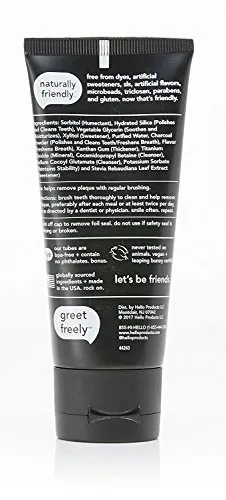
Whitening toothpastes utilize a combination of ingredients to achieve their stain-removing and whitening effects. The most common approach involves the use of mild abrasives, such as hydrated silica or calcium carbonate, which gently scrub the surface of the teeth to remove stains. Some toothpastes also contain chemical agents, like hydrogen peroxide or carbamide peroxide, that penetrate the enamel to lift deeper stains. The effectiveness can vary depending on the specific ingredients and the concentration, but the goal is always to provide a cleaner, brighter smile.
Types of Whitening Agents
Different whitening toothpastes employ various active ingredients to achieve their results. Abrasives work by physically removing stains, while chemical whitening agents, such as peroxides, chemically break down the stain molecules. Another popular ingredient is activated charcoal, known for its ability to absorb stains and impurities. The choice of whitening agent depends on the manufacturer’s formulation and the desired level of whitening, with each agent offering its own unique benefits and considerations.
Activated Charcoal Benefits
Activated charcoal has gained popularity in recent years due to its natural stain-removing properties. Derived from carbon-rich materials like coconut shells, activated charcoal is processed to create a porous structure that effectively absorbs surface stains and impurities. Many users appreciate activated charcoal for its ability to provide a natural whitening effect without harsh chemicals. However, it’s important to choose a toothpaste with a formulation that minimizes abrasiveness to avoid potential enamel damage. It’s also crucial to ensure the toothpaste is safe for daily use and does not contain ingredients that could harm your oral health.
Fluoride-Free Options

For individuals seeking fluoride-free options, there are numerous whitening toothpastes available. Fluoride-free toothpastes often rely on alternative ingredients, such as hydrated silica or other abrasives, to remove stains. The absence of fluoride may be preferred by those who are sensitive to it or are looking for a more natural approach to oral care. When selecting a fluoride-free whitening toothpaste, it’s important to ensure that it provides adequate cleaning and protection against cavities, often achieved through a combination of effective brushing and regular dental checkups.
The Role of Abrasives
Abrasives play a key role in the effectiveness of whitening toothpaste. These are small particles that gently scrub the teeth, removing surface stains and plaque. Common abrasives include hydrated silica, calcium carbonate, and dicalcium phosphate. The abrasiveness level is a critical factor, as toothpastes that are too abrasive can potentially damage the enamel, leading to increased sensitivity. Therefore, it’s important to choose a whitening toothpaste with a suitable level of abrasiveness, considering your specific oral health needs and any sensitivities you might have.
Improved Oral Hygiene
Besides whitening, these toothpastes also contribute to overall oral hygiene. By effectively removing plaque and surface stains, they help prevent the buildup of bacteria that can lead to gum disease and cavities. The act of brushing with any toothpaste helps dislodge food particles and debris, promoting a healthier mouth. Regular use of a whitening toothpaste can thus be a beneficial part of your daily oral care routine, supporting a cleaner and healthier mouth overall.
Fresh Breath and Confidence

Many whitening toothpastes include ingredients that freshen breath, further enhancing your confidence. These ingredients often include mint or other flavorings that mask bad breath and leave your mouth feeling clean and refreshed. The combination of whiter teeth and fresher breath can significantly boost self-esteem, making you feel more comfortable and confident in your interactions. A bright smile and fresh breath are often seen as signs of good health and self-care, contributing to a positive self-image.
Selecting the Right Whitening Toothpaste
Choosing the right whitening toothpaste involves considering several factors. The first is your individual needs and oral health conditions. For example, if you have sensitive teeth, you’ll want to choose a toothpaste with a lower level of abrasiveness and potentially desensitizing agents. Consider the type of stains you’re trying to remove. If you consume a lot of coffee or tea, you might benefit from a toothpaste with a higher concentration of stain-removing ingredients. Don’t forget to check the product’s reviews and consult with your dentist to determine the best option for your situation.
Considerations for Sensitive Teeth
If you have sensitive teeth, selecting the right whitening toothpaste is even more critical. Look for toothpastes that are specifically designed for sensitive teeth, which typically contain lower levels of abrasives and may include ingredients like potassium nitrate to help reduce sensitivity. Avoid toothpastes with harsh chemicals or strong flavors that can irritate your gums. Always consult with your dentist for personalized recommendations if you experience tooth sensitivity while using whitening toothpaste. Gradually introducing the toothpaste into your routine can help you assess how your teeth react.
Comparing Brands and Ingredients
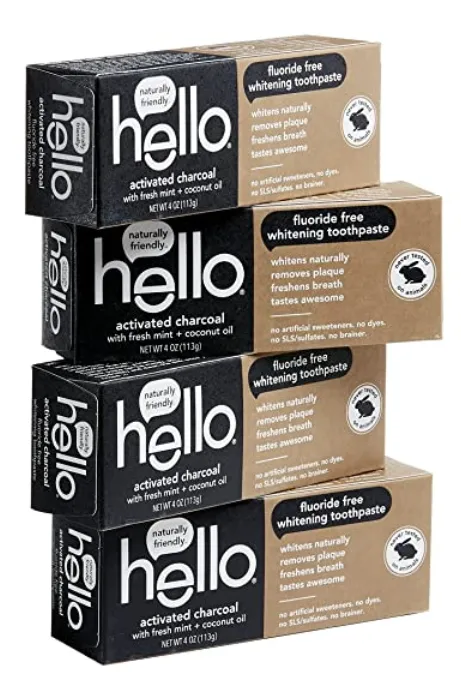
Comparing different brands and their ingredients is essential to making an informed choice. Read the labels carefully, paying attention to the active whitening agents, abrasives, and any additional ingredients like fluoride or charcoal. Research the reputation of the brand and read reviews to learn about other users’ experiences. Some brands offer specialized formulations to target specific concerns, such as enamel strengthening or gum health. The best way to make a decision is to consider your oral health needs and your aesthetic goals.
Maintaining Results and Oral Health
To maintain the results of your whitening toothpaste and ensure optimal oral health, consistent care is essential. Brush your teeth at least twice a day, for two minutes each time, and floss daily. Make sure to rinse your mouth thoroughly after brushing and flossing. Schedule regular dental checkups and cleanings, where your dentist can professionally remove any stains and monitor your overall oral health. Avoid excessive consumption of stain-causing foods and drinks and consider using a straw when drinking beverages like coffee or tea to minimize their impact on your teeth.
Proper Brushing Techniques
Proper brushing techniques are crucial for achieving the best results from your whitening toothpaste. Use a soft-bristled toothbrush and apply gentle, circular motions to each tooth, ensuring that you cover all surfaces. Avoid applying too much pressure, as this can damage your enamel and gums. Spend at least two minutes brushing, and don’t forget to brush your tongue to remove bacteria that can cause bad breath. Replacing your toothbrush every three months, or sooner if the bristles become frayed, is another key part of effective oral hygiene.
Regular Dental Checkups

Regular dental checkups are indispensable for maintaining oral health and maximizing the effectiveness of your whitening toothpaste. Your dentist can professionally clean your teeth, removing any plaque or tartar that brushing alone cannot reach. They can also assess your overall oral health, detecting any potential issues such as cavities, gum disease, or enamel erosion. Following your dentist’s recommendations, including the frequency of checkups, is key to a bright, healthy smile.
Conclusion
Whitening toothpastes offer a range of benefits, from improving smile appearance and boosting confidence to enhancing oral hygiene. By understanding how they work, what to look for, and how to use them effectively, you can make an informed choice and incorporate them into your oral care routine. Remember to select a toothpaste that suits your specific needs, and always consult with your dentist for personalized advice. With the right approach, you can enjoy a brighter, healthier smile and the many advantages that come with it.