Understanding Whitening Toothpaste
Whitening toothpaste is a popular choice for those seeking a brighter smile. But when it comes to using it with braces, a careful approach is needed. Understanding how whitening toothpaste works, and the potential impact it can have, is crucial for maintaining both the health and appearance of your teeth during orthodontic treatment. Before incorporating any new dental products into your routine, always consult with your orthodontist or dentist. They can provide personalized advice based on your specific needs and the type of braces you have, ensuring the best possible outcome for your smile.
How Whitening Toothpaste Works
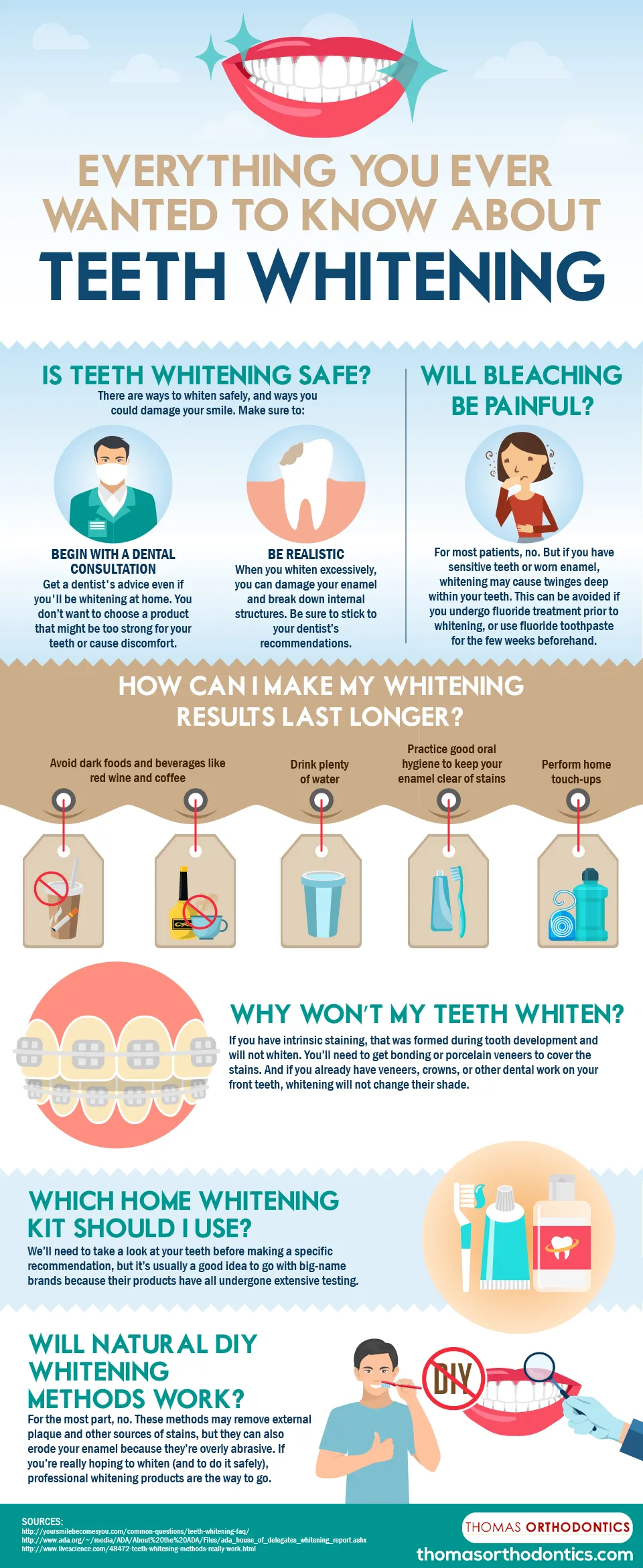
Most whitening toothpastes utilize abrasive agents, such as hydrated silica or calcium carbonate, to physically scrub away surface stains. These agents help to remove extrinsic stains caused by foods, drinks (like coffee and tea), and tobacco use. Some whitening toothpastes also contain mild chemical agents, such as hydrogen peroxide or carbamide peroxide, to penetrate the enamel and lighten the teeth. However, the concentration of these whitening agents in over-the-counter toothpastes is typically lower than in professional whitening treatments. It’s important to note that whitening toothpastes cannot change the intrinsic color of your teeth, and they are most effective for removing surface stains.
Ingredients in Whitening Toothpaste

Several ingredients are commonly found in whitening toothpastes, each with its specific function. Abrasives, as previously mentioned, are key for physical stain removal. Peroxides, at low concentrations, can help with deeper stain removal. Other ingredients may include fluoride for enamel strengthening, detergents for foaming and cleaning, and flavoring agents for taste. The specific combination and concentration of ingredients vary depending on the brand and the type of whitening toothpaste. Always check the label to understand the active ingredients and any potential sensitivities or allergies.
The Impact of Braces on Teeth
Braces, while effective in straightening teeth, can significantly impact oral hygiene. The brackets and wires create numerous nooks and crannies where food particles and plaque can accumulate. This can lead to an increased risk of tooth decay, gum disease, and staining if not managed effectively. Therefore, maintaining meticulous oral hygiene is paramount during orthodontic treatment. The challenges posed by braces necessitate a different approach to brushing and flossing to ensure thorough cleaning and to prevent potential dental issues that could arise during this time. Your orthodontist will provide specific instructions and recommendations to help you maintain excellent oral health.
How Braces Affect Oral Hygiene
Braces create more surfaces for plaque and food particles to adhere to, making it harder to clean your teeth thoroughly. Brackets and wires make it difficult to reach all areas of the teeth with a toothbrush and floss, increasing the likelihood of plaque buildup. This can lead to demineralization of the enamel around the brackets, resulting in white spots or cavities. Additionally, the presence of braces can make it more difficult to remove stains, potentially leading to uneven discoloration when the braces are removed if proper hygiene practices are not followed. The use of specialized tools, such as interdental brushes and floss threaders, is often recommended to effectively clean around braces.
Potential Risks of Whitening Toothpaste with Braces
While whitening toothpaste can be effective for removing surface stains, using it with braces presents several potential risks. These risks are primarily related to the way whitening toothpaste interacts with the brackets, the enamel, and the overall oral environment during orthodontic treatment. Understanding these risks is crucial for making informed decisions about your oral care routine and for protecting your teeth during the process of straightening them.
Uneven Whitening and Staining
A major concern with using whitening toothpaste while wearing braces is the potential for uneven whitening. The brackets cover portions of the teeth, preventing the toothpaste from reaching those areas. This can result in the teeth whitening unevenly, leaving the areas covered by the brackets darker than the surrounding enamel. Once the braces are removed, this disparity becomes very noticeable, and can lead to the need for additional teeth whitening treatments. The abrasive action of whitening toothpaste can also contribute to staining around the brackets if not used carefully.
Increased Sensitivity
Whitening toothpastes, especially those with higher concentrations of whitening agents or abrasive ingredients, can increase tooth sensitivity. This sensitivity can be exacerbated by the pressure and adjustments associated with braces, potentially causing discomfort. If you already have sensitive teeth, whitening toothpaste can make the situation worse, leading to pain when eating or drinking cold or hot items. If you experience increased sensitivity, it is crucial to consult your dentist or orthodontist and consider switching to a toothpaste designed for sensitive teeth.
Enamel Damage

Overuse or excessive brushing with whitening toothpastes containing harsh abrasives can potentially damage the enamel over time. The abrasives can wear away the enamel, making the teeth more susceptible to decay and staining. Once the enamel is damaged, it cannot be regrown, and it can lead to a variety of dental problems. While most whitening toothpastes are formulated to be safe for everyday use, it is crucial to brush gently and to use them as directed to minimize the risk of enamel damage. Always consult with your dentist if you have concerns about your enamel health.
Safe Alternatives for Whitening Teeth with Braces
Fortunately, there are safer alternatives for whitening your teeth while wearing braces. These alternatives allow you to maintain your oral health without compromising the aesthetics of your smile. Consulting with your orthodontist or dentist can help you determine the most suitable option for your needs. They can assess your specific situation and recommend the best course of action to achieve a brighter and healthier smile during your orthodontic treatment.
Professional Teeth Whitening
Professional teeth whitening is often the most effective and safest way to whiten teeth while wearing braces. Your orthodontist or dentist can apply a professional-strength whitening agent to your teeth, ensuring even whitening results. The use of professional treatments allows for greater control over the whitening process, reducing the risk of uneven whitening or damage to the enamel. In some cases, whitening treatments may be delayed until after the braces are removed, ensuring that the teeth are cleaned, and ready for the whitening procedure.
Whitening Toothpaste

If your dentist approves, you might be able to use a mild whitening toothpaste, but it’s important to do so with caution. Choose a toothpaste with a lower concentration of abrasive agents and whitening chemicals. Brush gently and thoroughly to clean all surfaces, and avoid over-brushing to reduce the risk of enamel damage. If you notice any increased sensitivity or uneven whitening, stop using the toothpaste and consult with your orthodontist immediately. Proper brushing technique is essential to avoid staining around the brackets, which will be more noticeable after the braces are removed.
Whitening Mouthwash
Whitening mouthwashes can be a supplementary option, but they are generally less effective than whitening toothpaste or professional treatments. They contain low concentrations of whitening agents, and their primary benefit is in refreshing breath and helping to remove surface stains. It is important to ensure that the mouthwash is alcohol-free, as alcohol can dry out the mouth and increase sensitivity. As with whitening toothpaste, it is crucial to consult with your orthodontist or dentist before using whitening mouthwash to ensure it’s a suitable option for you.
Maintaining Oral Hygiene with Braces
Regardless of whether you use whitening toothpaste, maintaining excellent oral hygiene is essential when wearing braces. Proper brushing and flossing techniques, combined with regular dental check-ups, are crucial for preventing cavities, gum disease, and staining. Your orthodontist will provide specific instructions on how to clean your teeth effectively with braces, including the use of specialized tools and techniques. By following these guidelines, you can protect your teeth during orthodontic treatment and ensure a healthy and beautiful smile after your braces are removed.
Proper Brushing Techniques

Brushing with braces requires extra care and attention to detail. Use a soft-bristled toothbrush and brush at a 45-degree angle to the gum line, gently cleaning around the brackets and wires. Make sure to brush all surfaces of each tooth, including the front, back, and chewing surfaces. A thorough brushing should take at least two minutes. Consider using an electric toothbrush with a special orthodontic brush head for better cleaning efficiency. Rinse your mouth thoroughly after brushing to remove any remaining toothpaste and debris.
Flossing Techniques
Flossing with braces is essential for removing plaque and food particles from areas that are difficult to reach with a toothbrush. Use floss threaders to guide the floss under the archwire and between each tooth. Gently move the floss up and down along the sides of each tooth, making sure to clean below the gum line. Alternatively, consider using an interdental brush, which can effectively clean around the brackets and wires. Floss at least once a day, preferably before bedtime, to maintain optimal oral health.
Regular Dental Check-ups
Regular dental check-ups and professional cleanings are crucial when wearing braces. Your dentist can identify and address any potential problems, such as cavities or gum disease, early on. They can also remove any plaque or tartar buildup that you may have missed during your home care routine. Regular check-ups allow your dentist to monitor your oral health and provide personalized recommendations for maintaining a healthy smile throughout your orthodontic treatment.
In conclusion, while whitening toothpaste can be tempting to use with braces, it is generally not recommended due to the risk of uneven whitening, increased sensitivity, and potential enamel damage. The best approach is to consult with your orthodontist or dentist for personalized advice. They can help you determine the safest and most effective way to achieve a brighter smile while wearing braces, whether it’s professional whitening treatments, the careful use of a mild whitening toothpaste, or other strategies. Prioritizing oral hygiene and following your orthodontist’s instructions are key to a successful orthodontic experience and a healthy, beautiful smile.